

Solar Panels Cost in the UK (2026): How Much Should You Expect to Pay?
With energy prices continuing to fluctuate, more UK homeowners are exploring solar power as a way to reduce their electricity bills. One of the most common questions is: Solar Panels Cost in the UK (2026): How Much Should You Expect to Pay?
The cost of a solar panel system can vary depending on factors such as system size, panel efficiency, battery storage, installation requirements, and the characteristics of your property. In this guide, we’ll explain typical installation costs, potential savings, expected payback periods, and the main factors that affect overall value, helping you decide whether solar panels are the right investment for your home.
Get Your Solar Panel Quote
Start with your address so we can check the best solar options for your home.
Quick Answer: How Much Do Solar Panels Cost in the UK in 2026, and Are They Worth the Investment?
Solar panels in the UK typically cost between £4,000 and £12,000+ in 2026, depending on system size and battery storage. For many homeowners, they can be a worthwhile investment, offering lower electricity bills, long-term savings, and greater energy independence.
Table of Contents
ToggleWhat Do Solar Panels Cost in the UK?
The cost of solar panels in the UK varies depending on the size of the system, the quality of the equipment, and whether battery storage is included. While larger systems generally cost more upfront, they can also generate more electricity and increase potential savings. Rather than focusing solely on installation cost, it’s important to consider the long-term value, energy bill reductions, and overall return on investment.
Why Do Solar Panel Costs Vary?
Not all solar installations are the same. The final cost depends on your property’s requirements, the equipment chosen, and how complex the installation is.
System Size
Larger solar systems require more panels and equipment, increasing upfront costs but often generating more electricity and greater long-term savings.
Roof Type and Installation Complexity
Roof shape, height, access, and available space can all affect installation time and overall project costs.
Panel Quality and Efficiency
Higher-efficiency panels typically cost more but can generate more electricity from the same roof area, making them attractive for homes with limited space.
Battery Storage Options
Adding a battery increases the initial investment but allows more solar energy to be stored and used later, reducing reliance on grid electricity.
Labour and Installation Costs
Installation costs vary depending on system complexity, property access, electrical work required, and the experience of the installation team.
Typical Solar Panel Installation Costs by System Size
The size of the solar system is one of the biggest factors affecting installation costs. Larger systems generally require more panels and equipment but can also generate more electricity and increase potential savings over time.
| System Size | Typical Number of Panels | Typical Cost Range (£) | Suitable For |
|---|---|---|---|
| 2kW | 5–6 Panels | £3,000 – £5,000 | Small households with low electricity usage |
| 3kW | 7–8 Panels | £4,000 – £6,000 | Small to medium-sized homes |
| 4kW | 9–10 Panels | £5,000 – £7,500 | Average UK family homes |
| 5kW | 11–13 Panels | £6,000 – £9,000 | Larger households with higher energy demand |
| 6kW+ | 14+ Panels | £7,500 – £12,000+ | Large homes or high electricity users |
How Much Can Solar Panels Save?
Solar panels can help reduce electricity bills by generating free renewable energy for your home. The amount you save depends on how much electricity you use, when you use it, and how much of your solar generation is consumed on-site.
Electricity Bill Savings
Using more of the electricity your panels generate can significantly reduce the amount of energy you need to buy from the grid, helping lower monthly energy costs.
Smart Export Guarantee Payments
If your system produces more electricity than you use, you may be able to export the surplus back to the grid and receive payments through the Smart Export Guarantee (SEG).
Battery Storage and Self-Consumption
A battery allows you to store excess solar energy for use later in the day, increasing self-consumption and reducing reliance on imported electricity, particularly during evenings and peak-rate periods.
Are Solar Panels Worth the Cost?
For many homeowners, solar panels are a long-term investment rather than a short-term saving. While there is an upfront installation cost, solar can help reduce electricity bills, provide protection against rising energy prices, and increase energy independence. The overall value depends on your property’s suitability, energy usage, and how much of the electricity generated is used within the home.
Solar Panels and Battery Storage Costs
Adding a battery increases the upfront cost of a solar installation, but it can help you store excess electricity generated during the day and use it when your panels are no longer producing power. For many households, this can improve energy independence and maximise the value of their solar system.
| System Type | Typical Cost Range (£) | Key Benefit |
|---|---|---|
| Solar Panels Only (3–4kW) | £4,000 – £7,500 | Lower upfront investment and reduced electricity bills |
| Solar Panels + 5kWh Battery | £7,000 – £11,000 | Store excess daytime generation for evening use |
| Solar Panels + 10kWh Battery | £9,000 – £14,000 | Greater energy storage and reduced grid reliance |
| Solar Panels + Premium Battery System | £10,000 – £16,000+ | Enhanced backup capability and higher self-consumption |
What Affects Solar Panel Payback Time?
The time it takes for solar panels to pay for themselves varies from one home to another. Factors such as electricity usage, system size, energy prices, and battery storage can all influence how quickly you see a return on your investment. Homes that use more of the electricity they generate often achieve faster payback periods and greater long-term savings.
Electricity Usage Pattern
Homes that use more electricity during the day typically benefit the most from solar panels, as more of the energy generated can be used directly instead of being imported from the grid.
System Size
A correctly sized system can maximize savings and improve overall value. Systems that are too small may limit savings, while oversized systems may take longer to recover their upfront cost.
Battery Storage
Battery storage allows excess solar energy to be used later, increasing self-consumption and reducing reliance on grid electricity, which can improve long-term returns.
Energy Prices
Higher electricity prices generally increase the value of the energy your solar panels generate, helping to shorten the payback period over time.
Which Solar Panel Brands Offer the Best Value?
The best value isn’t always the cheapest option. A good solar panel balances efficiency, reliability, warranty coverage, and long-term performance to deliver the strongest return on investment.
Premium Panels
Premium brands typically offer higher efficiency, longer warranties, and strong performance in limited roof space, making them ideal for homeowners looking to maximise energy generation.
Mid-Range Panels
Mid-range panels often provide the best balance between cost and performance, offering reliable output and solid warranties at a more affordable price point.
Budget-Friendly Options
Budget panels can reduce upfront costs and still deliver worthwhile savings, but it’s important to compare efficiency, product warranties, and manufacturer reputation before deciding.
Are Solar Panels Suitable for Your Home?
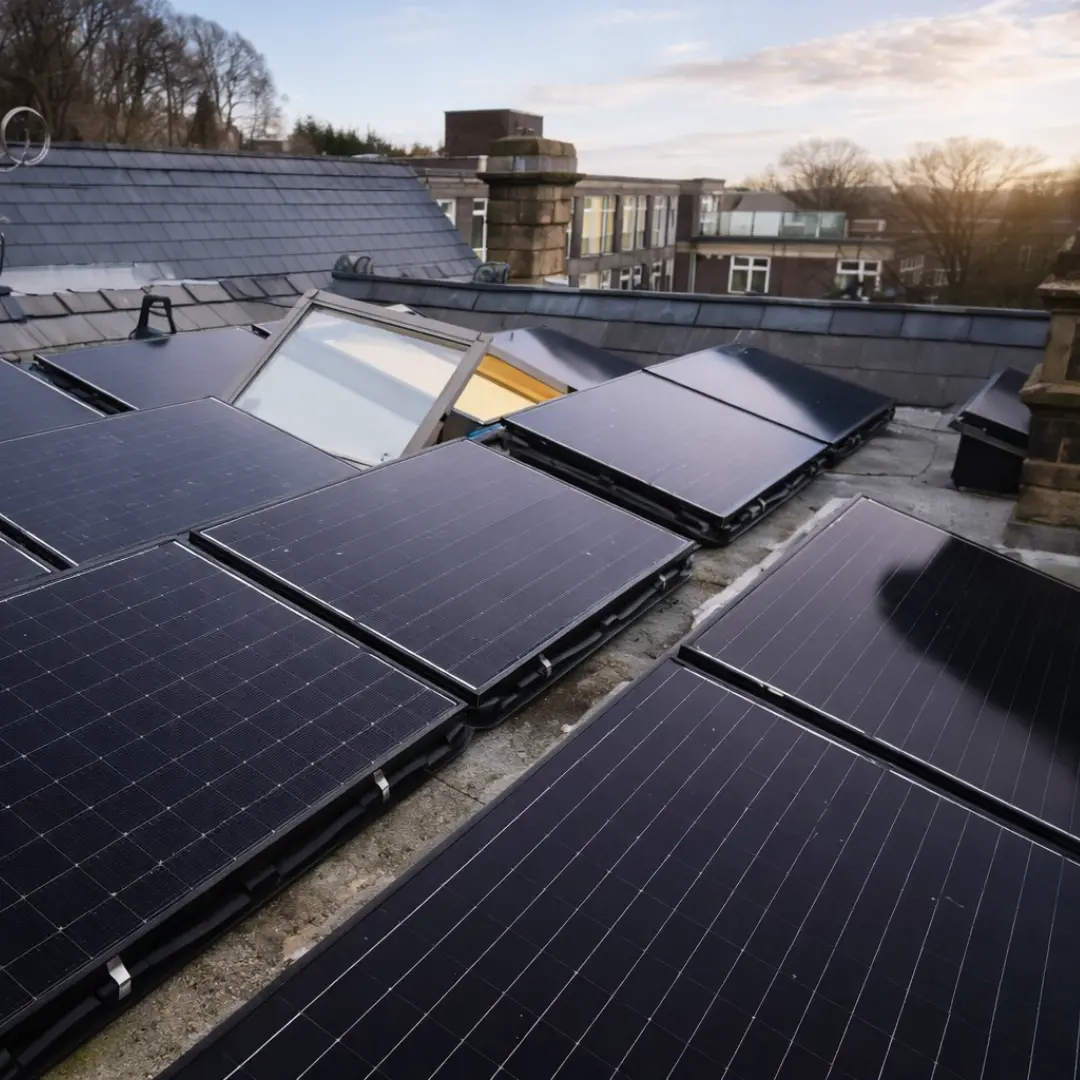
Solar panels can work well on many types of UK properties, but factors such as roof orientation, available space, and shading can affect overall performance and potential savings.
South-Facing Roofs
South-facing roofs generally receive the most sunlight throughout the day, making them one of the most effective options for solar panel installations.
East and West Roofs
East and west-facing roofs can still generate significant amounts of electricity, often providing a good balance of morning and afternoon energy production.
Smaller Roof Spaces
Limited roof space doesn’t automatically rule out solar. Higher-efficiency panels can help maximise generation where space is restricted.
Shaded Roofs
Trees, chimneys, and nearby buildings can reduce solar output, but a professional survey can assess whether the roof remains suitable.
Flats and Apartments
Solar panels may be possible on some flats and apartments, particularly where roof access, ownership permissions, and available space allow installation.
Common Solar Panel Cost Mistakes Homeowners Make
The cheapest option isn’t always the most cost-effective. Understanding what influences long-term performance and savings can help you make a better investment decision.
Choosing Based on Price Alone
A lower price may look attractive, but system quality, warranties, installation standards, and expected performance are equally important.
Ignoring Battery Options
Focusing only on panel costs can overlook the benefits of storing excess energy for later use, helping reduce reliance on the grid.
Focusing Only on Panel Wattage
Higher wattage doesn’t automatically mean better value. Efficiency, reliability, and overall system design often matter more.
Not Comparing Like-for-Like Quotes
Quotes can vary significantly depending on equipment, warranties, battery inclusion, and installation scope, so always compare what’s actually included.
Final Thoughts on Solar Panel Costs
Solar panels are more than just an upfront expense—they’re a long-term investment in your home’s energy future. While costs vary depending on the system and property, the right installation can help reduce electricity bills, improve energy independence, and deliver value for years to come. The key is choosing a system that’s designed around your home’s needs rather than focusing on price alone.
Frequently asked questions (FAQs)
Simple answers to common questions about solar panel costs, yearly savings, battery storage, cloudy-day performance, roof suitability, lifespan, and selling unused electricity back to the grid. Speak to Simple Green Energy.
Want to check your roof?
Speak with Simple Green Energy to check whether your property is suitable for solar panels, including roof direction, shading, available space, battery options, expected savings, and installation requirements.
Check solar suitability