



Buying an Air Source Heat Pump in 2026: A UK Homeowner’s Guide
Thinking about upgrading your home’s heating but unsure where to start? Buying a heat pump can feel confusing when you’re comparing costs, grants, running expenses, and system options. So, is buying an air source heat pump in 2026 the right choice for your home?
This guide explains everything UK homeowners need to know, from how heat pumps work and what they cost to available grants, installation requirements, and whether a heat pump is a suitable long-term investment for your property.
Get your free heat pump quote
Secure, GDPR-protected enquiry.
Find your property
No spam. No third-party sharing.
Choose a brand
Contact details
Your details stay private and protected.
Thank you
Your request has been received. Our team will contact you shortly.
Quick Answer: How to Buy an Air Source Heat Pump in the UK in 2026?
Buying an air source heat pump in 2026 means considering more than just the purchase price. UK homeowners should assess property suitability, insulation, available grants, running costs, and system design to ensure the heat pump delivers efficient, reliable, and cost-effective heating for the long term.
Table of Contents
ToggleWhat Is an Air Source Heat Pump?
How Does an Air Source Heat Pump Work?
An air source heat pump works by extracting heat from the outside air and transferring it into your home. Using electricity and a refrigerant cycle, it upgrades low-temperature heat into usable warmth for your radiators, underfloor heating, and hot water—even when outdoor temperatures are cold.
How Is It Different from a Gas Boiler?
A gas boiler creates heat by burning fuel, while an air source heat pump transfers existing heat from the outside air into your home. This makes heat pumps significantly more energy-efficient and lower in carbon emissions, although they operate differently and perform best with the right system design and insulation.
Why Are More UK Homeowners Buying Heat Pumps in 2026?
More UK homeowners are buying heat pumps in 2026 because they offer a low-carbon alternative to traditional heating systems while helping future-proof homes against changing energy regulations. Improved technology, government grants, and growing awareness of energy efficiency have made heat pumps an increasingly attractive option for long-term heating and hot water.
What Should You Check Before Buying a Heat Pump?
Buying a heat pump starts with understanding whether your property is a good fit for the technology.Before making a decision, check factors such as insulation levels, heat loss, radiator compatibility, hot water demand, and available outdoor space. A properly designed system is far more important than simply choosing a particular brand or the lowest quote.
Home Insulation Levels
A heat pump performs best in a well-insulated home. Good insulation helps retain heat for longer, improving comfort and reducing energy consumption.
Heat Loss Calculation
A professional heat loss calculation determines how much heat your property needs. This ensures the system is correctly sized for efficient and reliable performance.
Existing Radiators
Some homes may need larger or upgraded radiators to work effectively with lower-flow-temperature heating. An assessment will identify if changes are required.
Hot Water Requirements
Consider your household’s daily hot water usage. The right cylinder size and system design help ensure consistent hot water for everyone in the home.
Outdoor Unit Location
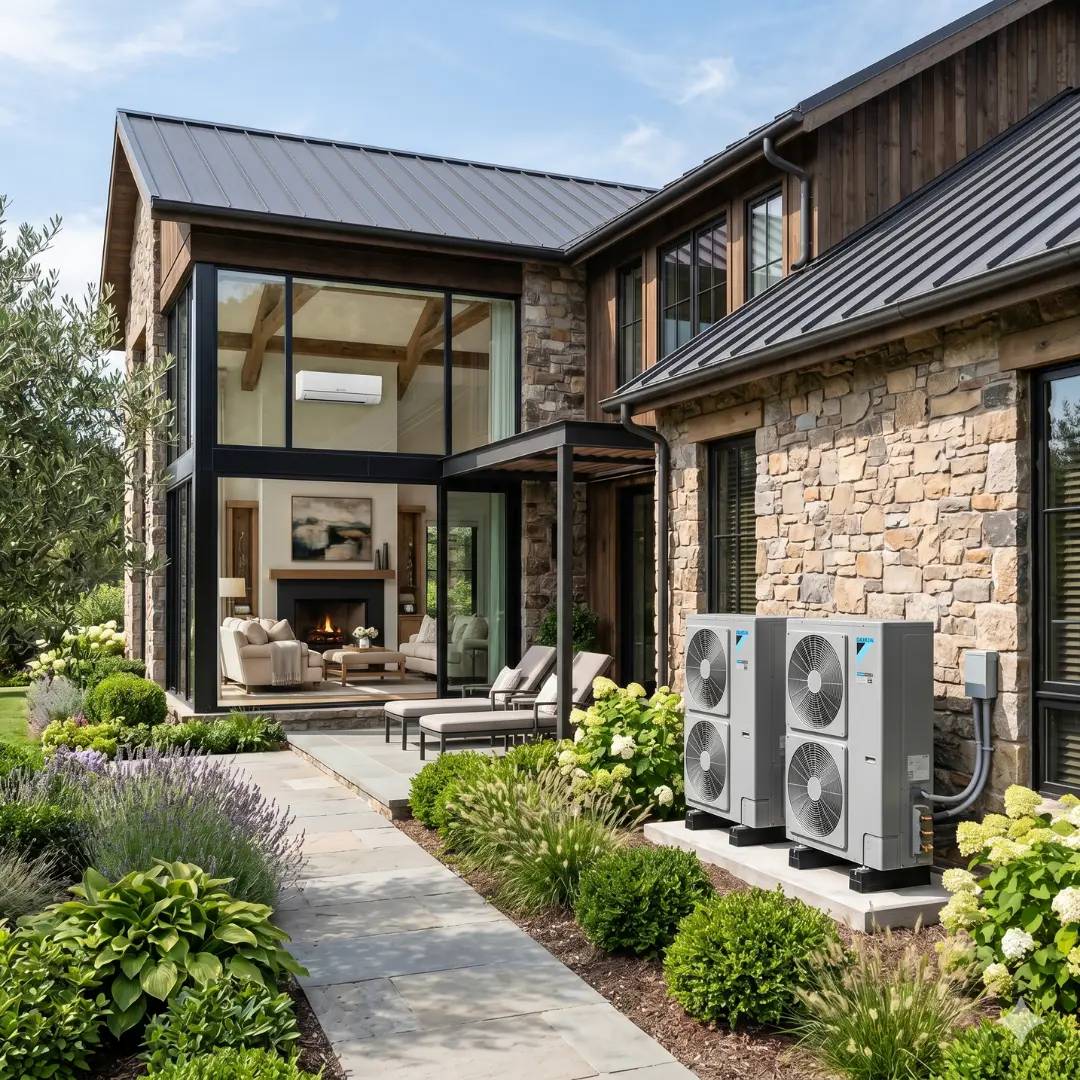
The outdoor unit needs adequate space and airflow to operate efficiently. Choosing the right location can also help minimise visual impact and noise concerns.
Available Budget
Look beyond the initial installation cost. Factor in grants, potential upgrades, running costs, and long-term savings when planning your investment.
How Much Does an Air Source Heat Pump Cost in 2026?
The cost of an air source heat pump varies depending on your property’s size, heating demand, and any upgrades required. While grants can significantly reduce upfront costs, it’s important to consider the complete installation rather than focusing solely on the heat pump unit itself.
What Affects the Cost of an Air Source Heat Pump?
The cost of an air source heat pump installation depends on several factors beyond property size alone. Heat loss levels, hot water demand, radiator upgrades, electrical work, and insulation improvements can all influence the final price. While larger homes generally require higher-capacity systems, a professional assessment is the best way to determine the most suitable specification and installation cost for your property.
Additional Costs Homeowners Should Budget For
Beyond the heat pump itself, homeowners should budget for potential radiator upgrades, hot water cylinders, electrical work, insulation improvements, and system design requirements. Investing in the right setup from the start often delivers better long-term performance and value.
What Grants Are Available in 2026?
Government support can significantly reduce the upfront cost of installing an air source heat pump. For many homeowners, grants make low-carbon heating more affordable and improve the overall return on investment.
What Is the Boiler Upgrade Scheme?
The Boiler Upgrade Scheme (BUS) is a UK government grant that helps eligible homeowners reduce the cost of installing an air source heat pump. The grant is applied through an MCS-certified installer and is deducted from the installation cost, lowering the amount you pay.
Who Qualifies?
Most homeowners and small landlords in England and Wales may be eligible if their property meets the scheme requirements and the installation is carried out by an approved installer. Eligibility can vary, so a property assessment is usually the best way to confirm whether you qualify.
How Does the Grant Process Work?
The grant process is designed to be straightforward. After assessing your property, an MCS-certified installer applies for the grant on your behalf. Once approved, the grant value is deducted directly from the installation cost, reducing the amount you need to pay upfront.
How Much Does It Cost to Run an Air Source Heat Pump?
Running costs depend on your home’s insulation, energy tariff, heating demand, and how efficiently the system is designed. A well-installed heat pump can provide consistent heating while using less energy than many traditional heating systems.
Figures vary depending on electricity tariff, insulation, heat demand, and heat pump efficiency.
What Impacts Running Costs Most?
The biggest factors are insulation quality, heat pump efficiency, electricity prices, and system design.A correctly specified system in a well-insulated home will typically cost less to run than one that has been incorrectly sized or installed.
Heat Pumps vs Gas Boilers Running Costs
Running costs vary between properties, but heat pumps are typically much more energy-efficient than gas boilers. While they use electricity, their ability to move heat rather than generate it can help reduce overall energy consumption when installed correctly.
Best Air Source Heat Pump Brands in 2026
Several manufacturers offer high-quality heat pumps in the UK, each with different features, efficiencies, and system options. While brand reputation is important, the quality of the design and installation often has a greater impact on performance than the logo on the unit.
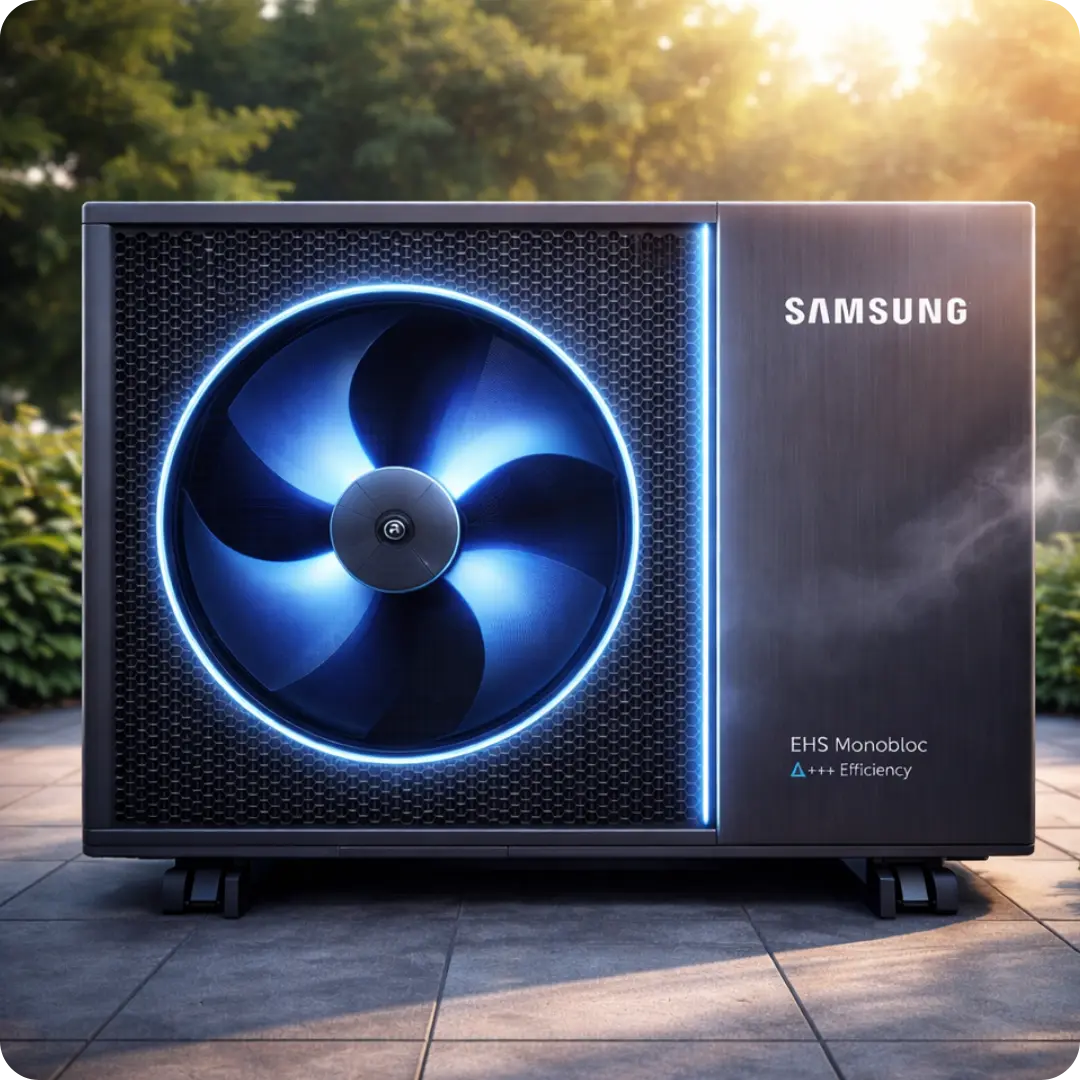
For premium performance, Vaillant and Daikin are commonly recommended. Mitsubishi Ecodan remains one of the most established heat pump systems in the UK, while Samsung often appeals to homeowners seeking strong value and modern controls. The best choice depends on system design and installer expertise rather than brand alone.
Why Design Matters More Than Brand
Even the best heat pump can underperform if it is incorrectly sized or poorly installed. A detailed heat loss calculation, proper system design, and quality installation are usually more important than choosing a specific brand. A well-designed system from a good manufacturer will often outperform a premium model installed incorrectly.
What Does the Installation Process Look Like?
Installing an air source heat pump is a structured process designed to ensure the system matches your home’s heating needs. From the initial assessment to final commissioning, each stage plays an important role in achieving efficient and reliable performance.
Survey and Heat Loss Assessment
The process begins with a property survey and heat loss calculation. This helps determine the correct heat pump size and identifies any upgrades needed for optimal performance.
System Design
Using the survey results, a tailored system is designed to suit your property’s heating demand, hot water requirements, and existing heating setup.
Installation Day
The heat pump, cylinder, and associated components are installed and connected. Most installations are completed within a few days, depending on the property’s complexity.
Testing and Handover
Once installed, the system is thoroughly tested and commissioned. Homeowners are shown how to operate the controls and maximise efficiency.
Ongoing Support
Regular servicing and occasional maintenance help keep the system running efficiently. Many installers also provide aftercare support for added peace of mind.
Common Mistakes Homeowners Make When Buying a Heat Pump
Many heat pump performance issues can be traced back to decisions made before installation. Common mistakes include choosing the cheapest quote without reviewing the system design, failing to carry out a detailed heat loss calculation, overlooking insulation improvements, and focusing solely on the heat pump brand rather than installer expertise. Taking the time to assess these factors can help maximize comfort, efficiency, and long-term value.
Air Source Heat Pumps in UK Homes and Climate Conditions
Air source heat pumps are designed to work effectively in the UK’s varied climate, including cold winter temperatures. Modern systems can continue extracting heat from the air even during frosty weather, making them suitable for many property types across the country.When correctly specified and installed, modern heat pumps can provide reliable year-round heating and hot water across a wide range of UK property types.
Final Thoughts: Should You Buy an Air Source Heat Pump in 2026?
For many UK homeowners, an air source heat pump can be a smart long-term investment, offering efficient heating, lower carbon emissions, and access to government support. The key is ensuring the system is matched to your property’s heating requirements and installed to a high standard. Before making a decision, arrange a professional heat loss assessment and obtain detailed quotations from experienced MCS-certified installers to determine whether a heat pump is the right solution for your home.
Frequently asked questions (FAQs)
Simple answers to common questions about air source heat pump cooling, summer comfort, radiators, underfloor heating, electricity usage, and using solar panels to support daytime cooling. Speak to Simple Green Energy.
Want to check suitability?
Speak with Simple Green Energy to check whether your property is suitable for air source heat pump heating and cooling, including system design, insulation, radiators, fan coils, solar compatibility, and expected running costs.
Check cooling suitability