
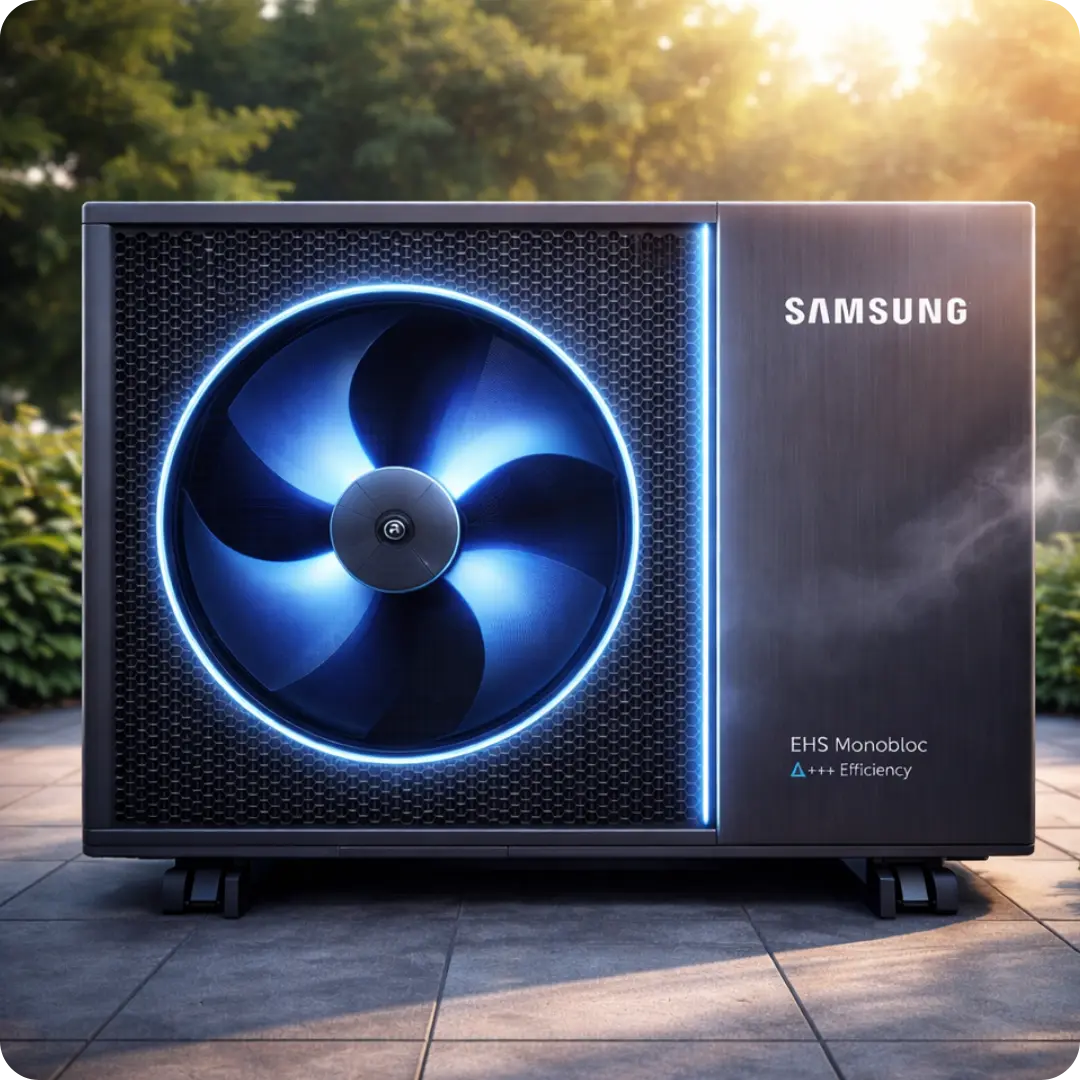




Cheapest Way to Run an Air Source Heat Pump in the UK
Worried your heat pump is costing more than it should? Cheapest Way to Run Air Source Heat Pump in the UK (2026) explains how simple changes to settings, insulation, tariffs, flow temperature and daily habits can help your system run more efficiently, keep your home comfortable, and avoid wasted electricity.
Get your free heat pump quote
Secure, GDPR-protected enquiry.
Find your property
No spam. No third-party sharing.
Choose a brand
Contact details
Your details stay private and protected.
Thank you
Your request has been received. Our team will contact you shortly.
Quick Answer: What Is the Cheapest Way to Run an Air Source Heat Pump?
The cheapest way to run an air source heat pump is to keep heating steady, reduce heat loss with good insulation, use lower flow temperatures where suitable, set controls correctly, choose an efficient electricity tariff, and keep the system properly serviced.
Table of Contents
ToggleWhy Air Source Heat Pumps Need to Be Run Differently from Gas Boilers
A gas boiler gives short bursts of very hot water, so many people are used to switching it on and off. An air source heat pump works best in a gentler way. It keeps the home warm steadily, using lower temperatures over a longer period. This is why the right settings, insulation and controls make such a big difference to running costs.
Heat Pumps Work Best at Lower Temperatures
Heat pumps are most efficient when they do not have to work too hard. Instead of sending very hot water around the home like a boiler, they usually perform better at lower flow temperatures. Good insulation and suitable radiators help the system heat the rooms properly without wasting energy.
Steady Heating Is Usually Better Than Stop-Start Heating
Turning a heat pump off for long periods can make the home cool down too much. When it starts again, the system may need more energy to bring the temperature back up. A steady, controlled setting often keeps the home warmer and helps the heat pump run more efficiently.
Comfort Matters as Much as Cost
The cheapest setting is not always the best if the home feels cold. A heat pump should be set up to give steady comfort without unnecessary energy use. The aim is simple: keep the house warm, avoid big temperature swings, and let the system work smoothly.
The Most Efficient Way to Run a Heat Pump Day to Day
The most efficient way to run a heat pump is to keep it calm, steady and properly controlled. Heat pumps do not like sudden changes. They work best when they gently maintain warmth, use lower water temperatures, and avoid constantly chasing big temperature jumps.
Set a Comfortable Steady Temperature
Choose a temperature that feels comfortable and let the system maintain it. Big drops and sudden increases can make the heat pump work harder. A steady setting usually keeps the home warmer and helps avoid wasted energy.
Avoid Turning the System Fully Off Every Day
Switching the heat pump off for long periods can let the house cool down too much. When it turns back on, it may use more energy to recover the lost heat. Controlled, steady heating is usually more efficient.
Use Weather Compensation if Available
Weather compensation adjusts the heating based on the outdoor temperature. On milder days, the system works less hard. On colder days, it responds automatically. This helps the heat pump run more smoothly and efficiently.
Keep Flow Temperature as Low as the Home Allows
Lower flow temperatures usually help a heat pump run more efficiently. The key is balance: the water should be warm enough to heat the rooms, but not hotter than needed. Good insulation and suitable radiators make this easier.
Do Not Keep Changing Settings Too Often
Constantly changing the thermostat, schedules or flow temperature can stop the system from settling. Give the heat pump time to work steadily. Small, sensible adjustments are better than frequent changes throughout the day.
What Settings Help an Air Source Heat Pump Run More Cheaply?
The right settings can make a big difference to heat pump running costs. The aim is not to make the system work harder, but to help it run smoothly. Small changes to temperature, schedules, hot water and controls can improve comfort while reducing wasted energy.
Thermostat Settings
Keep the thermostat at a steady, comfortable temperature instead of making big changes throughout the day. Heat pumps are usually more efficient when they maintain warmth gently, rather than trying to quickly reheat a cold home.
Flow Temperature
Flow temperature is the temperature of the water going to your radiators or underfloor heating. A lower flow temperature usually helps the heat pump run more efficiently, as long as the home still feels warm enough.
Heating Schedule
Set the heating schedule around how you actually use the home. Avoid letting the house get too cold, especially in winter. A simple, steady schedule often works better than switching the system fully off and on.
Hot Water Settings
Hot water should be set high enough for safe and comfortable use, but not higher than needed. If the cylinder is heating too often or at the wrong times, it can increase electricity use unnecessarily.
Smart Controls
Smart controls can help reduce waste, but only when they are set correctly. Use them to manage heating times, temperature and hot water more carefully. Avoid constant manual changes, as this can stop the system running efficiently.
How Insulation Affects Heat Pump Running Costs
Insulation affects how much heat your home keeps. The less heat your home loses, the less your air source heat pump has to work. This can help lower running costs, improve comfort and make the system run more smoothly.
Can Electricity Tariffs Make a Heat Pump Cheaper to Run?
Yes, the right electricity tariff can reduce heat pump running costs, especially if your system is well set up and your heating schedule can work around cheaper electricity periods. The tariff alone will not fix poor insulation or bad settings, but it can make an efficient system cheaper to run.
Does Solar PV Help Reduce Heat Pump Running Costs?
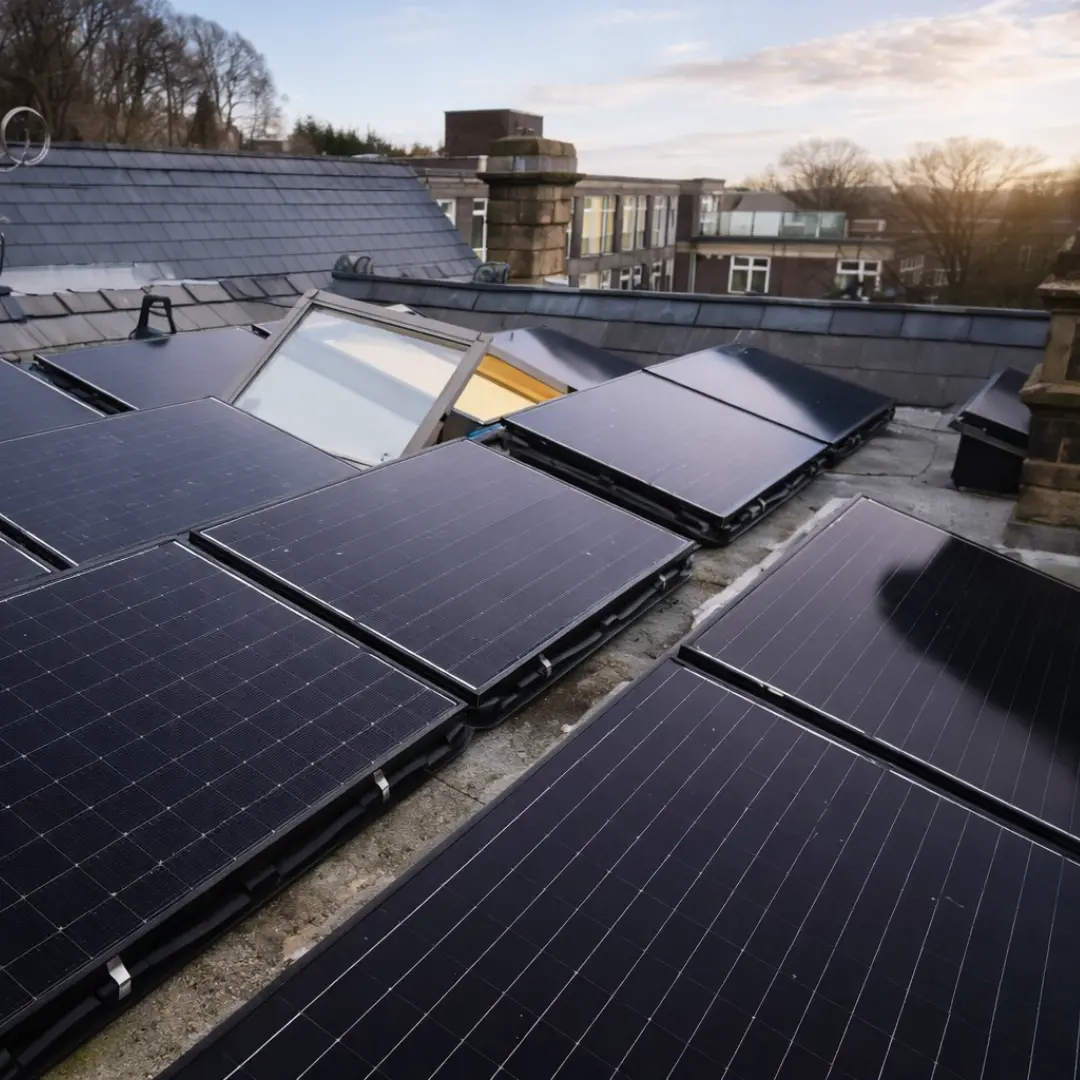
Yes, solar PV can help reduce heat pump running costs by supplying some of the electricity your home uses. It works best when your solar generation, heating demand and household usage are planned together. However, solar will not usually cover all heat pump use, especially in winter when heating demand is highest.
When Solar Helps Most
Solar helps most when your home uses electricity during daylight hours. If the heat pump, hot water cylinder, appliances or battery can use solar power while it is being generated, you may buy less electricity from the grid. Homes with good roof space and low shading usually benefit more.
Why Solar Does Not Cover Everything
Solar panels generate less electricity in winter because days are shorter and sunlight is weaker. This is also when the heat pump usually works hardest. So, while solar can reduce grid usage, it should not be treated as a complete solution for heating costs.
When Battery Storage May Help
Battery storage can save unused solar electricity for later, such as evening heating, hot water or general household use. This can make solar more useful with a heat pump, but the battery must be sized properly around your usage, system size and budget.
How System Design Affects Running Cost
A heat pump is only as efficient as the system around it. Even a good unit can cost more to run if it is oversized, undersized, poorly placed, or not set up correctly. Good design helps the heat pump work steadily, heat the home properly, and avoid wasted electricity.
Correct Heat Loss Calculation
A heat loss calculation shows how much heat each room needs. This should be done before choosing the heat pump size. If the system is guessed from house size alone, it may run inefficiently, struggle in cold weather, or cost more than expected.
Radiator Sizing
Heat pumps usually work best with lower water temperatures, so some homes may need larger radiators. If radiators are too small, the system may need higher flow temperatures to keep rooms warm, which can increase running costs.
Cylinder Size and Hot Water Demand
The hot water cylinder should match the household’s real usage. A cylinder that is too small may need frequent reheating, while one that is too large may waste energy. Correct sizing helps balance comfort, hot water supply, and efficiency.
Outdoor Unit Placement
The outdoor unit needs good airflow and enough space around it. Poor placement can make the heat pump work harder, create noise issues, or reduce performance. It should be positioned carefully, with access for servicing and sensible pipe runs.
Common Mistakes That Make Heat Pumps Expensive to Run
A heat pump can cost more to run when it is treated like a gas boiler. Big temperature changes, poor insulation, high flow temperatures and wrong settings can all make the system work harder than needed. The cheapest running usually comes from steady heat, good design and simple control habits.
Cheapest Way to Run Air Source Heat Pump in Different UK Homes
The cheapest setup depends on the property. A modern insulated home may run well at lower temperatures, while an older home may need insulation or radiator upgrades first. Rural homes, large family homes and homes with solar panels all need slightly different settings to get the best result.
Should You Leave an Air Source Heat Pump On All the Time?
In many homes, yes — but not at full power. A heat pump usually runs better when it maintains a steady temperature instead of reheating a cold house from scratch. The key is controlled heating, not leaving the system to waste energy unnecessarily.
How to Lower Heat Pump Running Costs Without Losing Comfort
Lower costs should not mean living in a cold home. Start by reducing heat loss, keeping settings steady, using lower flow temperatures where suitable, and checking your electricity tariff. Small improvements often work better than constantly turning the heating down.
Is Your Heat Pump Running Too Expensively?
If your bills feel too high, look beyond the heat pump unit. The issue could be poor insulation, wrong settings, high flow temperature, small radiators, hot water demand, or poor commissioning. A proper system check can show whether the problem is usage, design or the property itself.
Final Thoughts: Running a Heat Pump Cheaply Starts with the Right Setup
Running a heat pump cheaply is not about finding one perfect setting. It starts with a home that holds heat well, a system that is correctly sized, and controls that are set up properly. Good insulation, suitable radiators, steady heating, smart tariffs and regular maintenance all work together. When the setup is right, the heat pump can run smoothly, keep the home comfortable and avoid wasting electricity.
Frequently asked questions (FAQs)
Simple answers to common questions about air source heat pump costs, grants, running costs, radiator upgrades, installation time, planning permission, and suitability for UK homes. Speak to Simple Green Energy.
Want to check your cost?
Speak with Simple Green Energy to check your property suitability, estimated installation cost, grant eligibility, radiator requirements, and system design.
Check suitability