Energy Saving

Save Money and Upgrade Your Home with the ECO4 Scheme

Save Money and Upgrade Your Home with the ECO4 Scheme Introduction to the ECO4 Scheme The ECO4 Scheme is a UK government-backed initiative designed to support homeowners and renters in improving their homes’ energy efficiency. This program focuses on helping eligible individuals reduce their energy consumption, which can lead to significant savings on monthly utility bills. The scheme is a continuation of previous energy efficiency programs, aiming to further extend support to households that may struggle with rising energy costs. Through the ECO4 Scheme, participants can receive financial assistance to make essential home improvements such as installing insulation, upgrading heating systems, and improving ventilation. For homeowners, the ECO4 Scheme is a game changer. Many older homes have poor insulation, inefficient heating systems, and outdated ventilation, which can lead to high energy bills and uncomfortable living conditions. By qualifying for the ECO4 Scheme, homeowners can access grants to help cover the cost of upgrading their homes, making them more energy-efficient and comfortable. These upgrades not only save money but also improve the overall value of a property, making it more appealing to future buyers or tenants. Check how much you can save ! Energy calculator The importance of the ECO4 Scheme lies not only in its financial advantages but also in its environmental impact. By improving energy efficiency, the scheme helps reduce carbon footprints and contributes to the broader efforts to combat climate change. Homes with better insulation and more efficient heating systems use less energy, which results in fewer emissions and a lower environmental impact. This is particularly significant as the UK works toward its goal of achieving net-zero carbon emissions by 2050. For homeowners, the ECO4 Scheme represents a practical and sustainable way to upgrade their homes. It provides financial relief in a time of rising living costs, while also contributing to long-term energy savings and environmental benefits. By participating in the scheme, homeowners not only reduce their energy consumption but also play a part in building a greener, more sustainable future. How the ECO4 Scheme Works Eligibility Criteria for the ECO4 Scheme   Who Qualifies for the ECO4 Scheme? The ECO4 Scheme is designed to help households improve their energy efficiency through grants for necessary upgrades, but not everyone is eligible. To qualify for support, you must meet certain criteria related to your income, property type, and the energy efficiency of your home. The scheme is particularly aimed at low-income households, vulnerable individuals, and people who may struggle with the high costs of energy bills. Eligibility Based on Income and Benefits One of the primary factors determining eligibility is the household income. Those who receive certain benefits or fall within specific income brackets are often eligible for support. If you’re receiving benefits such as Universal Credit, Pension Credit, or other government assistance, you may be able to access funding for energy efficiency upgrades under the ECO4 Scheme. This makes it particularly beneficial for households that are already financially burdened by rising energy costs. Council Tax Bands and Property Requirements In addition to income criteria, the ECO4 Scheme also considers the council tax band of your property. Typically, properties in lower council tax bands (such as A-D) are more likely to qualify, though the specifics can vary depending on regional policies. The type of property is another factor – for instance, the scheme is generally aimed at households in privately owned homes, but renters may also qualify under certain conditions. Simple Green Energy can guide you through these eligibility checks to ensure that your property meets the necessary requirements. Energy Efficiency Requirements Homes applying for the ECO4 Scheme must have a certain energy efficiency rating to qualify. The scheme targets homes that need upgrades to reduce energy consumption, such as installing insulation or improving heating systems. The higher your home’s energy efficiency rating, the greater the chance you’ll qualify for funding. A home energy audit will typically be required to determine your property’s current efficiency status.   The Process of Applying for the ECO4 Scheme Step 1: Initial Assessment The application process for the ECO4 Scheme begins with an initial assessment of your home’s energy efficiency. Homeowners can start by contacting accredited installers, energy suppliers, or service providers like Simple Green Energy, who are partnered with the government-backed scheme. These professionals will help determine if your home qualifies for support and guide you through the next steps. Simple Green Energy can offer a free consultation to help you understand the potential savings and available grants.   Step 2: Eligibility Verification Once you’ve initiated the process, the next step is verifying your eligibility. This involves submitting certain documentation that proves your income level or benefit status, as well as your council tax band. You may need to provide recent utility bills, proof of income, or information about your property’s energy performance. The paperwork helps confirm your eligibility for financial support and ensures that you qualify for the appropriate upgrades.   Step 3: Energy Audit and Home Survey After verifying your eligibility, an energy audit or home survey will be scheduled. During this stage, a professional will visit your home to assess its current energy efficiency and determine which improvements are necessary. This may involve inspecting your insulation, heating systems, windows, and ventilation. Simple Green Energy can assist with coordinating this survey and make sure it’s carried out thoroughly, so the most cost-effective and energy-efficient upgrades are selected for your home.   Step 4: Installation and Grants If your home is approved for the ECO4 Scheme, the next step is the installation of energy-saving measures. Depending on the results of the home survey, this could include the installation of loft insulation, cavity wall insulation, energy-efficient boilers, or advanced ventilation systems. These upgrades are generally funded through the scheme, reducing your out-of-pocket costs. Once the installations are complete, they will be inspected to ensure the work is up to standard.   Step 5: Completing the Process Once the upgrades are installed, the final step involves confirming that the work has been

Save Money and Upgrade Your Home with the ECO4 Scheme Read More »
The Complete Guide to Cavity Wall Insulation for Eco-Conscious Homeowners

The Complete Guide to Cavity Wall Insulation for Eco-Conscious Homeowners Unlock the potential of your home with Simple Green Energy’s expert insights into cavity wall insulation – your key to a warmer, greener, and more cost-effective household.    In the quest for energy efficiency, insulating cavity walls has emerged as a cornerstone in modern home improvement strategies. For many homeowners in the UK, the challenge of retaining heat and cutting energy costs can be mitigated through the installation of cavity wall insulation. This process involves filling the gap – or cavity – between the inner and outer layers of your exterior walls with material that reduces heat transfer. Benefits of Cavity Wall Insulation   Insulation for cavity walls is not just a technical upgrade; it’s an investment in your home’s comfort and sustainability. The benefits are multifaceted:  Energy Efficiency: Insulation in cavity walls reduces the heat escape, ensuring your home stays warm during the winter and cool in the summer.  Cost Savings: With effective cavity and wall insulation, you could see a significant reduction in your heating bills.  Environmental Impact: Cavity wall with insulation minimises your carbon footprint, contributing to a cleaner, greener planet.  Property Value: Homes with upgraded insulation are often more attractive to buyers, potentially boosting your property’s market value.  Things to Consider Before Installing Cavity Wall Insulation  Before you commit to insulate cavity walls, consider:  Suitability: Not all homes are fit for cavity wall insulation. Homes built after the 1920s usually have cavities that can be insulated, but those built before might not.  Condition of Walls: The walls should be in good condition, without damp issues or structural defects.  Material Choice: There are various insulation materials available, each with its own benefits and considerations.  Tools and Materials Needed for the Installation    You’ll need professional-grade tools and materials, including:  – Drill and appropriate drill bit  – Insulation material (mineral wool, foam, or beads)  – Blower machine (for certain types of insulation)  – Personal protective equipment (PPE)  Preparing Your Home for Cavity Wall Insulation  Preparation is key. Ensure that all cracks and gaps in the wall are sealed, and any external issues like broken gutters or leaks are fixed to prevent dampness.  Steps to Install Cavity Wall Insulation  Inspecting the Walls: A thorough assessment by a professional is vital to determine insulation suitability.  Drilling Holes in the Walls: Holes are strategically drilled into the external wall to inject the insulation.  Installing the Insulation Material: A specialist machine blows insulation into the cavity.  Sealing the Holes: The drilled holes are filled and matched to your existing wall finish.  Safety Precautions During the Installation Process  Safety cannot be overstated. Always wear PPE, follow manufacturer guidelines, and consider professional help for the best results.  Common Mistakes to Avoid When Installing Cavity Wall Insulation  – Skipping a professional assessment  – Ignoring existing damp issues  – Inadequate sealing post-installation  Post-Installation Checks and Maintenance Tips  After installation, ensure your walls are inspected regularly for any signs of dampness or deterioration. Good maintenance ensures the longevity of your insulation.  Hiring a Professional vs. DIY Installation  While DIY may seem cost-effective, professional installation guarantees the job is done right and is often required to meet the criteria for grants and warranties.  Frequently Asked Questions About Cavity Wall Insulation  What is a cavity wall insulation?  It’s an energy-saving method involving the injection of insulating material into the gap between the inner and outer walls.  What’s cavity wall insulation going to do for me?  It will increase your home’s energy efficiency, decrease heating costs, and reduce your carbon footprint.  Embrace the Green Revolution with Simple Green Energy  At Simple Green Energy, we believe in empowering homeowners to make energy-efficient choices with our cavity wall insulation grants. Our expert team is dedicated to providing you with tailored solutions that align with your energy-saving goals. Don’t let the cold get the better of your home – contact us today and step into a warmer, greener future!  Why Choose Simple Green Energy? At Simple Green Energy, we are committed to helping UK homeowners embrace the future of energy efficiency. We provide services like:   Contact Us   Email: contactus@simplegreenenergy.org  Phone: 07762308032  Mobile: 01217078369  Instagram  Facebook  LinkedIn 

The Complete Guide to Cavity Wall Insulation for Eco-Conscious Homeowners Read More »

Save on Bills with Advanced Solar Efficiency

Save Bills with the Latest Solar Technology Efficiency Introduction: The Need for Solar Efficiency in Today’s World In today’s fast-paced world, energy costs continue to rise, creating a growing need for efficient and sustainable energy solutions. As households and businesses alike seek ways to reduce their energy bills and contribute to a greener planet, solar power stands out as a viable and increasingly popular option. Solar energy, once seen as an expensive and inefficient alternative, has evolved significantly. With the latest solar technology innovations, users can now enjoy substantial savings on their utility bills, while simultaneously reducing their carbon footprint. Why Solar Efficiency Matters Energy efficiency plays a crucial role in how much households and businesses spend on electricity. Traditional energy sources, such as coal and natural gas, often come with unpredictable price hikes, leaving consumers vulnerable to fluctuating energy costs. In contrast, solar power offers a more stable and renewable alternative. By investing in solar energy systems that are more efficient, users can harness more energy from the sun, reducing their dependency on the grid and, in turn, lowering their monthly utility bills. Check if you qualify today! Efficient solar panels and energy storage systems enable homeowners and businesses to optimize the use of sunlight, ensuring that they are getting the most out of their solar installations. As technology improves, solar systems are able to generate more power in less time and even store excess energy for later use, making energy bills more predictable and manageable. The push for solar efficiency is about getting the most value for the energy produced, which leads to significant long-term savings. The Role of Innovation in Solar Power As the demand for solar energy grows, continuous innovations in solar technology are transforming the way we generate and consume electricity. From high-efficiency solar panels that capture more sunlight to advanced inverters and storage solutions, these advancements are enabling users to save more money while contributing to environmental sustainability. The introduction of smart solar systems, for example, allows users to monitor and adjust their energy consumption, leading to even greater savings. These innovations also help reduce the environmental impact of solar energy by making it more efficient and accessible. As solar technology continues to improve, it becomes an increasingly important tool in combating climate change while helping individuals and businesses lower their energy costs. Staying updated with the latest solar technology innovations ensures that consumers can take full advantage of these advancements, making solar energy a smart financial and environmental choice. Reduce your energy bills Using the power of the sun is one of the most energy-efficient ways to generate electricity for your home, and it’ll help you make energy savings too. Less dependence on the grid Solar panels reduce reliance on the grid, providing sustainable, cost-effective, and renewable energy for homes.   Fully Funded Solar panel grants under the ECO4 scheme are free for eligible off-gas properties meeting specific criteria. Eligibility determines full coverage. The Latest Solar Technology Innovations: Key Features to Save Money As solar energy continues to evolve, the latest advancements in solar technology are significantly improving efficiency, reducing costs, and making solar power an increasingly attractive option for both residential and commercial users. These innovations not only enhance the energy capture and usage of solar systems but also ensure users can save more money over time. Below, we explore the key features of these advancements that help maximize savings. High-Efficiency Solar Panels One of the most significant developments in solar technology is the improvement in solar panel efficiency. Modern solar panels now capture more sunlight, even in less-than-ideal conditions, allowing them to generate more energy in less time. Traditional solar panels typically convert around 15-20% of sunlight into usable electricity, but recent high-efficiency panels can reach conversion rates of up to 22-23%. This means that homes and businesses using these panels can produce more energy from the same amount of sunlight, reducing the reliance on the grid and lowering electricity bills. These high-efficiency panels are particularly beneficial in areas where space for installation is limited, as they can generate more power in smaller areas compared to older models. As a result, consumers can maximize the use of their available roof space while still generating a substantial amount of power. The increased energy production also means less dependence on expensive grid electricity, leading to long-term savings. Solar Inverters and Smart Technology Another innovation that contributes to saving money is the development of advanced solar inverters and smart technology. Solar inverters are responsible for converting the direct current (DC) energy generated by solar panels into alternating current (AC) energy, which can be used by homes and businesses. New inverter technology is more efficient and reliable, allowing solar systems to perform at their highest capacity. In addition to improving inverter performance, the integration of smart technology into solar power systems has taken energy management to the next level. Smart inverters and energy management systems allow users to monitor energy production and consumption in real-time, helping them optimize their energy use. For example, smart technology can automatically adjust energy distribution, prioritizing solar energy when the sun is shining, and using grid power only when necessary. This ensures that homeowners and businesses can maximize their solar energy consumption, ultimately reducing electricity bills and increasing savings. Energy Storage Solutions Energy storage systems, such as advanced battery solutions, are another critical innovation that helps users save money. These systems store excess solar energy produced during the day, which can then be used at night or during periods of high demand when electricity rates are higher. By using stored energy during peak times, consumers avoid purchasing expensive electricity from the grid, leading to significant savings. The latest battery storage technology is more efficient and affordable than ever before, with options that can seamlessly integrate into existing solar systems. Homeowners and businesses can now use energy storage to further reduce their reliance on the grid, increasing both energy independence and savings. Moreover, these storage solutions provide a level of

Save on Bills with Advanced Solar Efficiency Read More »

Energize Your Home: The Complete Guide to Harnessing ECO4 Scheme Benefits for Sustainable Living

Energise Your Home: The Complete Guide to Harnessing ECO4 Scheme Benefits for Sustainable Living ECO4 Scheme Benefits  Are you a homeowner eager to reduce your carbon footprint and save on energy bills? The ECO4 Scheme could be your golden ticket to a greener, more cost-effective household.   This comprehensive guide will introduce you to the ECO4 Scheme, a pivotal initiative by the government to enhance energy efficiency across UK homes. From understanding the ECO4 benefits to navigating ECO4 grants, we’ll explore the ins and outs of this transformative program.  Energy-Efficient Heating Systems: Exploring Your Options ECO4 Scheme: A Sustainable Revolution for Domestic Households The ECO4 Scheme, short for Energy Company Obligation 4, is the latest iteration in a series of government-led initiatives aimed at improving home energy efficiency. The scheme’s objectives are twofold: to reduce carbon emissions and to alleviate fuel poverty by ensuring homes are warmer, greener, and cheaper to run.  The Evolution of ECO4 Historically, the ECO4 Scheme has evolved from its predecessors, each phase fine-tuning the approach to energy saving. With a heritage rooted in the success and lessons of past schemes, ECO4 channels a more targeted strategy, focusing on long-term sustainability.  The Policy Backbone of ECO4 Underpinned by robust legislation, the ECO4 Scheme is the culmination of a commitment to meet climate change targets. The policy framework encourages energy suppliers to play a pivotal role in facilitating energy-saving measures for households.  ECO4 Benefits: More Than Just Energy Savings ECO4 Grants and Funding Options One of the most significant eco 4 benefits is the availability of eco 4 grants. These grants provide substantial funding to cover or contribute towards the cost of energy-efficient upgrades, making the eco 4 government scheme a catalyst for change.  The Impact on Domestic Energy Consumption The eco 4 energy saving measures, from insulation to renewable energy solutions, have far-reaching benefits. They not only reduce energy consumption but also enhance the quality of life for households by making homes more comfortable and reducing energy bills.  How to Access ECO4 Grants: A Step-byStep A. Eligibility and Application Process Wondering if you qualify for eco 4 funding? We’ll walk you through the eligibility criteria and the application process, ensuring you’re well-equipped to take advantage of the eco 4 grant scheme.    You can visit Simple Green Energy’s Website and check if you qualify for an ECO4 grant.  Why Choose Simple Green Energy? At the heart of our mission is a dedication to keeping your gas bills as low as can be. By choosing us, you’re opting for the installation of the most efficient measures designed to make a significant dent in your energy costs.  Our approach is not just about savings; it’s about providing you with peace of mind and a more sustainable way of living. We’re committed to excellence, leveraging the latest technology and tailored solutions to meet your needs.  How it Works at Simple Green Energy 1. Check If you Qualify  Let’s find out if you’re eligible for the ECO4 Scheme together! Just fill out our friendly ‘Do I Qualify’ online form to begin your journey. We’re here to help every step of the way.  2. On Site Survey  We offer a free no obligation survey to see if you require any energy saving measures in your home. We will give you all the information on recommendations to allow you to make your own decision.  3. Installation  We are funder accredited; we have no middlemen to deal with – ensuring a clean, swift process from start to finish. We aim typically to have your boiler installed within 10 working days of your enquiry.  4. After Care  We have dedicated account managers that will look after your specific case, ensuring the person helping is with you from the very start.  Success Stories: Real-Life ECO4 Transformations   We’ll share inspiring examples of how the eco 4 scheme has transformed homes and lives, offering a glimpse into the potential benefits awaiting your household.  We’ll guide you towards taking the next steps in your eco 4 journey, including how to stay informed and engaged with the latest in green energy.   The ECO4 Scheme presents a powerful opportunity for domestic households to embrace energy efficiency and reduce their environmental impact. With the eco 4 benefits awaiting, now is the time to investigate how you can make the most of the eco 4 grants and funding.   As we wrap up this guide, we encourage you to take proactive steps towards a greener future. Start by checking your eligibility for eco 4 grants and join the ranks of energy-conscious households making a difference.  Contact Us Email: contactus@simplegreenenergy.org  Phone: 07762308032  Mobile: 01217078369  Instagram  Facebook  LinkedIn 

Energize Your Home: The Complete Guide to Harnessing ECO4 Scheme Benefits for Sustainable Living Read More »

How to Efficiently Heat and Cool your Home​ Image

How to Elevate your Home’s Energy Efficiency

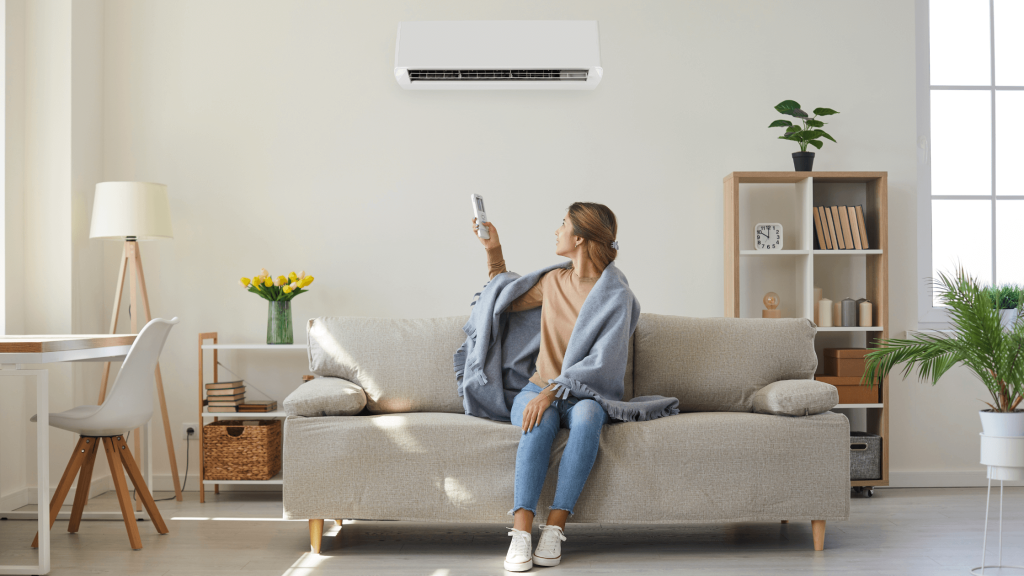
How to Efficiently Heat and Cool your Home As homeowners grapple with fluctuating energy costs and environmental concerns, the quest for the best heating system and air conditioning efficiency is more pressing than ever. Finding a balance between staying cozy in the winter, cool in the summer, and keeping energy bills in check is the new holy grail of home comfort.   This comprehensive guide is tailored for homeowners seeking to upgrade to the most efficient heating system, implement energy-saving heating strategies, and optimize aircon efficiency without compromising comfort. Prepare to unlock the secrets to sustainable heating and cooling, and learn how smart technology can lead to significant savings.  Energy-Efficient Heating Systems: Exploring Your Options Efficiency is the watchword in today’s home heating market. But what makes a heating system “efficient,” and what are the options available to you?  Understanding the Efficiency of Various Heating Systems Let’s begin by deciphering the efficiency ratings. The Annual Fuel Utilization Efficiency (AFUE) measures how well a gas or oil-based heating system converts fuel to heat over a typical year. The higher the AFUE percentage, the more efficient the system. Electric systems, on the other hand, are often rated by the Seasonal Performance Factor (SPF).  Top Choices for the Best Heat System in Your Home 1. Geothermal Heat Pumps: Boasting efficiencies of up to 400%, geothermal systems are the gold standard for sustainable heating. They use the earth’s constant temperature to heat and cool your home. 2. Solar Heating: Solar panels can reduce your home’s reliance on traditional energy sources, offering a clean, renewable solution. 3. Condensing Boilers and Furnaces: With efficiencies that can exceed 90% AFUE, these systems are a significant upgrade over older, conventional models. 4. Heat Pumps: Air-source heat pumps are gaining popularity for their ability to provide efficient heating and cooling in moderate climates. Smart Thermostats: The Key to Energy and Financial Savings Smart thermostats are revolutionizing the way we manage our home’s climate. They are not just programmable; they learn your habits and adjust the temperature accordingly Choosing the Best Smart Thermostats for Your Needs When shopping for a smart thermostat, look for features like geofencing, which adjusts the temperature based on your phone’s location, and compatibility with your home’s existing heating and cooling systems.  Air Conditioning made Efficient: Strategies for Keeping Cool With the right strategies, you can enjoy a comfortable home without the dread of high summer energy bills.  Tips for Efficient Air Conditioning Use 1. Regular Maintenance: Keep your aircon running efficiently with annual servicing. 2. Upgrade to a High-Efficiency Unit: Look for models with a high Seasonal Energy Efficiency Ratio (SEER). 3. Use a Programmable Thermostat: Set it to increase the temperature when you’re not home and cool down before you return.  How to Maintain Aircon Efficiency for Long-Term Savings The key to maintaining aircon efficiency is to prevent leaks, clean filters, and ensure that your home is well insulated to minimize the loss of cool air Conclusion Today’s homeowners have a wealth of options when it comes to energy-saving heating and cooling. From the most efficient heating system that harnesses the earth’s natural warmth to smart thermostats that adjust to your lifestyle, the potential for savings is enormous.   Remember that the best heating system is one that fits your specific needs and is used wisely. Embrace these technologies and strategies to not only reduce your carbon footprint but also to achieve long-term financial savings.  Contact Us Email: contactus@simplegreenenergy.org  Phone: 07762308032  Mobile: 01217078369  Instagram  Facebook  LinkedIn 

How to Elevate your Home’s Energy Efficiency Read More »

Insulation in the UK: A Comprehensive Guide

Insulation in the UK: A Comprehensive Guide Insulation in the UK plays a crucial role in enhancing the energy efficiency of homes and businesses, contributing to both cost savings and environmental sustainability. In a country where heating costs can be a significant part of household expenses, especially during the colder months, proper insulation is essential for maintaining comfortable living conditions and reducing energy consumption. Apply Now What is Insulation in the UK like? At its core, insulation is the process of protecting a building from the external elements by preventing the transfer of heat. In the UK, this typically involves the installation of materials in the walls, floors, loft spaces, and roof to help maintain a consistent temperature within the building. There are various types of insulation used in the UK, including cavity wall insulation, loft insulation, and floor insulation, each designed to address specific challenges related to heat loss. Insulation materials can range from mineral wool and foam boards to more modern options such as spray foam, providing varying levels of efficiency and suitability depending on the structure and location of the property. Why Insulation Matters in the UK The importance of insulation in the UK cannot be overstated. With energy costs continually rising and environmental concerns at the forefront, effective insulation offers a simple yet powerful solution. Proper insulation helps to retain heat in winter and keeps buildings cool during summer, significantly reducing the need for constant heating or cooling. This directly impacts household bills, as less energy is required to maintain a comfortable indoor temperature. In fact, well-insulated homes can see reductions in heating costs of up to 30%, making insulation an investment that pays off over time. Beyond financial savings, insulation plays a vital role in reducing the UK’s carbon footprint. By using less energy, buildings contribute less to the release of greenhouse gases, aligning with the nation’s sustainability goals. Additionally, insulation can improve the overall comfort of a home, reducing drafts and keeping interiors warmer, which benefits health, particularly in older buildings or homes with poor ventilation. In conclusion, insulation is not just a technical improvement; it’s an essential part of creating sustainable, energy-efficient homes and businesses in the UK. As more people recognize the environmental and financial benefits, the demand for high-quality insulation solutions continues to grow. Types of Insulation in the UK Insulation in the UK comes in various forms, each suited to different parts of a building. Choosing the right type of insulation is crucial for maximizing energy efficiency, comfort, and cost savings.   Loft Insulation in the UK Loft insulation is one of the most effective ways to reduce energy loss in homes, especially in the colder months. Heat rises, and a poorly insulated loft space can result in significant warmth being lost, leading to higher heating bills. Loft insulation works by trapping heat within the living spaces below, maintaining a consistent indoor temperature. Installing loft insulation can save homeowners up to 25% on their energy bills, making it one of the most cost-effective insulation options available. Furthermore, it helps to keep the home cooler in summer by reducing heat from the roof. Insulation materials such as mineral wool, cellulose, and fiberglass are commonly used for loft spaces due to their excellent thermal properties.   Cavity Wall Insulation in the UK Cavity wall insulation is particularly useful for homes built with a gap between the two layers of brick in their walls. This space, or “cavity,” can be filled with insulating material to prevent heat from escaping. Without proper insulation, homes can lose a significant amount of heat through the walls, particularly in older properties. Installing cavity wall insulation can reduce heat loss by up to 35%, making homes more energy-efficient and comfortable. The process is relatively quick and non-invasive, and it’s a common solution for improving the thermal performance of homes built in the 20th century. Materials such as polystyrene beads, mineral wool, and polyurethane foam are typically used for cavity wall insulation.   Insulation Grants and Funding in the UK Insulating your home is a key investment in reducing energy costs and improving comfort. However, many people are unsure of the financial support available to help cover the cost of insulation installations. In the UK, there are several government-backed grants and funding schemes designed to make insulation more affordable and accessible, ensuring that homes are energy efficient.   CHECK IF YOU QUALIFY Government Grants for Insulation in the UK Two of the most well-known schemes for insulation funding are the Green Homes Grant (GBIS) and the Energy Company Obligation (ECO) scheme. Green Homes Grant (GBIS): This program was launched to help homeowners make energy-efficient improvements, including loft insulation and cavity wall insulation. Though the Green Homes Grant is no longer open for new applications, some local councils still offer grants for specific improvements under similar programs. Energy Company Obligation (ECO): Under the ECO scheme, energy suppliers are required to help eligible low-income households reduce energy bills by offering grants for insulation and heating improvements. This program is still active and available for those who meet certain criteria.   Eligibility for Insulation Grants in the UK Eligibility for these grants can vary depending on income, location, and the type of home. For both GBIS and ECO, the main determining factors are: Income Level: If you receive certain benefits, such as Universal Credit, Pension Credit, or other forms of financial support, you may be eligible for assistance. Home Type: The condition of your home can impact eligibility. For example, ECO grants focus on households that are particularly vulnerable, such as those with a lower energy rating or homes with solid walls. Council Tax Band: Some grants, especially under the GBIS scheme, were available based on the Council Tax band of the property. Homes in lower Council Tax bands (typically A, B, and C) were more likely to qualify for insulation grants. How to Apply for Insulation in the UK The application process for insulation grants in the UK is straightforward

Insulation in the UK: A Comprehensive Guide Read More »