The Benefits of Energy-Efficient Appliances and How to Choose Them
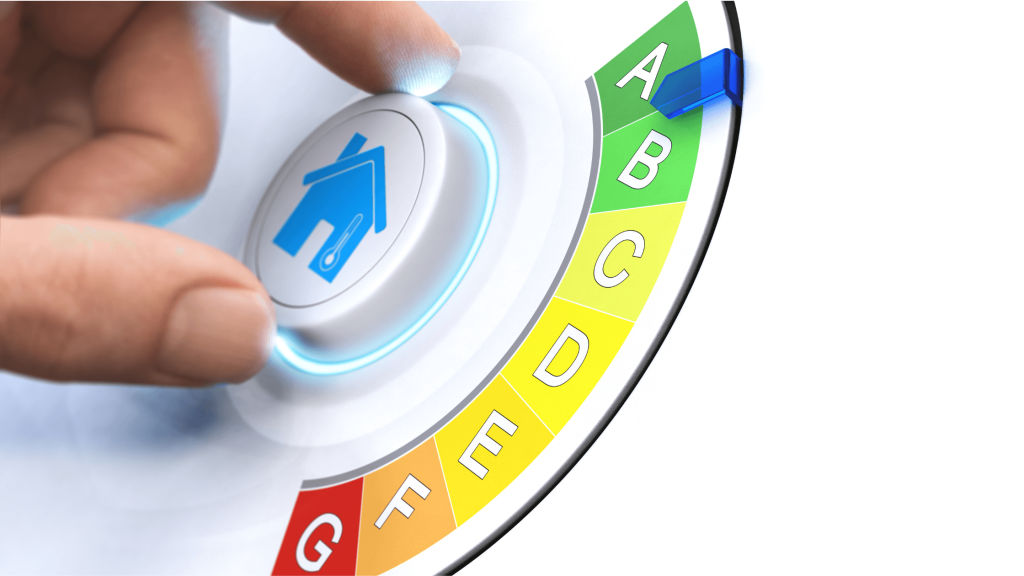
10 Tips to Improve Energy Efficiency in Your Home One of the primary benefits of energy-efficient appliances is the substantial cost savings on your energy bills. These appliances use less electricity and water compared to their conventional counterparts, leading to lower utility bills. For instance, an energy-efficient refrigerator can save you up to £100 annually in electricity costs. Over the lifespan of the appliance, these savings can accumulate significantly. Why Choose Energy-Efficient Appliances? 1. Cost Savings One of the primary benefits of energy-efficient appliances is the substantial cost savings on your energy bills. These appliances use less electricity and water compared to their conventional counterparts, leading to lower utility bills. For instance, an energy-efficient refrigerator can save you up to £100 annually in electricity costs. Over the lifespan of the appliance, these savings can accumulate significantly. 2. Environmental Impact Reducing your energy consumption directly translates to a lower carbon footprint. Energy-efficient appliances emit fewer greenhouse gases, helping combat climate change. By choosing these appliances, you are contributing to a healthier planet for future generations. Simple Green Energy offers a range of appliances that meet the highest environmental standards, ensuring you make a positive impact. 3. Enhanced Performance Energy-efficient appliances are designed with advanced technologies that often outperform traditional models. They operate more efficiently, provide better performance, and have a longer lifespan. For example, energy-efficient washing machines not only use less water and electricity but also offer superior cleaning capabilities, leading to better laundry results. 4. Government Incentives The UK government offers various incentives and rebates to encourage homeowners to switch to energy-efficient appliances. These incentives can significantly offset the initial cost of purchasing new appliances, making it more affordable to upgrade. Check with your local council or visit the Simple Green Energy website for the latest information on available incentives. How to Choose Energy-Efficient Appliances Selecting the right energy-efficient appliances involves considering several key factors. Here are some tips to guide you in making the best choices for your home: 1. Look fir the Energy Label The EU energy label is an essential tool for identifying energy-efficient appliances. This label provides information about the appliance’s energy consumption, performance, and noise levels. Appliances are rated on a scale from A+++ (most efficient) to D (least efficient). Opt for appliances with an A+++ rating to maximize energy savings. 2. Consider the Size and Capacity Choosing the right size and capacity for your appliances is crucial. An oversized appliance will consume more energy than necessary, while an undersized one may not meet your needs. For example, a larger refrigerator will use more electricity, so ensure you select a size that fits your household’s requirements without excess. 3. Check the Features Modern energy-efficient appliances come with a variety of features designed to enhance efficiency and convenience. Look for features such as programmable settings, eco modes, and smart technology. These features can further reduce energy consumption and improve the overall functionality of the appliance. 4. Read Reviews and Ratings Before making a purchase, read customer reviews and ratings to gain insights into the appliance’s performance and reliability. Websites like Simple Green Energy provide detailed product descriptions and customer feedback, helping you make informed decisions. 5. Consider the Total Cost of Ownership While energy-efficient appliances may have a higher upfront cost, it’s essential to consider the total cost of ownership. This includes the initial purchase price, operating costs, and potential maintenance expenses. In many cases, the long-term savings on energy bills will outweigh the initial investment. Top Energy-Efficient Appliances to Consider 1. Energy-Efficient Refrigerators Refrigerators are one of the most energy-intensive appliances in any home. Modern energy-efficient models use advanced insulation and compressor technologies to reduce energy consumption. Look for refrigerators with inverter technology, which adjusts the compressor speed based on cooling demand, leading to significant energy savings. 2. Energy-Efficient Washing Machines Washing machines with high energy efficiency ratings use less water and electricity per cycle. Features such as load sensing, which adjusts water usage based on the load size, and fast spin speeds, which reduce drying time, are beneficial. Additionally, consider models with eco-friendly wash programs that clean effectively at lower temperatures. 3. Energy-Efficient Dishwashers Energy-efficient dishwashers not only save electricity but also conserve water. Look for models with soil sensors, which adjust the wash cycle based on the dirtiness of the dishes, and energy-saving modes that use less water and lower temperatures. Choosing a dishwasher with an energy-efficient drying system can also reduce electricity usage. 4. Energy-Efficient Ovens and Stoves Modern ovens and stoves with high energy efficiency ratings use advanced insulation and heating technologies to cook food faster and more evenly. Induction hobs, for example, are highly efficient as they heat pots directly, reducing energy waste. Look for ovens with features like self-cleaning functions, which use high temperatures to burn off residue, saving energy in the long run. 5. Energy-Efficient Heating and Cooling Systems Heating and cooling systems account for a significant portion of household energy use. Energy-efficient systems, such as heat pumps and high-efficiency boilers, can drastically reduce energy consumption. These systems often come with programmable thermostats and smart controls, allowing you to optimize energy use based on your schedule. 6. Energy-Efficient Water Heaters Water heaters are another major energy consumer. Energy-efficient models, such as tankless water heaters or those with heat pump technology, provide hot water on demand without the need for a large storage tank. This reduces standby energy losses and ensures you only heat the water you need. Additional Tips for Maximizing Energy Efficiency In addition to choosing energy-efficient appliances, there are several other strategies you can employ to further reduce your energy consumption: 1. Regular Maintenance Keeping your appliances well-maintained ensures they operate at peak efficiency. Clean filters, coils, and vents regularly to prevent dust and debris buildup, which can hinder performance. Simple Green Energy offers maintenance services to help keep your appliances in top
The Benefits of Energy-Efficient Appliances and How to Choose Them Read More »