BLOGS
Welcome to the Simple Green Energy Blog , your trusted place for easy energy tips, home insulation advice, and updates on free government energy grants.
We share simple guides on loft and cavity wall insulation, ways to lower your energy bills, and ideas for living a greener life.
Our posts help you save money, stay warm, and understand how renewable energy can benefit your home.
Stay updated, save energy, and make your home eco-friendly with Simple Green Energy.
Start reading now and power your savings!
From Drafty to Dreamy: Your Energy Hub
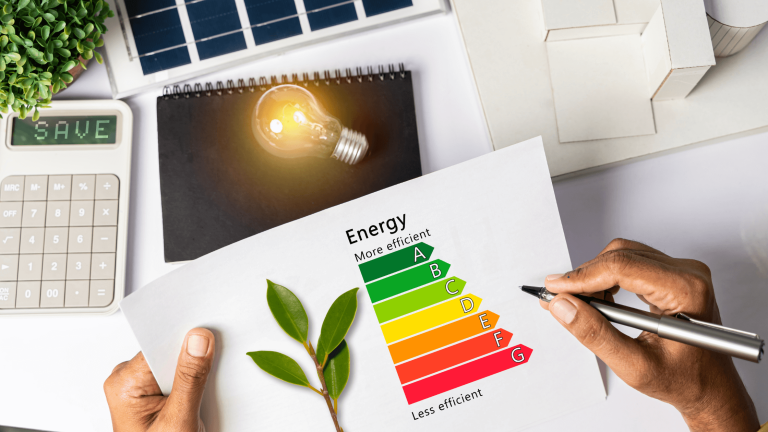
ECO4 Scheme Guide: How to Get Free Boiler and Heating Upgrades Before 2026 Deadline Add Your Heading Text Here Are you dreading another winter of sky-high energy bills? Watching your hard-earned money disappear into heating an inefficient home? You’re not alone. Thousands of UK households are struggling with outdated heating systems and rising costs. But here’s the good news: the government’s ECO4 scheme could transform your home completely free of charge. With £4 billion in funding available until March 2026, eligible households can receive free boiler replacements, insulation upgrades, heat pumps, and even solar panels. The clock is ticking on this opportunity, and understanding your ECO4 scheme eligibility 2025 status could save you thousands of pounds while making your home warmer and more efficient. Let’s explore how you can benefit before it’s too late. Quick Facts: What You Need to Know The ECO4 scheme offers £4 billion in government funding until March 2026 Eligible households receive 100% free upgrades with no repayment required Covers free boiler replacement UK, insulation, heat pumps, and solar panels Low-income households and those receiving certain benefits qualify Average savings: £500-800 annually on energy bills Explore More ECO4 Scheme The Energy Company Obligation scheme (ECO4) represents the UK government’s commitment to tackling fuel poverty and reducing carbon emissions. Launched to help vulnerable households, this initiative requires larger energy companies to fund energy-efficiency improvements in homes across the country. Unlike loans or subsidies, ECO4 grants provide completely free installations with no repayment necessary. The scheme specifically targets homes with poor energy efficiency ratings (EPC D-G) and households receiving qualifying benefits. From replacing ancient boilers to installing cutting-edge heat pumps, the programme covers a comprehensive range of measures designed to slash your energy bills and keep your home warm throughout winter. According to the official government consultation, the scheme aims to improve energy efficiency for over 500,000 homes before the March 2026 deadline. The urgency is real once the funding runs out, there’s no guarantee of extension. Am I Eligible? ECO4 Scheme Eligibility 2025 Checker Understanding your ECO4 scheme eligibility 2025 status is straightforward. The programme uses two main criteria: your household income and your property’s current energy efficiency. Income-Based Eligibility You automatically qualify if you or anyone in your household receives any of these benefits: Universal Credit Pension Credit (Guarantee or Savings Credit) Income Support Job Seekers Allowance (income-based) Employment and Support Allowance (income-related) Working Tax Credit Child Tax Credit Child Benefit (for households with a combined income under £31,000) Disability Living Allowance Personal Independence Payment Attendance Allowance Carer’s Allowance Industrial Injuries Disablement Benefit Even if you’re not receiving benefits, you might still qualify through the flexible eligibility route if your annual household income is below £31,000 and you live in a property with poor energy efficiency. Property-Based Requirements Your home must have an Energy Performance Certificate (EPC) rating of D, E, F, or G to qualify for most measures. Properties with higher ratings may still qualify for specific upgrades depending on circumstances. Both homeowners and private tenants can apply, though tenants need landlord permission for major installations. The ECO4 official website provides detailed guidance on checking your specific eligibility status and understanding which measures your property qualifies for. What Free Upgrades Can You Get? Available ECO4 Measures Government-backed upgrades to cut bills and carbon — tailored to your home. Free Boiler Replacement UK If your boiler is 15 years or older, you may qualify for a new A-rated condensing boiler. Modern systems convert up to 90% of fuel into usable heat — older models only 60–70%. Households save £300–£500 yearly after a boiler grant installation. Check eligibility Heat Pump Installation Air or ground-source systems provide efficient, low-carbon heating and hot water. Reduce heating costs by up to 40% compared with old oil or electric systems. Learn more Insulation Upgrades Cavity wall — trap heat between walls Loft insulation — stop warmth escaping through your roof Solid wall — internal or external insulation Explore options Solar Panels & Additional Smart heating controls Room-in-roof insulation Energy-efficient glazing Park home insulation See details Free Boiler Replacement UK If your boiler is 15 years or older, you’re likely eligible for a brand-new A-rated condensing boiler. These modern systems are dramatically more efficient than older models, converting up to 90% of fuel into usable heat compared to just 60-70% for outdated boilers. The difference shows immediately in your bills. Households typically save £300-500 annually after a boiler grant installation. That’s money back in your pocket every single year, and with a new boiler lasting 10-15 years, the lifetime savings are substantial. Heat Pump Installation For homes suitable for renewable heating, ECO4 covers air source or ground source heat pump installations. These systems extract heat from the air or ground, providing efficient, low-carbon heating and hot water. While heat pumps work differently from traditional boilers, they can reduce heating costs by up to 40% compared to old oil or electric systems. Insulation Upgrades Poor insulation is like heating the outdoors—your warmth simply escapes through walls, roofs, and floors. ECO4 covers: Cavity wall insulation: Filling the gap between exterior and interior walls to trap heat Loft insulation: Preventing heat loss through your roof (the biggest source of heat escape) Solid wall insulation: For properties without cavity walls, external or internal wall insulation Solar Panels and Additional Measures Through the solar panels grant programme, eligible households can receive free solar PV installations, generating electricity and reducing bills further. The scheme also covers: Smart heating controls and thermostats Room-in-roof insulation Energy-efficient glazing Park home insulation Step-by-Step Application Process Getting your free upgrades through the ECO4 scheme eligibility 2025 programme is simpler than you might think: Check Your Eligibility: Verify you meet the income and property requirements using online checkers or contacting approved installers like Simple Green Energy. Contact an Approved Installer: Work with a certified ECO4 installer who can handle the entire process. They’ll verify your eligibility and explain which measures your home qualifies for. Schedule Your Free Assessment: A qualified surveyor visits your property to assess
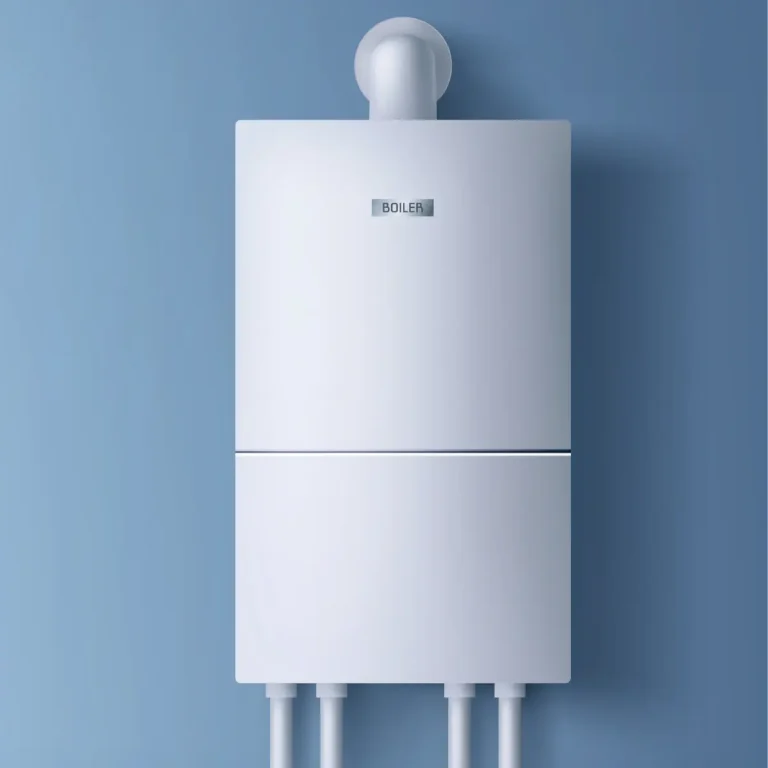
Choosing the Right Boiler for Your Home Choosing the right boiler can improve your home’s comfort, lower energy bills, and reduce carbon emissions. In the UK, the main types are Combi, System, Regular, and Electric boilers, each offering unique benefits depending on your property size, water usage, and heating demand. Which Boiler Is Best for My Home? The best boiler for your home depends on your property size, hot water usage, and available space: Combi boilers are ideal for small to medium homes needing instant hot water. System boilers suit larger homes with multiple bathrooms. Regular boilers fit traditional properties with existing tanks. Electric boilers are perfect for flats or off-gas properties seeking low-emission heating. Understanding the 4 Common Boiler Types Combi Boilers Combi, or “combination” boilers, are the most popular choice across the UK. They provide heating and hot water directly from one compact unit, removing the need for a separate water cylinder or loft tank.Water is heated directly from the mains, ensuring instant hot water on demand, no waiting, no stored water. Key Benefits: Space-saving design, no tanks or cylinders Instant, unlimited hot water Lower installation and maintenance costs High efficiency with reduced heat loss Ideal for properties with limited space Consider if: You live in a smaller home, flat, or bungalow with one bathroom and value simplicity and savings. Advantages Space-Saving Design Instant Hot Water Lower Installation Costs Minimal Pipework Energy Efficient Mains Water Pressure System Boilers Best for: Medium to large homes with multiple bathroomsFuel type: Gas System boilers use a separate hot water cylinder to deliver strong water pressure across multiple taps or showers. They don’t need a loft tank since they take water directly from the mains—offering powerful, consistent flow. Advantages: Ideal for homes with several bathrooms Consistent water pressure across outlets No loft tank required – saves attic space Compatible with solar water heating systems Easier installation than traditional boilers Consider if: You have a busy household where multiple people use hot water simultaneously or you plan to integrate renewable energy in future. Ideal for Multiple BathroomsSystem boilers can supply hot water to several taps or showers at the same time, making them perfect for homes with multiple bathrooms and higher hot water demands. No Cold Water Tank RequiredAs they take water directly from the mains, there’s no need for a loft-based cold water tank, saving space, and simplifying installation. Strong and Consistent Water PressureSystem boilers provide a steady flow of hot water at mains pressure, ensuring powerful showers and reliable performance throughout the home. In addition to meeting high hot water demand, system boilers are known for their compatibility with solar thermal systems, offering the potential for increased energy efficiency. The internal pump and expansion vessel are built into the unit, reducing the need for external components and making installation simpler than regular boilers. While they do require more space than a combi boiler due to the cylinder, they offer an excellent balance between performance, pressure, and efficiency, especially in homes where multiple users require hot water at the same time. Regular Boilers (Conventional/Heat-Only Boilers) Best for: Larger or older homes with existing tanks and pipeworkFuel type: Gas or oil Also known as conventional boilers, these are the classic systems many UK homes still use. They rely on both a hot water cylinder (usually in an airing cupboard) and a cold-water tank (often in the loft). They’re excellent for homes with low mains pressure or multiple hot water outlets, supplying steady performance without loss of pressure. Consider if: Your home already uses a tank-based system or has traditional plumbing that would make switching costly. Pros: Ideal for homes with low water pressure Can supply hot water to multiple outlets at once Compatible with solar water heating systems Suitable for larger homes with high hot water demand Works well with older central heating systems Cons: Requires the most space (loft and airing cupboard) Slower hot water delivery (pre-heating required) Hot water is limited to the cylinder capacity More complex installation compared to combi boilers Less energy-efficient due to heat loss from the cylinder Electric Boilers Best for: Homes off the gas grid or eco-conscious householdsFuel type: Electricity Electric boilers are an increasingly popular alternative to gas or oil systems. They heat water using electricity, no combustion, no emissions, no flue.Their quiet operation and compact design make them perfect for apartments, new builds, or eco homes aiming to reduce their carbon footprint. Advantages: Zero emissions at the point of use Compact, quiet, and low-maintenance No flue or gas supply required 99–100% efficient energy conversion Limitations: Higher running costs due to electricity rates Best suited to smaller or well-insulated homes Consider if: You want a clean, low-maintenance, all-electric heating option, especially if you plan to pair it with solar panels or smart thermostats. Their heating capacity is typically lower, which can be a limitation in larger homes with high hot water demand. Additionally, electricity is generally more expensive than gas, so running costs can be higher if the system is used extensively. When installed in well-insulated homes or paired with renewable sources like solar panels, electric boilers offer a smart and sustainable heating solution. They’re ideal for those seeking a low-maintenance, zero-emissions system that supports the UK’s transition to cleaner energy. No Gas Supply Needed Compact and Space-Saving Zero Emissions at Point of Use Quiet Operation High Efficiency Minimal Maintenance Recent blogs
Hidden Benefits of Home Insulation Benefits: Save Money & Stay Cozy Year-Round Home Insulation Benefits When it comes to making your home more energy-efficient, home insulation benefits are often overlooked. Many homeowners focus on upgrading heating systems or installing solar panels, but without proper insulation, much of that energy, and your money, is wasted. Insulating your home not only helps in reducing heating bills but also provides year-round comfort, environmental benefits, and even increases property value. If you’re a homeowner aged 30-65 looking to save money while improving your home’s comfort, this guide is for you. Click here Why home insulation benefits are essential? Proper insulation acts as a protective barrier, regulating indoor temperatures regardless of external weather conditions. With rising energy costs, insulating your home can significantly cut expenses while making your living space more comfortable. According to Energy Saving Trust, a well-insulated home can save up to £580 per year on energy bills. 1. Significant Savings on Energy Bills One of the biggest home insulation benefits is the reduction in energy bills. Insulation minimizes heat loss during winter and prevents excess heat from entering during summer. Here’s how different types of insulation help in saving money: Loft Insulation: Prevents up to 25% of heat loss through the roof. Cavity Wall Insulation: Cuts heat loss through walls by nearly 35%. Floor Insulation: Reduces drafts and improves energy efficiency. Simple Green Energy offers government-backed insulation grants that can cover or significantly reduce the cost of installing insulation in your home. 2. Enhanced Home Comfort Year-Round No one enjoys a home that’s too cold in winter or too hot in summer. Insulation improves more than just energy efficiency,it helps maintain a comfortable, consistent indoor climate year-round. In Winter:Insulation traps heat inside, reducing the need for excessive heating and lowering energy bills. It keeps your home warm and cozy, even on the coldest days. In Summer:Insulation blocks external heat from entering, helping rooms stay cooler and decreasing the need for air conditioning. This results in greater comfort and reduced electricity use. By minimizing temperature fluctuations, insulation reduces strain on heating and cooling systems, extends their lifespan, and cuts energy costs. Whether it’s keeping the warmth in or the heat out, insulation plays a vital role in creating a more livable and energy-smart home in every season. 3. Increased Property Value Energy-efficient homes are becoming more appealing to buyers in today’s market. According to Rightmove, properties with better insulation and improved Energy Performance Certificate (EPC) ratings tend to sell faster and command higher prices compared to homes that are poorly insulated. This increased demand reflects growing buyer awareness about the benefits of energy efficiency, such as lower utility bills and greater comfort. Investing in proper insulation not only reduces heating and cooling costs but also enhances the overall value of your property. If you plan to sell your home in the future, upgrading its insulation can be a wise financial decision. It makes your property more attractive to environmentally conscious buyers and those looking to save money on energy. Ultimately, good insulation is not just an investment in comfort and savings but also a strategic step to increase your home’s resale potential. 4. Reduced Carbon Footprint Insulating your home is an eco-friendly choice that helps reduce energy consumption and lower carbon emissions. As the UK government aims for net-zero emissions by 2050, improving home insulation plays a crucial role in achieving this target. Well-insulated homes require less energy for heating and cooling, which means burning fewer fossil fuels and emitting less CO2 into the atmosphere. This not only benefits the environment but also supports national efforts to combat climate change. By investing in insulation, homeowners contribute to a more sustainable future while enjoying lower energy bills and increased comfort. Ultimately, upgrading your home’s insulation is a practical way to reduce your carbon footprint and align with the UK’s ambitious environmental goals. 5. Government Grants for Insulation Many homeowners don’t realize they may qualify for free insulation grants through government schemes like ECO4 and the Great British Insulation Scheme. These programs are designed to help make homes more energy-efficient by funding insulation upgrades, especially for those on low incomes or with older properties. Simple Green Energy offers support by helping homeowners check their eligibility and navigate the application process to secure this funding. Taking advantage of these grants can significantly reduce the cost of improving your home’s insulation, making it easier and more affordable to lower energy bills and boost comfort. If you’re considering upgrading your home’s insulation, it’s worth exploring the available schemes and seeing if you qualify. Learn more about these grants and how Simple Green Energy can assist you in making your home greener and more energy-efficient. So what are you waiting for? If you’re interested in improving your home’s insulation but worried about costs, Simple Green Energy can help. Our company specializes in securing government grants for homeowners, ensuring that you receive insulation upgrades for free or at a reduced cost. Check your eligibility for insulation grants here.