Home Efficiency with the Great British Insulation Scheme
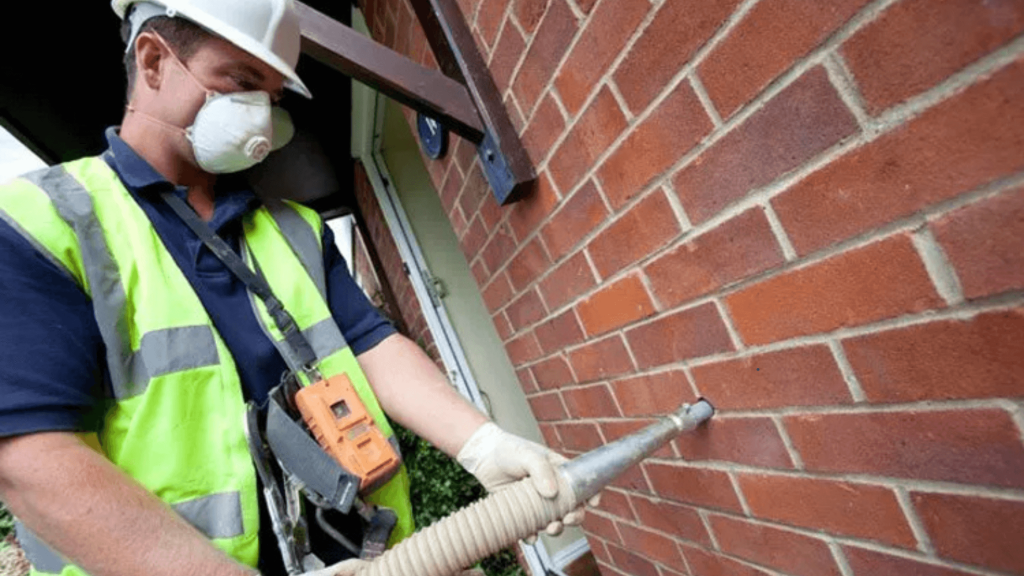
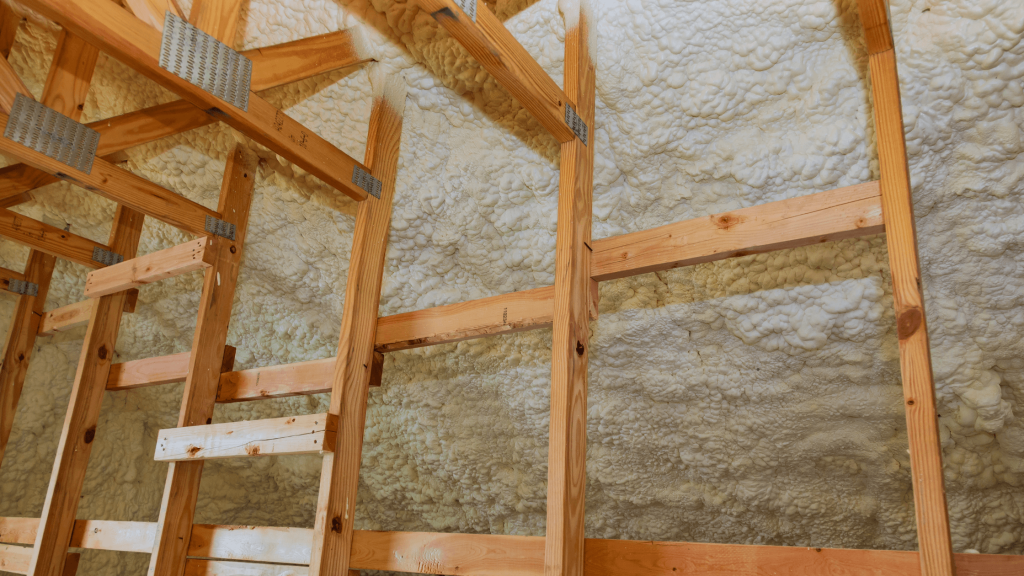
Home Efficiency: Great British Insulation Scheme? Home Efficiency: Great British Insulation Scheme? In today’s world, where rising energy costs and environmental concerns are at the forefront, improving home efficiency has become more crucial than ever. Home efficiency refers to how well a home conserves energy, maintains comfort, and minimizes energy waste. It involves taking steps to reduce heat loss, control energy usage, and create a sustainable living environment. Achieving home efficiency isn’t just beneficial for homeowners financially but also plays a significant role in reducing the carbon footprint and contributing to the fight against climate change. CHECK IF YOU QUALIFY One of the most effective ways to enhance home efficiency in the UK is through energy-saving schemes such as the Great British Insulation Scheme (GBIS). Launched by the government, the GBIS aims to provide homeowners with opportunities to improve the insulation of their properties, reducing the amount of energy lost and decreasing heating costs. In addition to cavity wall and loft insulation, the scheme also addresses the need for proper ventilation, which can further improve the overall energy performance of a home. This is especially important as the need for energy-efficient homes has grown in response to the rising energy prices and the increasing urgency to meet carbon reduction targets. For homeowners, improving efficiency through initiatives like the GBIS can be incredibly beneficial. Not only does it lead to lower utility bills, but it also creates a more comfortable living space, reducing the need for excessive heating or cooling. Furthermore, it can increase the value of a property by making it more energy-efficient and environmentally friendly. As a result, homeowners can enjoy long-term savings and a more sustainable lifestyle, all while contributing to the nation’s broader energy and environmental goals. By understanding the importance of home efficiency and the opportunities available through programs like the GBIS, homeowners can take meaningful steps towards creating a more energy-efficient and sustainable home. Understanding the Great British Insulation Scheme (GBIS) The Great British Insulation Scheme (GBIS) is a government initiative aimed at helping homeowners across England and Wales improve the energy efficiency of their homes. With rising energy costs and a growing need to reduce carbon footprints, the GBIS plays a significant role in providing support to homeowners who may otherwise find it difficult to afford the necessary upgrades to make their homes more energy-efficient. By offering financial assistance for insulation and energy-saving measures, the scheme creates opportunities for homeowners to reduce their energy consumption, lower heating costs, and improve the overall comfort of their homes. What is the GBIS? The GBIS is designed to tackle some of the most common energy efficiency issues in UK homes, particularly around heat loss. Through the scheme, eligible households can receive support to upgrade their insulation, including cavity wall and loft insulation, as well as ventilation improvements. By addressing these areas, the GBIS helps to prevent heat from escaping, making it easier to keep homes warm without relying on high-energy heating systems. In addition to lowering energy bills, the scheme helps to reduce the environmental impact of homes by cutting down on unnecessary energy use, bringing the UK closer to its carbon reduction targets. The support offered by the GBIS ensures that these energy-saving measures are accessible, particularly to those who may need it the most. GBIS Eligibility Criteria To benefit from the GBIS, homeowners must meet certain eligibility requirements, which are primarily based on factors such as income, health, and council tax bands. For many, the scheme is particularly beneficial because it targets low-income households or those who face health challenges that make living in poorly insulated homes harder. Criteria can also include whether the household is in receipt of certain benefits or resides in a property with a specific council tax band. These eligibility guidelines ensure that the scheme is aimed at the most vulnerable, giving them access to crucial improvements that might otherwise be out of reach. Key Features of the GBIS Scheme The GBIS provides several home improvements that focus on increasing home efficiency. Among the most common measures are cavity wall and loft insulation, which are designed to significantly reduce heat loss. Proper insulation in these areas can make a dramatic difference in the warmth and comfort of a home, without needing to rely on high-energy heating solutions. Another important feature of the scheme is the inclusion of ventilation improvements. Installing systems such as trickle vents and extract fans not only helps with air circulation but also prevents issues like damp and condensation, which can make a home uncomfortable and unhealthy. By addressing these areas, the GBIS supports homeowners in creating more energy-efficient, comfortable, and sustainable living spaces. How the GBIS Improves Home Efficiency The Great British Insulation Scheme (GBIS) offers homeowners an opportunity to improve their home through a range of measures. By targeting areas where energy is most often wasted, the GBIS not only helps reduce energy consumption but also leads to both immediate and long-term benefits for homeowners. These measures contribute to more comfortable living spaces, lower energy costs, and a more sustainable future. Reducing Heat Loss One of the most significant ways the GBIS improves home efficiency is by reducing heat loss through cavity wall and loft insulation. Homes, especially older properties, are often prone to losing heat through poorly insulated walls and roofs. Without proper insulation, warm air escapes, making it necessary to rely on heating systems to maintain a comfortable temperature. By adding loft insulation and cavity wall insulation, the GBIS addresses these issues directly. Loft insulation prevents heat from escaping through the roof, while cavity wall insulation fills the gaps in the walls, ensuring that warmth remains inside. These measures drastically reduce the amount of energy required to heat a home, lowering both heating costs and overall energy consumption. As a result, homeowners can enjoy warmer homes with reduced reliance on heating systems, leading to significant long-term savings on energy bills. Enhancing Comfort and
Home Efficiency with the Great British Insulation Scheme Read More »