



Warm Homes Plan UK: Warmer homes, lower bills, fewer cold rooms
Energy bills are still one of the biggest pressure points for UK households. From 1 July to 30 September 2026, Ofgem’s price cap is £1,862 per year for a typical dual-fuel household paying by Direct Debit, a 13% rise compared with the previous cap period.
That is exactly why the Warm Homes Plan matters.
Instead of simply helping people pay higher bills, the plan focuses on the bigger problem: homes that leak heat, rely on expensive heating, or need upgrades families cannot afford upfront.
The UK Government says the Warm Homes Plan will invest £15 billion to upgrade up to 5 million homes and help lift up to one million families out of fuel poverty by 2030.

Quick answer: What is the Warm Homes Plan UK?
The Warm Homes Plan UK is a government-backed home upgrade programme designed to lower energy bills, improve insulation, support low-carbon heating and reduce fuel poverty. The UK Government says the plan will deliver £15 billion of public investment, upgrade up to 5 million homes, and help lift up to 1 million families out of fuel poverty by 2030.
For households, that could mean help with insulation, heat pumps, solar panels, batteries, smart controls and draught-proofing.
g brand for every UK property. Premium brands such as Mitsubishi Electric, Daikin, Panasonic, Fujitsu and Toshiba are often chosen for reliability, efficiency, quiet operation and strong domestic or commercial ranges. LG, Samsung, Midea, Hitachi and Worcester Bosch may also suit certain budgets, homes, flats, offices and light commercial spaces. The right choice should be confirmed through a proper site survey, room sizing and cooling/heating load assessment.
Table of Contents
ToggleWhy the Warm Homes Plan matters now
Energy bills are still a major concern for UK households.
From 1 July to 30 September 2026, Ofgem’s energy price cap is £1,862 per year for a typical dual-fuel household paying by Direct Debit in England, Scotland and Wales. That is a 13% increase compared with the previous price cap period.
The Warm Homes Plan is not just another energy policy. It is about fixing the reason many homes are expensive to run in the first place: poor insulation, inefficient heating, heat loss and outdated building standards.
A warmer home uses less energy. Less wasted energy means lower bills, better comfort and fewer cold rooms in winter.
What upgrades are covered by the Warm Homes Plan?
The Warm Homes Plan supports a wide range of home energy improvements, including:
| Upgrade | What it does |
|---|---|
| Loft insulation | Helps stop heat escaping through the roof |
| Cavity wall insulation | Reduces heat loss through external walls |
| Solid wall insulation | Improves older homes with harder-to-treat walls |
| Underfloor insulation | Helps reduce cold floors and draughts |
| Air source heat pumps | Replaces fossil-fuel heating with low-carbon heating |
| Solar panels | Generates electricity from sunlight |
| Battery storage | Stores solar electricity for later use |
| Smart heating controls | Helps households manage heating more efficiently |
| Draught-proofing | Cuts heat loss around gaps, doors and windows |
The Government says the plan includes grants and loans to help households install heat pumps, solar panels and batteries, plus targeted support for low-income homes and new rules for landlords.
Warm Homes: Local Grant — who qualifies?
The Warm Homes: Local Grant is one of the most important parts of the Warm Homes Plan for low-income households in England.
You may be eligible if your home:
- Is in England
- Is privately owned, either by you or your landlord
- Has an EPC rating of D, E, F or G
- Has a household income usually of £36,000 a year or less
You may still qualify if your income is higher than £36,000, depending on your postcode or whether someone in your household receives certain benefits.
The grant can help pay for energy-saving improvements such as insulation, low-carbon heating, solar panels and smart controls. The work is usually arranged through your local authority or its approved delivery partner.
Can you get free insulation through the Warm Homes Plan?
Yes, some eligible households can get insulation fully funded through the Warm Homes: Local Grant.
This usually applies to low-income households living in privately owned homes with poor energy efficiency. If approved, your council or scheme provider will arrange a home survey and recommend suitable upgrades.
Common funded insulation measures may include:
- Loft insulation
- Cavity wall insulation
- Solid wall insulation
- Underfloor insulation
- Draught-proofing
Not every home will receive the same package. The final upgrades depend on your property, EPC rating, heating system, local council funding and survey results.
Does the Warm Homes Plan include heat pump grants?
Yes. Heat pumps are supported through the wider Warm Homes Plan and through the Boiler Upgrade Scheme in England and Wales.
The Boiler Upgrade Scheme helps reduce the upfront cost of installing low-carbon heating. Ofgem says the scheme is open in England and Wales and is installer-led, meaning an MCS-certified installer applies for and redeems the voucher on behalf of the property owner.
Current Boiler Upgrade Scheme grants include:
| Technology | Grant support |
|---|---|
| Air source heat pump | Up to £7,500 |
| Ground source heat pump | Up to £7,500 |
| Water source heat pump | Up to £7,500 |
| Biomass boiler | Up to £5,000 |
Ofgem’s property owner guidance was last updated in July 2026, so households should always check the latest rules before applying.
Does the Warm Homes Plan include solar panels?
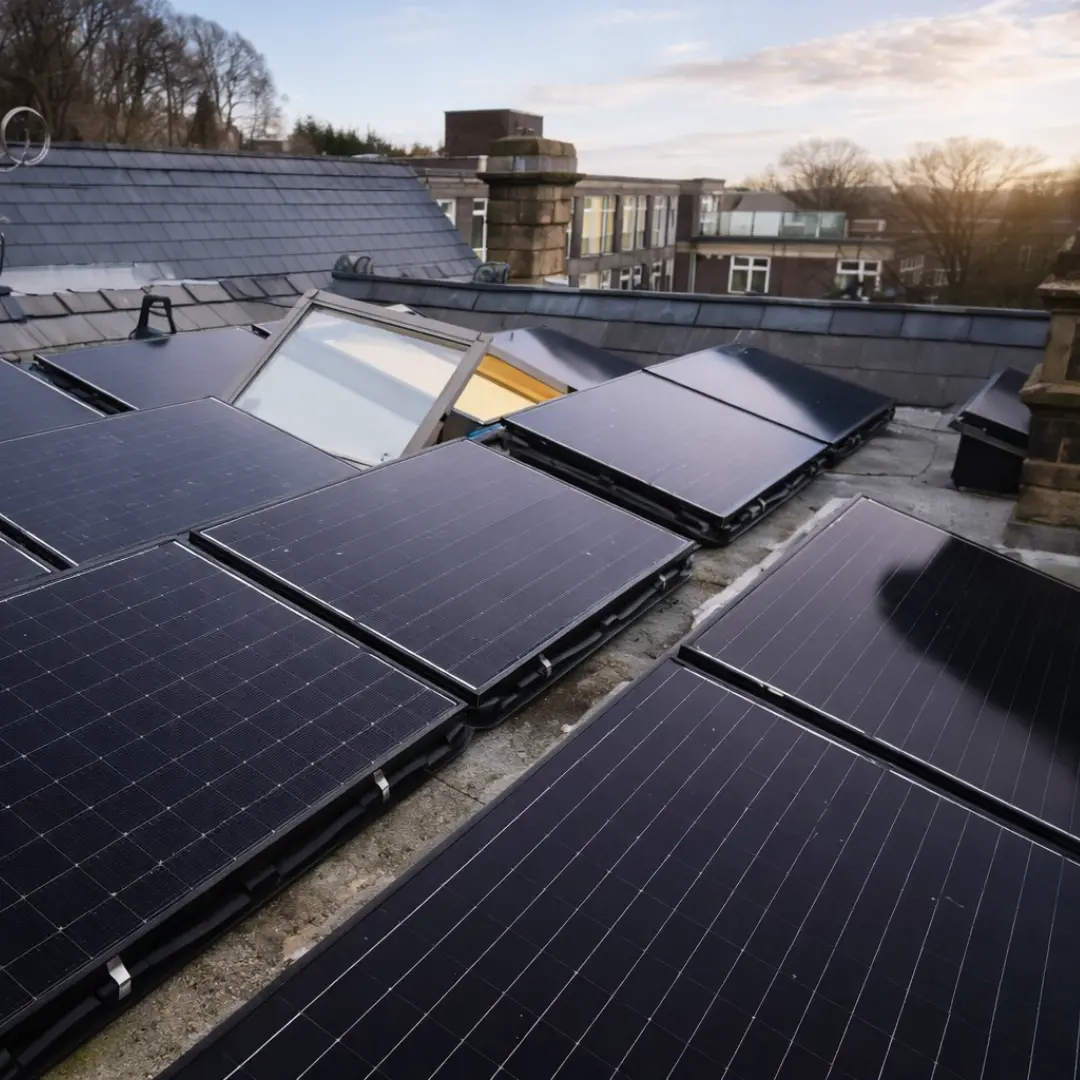
Yes. Solar panels are included in the Warm Homes Plan and may be available through local grant delivery where the property is suitable.
Solar panels can help households reduce electricity bills by generating power during the day. When paired with battery storage, more of that electricity can be used later, including in the evening.
This is especially useful for households with higher daytime energy use, electric heating, heat pumps or smart tariffs.
What does the Warm Homes Plan mean for renters?
Renters are a key part of the Warm Homes Plan.
The Government says the plan includes new rules to ensure landlords invest in upgrades that cut bills for renters and social tenants.
This matters because renters often cannot choose whether their home has proper insulation, efficient heating or modern energy controls. Better minimum standards should mean fewer cold, inefficient rental homes over time.
For private tenants, the Warm Homes Plan could lead to:
- Better insulation
- More efficient heating
- Lower energy waste
- Improved EPC ratings
- Stronger landlord responsibility
If you rent privately and think your home may qualify, you can still check eligibility. Your landlord may need to give permission before work goes ahead.
How much money could the Warm Homes Plan save households?
Savings vary by home, energy use, upgrade type and fuel prices.
A poorly insulated home may see the biggest benefit from insulation. A suitable home with solar panels and a battery may reduce electricity costs. A home switching from oil, LPG or old electric heating to a heat pump may also benefit, especially if the system is installed and used correctly.
The key point: the Warm Homes Plan is designed to reduce long-term energy waste, not just provide short-term bill support.
How to apply for Warm Homes Plan support
The best starting point is the official Warm Homes: Local Grant application route on GOV.UK.
Before applying, it helps to have:
- Your address
- Your household income details
- Your EPC rating, if you know it
- Benefits information, if relevant
- Your landlord’s details, if you rent privately
If you qualify, your local authority or its approved partner should guide you through the next steps, including a property survey.
Warm Homes Plan vs Boiler Upgrade Scheme: what is the difference?
| Scheme | Best for | What it can support |
|---|---|---|
| Warm Homes Plan | Overall UK home upgrade strategy | Grants, loans, landlord rules, insulation, heat pumps, solar, batteries |
| Warm Homes: Local Grant | Low-income households in England | Insulation, low-carbon heating, solar panels, smart controls |
| Boiler Upgrade Scheme | Homeowners and property owners in England and Wales | Heat pumps and biomass boilers |
The Warm Homes Plan is the umbrella strategy. The Warm Homes: Local Grant and Boiler Upgrade Scheme are practical routes households may use to access support.
Is the Warm Homes Plan enough?
The Warm Homes Plan is a major step, but delivery will be the real test.
The Climate Change Committee says the Warm Homes Plan aims for 450,000 heat pump installations per year by 2030, including around 250,000 retrofit installations. It also notes that installation rates will need to grow significantly to meet emissions targets.
That means success depends on more than funding. The UK will also need enough trained installers, clear consumer advice, trusted local delivery and simple applications.
Frequently asked questions (FAQs)
Simple answers to common questions about the Warm Homes Plan UK, including grants, eligibility, heat pumps, solar panels, rented homes and home energy efficiency upgrades. Speak to Simple Green Energy.
Need help checking eligibility?
Speak with Simple Green Energy about Warm Homes Plan support, home energy upgrades, low-carbon heating, solar panel options and grant eligibility routes.
Get Warm Homes adviceFinal takeaway
The Warm Homes Plan UK is one of the biggest home energy upgrade programmes in the country.
For eligible households, it could mean funded insulation, better heating, solar panels, smart controls and a warmer home with lower running costs. For renters, it could mean stronger standards and fewer inefficient properties. For homeowners, it offers a clearer route into low-carbon upgrades without paying every cost upfront.
The most important step is simple: check your eligibility early. Funding, local delivery and property suitability will decide what support you can actually get.
A warm home should not be a luxury. The Warm Homes Plan is designed to make it easier for more households to afford one.