



Top 10 EV Charger Brands in the United Kingdom
Choosing from the top 10 EV charger brands in the United Kingdom matters because EV chargers differ in price, design, app control, smart tariff features, solar PV compatibility, cable type, warranty, load balancing and suitability for home or business use. The right charger depends on your property type, vehicle, parking arrangement, electrical supply, Wi-Fi or mobile signal, solar PV plans and budget. For UK homeowners, landlords, renters, flat owners, workplaces and fleet operators, Simple Green Energy Ltd can help compare suitable charger options, arrange a survey and provide a tailored EV charger installation quote.
Get your free EV charger quote
Secure, GDPR-protected EV charger enquiry.
Find your property
No spam. No third-party sharing.
Choose your EV charger brand
Contact details
Your details stay private and protected.
Thank you
Your request has been received. Our team will contact you shortly.
Quick Answer: What Are the Best EV Charger Brands in the UK?
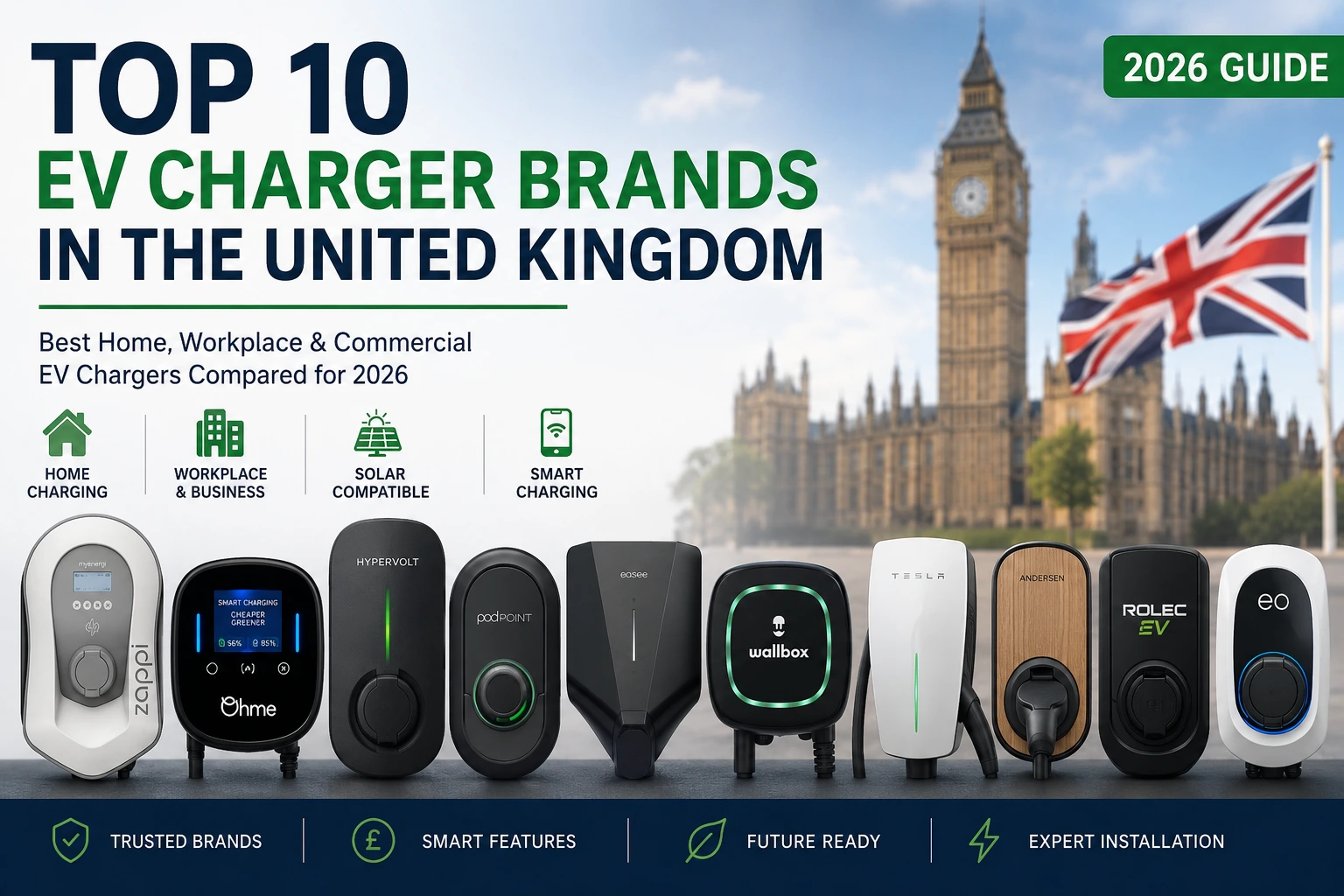
Direct answer: Popular UK EV charger brands include myenergi Zappi, Ohme, Hypervolt, Pod Point, Easee, Wallbox, Tesla Wall Connector, Andersen, Rolec and EO. Zappi is often chosen for solar integration, Ohme for smart tariff-led charging, Hypervolt for design and app features, Pod Point for brand recognition, and Rolec or EO for commercial and fleet charging.
Table of Contents
ToggleEV Charger Brands vs Public Charging Networks vs Installers
This list is not a claim that one company is the “best” in every situation. It is a balanced comparison of air conditioning companies worth researching if you are comparing AC installers UK-wide or locally.
For any air conditioning installation, customers should check:
- F-Gas certification and engineer qualifications
- Refcom registration where relevant
- Domestic and commercial installation experience
- UK coverage or strong regional presence
- Product range and manufacturer options
- Split, multi-split, cassette, ducted and VRF/VRV capability
- Survey and design process
- Quality of pipework, trunking and outdoor unit placement
- Electrical work and commissioning standards
- Air conditioning maintenance, servicing and repairs
- Customer reviews and reputation
- Clear written quotations
- Warranty and aftercare terms
- Heating and cooling performance
- Suitability for homes, offices, retail, hospitality, healthcare, education, warehouses, places of worship and commercial premises
GOV.UK states that people working on stationary refrigeration, air conditioning and heat pump systems must hold the relevant qualifications for activities such as installation, servicing, leak checking, gas recovery and decommissioning. GOV.UK also says companies, including sole traders, must be certified by an approved body to service stationary equipment containing F-Gas operated by others. Refcom provides a registered company search so customers can check whether a company is listed.
Table 1: Top 10 EV Charger Brands in the UK
| Rank | EV Charger Brand | Best For | Popular Charger Type | Key Features | Things to Consider |
|---|---|---|---|---|---|
| 1 | myenergi Zappi | Solar PV homeowners | 7kW / 22kW tethered or untethered | Eco modes, solar surplus charging, app control | Higher demand for correct CT setup |
| 2 | Ohme | Off-peak tariff users | 7.4kW tethered or untethered | Smart tariff integration, app scheduling, 4G | Solar setup depends on model and configuration |
| 3 | Hypervolt | Modern homes | 7kW tethered | App control, solar modes, automatic load management | Mainly home-focused |
| 4 | Pod Point | Recognised all-rounder | 7kW home and workplace chargers | App control, home and business options | Check model features and tariff compatibility |
| 5 | Easee | Compact smart installs | Compact untethered | Load balancing, app control, flexible setup | Verify current UK compliance and installer guidance |
| 6 | Wallbox | Smart homes and businesses | Pulsar-style compact chargers | App control, solar charging, dynamic load management | Some features require extra metering |
| 7 | Tesla Wall Connector | Tesla drivers | Type 2 tethered wall connector | Tesla app, Wi-Fi updates, power sharing | Best experience is usually with Tesla vehicles |
| 8 | Andersen | Design-conscious homeowners | Premium tethered charger | Hidden cable, premium finishes, app control | Premium price point |
| 9 | Rolec | Commercial and workplace sites | Home, AC fast and DC rapid | Scalable home, business and fleet range | Product range needs careful selection |
| 10 | EO Charging | Fleets and depots | Fleet and commercial chargers | Depot charging, cloud software, fleet support | Check latest procurement/support status after Pod acquisition |
1. myenergi Zappi
Direct answer: Zappi is one of the best EV charger brands UK customers should consider if they have solar panels or plan to add solar PV and battery storage.
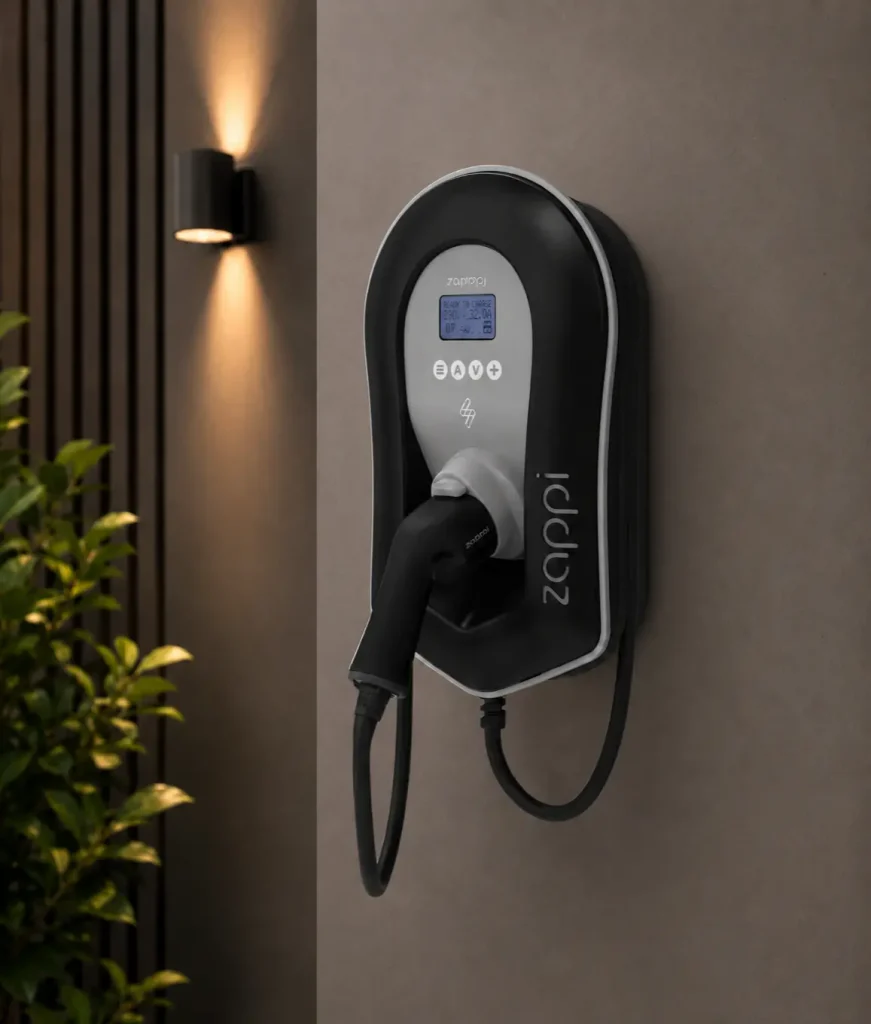
The Zappi EV charger is designed for homeowners who want more control over grid and renewable energy charging. myenergi lists ECO, ECO+ and FAST charging modes, and the charger can be supplied as tethered or untethered.
Best suited for: solar PV homeowners, future solar customers, battery storage users and energy-conscious drivers.
Key features: solar surplus charging, eco charging modes, app control, 7kW and 22kW options, tethered or untethered models, smart tariff compatibility on supported setups.
Pros: strong solar reputation, flexible cable options, useful for homes combining solar PV, batteries and EV charging.
Cons / things to consider: correct installation and CT clamp setup are important. It may be more feature-rich than a basic user needs.
Suitable for: home, some workplace and light commercial installations.
2. Ohme
Direct answer: Ohme is a strong choice for drivers who want smart charging linked to off-peak electricity tariffs.
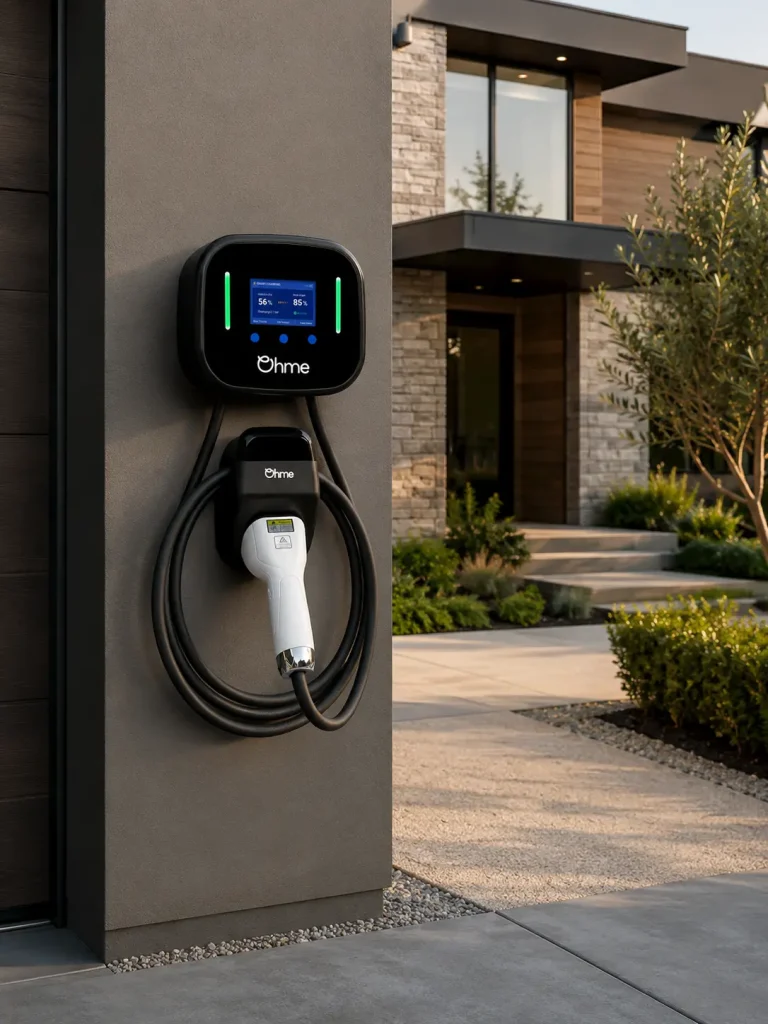
The Ohme EV charger range includes the Home Pro and ePod. Ohme’s product pages highlight smart tariff integration, app control, dynamic charging technology, solar compatibility, home power balancing and UK smart charging regulation compliance.
Best suited for: homeowners using off-peak EV tariffs, regular commuters and drivers who want charging scheduled around cheaper electricity.
Key features: smart tariff integration, 4G connectivity on Home Pro, app scheduling, energy monitoring, tethered and untethered options.
Pros: very useful for tariff-led charging, simple app control and good fit for many UK homes.
Cons / things to consider: tariff savings depend on your energy supplier, tariff and driving pattern.
Suitable for: home charging and some workplace grant-eligible installations.
3. Hypervolt
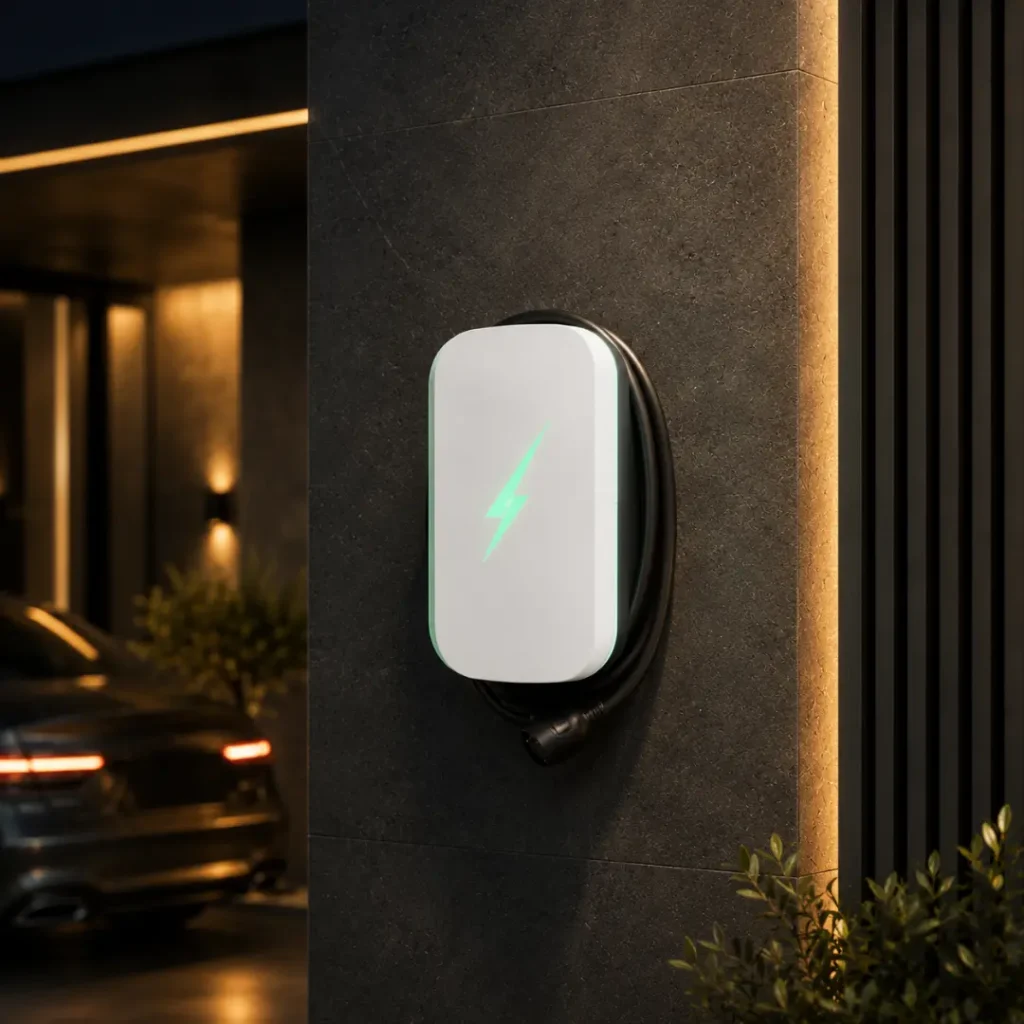
Direct answer: Hypervolt is a good option for homeowners who want a clean-looking tethered charger with strong app-based control.
Hypervolt support materials show features such as charging schedules, app settings, tariff configuration, automatic load management and solar-related charging modes on supported models.
Best suited for: homeowners who want a modern design, tethered cable convenience and smart app control.
Key features: scheduled charging, app analytics, LED customisation, solar modes, automatic load management and usage records.
Pros: attractive design, useful home energy visibility and easy everyday charging.
Cons / things to consider: mainly positioned for home charging rather than large commercial fleet use.
Suitable for: home and small business use where the installation design suits the property.
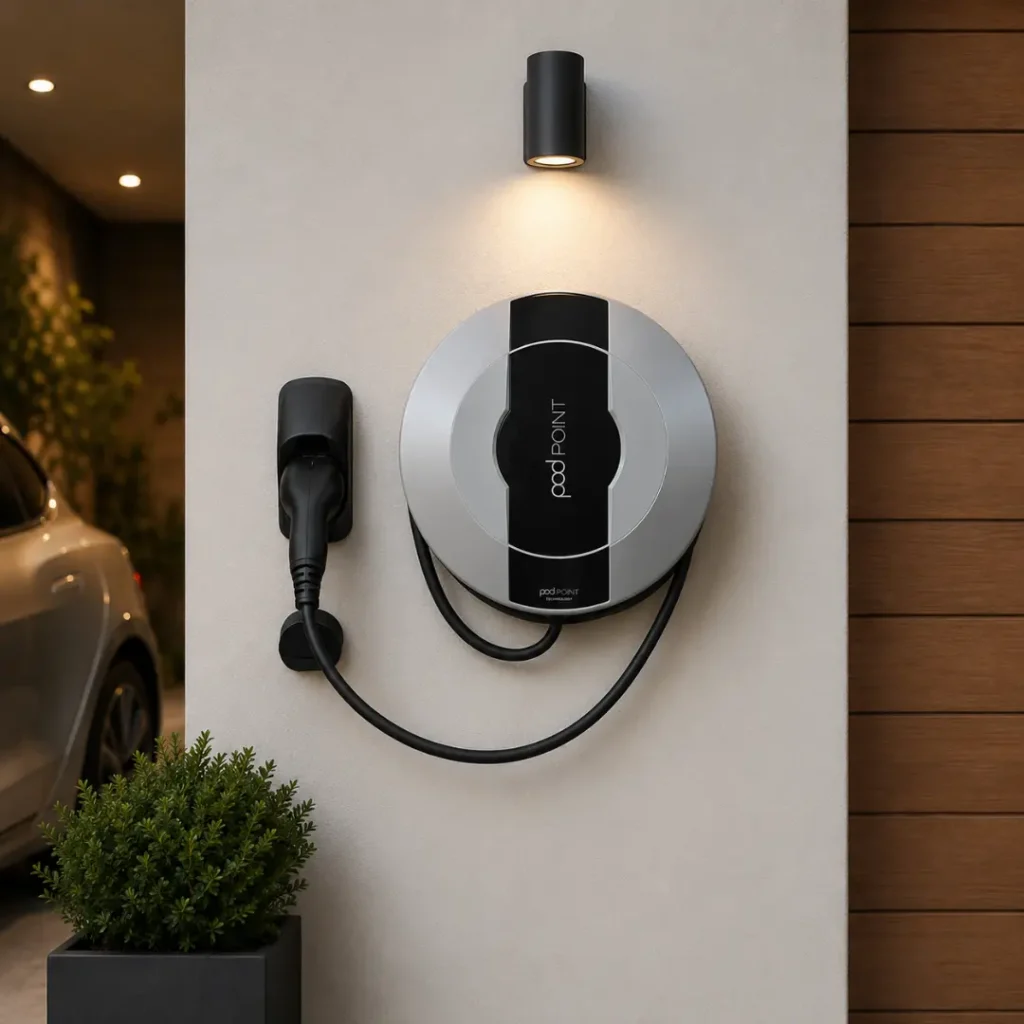
4. Pod PointPod
Direct answer: Pod Point is a recognised UK EV charging brand with home, workplace and public charging experience.
Pod Point’s Solo 3S home charger is promoted with app control, tethered and untethered options, up to 7.4kW charging and warranty/support features. Pod also states that it has over 300,000 chargers installed across the UK.
Best suited for: homeowners, workplaces and customers who prefer a well-known all-rounder.
Key features: Pod Home app, tethered or untethered options, smart schedules, workplace charging options and public network presence.
Pros: strong UK recognition, simple user experience and home/business availability.
Cons / things to consider: compare the exact model because solar, tariff and app features can differ by product and setup.
Suitable for: home, workplace, commercial and public charging environments.
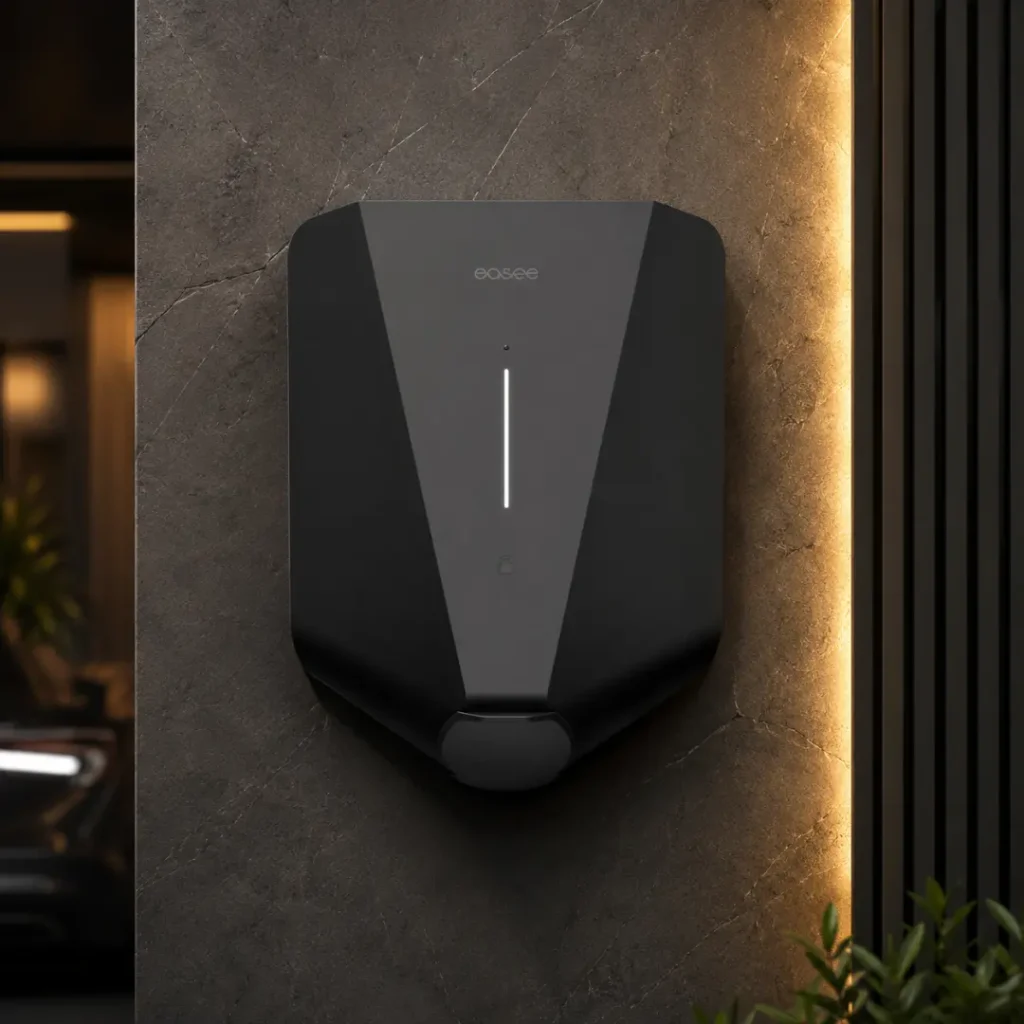
5. Easee
Direct answer: Easee is worth considering for compact, flexible installations, but UK customers should verify current compliance and installer guidance before choosing it.
Easee Charge Lite materials mention Bluetooth control, local load and phase balancing, solar charging support, over-the-air updates and a UK manufacturer guarantee. Easee also updated Charge Lite compliance documentation, including DC detection conformity details.
Best suited for: compact installations, multi-EV homes and properties needing flexible load balancing.
Key features: small design, Easee app, load balancing through Equalizer, solar support, Bluetooth and cloud features.
Pros: compact, flexible and strong load-balancing ecosystem.
Cons / things to consider: always ask the installer to confirm the currently approved UK product, compliance documents and installation requirements.
Suitable for: home and selected multi-charger use, subject to installer confirmation.
6. Wallbox
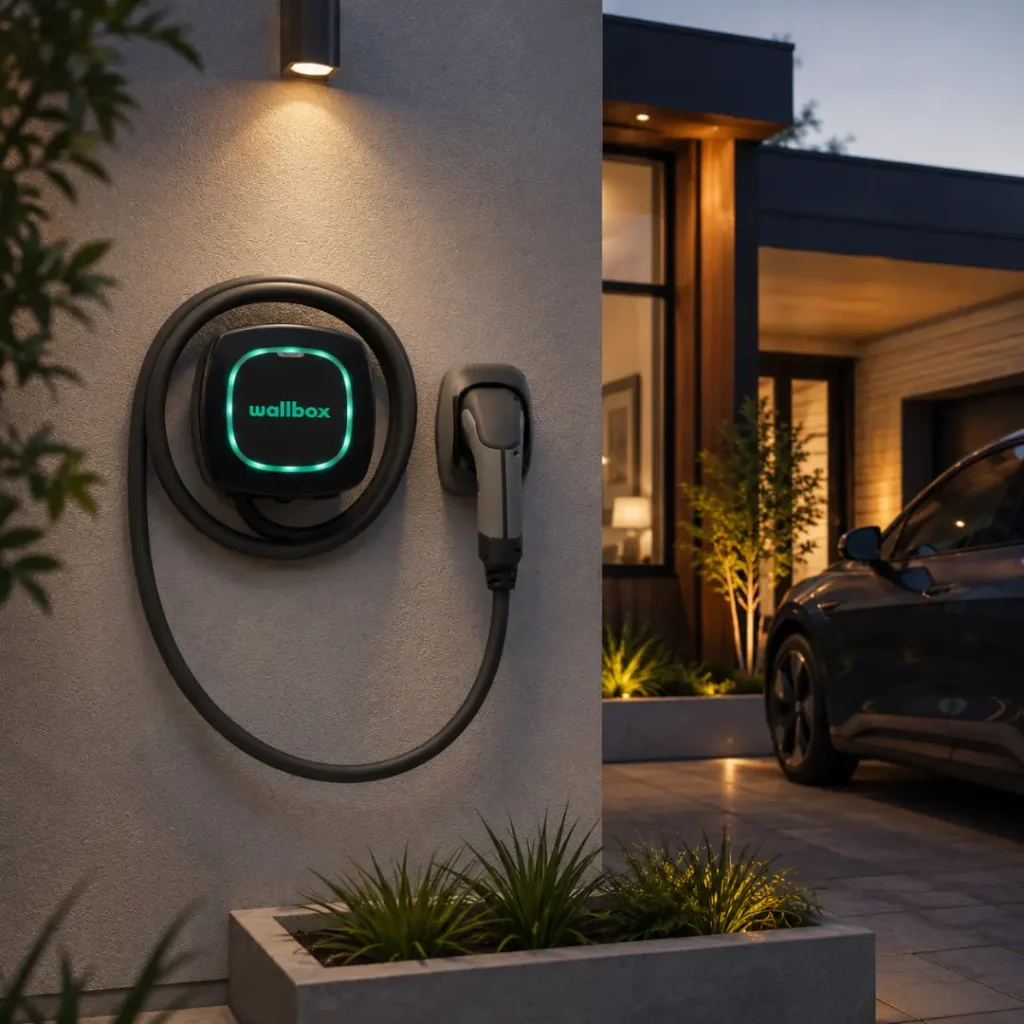
Direct answer: Wallbox is a good smart charger brand for homes and businesses that want compact hardware with app-based energy management.
Wallbox promotes home EV charging, solar options and smart charging through its home charging range. Its support guidance explains that Solar Charging can use Eco mode or Full Green mode where the right meter and configuration are installed.
Best suited for: tech-focused homeowners, small businesses and properties planning solar energy management.
Key features: myWallbox app, solar charging, dynamic load management, compact design and home/business product ranges.
Pros: flexible smart features, solar support and business charging options.
Cons / things to consider: advanced solar and load management features may require extra Wallbox metering accessories.
Suitable for: home, workplace and commercial sites.
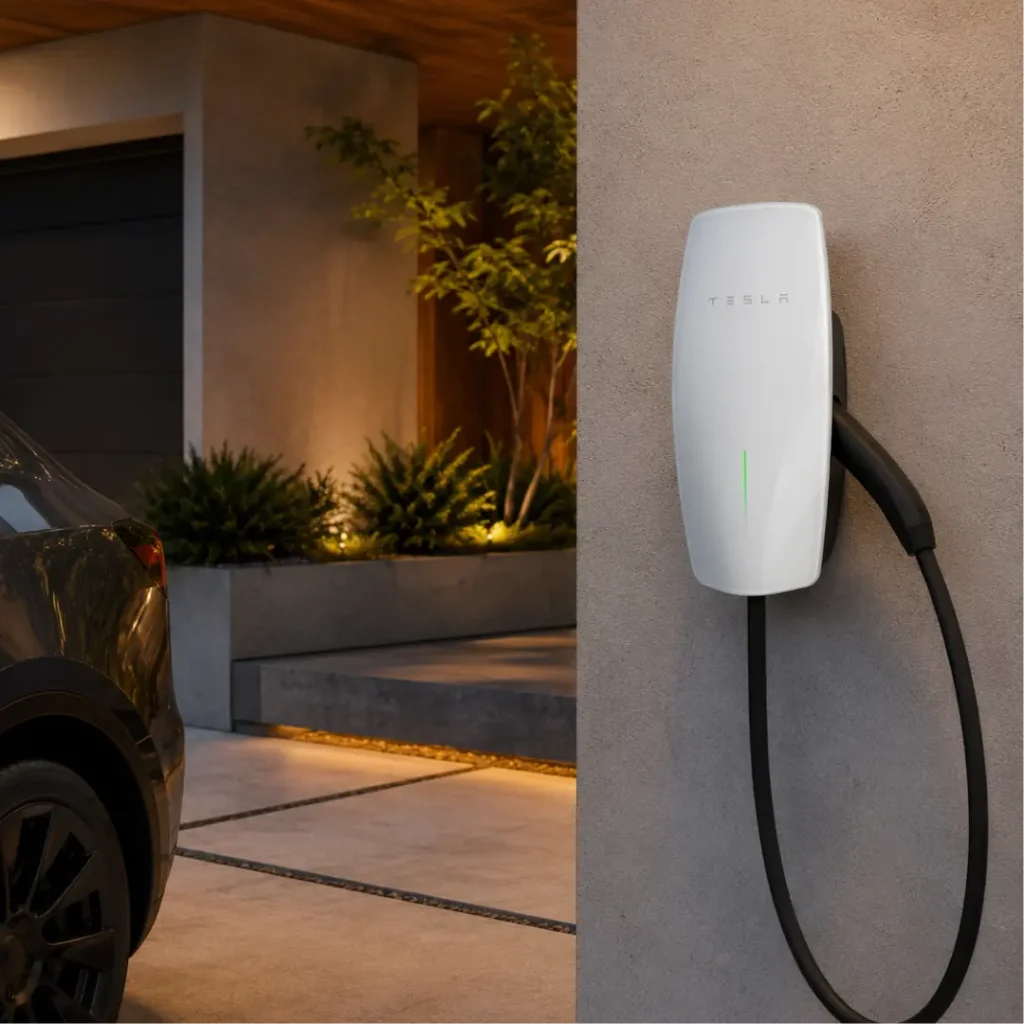
7. Tesla Wall Connector
Direct answer: Tesla Wall Connector is a natural choice for Tesla drivers, but it may also suit other Type 2 compatible EVs where the installer confirms compatibility.
Tesla UK states that Wall Connector connects to Wi-Fi for over-the-air firmware updates and can share power between multiple Wall Connectors for two or more Tesla vehicles.
Best suited for: Tesla owners, multi-Tesla households and homeowners wanting a simple Tesla-branded solution.
Key features: Type 2 tethered cable in the UK, Wi-Fi updates, Tesla app experience and power sharing.
Pros: neat Tesla ecosystem experience, reliable daily home charging and strong brand fit for Tesla drivers.
Cons / things to consider: non-Tesla users should check app control, compatibility and installer recommendations before purchase.
Suitable for: home and selected small commercial installs.
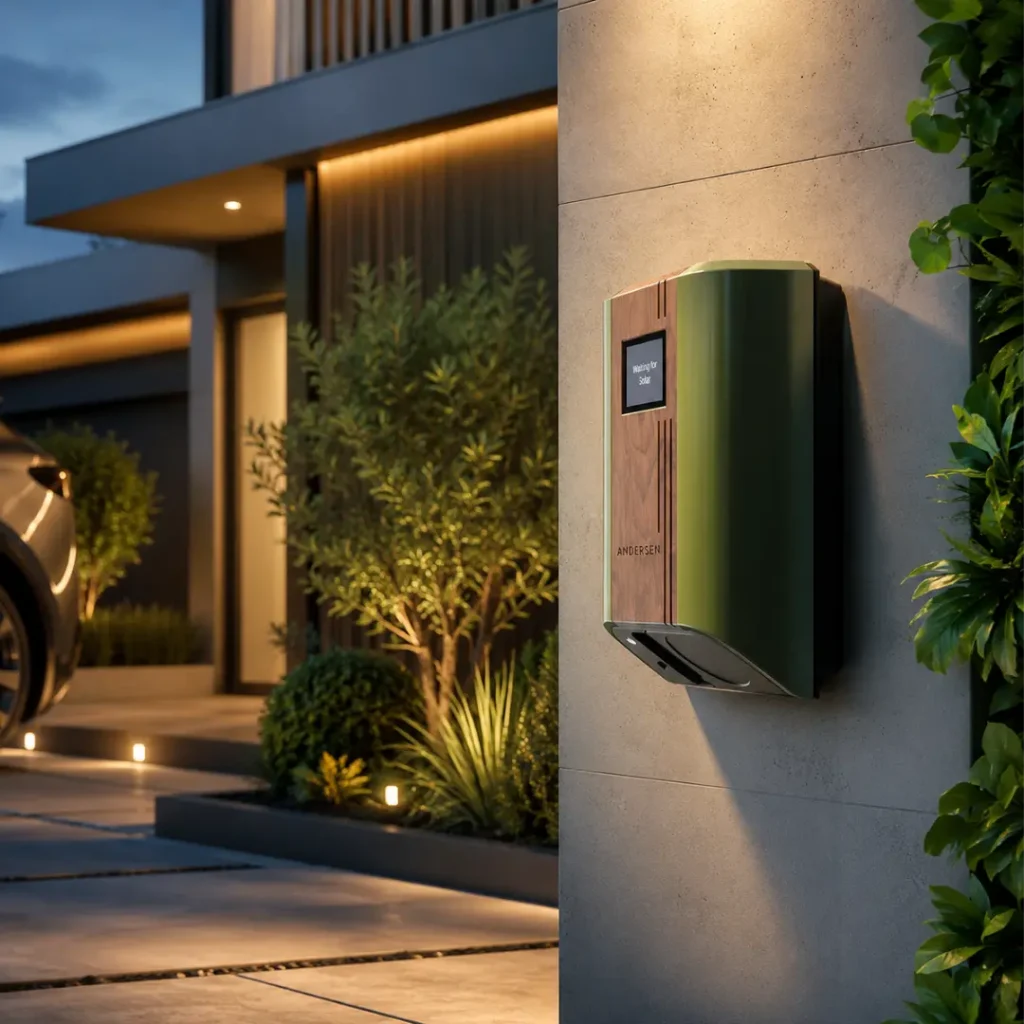
8. Andersen
Direct answer: Andersen is best for design-conscious homeowners who want a premium EV charger with hidden cable storage.
The Andersen A3 includes a hidden 5.5m tethered cable and multiple colour and finish options, making it a more design-led home charging product.
Best suited for: premium homes, front-of-house installations and customers who care about appearance.
Key features: hidden cable, premium finishes, app control, colour choices and tidy installation appearance.
Pros: excellent visual finish, no loose cable on show and strong kerb appeal.
Cons / things to consider: premium design usually means a higher upfront cost.
Suitable for: home charging, especially design-sensitive properties.
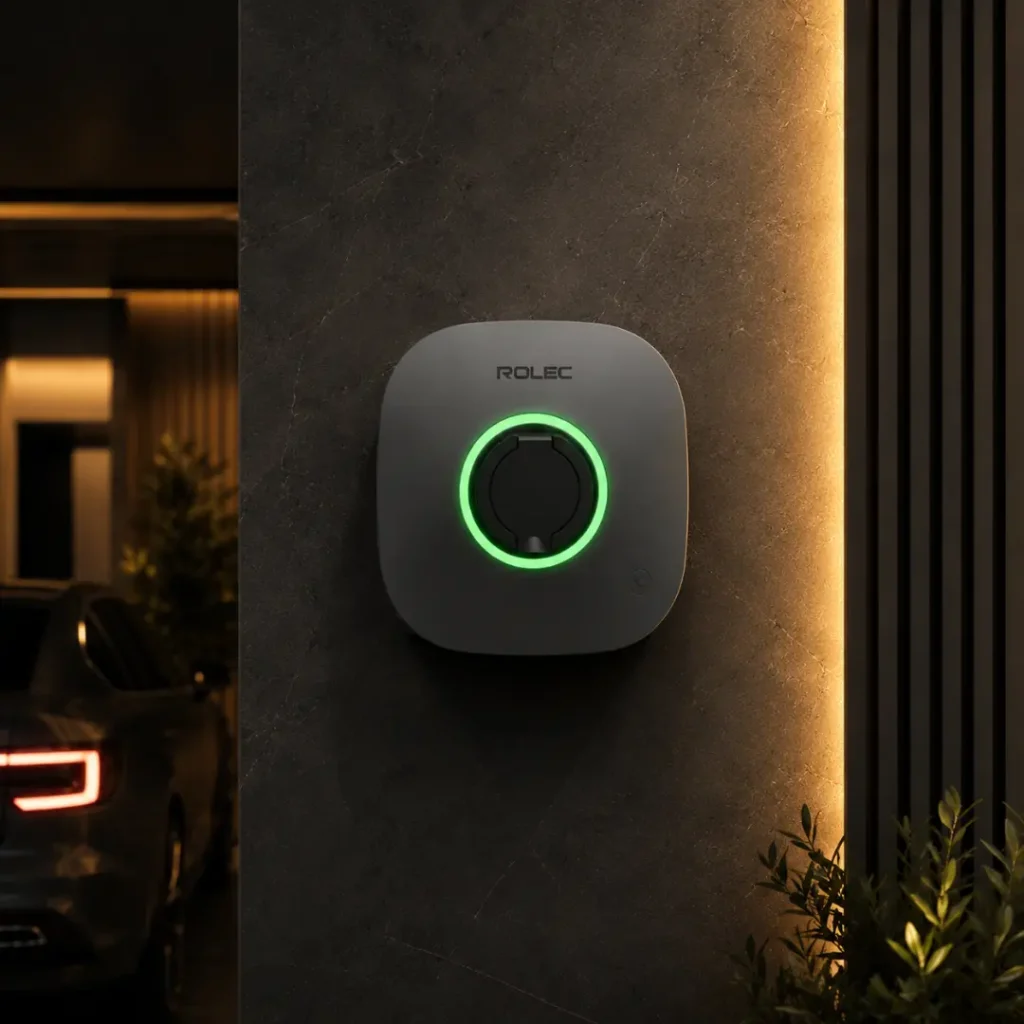
9. Rolec
Direct answer: Rolec is a practical option for homes, workplaces, commercial sites and multi-user charging environments.
Rolec states that it provides EV charging solutions for homes, commercial locations, workplaces and fleets, including AC fast and DC rapid charging products.
Best suited for: small businesses, landlords, destinations, workplaces and mixed-use sites.
Key features: broad charger range, commercial options, scalable installations and workplace suitability.
Pros: wide product range and strong commercial positioning.
Cons / things to consider: the right Rolec model depends heavily on whether the site is domestic, workplace, public, paid-access or fleet-based.
Suitable for: home, workplace, commercial, destination and fleet use.
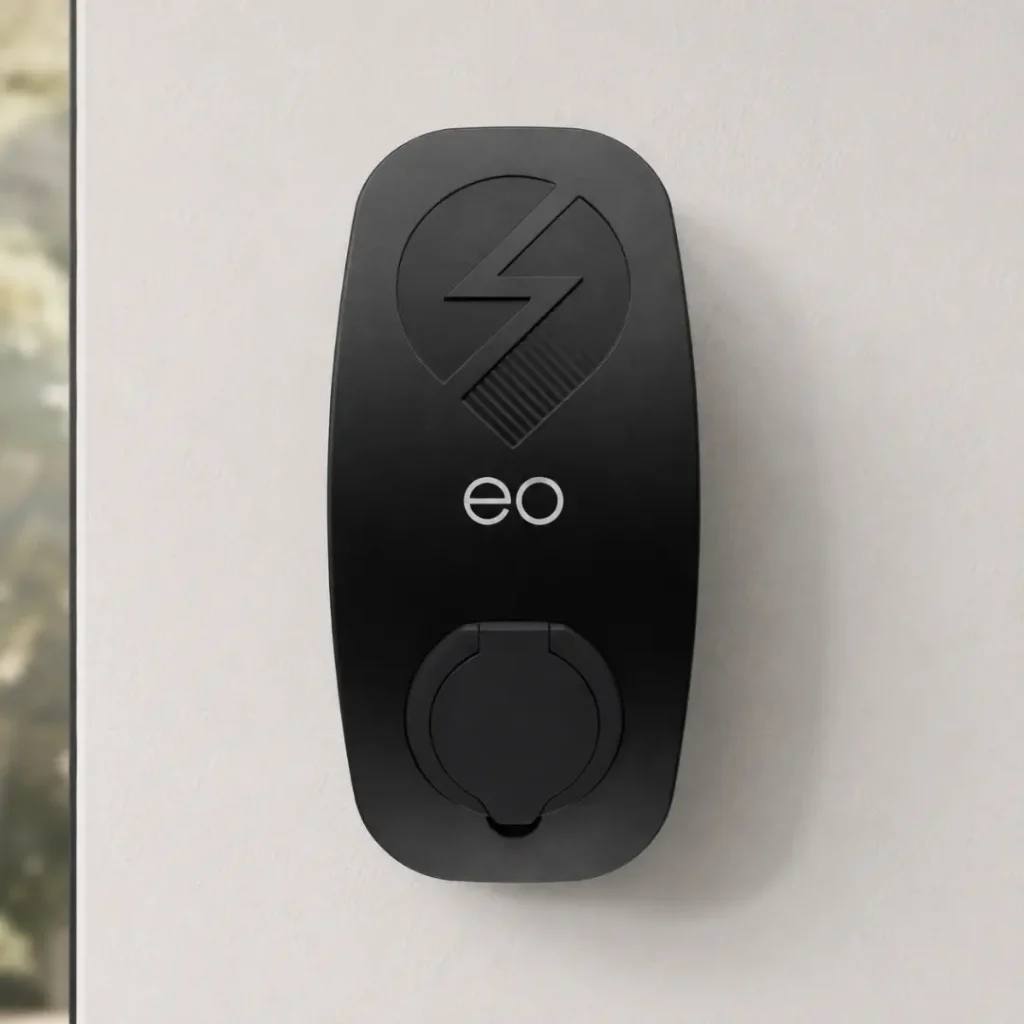
10. EO Charging
Direct answer: EO is strongest for fleet, depot and commercial EV charging, but buyers should check current availability and support routes in 2026.
EO focuses on commercial fleets, depot design, electrical installation, grid upgrades, software and support. EO says it has deployed chargers and commercial charging stations across multiple countries. In 2026, Pod announced the acquisition of EO Charging after EO entered administration, expanding Pod’s fleet and depot charging capabilities.
Best suited for: fleet operators, depots, logistics businesses, van fleets and larger commercial sites.
Key features: depot charging, EO Cloud, fleet management, smart commercial hardware and support services.
Pros: fleet-focused experience and commercial software capability.
Cons / things to consider: confirm current product supply, warranty, maintenance and support arrangements before specifying EO hardware.
Suitable for: workplace, commercial and fleet charging.
Best EV Charger Brand by Customer Type
The best EV charger for home UK customers depends on their electricity tariff, solar plans, property layout and car, while businesses need to think about users, billing, load management and expansion.
Start with certification. Any installer working on refrigerant systems should be able to show appropriate F-Gas qualifications. Where a company works on equipment containing F-Gas for others, company certification from an approved body is important. Refcom also provides a public register customers can use to search for registered companies.
A good installer should not size the system from room dimensions alone. They should consider room size, glazing, insulation, solar gain, occupancy, equipment heat loads, ceiling height, usage pattern and whether the system is for cooling only, heating support or both.
Compare the main indoor unit options:
| Customer Type | Best Charger Brands to Consider | Why |
|---|---|---|
| Solar PV homeowners | Zappi, Hypervolt, Wallbox, Ohme | Solar modes and surplus charging support |
| Off-peak tariff users | Ohme, Zappi, Hypervolt | Smart schedules and tariff-led charging |
| Tesla owners | Tesla Wall Connector, Ohme, Zappi | Tesla ecosystem or wider tariff flexibility |
| Design-conscious homeowners | Andersen, Hypervolt | Premium appearance and tidy cable handling |
| Landlords and rental properties | Pod Point, Rolec, Ohme | Recognised brands and grant-suitable options |
| Small businesses | Pod Point, Rolec, Wallbox | Workplace-friendly models and scalability |
| Fleet operators | EO, Rolec, Pod Point | Fleet software, depot and commercial focus |
| Multi-EV households | Tesla, Easee, Zappi, Wallbox | Load sharing and multi-charger potential |
| Commercial premises | Rolec, EO, Pod Point, Wallbox | Access control, billing and multiple sockets |
| Future solar/battery customers | Zappi, Wallbox, Hypervolt | Better energy management potential |
Simple Green Energy Ltd can help UK homeowners and businesses compare suitable EV charger brands, arrange a survey, check the electrical setup and provide a tailored installation quote.
Tethered vs Untethered EV Chargers
Direct answer: A tethered charger has the cable attached. An untethered charger has a socket only, so you plug in your own cable.
A tethered EV charger is convenient because the cable is always ready. It suits daily home charging, driveways and company car users.
An untethered EV charger looks tidier and allows cable flexibility, especially if different vehicles or cable lengths may be needed.
Most modern UK EVs use Type 2 AC connectors, but compatibility should always be checked before installation.
Smart EV Charger Features to Compare
Direct answer: Compare app control, scheduling, solar compatibility, load balancing, cable type, connectivity, warranty and installer support before choosing a charger.
A smart charger can communicate with apps, tariffs or energy systems to schedule and manage charging. UK smart chargepoint regulations require private chargepoints to have smart functionality so charging can happen when grid demand is lower or renewable electricity is more available.
A load balancing feature monitors property electricity demand and reduces charger output when needed to help avoid overloading the supply.
Key features to compare include app control, scheduled charging, solar PV compatibility, dynamic load balancing, cable length, warranty, Wi-Fi, 4G or Ethernet connectivity, safety features, tariff compatibility, single-phase or three-phase suitability, installer support and aftercare.
How Much Does an EV Charger Cost in the UK?
Direct answer: A standard home EV charger installation is often around £800–£1,500, but commercial and three-phase installations can cost much more depending on site conditions.
| Charger Type | Typical Use | Possible Installed Cost Range | Notes |
|---|---|---|---|
| Standard 7kW home charger | Driveways and home parking | £800–£1,500 | Straightforward installs cost less |
| Premium smart home charger | Design-led or advanced app features | £1,000–£1,800 | Brand, cable length and finish affect price |
| Solar-compatible charger | Solar PV homes | £1,000–£2,000 | CT clamps and setup may add cost |
| Untethered charger | Flexible cable preference | £850–£1,600 | Customer uses own cable |
| Workplace charger | Staff or visitor charging | £1,200–£2,500 per socket | Access control or software may add cost |
| Commercial dual socket charger | Car parks and premises | £2,500–£6,000+ | Groundworks and back-office systems matter |
| Multiple charger installation | Flats, depots or workplaces | £5,000–£30,000+ | Depends on capacity and civils |
| Three-phase 22kW charger | Commercial or suitable homes | £2,500–£5,000+ | Requires three-phase supply and vehicle support |
Prices vary by property type, cable route, consumer unit condition, earthing arrangement, groundworks, charger model, DNO area, region and installer. Cost and eligibility may differ across England, Scotland, Wales and Northern Ireland.
Are EV Charger Grants Available in the UK?
Direct answer: Yes, some UK renters, flat owners, landlords, workplaces and eligible organisations may still get EV charger grant support in 2026.
For renters and flat owners, GOV.UK states the grant can cover 75% of the cost to buy and install a socket, up to £500, where eligibility rules are met.
For residential landlords, GOV.UK states support can cover 75% of buying and installation costs, up to £500 per socket, with up to 200 sockets per year. The scheme applies to properties in England, Wales, Scotland and Northern Ireland, subject to eligibility.
For workplaces, the Workplace Charging Scheme increased to up to £500 per socket for installations completed from 1 April 2026, with support for up to 40 sockets across eligible sites.
Always check current eligibility, property permission, off-street parking, approved installer requirements and whether the charger model qualifies before committing.
What to Check Before Choosing an EV Charger Brand
Direct answer: Check your car, property, electricity supply and future energy plans before choosing a charger.
Before selecting from the best EV charger brands UK customers should check:
- Vehicle maximum AC charging speed
- Single-phase or three-phase supply
- Consumer unit condition
- Earthing arrangement
- Cable route and parking location
- Wi-Fi, 4G or Ethernet signal
- Off-street parking
- Solar PV or battery plans
- Tethered vs untethered preference
- OZEV grant eligibility
- UK smart charging compliance
- DNO notification or approval requirements
Why Professional Installation Matters
Direct answer: EV chargers should be installed by qualified professionals because they are high-load electrical appliances connected to your property’s supply.
A professional installer checks electrical capacity, protective devices, cable routing, earthing, load balancing, regulations, DNO notification where required and charger commissioning. This is especially important for flats, landlords, older consumer units, commercial sites, three-phase supplies, solar PV homes and multi-charger installations.
Frequently asked questions (FAQs)
Simple answers to common questions about the best EV charger brands in the UK, including Zappi, Ohme, Hypervolt, Pod Point, Tesla Wall Connector, Rolec, EO and solar-compatible charging. Speak to Simple Green Energy.
Need an EV charger quote?
Speak with Simple Green Energy about survey-led EV charger installation for homes, landlords, workplaces, commercial sites, solar PV homes and fleet charging projects.
Get EV charger adviceFinal Verdict: Which EV Charger Brand Should You Choose?
Direct answer: The best charger brand depends on your property, vehicle, budget, energy tariff and installation requirements.
For the top 10 EV charger brands in the United Kingdom, Zappi is a strong choice for solar PV homes, Ohme is excellent for tariff-led smart charging, Hypervolt and Andersen suit modern home design, Pod Point is a recognised all-rounder, Tesla Wall Connector suits Tesla drivers, and Rolec or EO are better suited to commercial, workplace and fleet charging. Simple Green Energy Ltd can help compare suitable brands, survey your property and provide a practical quote for UK EV charger installation.
Request a clear written quote, ask about suitable system options, outdoor unit placement, noise, warranty and servicing, and make sure the installation is planned around your property rather than a one-size-fits-all package.