Solar Panels for Warehouses UK: Costs, Benefits & ROI Guide (2026)
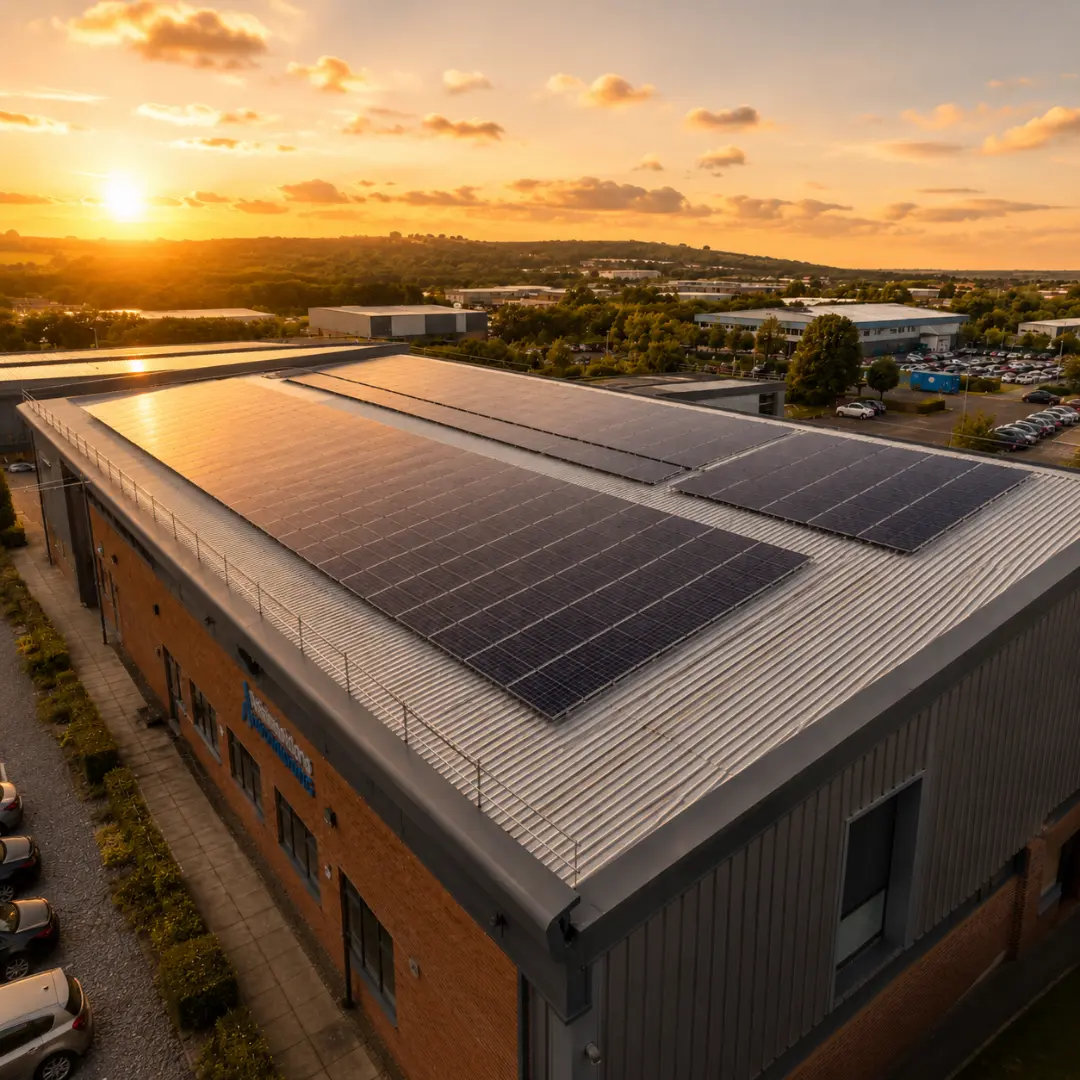
Solar panels for warehouses in the UK are one of the most effective ways for businesses to reduce energy costs, improve sustainability, and future-proof operations against rising electricity prices. Warehouses typically have large, unobstructed roof spaces—making them ideal for solar PV installations.
In this guide, we explain how warehouse solar systems work, what they cost in the UK, the return on investment, and whether they’re worth it for your business. Whether you own, lease, or manage a commercial property, you’ll learn how to make an informed decision.
Check your ECO4 eligibility
Answer a few quick questions to see whether your household may qualify for ECO4 support.
Quick answer
Solar panels for warehouses in the UK allow businesses to generate their own electricity, significantly reducing reliance on the grid. A typical warehouse system can cut electricity bills by 50–80%, depending on usage patterns and system size. With large roof space and high daytime energy demand, warehouses often achieve faster payback periods—typically between 3 to 6 years. Additional benefits include carbon reduction, protection from energy price rises, and potential income through export schemes. For most warehouses, solar is not just viable—it’s one of the best long-term investments available.
Table of Contents
ToggleWhy Warehouses Are Ideal for Solar
Warehouses are among the best property types for solar installations due to:
- Large roof surface areas
- Minimal shading (often flat roofs)
- High daytime electricity usage
- Long operational hours
This combination means most of the electricity generated can be used on-site, maximising savings.
How Warehouse Solar Systems Work
A commercial solar PV system installed on a warehouse roof works by:
- Capturing sunlight via solar panels
- Converting it into electricity through an inverter
- Powering your warehouse operations directly
- Exporting excess energy to the grid (optional)
Systems can also be paired with battery storage to store unused energy for evening use.
Key Benefits of Solar Panels for Warehouses
1. Significant Cost Savings
Electricity is one of the biggest operational costs for warehouses. Solar can reduce bills by up to 80%.
2. Fast Return on Investment
Due to high usage and large system sizes, ROI is often achieved within 3–6 years.
3. Energy Independence
Reduce reliance on volatile grid prices and improve business resilience.
4. Sustainability & ESG Compliance
Lower carbon emissions and meet environmental targets—important for clients and stakeholders.
5. Increase Property Value
Solar-equipped warehouses are more attractive to tenants and investors.
| System Size | Typical Cost (UK) | Annual Savings | Payback Period | Best For |
|---|---|---|---|---|
| 30–50 kW | £35,000–£60,000 | £6,000–£10,000 | 5–7 years | Small warehouses |
| 50–100 kW | £60,000–£110,000 | £10,000–£20,000 | 4–6 years | Medium warehouses |
| 100–250 kW | £110,000–£250,000 | £20,000–£50,000 | 3–5 years | Large warehouses |
Costs vary depending on roof structure, access, and electrical setup.
Costs & ROI in the UK
Installation Costs
Warehouse solar systems are priced based on:
- System size (kW)
- Roof type (flat vs pitched)
- Structural requirements
- Electrical infrastructure
Typical cost per kW decreases as system size increases, making larger systems more cost-effective.
Running Costs
- Minimal maintenance required
- Occasional cleaning and servicing
- Inverter replacement after ~10–15 years
Savings & Payback
- Businesses can save thousands annually
- Payback typically within 3–6 years
- Systems last 25+ years, meaning long-term profit
Additional Financial Benefits
- Smart Export Guarantee (SEG) payments
- Tax incentives (e.g. capital allowances)
- Protection against rising energy prices
High-Intent Buyer Questions
Is solar worth it for warehouses?
Yes. Warehouses benefit more than most properties due to high energy usage and large roof space.
How much can I save?
Savings depend on usage but typically range from £10,000 to £50,000+ per year.
Do solar panels work in winter?
Yes. They generate less than in summer but still produce electricity year-round.
Can I install solar on a leased warehouse?
Yes, with landlord permission. Power purchase agreements (PPAs) are also an option.
Can I add batteries later?
Yes. Most systems can be upgraded with battery storage.
| Requirement | Recommended Option | Reason |
|---|---|---|
| Lowest upfront cost | Smaller system (30–50 kW) | Lower initial investment |
| Best ROI | 100–250 kW system | Economies of scale |
| Maximum energy independence | Solar + battery storage | Reduces grid reliance |
| Landlords | PPA model | No upfront cost |
| High energy users | Large system (100 kW+) | Maximises savings |
The best solar solution depends on your budget, energy consumption, roof space, and long-term business goals.
Why the Installer Matters
The performance of a solar system depends heavily on installation quality.
A poor installation can lead to:
- Reduced efficiency
- Safety risks
- Warranty issues
- Lower ROI
A professional installer will:
- Conduct a full site survey
- Design a system tailored to your usage
- Ensure compliance with UK regulations
- Provide ongoing support and monitoring
Frequently asked questions (FAQs)
Find answers about warehouse solar costs, system sizes, installation requirements and long-term benefits for UK businesses.
Considering solar for your warehouse?
Speak to Simple Green Energy to understand system sizes, costs and potential energy savings for your commercial property.
Check my optionsFinal Thoughts
Solar panels for warehouses in the UK offer one of the strongest returns on investment in the commercial energy space. With rising electricity costs and increasing pressure to reduce carbon emissions, solar is no longer optional—it’s a strategic advantage.
Warehouses are uniquely suited to solar due to their size and energy usage. When installed correctly, a system can deliver decades of savings, improved sustainability, and long-term financial benefits.
If you’re considering solar for your warehouse, the next step is simple: get a professional assessment and understand your potential savings.
Speak with Simple Green Energy: Arrange a free initial eligibility check to find out whether ECO4 solar, insulation, electric heating upgrades or another funding route is the best fit for the property.