How Long Does a Boiler Last? A Complete UK Homeowner Guide

A well-maintained boiler typically lasts 10–15 years, although some high-quality boilers can continue working beyond this with regular servicing and repairs. However, age alone is not the only factor that determines whether a boiler should be replaced. The installation quality, maintenance history, efficiency, usage levels and availability of replacement parts all influence how long a boiler remains reliable.

For UK homeowners, understanding boiler lifespan is important because an ageing boiler can become less efficient, more expensive to repair and more likely to fail when you need heating and hot water the most.

This guide explains how long different boilers last, what affects their lifespan, the warning signs that your boiler may be reaching the end of its useful life, and whether repairing or replacing your boiler is the better option.

Whether your boiler is 5 years old or approaching 15 years old, this guide will help you make an informed decision.

Check your ECO4 eligibility

Answer a few quick questions to see whether your household may qualify for ECO4 support.

Property Step 1 of 5

Find your property

Start typing your UK address and select the correct property.

Autofill enabled. You can use your browser's saved address or choose an address from the live suggestions.

Secure enquiry. Your details are used to assess your request.

What grant are you looking for?

Choose the main home improvement you are interested in.

Are you a homeowner?

Tell us whether you own the property you are applying for.

Do you receive any qualifying benefits?

Select the ECO4-listed benefit that applies to your household.

Contact details

Enter your details so the team can review your ECO4 enquiry.

Your details stay private and protected.

Thank you

Your ECO4 eligibility enquiry has been received.

Preliminary eligibility route A member of the team will review your answers and confirm the next steps.

Due to a limited amount of funding, customer contribution is required.

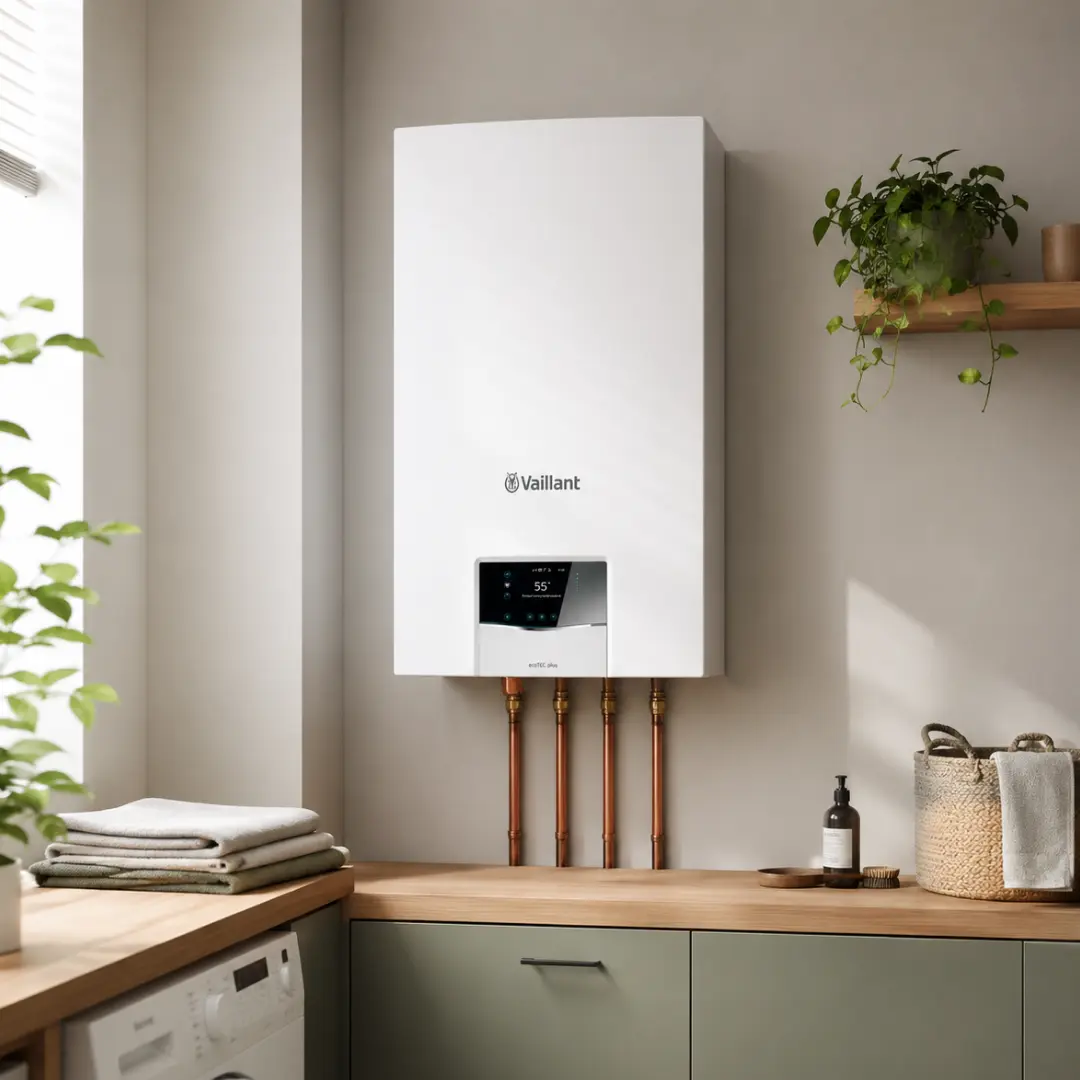
Ideal Boiler Attached to a Wall in UK

Quick answer: How Long Does a Boiler Last?

Most modern boilers in the UK last between 10 and 15 years when properly installed and regularly serviced. A boiler may last longer if it has been maintained well, but older systems often become less efficient and more expensive to repair. If your boiler is over 10 years old, frequently breaking down, showing corrosion, or struggling to heat your home effectively, it may be worth considering a replacement.

How Long Does a Boiler Usually Last?

The average lifespan of a modern boiler is around 10–15 years, but this depends heavily on how the boiler has been used and maintained.

A boiler that receives an annual service, has quality components and was correctly sized for the property is likely to perform better for longer than a poorly installed system that has received little maintenance.

Many homeowners assume a boiler should automatically be replaced after 10 years. However, a 12-year-old boiler that works efficiently and has a good repair history may still have useful years remaining.

On the other hand, a 7-year-old boiler with repeated faults and expensive repairs may no longer provide good value.

The key question is not simply:

“How old is my boiler?”

It is:

“Is my boiler still reliable, efficient and economical to run?”

Average Boiler Lifespan by Boiler Type

Different boiler designs have different expected lifespans depending on complexity, technology and maintenance requirements.

Boiler TypeTypical LifespanSuitable For
Modern condensing combi boiler10–15 yearsFlats, smaller homes and properties needing efficient heating and hot water
System boiler10–15 yearsLarger homes with higher hot water demand
Conventional boiler10–15 yearsOlder properties with traditional heating systems
Older non-condensing boiler15+ yearsUsually inefficient and often worth upgrading

Most boilers installed in UK homes today are high-efficiency condensing boilers, which are designed to reduce wasted energy compared with older models.

What Factors Affect How Long a Boiler Lasts?

Several factors influence boiler lifespan.

1. Quality of Installation

The original installation has a major impact on reliability.

A correctly installed boiler should have:

  • Correct sizing for the property
  • Proper system flushing
  • Suitable controls
  • Correct pipework
  • Good ventilation where required
  • Professional commissioning

An incorrectly installed boiler may experience problems much earlier than expected.

2. Regular Boiler Servicing

Annual servicing is one of the easiest ways to protect your boiler investment.

A yearly service can help:

  • Identify developing faults early
  • Improve efficiency
  • Check safety components
  • Reduce unexpected breakdowns
  • Maintain manufacturer warranties

Many manufacturers require annual servicing as part of their warranty conditions.

3. How Much the Boiler Is Used

A boiler in a large family home may work much harder than one installed in a small flat.

Factors affecting usage include:

  • Number of occupants
  • Hot water demand
  • Heating hours
  • Property size
  • Insulation levels

A boiler that works constantly during winter naturally experiences more wear than one used occasionally.

4. Water Quality and System Condition

Poor system water quality can reduce boiler performance.

Problems such as:

  • Sludge build-up
  • Corrosion
  • Limescale
  • Dirty system water

can damage internal components and reduce efficiency.

A magnetic filter and regular system maintenance can help protect modern heating systems.

Signs Your Boiler May Be Reaching the End of Its Life

An ageing boiler does not always fail suddenly. There are often warning signs beforehand.

Frequent Breakdowns

If your boiler requires repeated repairs, the cost can quickly become difficult to justify.

Common issues include:

  • Fault codes appearing regularly
  • Loss of pressure
  • Ignition failures
  • Pump problems
  • Component replacements

Rising Energy Bills

Older boilers are usually less efficient than modern models.

A boiler installed 10–15 years ago may waste more energy compared with a newer A-rated condensing boiler.

Replacing an inefficient boiler can help improve heating performance and reduce energy waste.

Strange Noises

Unusual sounds such as:

  • Banging
  • Whistling
  • Gurgling
  • Rumbling

may indicate problems such as trapped air, sludge or failing components.

Slow Heating or Poor Hot Water

A boiler approaching the end of its life may struggle to:

  • Heat radiators evenly
  • Provide enough hot water
  • Maintain consistent temperatures

This can be especially noticeable during colder months.

Can a New Boiler Save Money?

Replacing an older boiler can improve energy efficiency, but the actual savings depend on:

  • Current boiler efficiency
  • Home insulation levels
  • Heating habits
  • Energy prices
  • Boiler controls

Modern condensing boilers are significantly more efficient than many older systems because they recover heat that would previously have been lost through the flue.

However, homeowners should view boiler replacement as a long-term investment in:

  • Reliability
  • Comfort
  • Reduced breakdown risk
  • Better heating control
  • Future energy efficiency

A new boiler may not always pay for itself purely through energy savings, but avoiding repeated repairs and improving home comfort can provide significant value.

Should You Replace a Boiler Before It Breaks?

Many homeowners wait until their boiler completely fails before replacing it. However, planned replacement can often be less stressful and more convenient.

Replacing before failure allows you to:

  • Choose the right boiler
  • Compare quotations
  • Avoid emergency installation costs
  • Upgrade heating controls
  • Plan around your schedule

A boiler failure in winter can leave households without heating or hot water when engineers are busiest.

Frequently asked questions (FAQs)

Clear answers about boiler lifespan, efficiency, servicing, replacement decisions, warning signs and repairing older boilers. Speak to Simple Green Energy .

Considering replacing your boiler?

Speak with Simple Green Energy about boiler age, efficiency, repair costs, replacement options, heating requirements and choosing the right system for your home.

Review my boiler options
Most modern boilers last around 10–15 years when properly installed and regularly serviced. Some boilers may last longer with good maintenance.
A 10-year-old boiler may still work well, but newer boilers usually offer improved efficiency, controls and reliability.
If your boiler is 15 years old, replacement is often worth considering, especially if repairs are becoming frequent or expensive.
A boiler should generally be serviced once every year by a qualified heating professional to help maintain safety, efficiency and reliability.
Common signs include frequent breakdowns, rising energy bills, unusual noises, leaks and difficulty heating your home.
Yes, repairs can be cheaper in the short term. However, repeated repairs on an ageing boiler may become poor value over time.

Conclusion

A boiler should typically last around 10–15 years, although careful maintenance and professional installation can help extend its working life.

The decision to replace a boiler should not be based on age alone. Reliability, repair costs, efficiency and your home’s heating requirements are all important factors.

If your boiler is approaching 10 years old, it is worth monitoring its performance and considering your options before a major breakdown occurs.

A professional assessment can help determine whether repairing your current boiler or replacing it provides the best long-term value.

Simple Green Energy can help homeowners understand their heating options with professional advice, tailored recommendations and quality installation support.

Important links: 

Solar panels: https://www.simplegreenenergy.org/solar-panels/

Air source heat pump: https://www.simplegreenenergy.org/air-source-heat-pump/

EV charger: https://www.simplegreenenergy.org/ev-charger/

Air conditioning: https://www.simplegreenenergy.org/air-conditioning/