




Energy Performance Certificates (EPCs): Understanding and Explained for 2026
If you are selling, renting or upgrading a property, an Energy Performance Certificate can raise a lot of questions. Do you actually need one? What does the rating mean? How long does it last? And can a low EPC score affect your ability to rent, sell or improve your home? The good news is that an EPC is not something to panic about. It is simply a useful report that shows how energy efficient a property is and where improvements can be made.
In this guide, we will explain what Energy Performance Certificates are, when they are needed, how EPC ratings work, typical costs, landlord rules, simple ways to improve your score, and what steps to take next if your property needs upgrading.
Quick Answer: Do I need an Energy Performance Certificate?
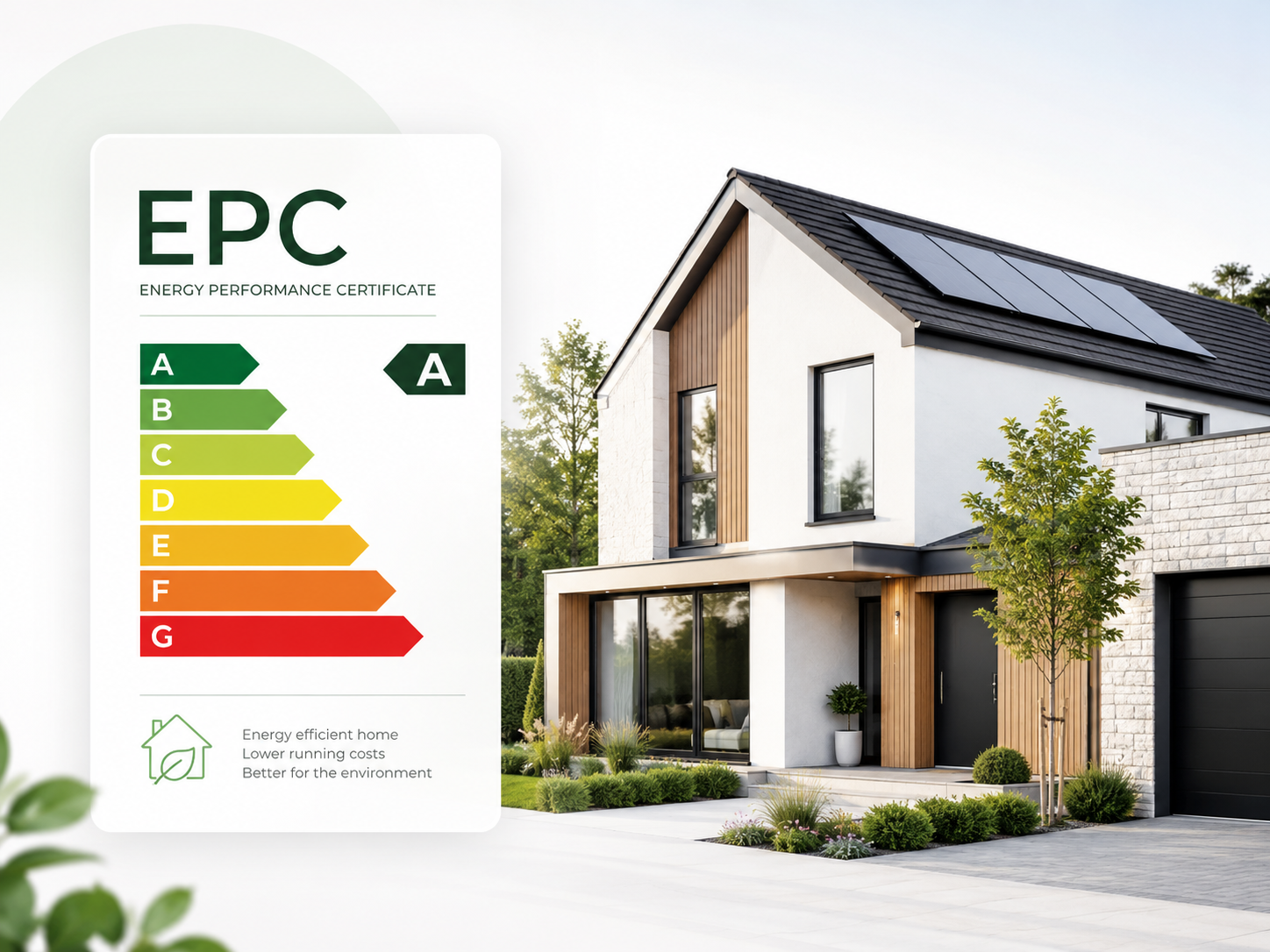
Yes, you usually need an Energy Performance Certificate when selling or renting a property in the UK. It shows how energy efficient the property is, gives it a rating from A to G, and suggests improvements that may help reduce energy bills.
Table of Contents
ToggleWhat Is an Energy Performance Certificate?
In short, an EPC is a property energy certificate. It shows how efficient a home or building is, estimates energy costs and suggests improvements that could make the property cheaper to run and more energy efficient.
What Does an EPC Show?
An EPC usually includes:
- The property’s current energy efficiency rating
- The potential rating after recommended improvements
- Estimated energy use
- Typical heating, lighting and hot water costs
- Suggested upgrades to improve efficiency
- Basic property details
- Heating system performance
- Insulation, lighting and hot water information
What Do EPC Ratings A to G Mean?
EPC ratings make it easier to understand and compare a property’s energy performance.
| EPC Rating | What It Means |
|---|---|
| A | Very energy efficient and usually cheaper to run. |
| B | Strong energy performance with good efficiency. |
| C | Good rating and common target for upgrades. |
| D | Average rating for many UK properties. |
| E | Lower efficiency and may need improvements. |
| F | Poor energy performance with higher running costs. |
| G | Least energy efficient and usually most costly to run. |
Most properties sit somewhere in the middle. The rating helps buyers, tenants, landlords and homeowners understand how efficient the property is and what improvements may be worth considering.
Why Do Energy Performance Certificates Matter in 2026?
An EPC matters because it helps people understand how energy efficient a property is, how much it may cost to run and what improvements could make it warmer, cheaper and more compliant.
| Who It Helps | Why It Matters |
|---|---|
| Homeowners | Helps plan upgrades, reduce running costs and prepare before selling. |
| Landlords | Supports rental compliance and future EPC planning. |
| Buyers | Helps compare properties and spot possible upgrade costs. |
| Tenants | Gives a clearer idea of comfort, heating and likely energy use. |

Why EPCs Matter for Homeowners
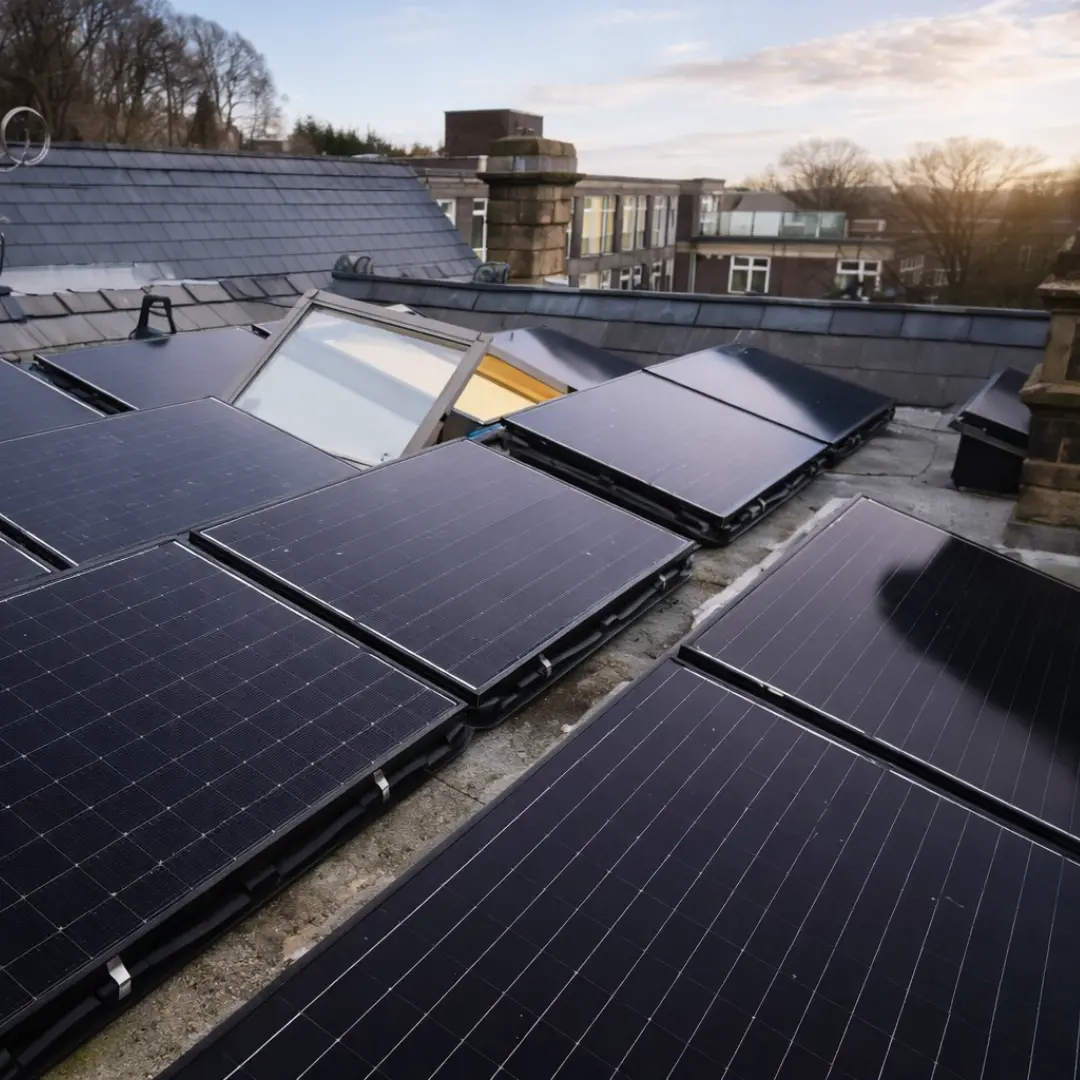
For homeowners, an EPC is a useful starting point before making improvements. It shows how efficient your property is now and highlights where upgrades may help, such as insulation, heating, lighting or hot water. It can also be useful before installing solar panels, heat pumps or insulation, as it helps show where your home may be losing energy.
Why EPCs Matter for Landlords
For landlords, EPCs are closely linked to rental compliance. Private rented homes in England and Wales currently need an EPC rating of E or above, unless a valid exemption applies. The government has also confirmed plans to move towards EPC C for private rented homes by 2030, so landlords should start reviewing properties early rather than waiting until the deadline.


Why EPCs Matter for Buyers and Tenants
For buyers and tenants, an EPC gives a quick snapshot of how efficient a property may be. It can help compare running costs, highlight older heating systems, flag poor insulation and show what upgrades may be needed. In simple terms, it helps people make better property decisions before they commit.
When Do You Need an EPC?
You usually need an Energy Performance Certificate when a property is built, sold or rented. The EPC shows the property’s energy rating, estimated energy costs and recommended improvements. A valid EPC lasts for 10 years, and you can check online whether a property already has one before ordering a new certificate.
| Situation | Do You Usually Need an EPC? |
|---|---|
| Selling a property | Yes, usually before marketing the home. |
| Renting a property | Yes, usually before letting it to tenants. |
| Building a new property | Yes, once the property is completed. |
| After major upgrades | Not always required, but often useful after improvements. |
| Existing EPC still valid | You may be able to use it if it is under 10 years old. |
How Can You Improve Your EPC Rating?
The best way to improve your EPC rating depends on the property, but most upgrades focus on reducing heat loss, improving heating efficiency and using energy more wisely.
Generally, things such as the below, can help improve your energy rating:
- Loft insulation
- Cavity wall insulation
- Heating controls
- Efficient boiler
- Solar panels
- Heat pump
- LED lighting
- Draught-proofing


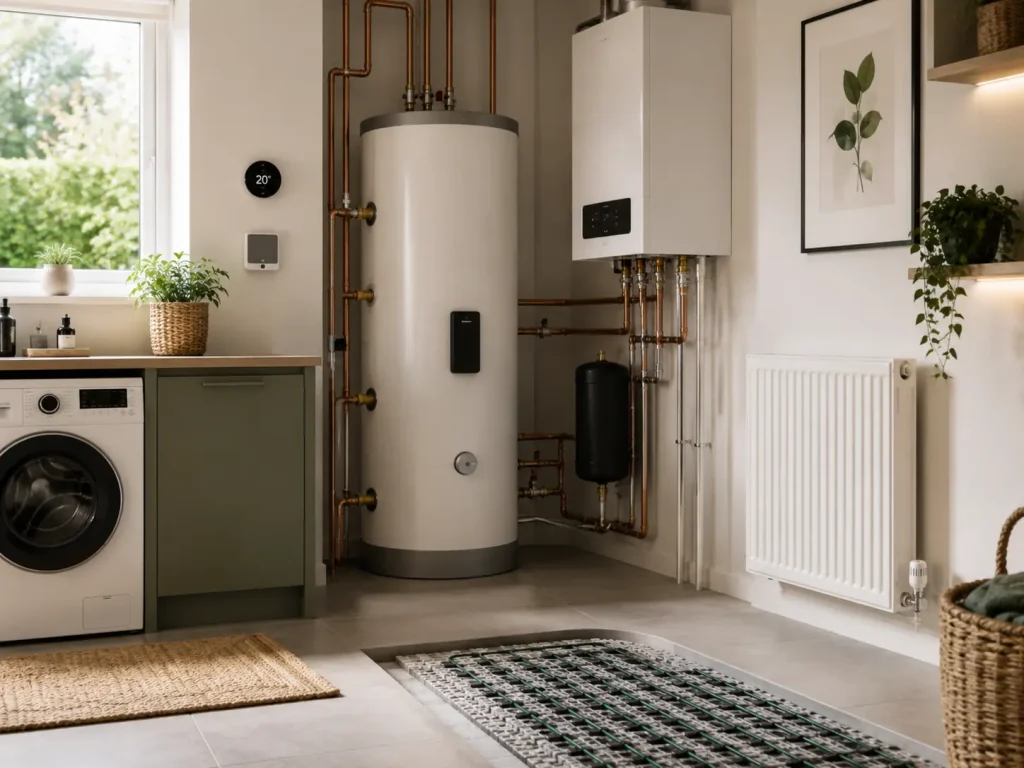

Quick EPC Checklist:
- Check whether the property already has a valid EPC
- Make sure the EPC is less than 10 years old
- Order a new EPC before selling or renting if needed
- Review the current A–G energy rating
- Check the potential rating after improvements
- Look at estimated energy costs
- Review recommended upgrades
- Check insulation, heating, lighting and hot water details
- For rentals, confirm the property meets minimum EPC rules
- Consider a new EPC after major upgrades like insulation, solar panels, glazing, boiler or heat pump installation
Common EPC Myths
EPCs are useful, but they are often misunderstood. Here are some common myths homeowners, landlords, buyers and tenants should know.
Myth 1: A Low EPC Means the Property Is Bad
A low EPC does not automatically mean the property is poor. It often means the home could benefit from upgrades such as better insulation, heating controls, efficient lighting or improved heating.
Myth 2: EPCs Are Only for Landlords
EPCs are important for landlords, but they also help homeowners, buyers and tenants. They show likely running costs, energy performance and improvement options.
Myth 3: You Must Make Every Recommended Improvement
You do not have to complete every suggestion on the EPC. The recommendations are a guide to help you understand which upgrades may improve efficiency and comfort.
Frequently asked questions (FAQs)
Simple answers to common questions about Energy Performance Certificates, EPC ratings, selling, letting, insulation, retrofit assessments and checking whether your property already has an EPC. Speak to Simple Green Energy.
Need help with your EPC?
Speak with Simple Green Energy about EPCs, property energy ratings, recommended improvements, insulation, retrofit planning and energy-saving upgrades for your home or rental property.
Check EPC optionsFinal Thoughts: Portable EV Chargers Are Useful, But Not for Everyone
Your EPC is not just a certificate — it is a useful starting point for improving your property. Check your current rating, review the recommended upgrades and see what rating could be possible after improvements.
Also look at the age of the certificate. If your EPC is old, your property has changed, or you are planning upgrades such as insulation, solar panels, glazing or a heat pump, a new assessment may give you a clearer picture.
The next step is simple: understand the rating, prioritise the improvements and decide whether you need a fresh EPC or a more detailed property survey.