
Differences Between Residential EV Chargers and EV Charging Points
As electric vehicles become more common across the UK, many homeowners, landlords, businesses and EV drivers are trying to understand the difference between a residential EV charger and an EV charging point. The two terms are often used together, but they do not always mean exactly the same thing.
A residential EV charger usually refers to a charger installed at a private home, driveway, garage or allocated parking space. An EV charging point is a broader term that can describe any place or device used to charge an electric vehicle, including home chargers, workplace chargers, supermarket chargers, hotel chargers, public car park chargers and motorway rapid chargers.
Understanding the difference can help you choose the right charging solution, compare costs more clearly, and decide whether you need a domestic EV charger, a commercial EV charging point, or access to public charging stations.
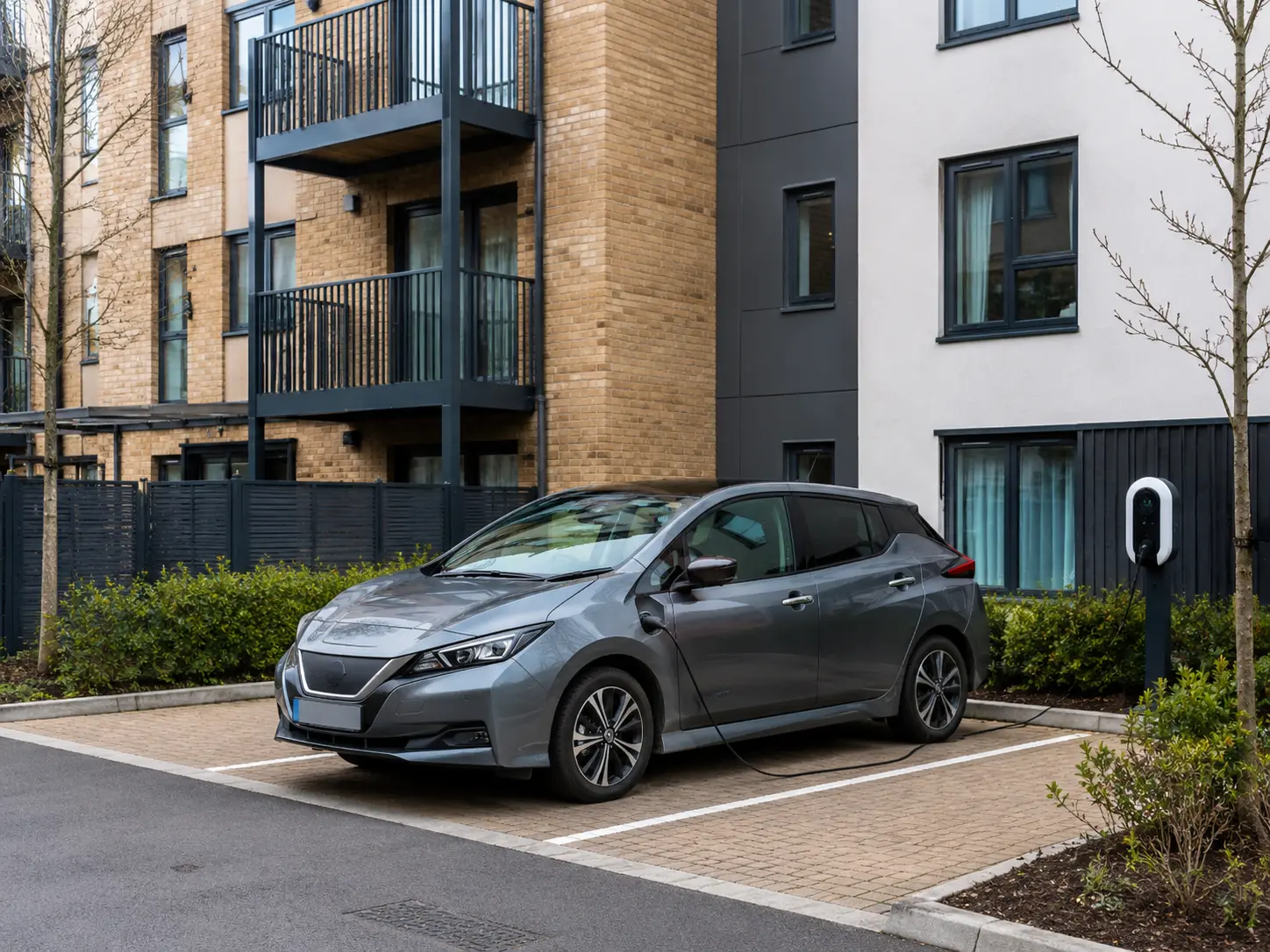
Quick Answer: Are Residential EV Chargers and EV Charging Points the Same?
A residential EV charger and an EV charging point are similar, but they are not exactly the same. A residential EV charger is a type of EV charging point installed at a home or private residential property. An EV charging point is a wider term that can include home, workplace, commercial and public charging locations.
In simple terms: every residential EV charger is an EV charging point, but not every EV charging point is residential.
Table of Contents
ToggleWhat Is a Residential EV Charger?
A residential EV charger is a charging unit installed at a domestic property to charge an electric vehicle at home. It is commonly fitted on an external wall, inside a garage, on a driveway, or near an allocated parking space.
Most UK home EV chargers are wall-mounted AC chargers, often rated at 7kW on a single-phase domestic electricity supply. Some larger homes or properties with three-phase electricity may be able to install faster chargers, such as 22kW units, although this depends on the electrical supply, vehicle compatibility and installation requirements.
A residential EV charger is designed for regular, convenient and private charging. It is especially useful for homeowners and tenants who want to charge their car overnight, use off-peak electricity tariffs, monitor charging through an app, or connect their EV charger with solar PV and battery storage.
What Is an EV Charging Point?
An EV charging point is any fixed location or device where an electric vehicle can be plugged in and charged. This can include a domestic EV charger at home, a workplace charger for staff, a public EV charging point in a car park, or a rapid EV charging station at a motorway service area.
The term “EV charging point” is therefore much broader than “residential EV charger”. It can describe private chargers, shared chargers, commercial chargers and public charging infrastructure.
Examples of EV charging points include:
- A 7kW charger installed on a homeowner’s driveway
- A charging bay at a supermarket
- Workplace chargers installed for employees
- Fleet charging points at a business premises
- Destination chargers at hotels or gyms
- Rapid and ultra-rapid chargers at motorway services
Main Difference Between Residential EV Chargers and EV Charging Points
The main difference is location, purpose and access.
A residential EV charger is mainly installed for private home use. It is normally connected to the property’s electricity supply and used by the household, tenant or landlord-approved user.
An EV charging point can be private or public. It may be installed at a home, business, workplace, hotel, retail park, council car park or service station. Public EV charging points may require payment through an app, RFID card, contactless bank card or charging network account.
Residential EV Charger vs EV Charging Point: Comparison Table
Where Are Residential EV Chargers Usually Installed?
Residential EV chargers are usually installed where a vehicle can be parked safely and regularly. Common locations include driveways, garages, private parking bays, apartment blocks and landlord-owned residential parking areas.
For many UK homeowners, the most common installation is a wall-mounted smart EV charger near the driveway. The installer will assess the property’s electrical supply, consumer unit, earthing arrangement, cable route, parking location and charger position before installation.
For flats and rental properties, permission may be needed from the landlord, freeholder, management company or building owner. In some cases, residents may also be eligible for government support depending on the property and parking arrangement.
Where Are EV Charging Points Commonly Found?
EV charging points are found in a much wider range of places. These include:
- Residential homes
- Workplaces and offices
- Commercial yards and fleet depots
- Supermarkets and retail parks
- Hotels, gyms and leisure centres
- Public car parks
- Council parking areas
- Motorway service stations
- Destination charging locations
For businesses, installing EV charging points can support staff, visitors, customers and company vehicles. For fleet operators, commercial EV charging points can help manage daily vehicle charging, reduce downtime and support the transition to electric vans or cars.
Cost Differences: Home EV Charger vs Public EV Charging Point
Charging at home is often more cost-effective than relying only on public charging, especially if you use an off-peak EV tariff. A home EV charger gives you more control over when you charge, how much electricity you use and whether you charge during cheaper overnight periods.
Public EV charging points can be convenient when travelling, commuting or covering longer journeys, but prices vary depending on the network, charger speed and payment method. Rapid and ultra-rapid chargers are usually more expensive than slower public chargers because they provide faster charging and require higher-powered infrastructure.
For homeowners who drive regularly, installing a domestic EV charger can reduce reliance on public charging and make daily charging more predictable. For landlords and businesses, EV charging point installation can add value, improve convenience and support future demand from EV users.
Charging Speed and Power Output Differences
Charging speed depends on the charger power output, the vehicle’s onboard charging capability, the battery size and the current state of charge.
Typical charging categories include:
Smart Features Available with Residential EV Chargers
Modern home EV chargers are often smart EV chargers. This means they can connect to Wi-Fi, apps or energy management systems to give drivers better control over charging.
Common smart EV charger features include:
- App control and charging history
- Charging schedules
- Off-peak tariff charging
- Solar PV compatibility
- Load balancing to help protect the property’s electrical supply
- Remote monitoring
- User access controls
- Automatic software updates
- Energy usage tracking
Smart features are especially useful for homeowners who want to charge overnight, reduce running costs, or use renewable energy from solar panels.
Can Residential EV Chargers Work with Solar Panels?
Yes, many residential EV chargers can work with solar panels, especially if you choose a solar compatible EV charger. This allows your electric vehicle to use available solar generation from your home solar PV system, depending on the charger model, system design and household electricity demand.
A solar compatible EV charger can help homeowners make better use of their own renewable electricity. When combined with battery storage, the home may also be able to store excess solar energy and use it later, depending on the system setup.
For UK homeowners already considering solar PV, battery storage and EV charging at home, it is worth designing the full system together. This can help improve compatibility, cable planning, inverter sizing and long-term energy savings.
Do You Need a Professional Installer?
Yes. EV charger installation should be completed by a qualified and competent installer. A professional installer will check whether the property’s electrical supply is suitable, whether any upgrades are needed, and whether the installation meets relevant safety and wiring requirements.
For residential EV charger installation, the installer may assess:
- Existing consumer unit
- Main fuse rating
- Earthing arrangement
- Cable route
- Charger position
- Wi-Fi or data connection
- Load balancing requirements
- Parking access
- Solar PV or battery compatibility
For businesses and landlords, the installation may require additional planning, such as multiple charging bays, payment systems, user access controls, signage, load management and future expansion capacity.
Which Option Is Best for Homeowners, Landlords and Businesses?
For Homeowners
A residential EV charger is usually the best option if you have off-street parking and want convenient EV charging at home. It gives you control, privacy and the ability to charge overnight.
For Landlords
Landlords may benefit from installing EV charging points at rental properties, flats or shared parking areas. EV charging can make a property more attractive to tenants and help prepare the building for future demand.
For Businesses
Businesses may need commercial EV charging points for staff, customers, visitors or fleet vehicles. The right system depends on the number of vehicles, daily mileage, site power capacity and whether public or private access is required.
For Fleet Operators
Fleet operators often need a more structured charging solution, including multiple charge points, scheduled charging, reporting tools and load management. This helps keep vehicles charged and ready for daily use.
How Simple Green Energy Ltd Can Help
Simple Green Energy Ltd is a trusted UK renewable energy and EV charger installation company helping homeowners and businesses choose suitable energy solutions. The company can support customers with EV charger installation, solar PV, battery storage and wider renewable energy systems.
Whether you need a domestic EV charger for your home, an EV charger for a rental property, or EV charging points for a business site, Simple Green Energy Ltd can help assess your requirements and recommend a practical solution. This includes guidance on charger type, installation suitability, smart features, solar compatibility and long-term energy efficiency.
Frequently asked questions (FAQs)
Simple answers to common questions about portable EV chargers, 3-pin plug charging, charging times, safety, extension leads, waterproofing, renters, and street parking. Speak to Simple Green Energy.
Need safer home EV charging?
Speak with Simple Green Energy to compare portable EV charging with a dedicated home wallbox, including safety, speed, socket suitability, installation options, and daily charging convenience.
Check EV charger optionsConclusion
A residential EV charger and an EV charging point are closely related, but they are not exactly the same. A residential EV charger is normally installed at a home for private use, while an EV charging point is a wider term that includes home, workplace, commercial and public charging locations.
For homeowners, a smart residential EV charger can make EV charging at home easier, cheaper and more convenient. For landlords and businesses, EV charging point installation can support tenants, staff, customers and fleet vehicles. Choosing the right solution depends on your property, vehicle use, budget, electrical capacity and whether you want features such as app control, off-peak charging, load balancing or solar compatibility.
Simple Green Energy Ltd can help UK homeowners and businesses understand their options and install suitable EV charging, solar PV, battery storage and renewable energy solutions for long-term energy efficiency.
But they are not the best choice for everyone. If you charge daily, drive long distances, or want faster, smarter charging, a dedicated EV home charger is usually the better long-term option.
Need help choosing the right EV charging setup? Speak to Simple Green Energy for practical advice and a solution that fits your home, car, and driving habits.