
Can Solar Panels Charge an Electric Car? How It Works
Imagine charging your electric car using energy generated from your own roof rather than relying entirely on electricity from the grid. With more UK homeowners switching to electric vehicles, many are asking whether solar panels can produce enough power to support their daily driving needs. The reality depends on factors such as your solar panel system size, energy usage, driving habits and charging times.
This guide explains how solar EV charging works, what equipment is required, the potential costs involved, the benefits of combining solar panels with an EV charger, and whether this solution is suitable for UK homes.
Get Your Solar Panel Quote
Start with your address so we can check the best solar options for your home.
Quick answer
Yes, solar panels can charge an electric car. Solar PV systems can generate electricity from sunlight, which can then be used to power an EV charger and charge your vehicle at home. However, the amount of solar energy available depends on factors such as your solar panel system size, weather conditions, household electricity usage and when you charge your car.
Table of Contents
ToggleCan Solar Panels Charge an Electric Car?
Solar panels generate DC (direct current) electricity from sunlight. This electricity is then passed through an inverter, which converts it into AC (alternating current) electricity that can be used by your home and electric vehicle charger. The EV charger then safely supplies the electricity to your vehicle’s battery.
During sunny periods, your solar panels may provide a significant amount of the energy needed for charging. If your solar system is not producing enough electricity, especially during evenings, winter months or periods of high household demand, your home can automatically draw additional power from the grid. Combining solar panels with a smart EV charger can help maximise the use of your own generated energy and reduce reliance on grid electricity.
How Do Solar Panels Charge an Electric Car?
Solar panels can charge an electric car by converting sunlight into electricity that can be used by your home EV charger. The process is simple: solar panels generate power, an inverter makes it usable, and your EV charger delivers the energy to your vehicle.
Step 1 — Solar Panels Generate Electricity
Solar panels act like a small electricity generator on your roof. They capture sunlight and convert it into electricity during the day. The amount of energy produced depends on factors such as sunlight levels, weather conditions, roof position and the size of your solar system.
Step 2 — The Solar Energy Powers Your Home and EV Charger
The electricity generated by your solar panels is first used to meet your home’s energy needs. Any available excess power can then be used to charge your electric vehicle.
Simple process:
☀️ Solar Panels → ⚡ Inverter → 🏠 Home Electricity → 🔌 EV Charger → 🚗 Electric Car
If your home is already using electricity, less solar energy may be available for charging. Smart EV chargers can help manage energy use and charge your vehicle when more solar power is available.
Step 3 — Excess Solar Energy Can Be Stored or Exported
If your solar panels produce more electricity than your home and EV require, the extra energy can be stored in a home battery for later use or exported back to the grid through a suitable export tariff. Smart charging systems can also help you use more of your own solar energy instead of relying on grid electricity.
What Equipment Do You Need to Charge an EV Using Solar Panels?
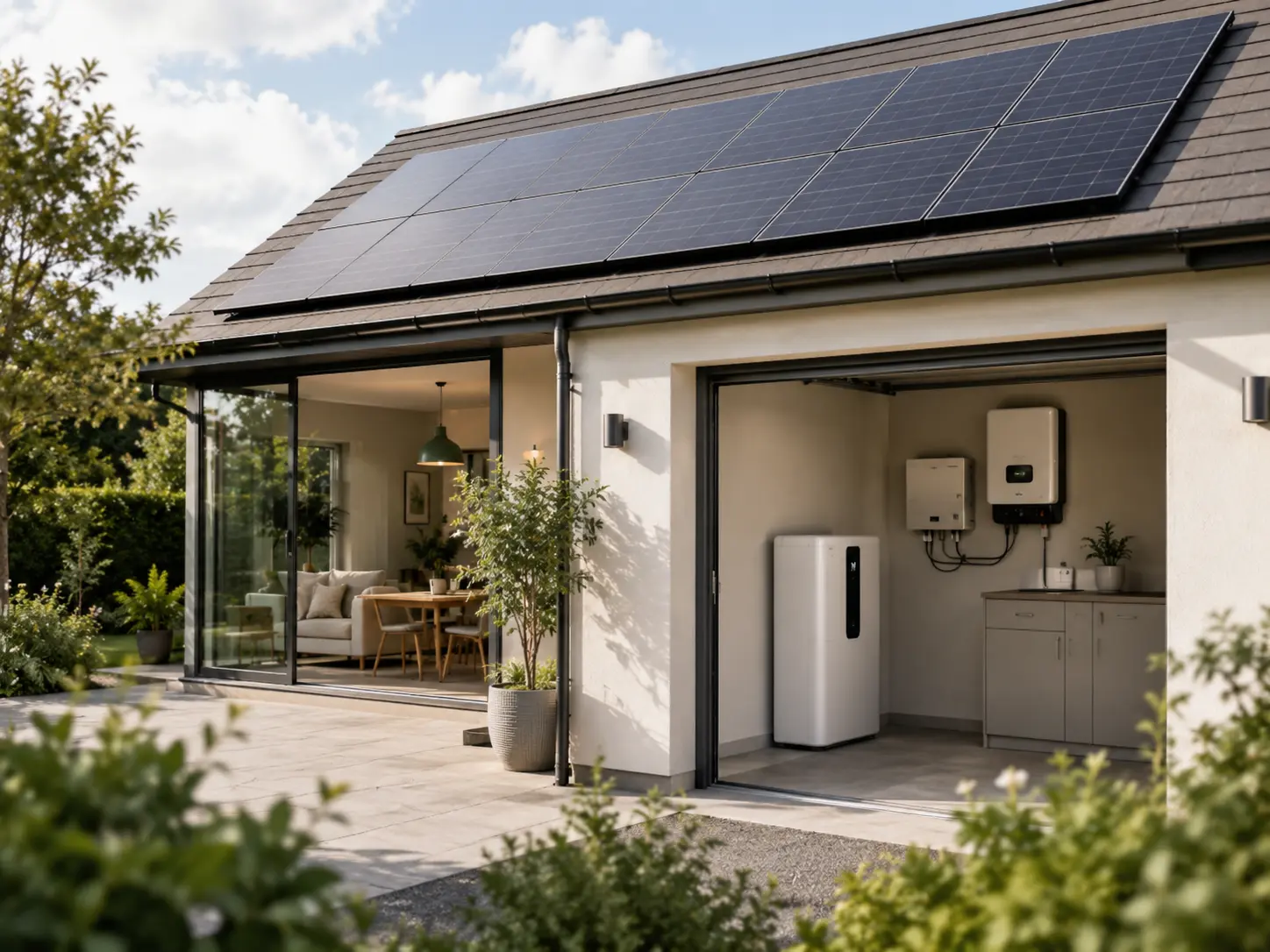
A solar EV charging setup usually requires solar panels, an inverter and an EV charger. A home battery is optional but can help store unused solar energy for later use. The right setup depends on your energy needs, roof suitability and driving habits.
Solar PV System
Your solar panels are the main source of electricity for charging your EV. The system size depends on your home energy usage, vehicle mileage and available roof space. Factors such as roof orientation, shading, and panel placement can affect how much solar energy you generate.
Home EV Charger
A dedicated home EV charger allows you to charge your electric car safely and efficiently. Smart chargers can schedule charging, monitor energy use and work with solar systems to prioritise renewable energy when it is available.
Solar Battery Storage (Optional)
A battery is not essential for solar EV charging, but it can improve energy usage. It stores excess solar electricity generated during the day, allowing you to use it later to charge your EV, reduce grid reliance and make better use of your solar investment.
How Much Solar Power Is Needed to Charge an Electric Car?
The solar system size needed to charge an electric car depends on your EV mileage, electricity usage, charging habits and available roof space. There is no one-size-fits-all solution, as every household and vehicle has different energy requirements.
Key factors include:
- Daily mileage: More driving means more energy is needed for charging.
- Vehicle battery size: Larger batteries require more electricity to recharge.
- Solar generation: Panel output changes depending on system size, sunlight, season and weather.
- Charging habits: Daytime charging allows you to use more of your own solar energy.
Example Calculation
A homeowner drives around 30 miles per day, usually charges overnight, and has a 4kW solar panel system.
During sunny periods, the solar system may generate enough electricity to cover part of the vehicle’s annual charging needs. However, because most charging happens overnight when solar generation is low, some electricity from the grid may still be required. A smart charger or battery storage system can help maximise solar usage.
Can Solar Panels Fully Charge an Electric Car?
Yes, solar panels can fully charge an electric car in the right conditions, but it depends on your solar system size, driving distance, charging times and how much sunlight is available. For many UK homes, solar energy can cover a large part of EV charging needs, but grid electricity may still be needed at certain times.
Factors that affect solar EV charging include:
- Weather: Cloudy days reduce solar generation.
- Season: Solar output is higher in summer and lower during winter.
- Driving distance: More miles require more energy to recharge.
- Solar system size: Larger systems generate more electricity.
- Charging times: Daytime charging makes better use of solar energy.
| Advantages | Limitations |
|---|---|
| Reduces reliance on grid electricity | Solar generation changes throughout the year |
| Can lower EV charging costs | Overnight charging may require grid power |
| Uses renewable energy from your own roof | Larger EV mileage may need a bigger solar system |
| Works well with smart chargers and batteries | Roof space and shading can affect performance |
Benefits of Charging an Electric Car With Solar Panels
Charging an electric car with solar panels can help homeowners make better use of renewable energy while reducing reliance on traditional electricity sources. It allows one solar system to support both your home and your vehicle.
Lower Charging Costs
Using electricity generated from your own solar panels can reduce the amount of energy you need to buy from the grid, helping lower EV charging costs over time.
Better Use of Renewable Energy
Solar panels allow you to use clean electricity generated directly from your own property instead of relying entirely on electricity supplied from external sources.
Greater Energy Independence
By generating your own electricity, you can reduce your dependence on changing energy prices and have greater control over how your home uses power.
One System Powers Multiple Needs
A solar PV system can support more than just EV charging. The electricity generated can also power:
- Home appliances
- Electric vehicle charging
- Battery storage systems
This makes solar a flexible energy solution for modern homes.
Common Mistakes When Combining Solar Panels and EV Charging
Combining solar panels with an EV charger can be a smart energy solution, but planning the system correctly is important. Avoiding common mistakes helps ensure your setup delivers better performance and long-term value.
Installing Panels Without Considering EV Usage
A solar system should be designed around your current and future electricity needs. If you plan to charge an electric car, your expected EV mileage and charging habits should be considered when choosing the right system size.
Assuming Solar Will Always Charge the Car
Solar generation changes throughout the year. Winter months, cloudy weather and shorter daylight hours can reduce output, meaning your EV may still need some electricity from the grid.
Choosing Equipment Without Checking Compatibility
Your solar panels, inverter, EV charger and battery storage (if installed) should work together efficiently. Choosing compatible equipment helps maximise energy use and ensures reliable charging performance.
This makes solar a flexible energy solution for modern homes.
Frequently asked questions (FAQs)
Clear answers about using solar panels to charge electric vehicles, EV charger compatibility, battery storage, charging costs and how solar generation can support home EV charging. Speak to Simple Green Energy .
Thinking about solar EV charging?
Speak with Simple Green Energy about solar panel sizing, EV charger compatibility, battery storage options and how to maximise your renewable energy for electric vehicle charging.
Compare solar and EV charging optionsFinal Thoughts: Are Solar Panels Worth It for Electric Car Owners?
Solar panels can be a valuable addition for electric car owners, especially those who regularly charge their vehicle at home. By generating your own electricity, you can reduce reliance on grid power, lower charging costs and make better use of renewable energy.
However, the benefits depend on factors such as your driving habits, solar system size, roof suitability and when you charge your EV. A well-designed solar and EV charging setup can help maximise energy savings and provide a more efficient solution for your home.