Solar Panels for Schools UK: Benefits, Costs, Funding and Complete Guide
Schools across the UK are facing increasing pressure to reduce energy costs, improve sustainability and prepare pupils for a greener future. Installing solar panels can help schools generate their own renewable electricity, reduce dependence on the grid and create long-term financial savings.
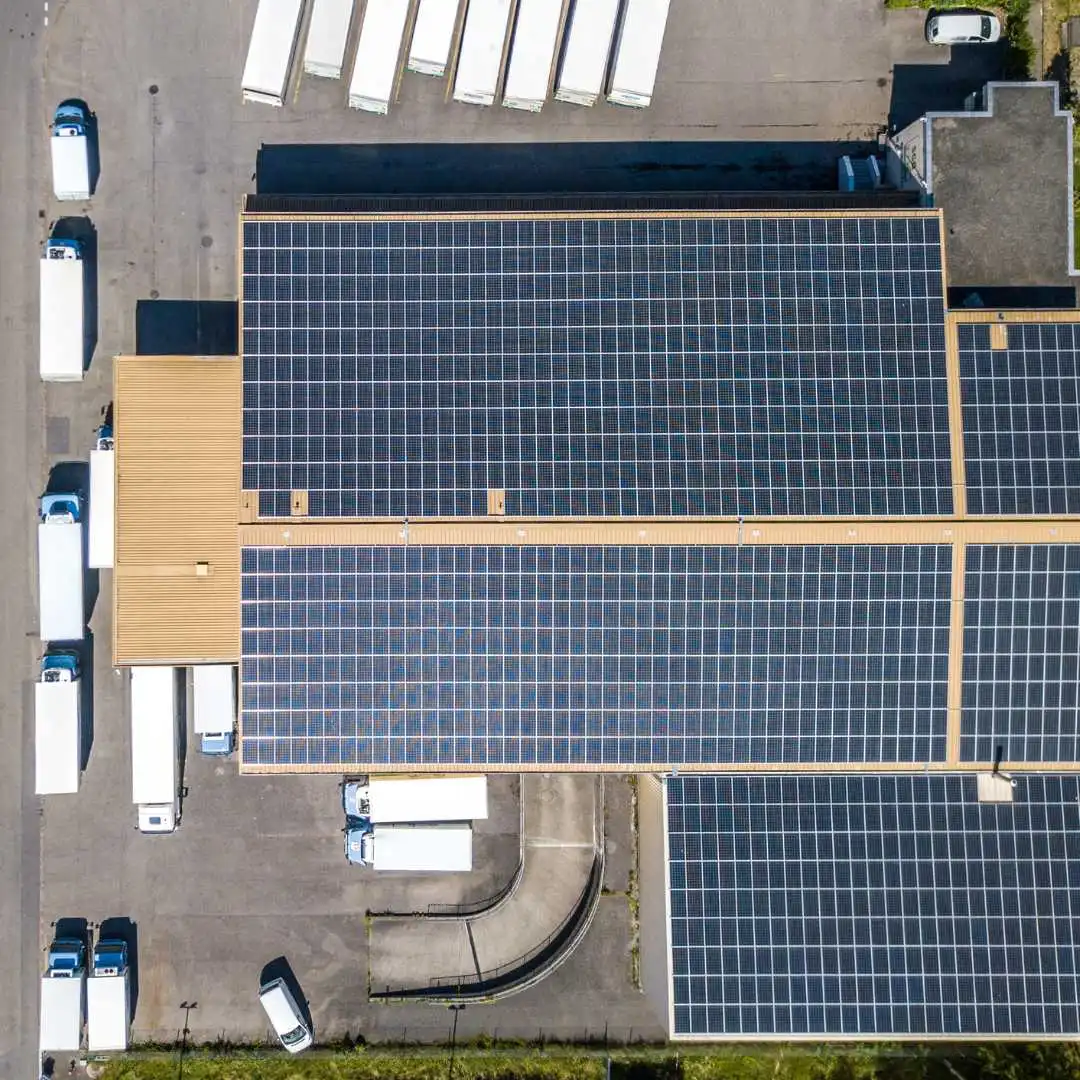
With many schools operating large buildings, classrooms, sports halls and unused roof spaces, solar PV systems can be an effective way to turn existing infrastructure into a source of clean energy.
This guide explains how solar panels work for schools, the benefits they provide, typical installation costs, funding options, important considerations and how to choose the right solar solution.
Whether you are a school governor, academy trust, facilities manager or local authority decision-maker, this guide will help you understand whether solar panels are suitable for your school.
Get a free eligibility check: Ask Simple Green Energy to review your benefits, income, EPC rating, heating system and roof suitability.
Check your ECO4 eligibility
Answer a few quick questions to see whether your household may qualify for ECO4 support.
Quick Answer: Are Solar Panels Worth It for Schools in the UK?
Yes, solar panels can be highly beneficial for UK schools because they can reduce electricity bills, lower carbon emissions and provide predictable long-term energy savings. Schools often have large roof areas and high daytime electricity demand, making them well suited to solar PV systems. A correctly designed solar installation can help schools generate clean electricity during school hours, reduce reliance on energy suppliers and support sustainability education. The financial return depends on system size, electricity usage, installation costs and available funding options.
Table of Contents
ToggleQuick Comparison: Solar Options for Schools
| Solar Solution | Best For | Main Benefit | Typical School Application |
|---|---|---|---|
| Rooftop Solar PV | Most schools looking to reduce energy costs | Reduces electricity bills by generating clean energy on-site | Classrooms, offices, kitchens, sports halls and other school buildings |
| Solar + Battery Storage | Schools with higher energy demand or evening usage | Stores excess solar energy for use when generation is lower | Evening activities, IT equipment, lighting, sports facilities and extended school hours |
| Solar PPA | Schools and academy trusts wanting no upfront investment | Provides immediate energy savings through a long-term solar agreement | Large school sites, multi-academy trusts and buildings with high electricity consumption |
Why Are Schools Installing Solar Panels?
Energy costs are one of the biggest operational expenses for many schools. Lighting, computers, heating systems, catering equipment and ventilation all contribute to significant electricity consumption.
Solar panels allow schools to generate electricity directly from sunlight rather than purchasing all energy from the grid.
For many schools, the timing of electricity generation matches their energy demand because solar production is highest during daytime hours when classrooms and facilities are occupied.
Key reasons schools are considering solar include:
- Reducing electricity costs
- Meeting carbon reduction targets
- Improving sustainability credentials
- Supporting environmental education
- Protecting against future energy price increases
- Making better use of unused roof space
How Do Solar Panels Work for Schools?
Solar photovoltaic (PV) panels convert sunlight into electricity.
The process is simple:
- Solar panels installed on the school roof capture sunlight.
- The panels generate direct current (DC) electricity.
- An inverter converts DC electricity into usable alternating current (AC).
- Electricity is used within the school building.
- Excess electricity can either be stored in batteries or exported to the grid.
Because schools typically operate during daylight hours, much of the generated electricity can often be used immediately, improving financial savings.
Benefits of Solar Panels for Schools
1. Lower Energy Bills
The biggest financial benefit is reducing electricity purchased from energy suppliers.
Instead of paying the full retail electricity price, schools can use their own generated renewable energy.
The savings depend on:
- Solar system size
- Electricity consumption
- Roof orientation
- Shading
- Electricity prices
2. Reduce Carbon Emissions
Solar PV helps schools reduce their carbon footprint by replacing electricity generated from fossil fuels.
A solar installation can support:
- Net zero targets
- Sustainability strategies
- Environmental reporting requirements
It also provides a practical example of renewable energy that pupils can see and learn from.
3. Educational Benefits
Solar panels can become a valuable teaching resource.
Schools can use real-time solar monitoring systems to demonstrate:
- Renewable energy generation
- Climate change solutions
- Energy efficiency
- Science and engineering concepts
Funding Options for School Solar Panels
Schools may be able to fund solar projects through several routes.
1. Capital Purchase
The school pays for the solar installation upfront.
Advantages:
- Maximum long-term savings
- Full ownership of the system
- Greater financial return over the system lifespan
2. Solar Power Purchase Agreement (PPA)
A third party installs and owns the solar system.
The school purchases the electricity generated at an agreed lower rate.
Benefits:
- No large upfront investment
- Immediate energy savings
- Maintenance may be included
3. Grants and Funding Opportunities
Funding availability changes regularly, but schools may explore:
- Government sustainability schemes
- Local authority programmes
- Academy trust funding
- Energy efficiency initiatives
Schools should check current eligibility before committing to a project.
How Schools Can Maximise Solar Benefits
To achieve the best return from solar panels, schools should consider:
Monitor Energy Usage
Before installation, understanding electricity consumption helps determine the correct system size.
Energy monitoring can identify:
- Peak demand periods
- High-energy equipment
- Potential efficiency improvements
Combine Solar With Energy Efficiency
Solar works best alongside energy-saving measures such as:
- LED lighting upgrades
- Improved insulation
- Smart heating controls
- Efficient heating systems
Reducing energy demand allows schools to make better use of generated electricity.
Consider Future Energy Needs
Schools should consider future changes such as:
- Electric vehicle charging
- Heat pump installations
- Building extensions
- Increased IT requirements
A future-proof solar design can support long-term energy plans.
Frequently asked questions (FAQs)
Answers about solar panels for schools, net zero targets, planning requirements, EV charging and warranties. Speak to Simple Green Energy
Could your school benefit from solar?
Speak with Simple Green Energy about solar suitability, roof space, electricity usage and sustainable energy solutions.
Discuss school solar optionsFinal Recommendation: Are Solar Panels a Good Investment for UK Schools?
For many UK schools, solar panels can provide a practical way to reduce energy costs, improve sustainability and demonstrate environmental responsibility.
The strongest candidates usually have:
✅ Large roof areas
✅ Good daytime electricity usage
✅ Suitable roof conditions
✅ Long-term ownership plans
✅ A commitment to reducing carbon emissions
Solar is not a one-size-fits-all solution. The best results come from a detailed assessment of the building, electricity usage and future requirements.
Schools considering solar should begin with a professional survey to understand:
- Potential energy savings
- Recommended system size
- Installation costs
- Available funding routes
- Expected return on investment