


Air Conditioning Unit Installation Cost in the UK 2026
More UK homeowners, landlords, flat owners and small businesses are considering air conditioning as summer temperatures become harder to manage. The Met Office says UK summers are projected to become hotter and more likely to be drier, with heatwaves like 2018 expected to happen every other year by 2050.
Air conditioning is no longer only about luxury cooling. For many people, it is about better sleep, safer home working, comfortable loft rooms, usable garden offices and year-round temperature control. Many modern wall-mounted split systems are also air-to-air heat pumps, meaning they can provide cooling in summer and heating during colder months.
This guide explains the air conditioning unit installation cost UK 2026, what affects the final quote, what you should budget for and why a proper property survey matters before choosing an installer.

Get your free air conditioning quote
Secure, GDPR-protected enquiry.
Find your property
No spam. No third-party sharing.
Choose a brand
Contact details
Your details stay private and protected.
Thank you
Your request has been received. Our team will contact you shortly.
Quick Answer: How Much Does Air Conditioning Installation Cost in the UK in 2026?
In 2026, a professionally installed air conditioning unit in the UK usually costs £1,500–£3,500 for one wall-mounted split system. Multi-split systems typically cost £3,000–£10,000+, while ducted or commercial systems cost more. Final prices depend on survey results, room size, pipe runs, outdoor unit location, electrical work, VAT and system choice.
These are estimate ranges, not fixed quotations. A proper survey is needed to confirm the correct system size, indoor unit position, outdoor condenser location, refrigerant pipework route, electrical supply and installation complexity.
Table of Contents
ToggleQuick Cost Summary
| System Type | Typical Use | Possible Installed Cost Range | Notes |
|---|---|---|---|
| Portable air conditioner | Temporary cooling, renters, occasional use | £200–£700 | Usually no fixed installation; needs window venting |
| DIY/easy-fit basic unit | Small rooms, limited use | £700–£1,500 | Limited suitability; may still need professional commissioning |
| Single-room wall-mounted split system | Bedroom, lounge, home office, garden room | £1,500–£3,500 installed | Most common domestic option |
| Premium single-room system | Quiet bedroom, premium brand, difficult access | £2,000–£4,500 installed | Higher-spec brands, better efficiency or more complex installation |
| Two-room multi-split system | Two bedrooms or bedroom plus office | £3,000–£6,500 installed | One outdoor unit serving two indoor units |
| Three to four-room multi-split system | Larger homes, flats, multiple rooms | £5,000–£10,000+ installed | Depends on pipe runs, controls and number of indoor units |
| Ducted air conditioning | Premium homes, refurbishments, hotels, offices | £6,000–£15,000+ installed | Requires ductwork, ceiling voids or design-stage planning |
| Commercial cassette/office system | Shops, offices, clinics, restaurants | £2,500–£6,000+ per zone | Cost depends on ceiling type, access, drainage and controls |
| VRF/VRV commercial system | Larger commercial or multi-zone buildings | £10,000–£50,000+ | Requires detailed design, commissioning and commercial controls |
What Is Air Conditioning?
Air conditioning is a system that controls indoor temperature, usually by moving heat from inside a room to outside through refrigerant pipework. Many modern systems use inverter technology, which adjusts output rather than simply switching fully on and off. This helps improve comfort and efficiency.
Split System
A split air conditioning system has one indoor unit and one outdoor condenser connected by refrigerant pipework and electrical controls. It is commonly used for one room, such as a bedroom, lounge, office or garden room.
Multi-Split System
A multi-split system connects several indoor units to one outdoor condenser. It is useful when you want air conditioning in several rooms but prefer fewer outdoor units.
Ducted Air Conditioning
Ducted air conditioning uses concealed ductwork to distribute cooled or warmed air through vents. It is most suitable for refurbishments, premium homes, hotels, offices and buildings with ceiling voids.
Portable AC
A portable air conditioner is a movable plug-in unit. It is cheaper upfront, but usually noisier, less efficient and less powerful than a professionally installed split system.
Air Conditioning Installation Cost UK 2026 by System Type
Portable Air Conditioner Cost
A portable air conditioner usually costs £200–£700. It does not normally require fixed installation, but it does need a window hose to expel warm air.
Portable AC is best for renters, short-term cooling or occasional use. It is not usually the best long-term solution for bedrooms, open-plan living spaces or home offices where quiet operation and efficiency matter.
DIY or Easy-Fit Air Conditioning Cost
DIY or easy-fit air conditioning units can cost around £700–£1,500. However, suitability is limited. Some systems may still need professional commissioning, and refrigerant-based work should not be treated as a casual DIY job.
For fixed refrigerant systems, GOV.UK states that individuals must have the correct F-Gas qualifications to work on equipment containing F-Gas, including installing, servicing, leak checking, recovering gases and decommissioning RACHP systems.
Single-Room Wall-Mounted Split System Cost
A single-room wall-mounted split system usually costs £1,500–£3,500 installed in the UK in 2026.
This is the most common domestic air conditioning installation because it suits bedrooms, home offices, lounges, loft rooms and garden rooms. It includes an indoor unit, an outdoor condenser, refrigerant pipework, electrical connection, condensate drainage and commissioning.
Premium Single-Room Air Conditioning Cost
A premium single-room installation usually costs £2,000–£4,500 installed.
The price may be higher if you choose a premium brand, designer indoor unit, ultra-quiet model, advanced filtration, longer warranty, Wi-Fi controls or a more complex installation route.
Multi-Split Air Conditioning Cost
A two-room multi-split system usually costs £3,000–£6,500 installed.
A three to four-room multi-split system can cost £5,000–£10,000+ installed.
Multi-split systems are useful when you want independent room control with fewer outdoor condensers. The cost depends on the number of indoor units, total kW output, pipe run length, outdoor unit location, electrical supply and installation complexity.
Ducted Air Conditioning Cost
Ducted air conditioning usually costs £6,000–£15,000+ installed.
It is more expensive because it requires ductwork, ceiling voids, grilles, return air paths, controls and careful design. It is best suited to premium homes, refurbishments, hotels, offices and commercial properties where a discreet finish is important.
Commercial Air Conditioning Cost
A commercial cassette or office air conditioning system often costs £2,500–£6,000+ per zone.
VRF or VRV commercial systems can cost £10,000–£50,000+, depending on building size, number of zones, pipework routes, access, controls, electrical work and commissioning requirements.
What Affects Air Conditioning Installation Cost?
Air conditioning installation cost in the UK varies because every property is different. Two homes may need the same indoor unit but have completely different installation costs because of pipe runs, access and electrical requirements.
1. Room Size and Cooling Capacity
Larger rooms need more cooling capacity. Installers usually consider room size, ceiling height, glazing, insulation, solar gain, occupancy and equipment heat output.
Air conditioning capacity may be shown in BTU or kW output. A small bedroom may need a lower-output unit, while a large open-plan lounge or loft room may need a more powerful model.
2. Number of Rooms
One room is usually cheaper than several rooms. However, if you want air conditioning in multiple rooms, a multi-split system may be more cost-effective and neater than installing separate outdoor condensers for each room.
3. Brand and Model
Air conditioning unit prices UK vary by brand, efficiency rating, noise level, warranty, design and smart controls. Premium brands and designer indoor units usually cost more upfront but may offer quieter operation, better seasonal efficiency and stronger aftercare.
4. Wall-Mounted vs Cassette vs Ducted
Wall-mounted units are usually the most cost-effective fixed option. Ceiling cassette systems can cost more because they need ceiling space and drainage. Ducted air conditioning is usually the most expensive because it requires a concealed air distribution design.
5. Indoor and Outdoor Unit Positioning
The outdoor condenser must be positioned carefully for airflow, service access, noise control and appearance. A simple ground-level or wall-bracket installation usually costs less than a high-level, roof-level or hard-to-access position.
6. Pipe Run Length
Longer refrigerant pipework increases material and labour cost. It can also affect system design. A short, direct pipe run between the indoor unit and outdoor condenser is normally cheaper.
7. Condensate Drainage
Air conditioning removes moisture from the air. That water needs to drain safely. If gravity drainage is not possible, a condensate pump may be needed, increasing cost and maintenance requirements.
8. Electrical Supply
Some installations can connect to a suitable existing supply, while others need a dedicated circuit or electrical upgrade. Older properties, flats and commercial premises may require additional electrical checks.
9. Scaffolding or Access Issues
If the outdoor condenser must be installed at height or in a difficult location, scaffolding, access towers or specialist lifting equipment may be needed.
10. Flats, Leasehold and Listed Buildings
Flat owners and leaseholders may need permission from the freeholder, managing agent or landlord before installing an outdoor unit. Listed buildings, conservation areas and some developments may also have planning restrictions.
11. London and Regional Labour Differences
Labour rates can differ across the UK. London and parts of the South East may cost more than some areas of the Midlands, Wales, Scotland, Manchester or Leeds due to higher labour and access costs.
12. Warranty and Aftercare
A cheaper quote may not include the same warranty support, annual servicing options or aftercare. Always compare what is included, not only the headline price.
13. Heating Function
Many modern split systems provide cooling and heating. HMRC notes that fixed air source heat pumps can be reversible, providing cooling in summer as well as heating in colder periods, and that most air conditioning units are understood to be air source heat pumps depending on the facts of each case.
Cost by Property Type
| Property / Room Type | Common System | Estimated Cost Range | Notes |
|---|---|---|---|
| Bedroom | Wall-mounted split system | £1,500–£3,500 | Quiet operation and correct sizing are important |
| Home office | Wall-mounted split system | £1,500–£3,500 | Useful for year-round working comfort |
| Lounge | Larger wall-mounted split system | £2,000–£4,500 | Larger rooms may need higher kW output |
| Loft room | Wall-mounted split system | £2,000–£4,500 | Often hotter due to roof exposure; access may affect cost |
| Garden room | Wall-mounted split system | £1,800–£4,500 | Electrical supply and pipe route matter |
| Flat/apartment | Wall-mounted or multi-split | £2,000–£7,000+ | Permissions, outdoor unit location and lease terms are key |
| Whole house | Multi-split or ducted | £5,000–£15,000+ | Depends on number of rooms and design complexity |
| Small shop/office | Cassette or wall-mounted commercial unit | £2,500–£6,000+ per zone | May require commercial controls and out-of-hours work |
| Restaurant/clinic/commercial unit | Cassette, ducted or VRF/VRV | £5,000–£50,000+ | Heat loads, ventilation, zoning and compliance matter |
Single-Room Air Conditioning Cost
For most UK homeowners, the most practical option is a single-room wall-mounted split system.
This type of installation is popular for:
- Bedrooms that overheat at night
- Home offices used throughout the day
- Lounges and open-plan living spaces
- Loft conversions
- Garden rooms
- Small flats or apartments
A typical single-room AC installation cost UK range is £1,500–£3,500 installed. A straightforward bedroom installation with a short pipe run and easy outdoor unit access will usually sit toward the lower end. A larger lounge, premium brand or difficult access may cost more.
Answer Box: How much does a single-room AC unit cost installed?
A single-room wall-mounted air conditioning unit usually costs £1,500–£3,500 installed in the UK in 2026. Premium models, larger rooms, long pipe runs, difficult access or electrical upgrades can increase the price.
Multi-Room Air Conditioning Cost
Multi-room air conditioning is usually installed as a multi-split system. This means one outdoor condenser connects to two or more indoor units.
The main benefit is room-by-room control. For example, you could cool a bedroom at night, a home office during the day and a lounge in the evening.
A two-room multi-split system usually costs £3,000–£6,500 installed. A three to four-room system usually costs £5,000–£10,000+ installed.
The final cost depends on:
- Number of indoor units
- Outdoor condenser size
- Total kW output
- Pipe route complexity
- Condensate drainage
- Electrical supply
- Brand and controls
- Access requirements
Answer Box: Is multi-split cheaper than separate split systems?
A multi-split system can be more cost-effective and neater than installing separate outdoor units for every room, especially where outdoor space is limited. However, the best option depends on room layout, pipe runs, usage and survey results.
Ducted Air Conditioning Cost
Ducted air conditioning is a premium option. Instead of a visible wall-mounted unit in every room, cooled or warmed air is delivered through concealed ductwork and grilles.
It is best suited to:
- New builds
- Major refurbishments
- Premium homes
- Hotels
- Offices
- Clinics
- Multi-room commercial properties
Ducted air conditioning usually costs £6,000–£15,000+ installed. Larger or more complex commercial designs can cost significantly more.
The higher cost is mainly due to ductwork, ceiling void requirements, return air design, grilles, zoning, controls and commissioning.
Portable AC vs Installed Split System
| Option | Upfront Cost | Installation | Performance | Best For | Limitations |
|---|---|---|---|---|---|
| Portable AC | £200–£700 | Plug-in, window hose required | Basic cooling, usually noisier | Renters, occasional use, temporary cooling | Less efficient, takes floor space, needs window vent |
| DIY/easy-fit AC | £700–£1,500 | Limited installation; may need professional checks | Better than portable in some cases | Small spaces, simple needs | Limited suitability and compliance concerns |
| Installed split system | £1,500–£3,500+ | Professional installation required | Strong cooling and heating, quieter operation | Bedrooms, offices, lounges, garden rooms | Higher upfront cost, needs outdoor condenser |
| Multi-split system | £3,000–£10,000+ | Professional design and installation | Multiple rooms, independent control | Larger homes, flats, several rooms | More design work, higher upfront cost |
| Ducted AC | £6,000–£15,000+ | Complex professional installation | Discreet whole-area comfort | Refurbishments, premium homes, offices | Needs ceiling voids and careful design |
What Is Included in a Professional AC Installation Quote?
A professional air conditioning installation quote should be clear and itemised. It should explain what is included, what assumptions have been made and what could change after survey.
A good quote will usually include:
| Included Item | What It Means |
|---|---|
| Site survey | Checks room size, layout, access, outdoor unit location and installation route |
| Heat load / sizing calculation | Helps select the right BTU or kW output |
| Indoor unit | The wall-mounted, cassette, floor-mounted or ducted indoor equipment |
| Outdoor condenser | The external unit that rejects or absorbs heat |
| Refrigerant pipework | Insulated pipework connecting indoor and outdoor units |
| Cable and controls | Electrical and communication wiring between components |
| Brackets or mounting | Wall brackets, feet or mounting frame for the outdoor unit |
| Condensate drainage | Gravity drain or pump where needed |
| Labour | Installation time by qualified engineers |
| Commissioning | Pressure testing, vacuuming, refrigerant checks and performance testing |
| User handover | Explains controls, modes, filters and basic operation |
| Warranty registration | Ensures manufacturer warranty is registered where applicable |
| Optional servicing plan | Annual service to protect efficiency and warranty |
Possible Extra Costs
| Extra Cost Item | Why It May Be Needed | Possible Cost Impact |
|---|---|---|
| Longer pipe runs | Indoor and outdoor units are far apart | Low to high, depending on length and route |
| Electrical upgrades | Existing supply is not suitable | Moderate to high |
| Scaffolding/access equipment | Outdoor unit is difficult or unsafe to reach | Moderate to high |
| Condensate pump | Gravity drainage is not possible | Low to moderate |
| Premium brand upgrade | Quieter, more efficient or designer unit chosen | Moderate to high |
| Additional indoor units | More rooms need cooling/heating | High |
| Planning/leasehold permissions | Flats, listed buildings or managed developments | Low to moderate, depending on application/admin costs |
| Annual servicing | Needed for performance, hygiene and warranty support | Usually low to moderate yearly cost |
| Extended warranty | Longer protection or service-backed warranty | Low to moderate |
Air Conditioning Running Costs UK
Air conditioning running costs UK depend on:
- Electricity tariff
- System efficiency
- Room size
- Insulation
- Glazing and solar gain
- Temperature setting
- Hours of use
- Whether doors and windows are open
- Whether the unit is correctly sized
A simple example:
If a system uses 0.8kW while running and electricity costs 30p per kWh, then:
0.8kW × 30p = 24p per hour
If used for four hours, that would be about:
24p × 4 = 96p per day
Actual usage can be lower or higher because inverter air conditioning units vary their output once the room reaches the set temperature. A poorly sized unit, poor insulation or very low temperature setting can increase running costs.
Answer Box: Does air conditioning use a lot of electricity?
Air conditioning can use a noticeable amount of electricity, but modern inverter split systems are usually much more efficient than portable units. Running cost depends on system size, usage hours, electricity tariff, insulation and temperature setting.
Maintenance and Servicing Costs
Air conditioning systems should be maintained to protect efficiency, hygiene, warranty and long-term reliability.
Typical servicing may include:
- Cleaning filters
- Checking refrigerant pressures
- Inspecting pipework
- Checking condensate drainage
- Cleaning indoor and outdoor coils
- Testing controls
- Checking electrical connections
- Looking for signs of leaks or wear
A typical domestic service may cost around £100–£250 per visit, depending on system type, number of indoor units and location. Commercial servicing may cost more, especially for cassette, ducted, VRF or multi-zone systems.
For F-Gas systems, GOV.UK states that companies, including sole traders, must be certified by an approved body to service stationary equipment containing F-Gas operated by others, including air conditioning and refrigeration.
Can Air Conditioning Heat as Well as Cool?
Yes. Many modern split air conditioning systems are air-to-air heat pumps. They can cool a room in summer and provide heating in colder months.
This can be useful for:
- Bedrooms
- Home offices
- Garden rooms
- Loft rooms
- Small flats
- Rooms that are expensive to heat with direct electric heaters
A reversible split system does not usually replace a full central heating system for every property, but it can provide efficient room-by-room heating and cooling when correctly sized.
Is Air Conditioning Worth It in the UK?
Air conditioning can be worth it in the UK if you regularly struggle with overheating, poor sleep, uncomfortable home working conditions or hot rooms such as lofts, bedrooms and garden offices.
| Benefit | Why It Matters |
|---|---|
| Better summer comfort | Helps maintain a stable indoor temperature |
| Improved sleep | Bedrooms can stay cooler during warm nights |
| Better working conditions | Useful for home offices and small businesses |
| Heating and cooling from one system | Many split systems provide year-round use |
| Quieter than portable units | Installed systems are usually more discreet |
| Better efficiency | Inverter split systems are generally more efficient than portable AC |
| Room-by-room control | You can cool or heat only the rooms you use |
| Consideration | Why It Matters |
|---|---|
| Upfront installation cost | Fixed systems cost more than portable units |
| Outdoor unit siting | The condenser must be positioned correctly |
| Running costs | Electricity use depends on settings and usage |
| Maintenance | Annual servicing is recommended |
| Permissions may be needed | Flats, listed buildings and leasehold properties need checks |
How to Reduce Air Conditioning Installation Cost
You can reduce unnecessary cost without choosing a poor installation.
1. Get a Survey First
A survey helps avoid oversizing, poor positioning and hidden extras. The installer should check room size, pipe route, electrical supply, outdoor condenser location and drainage.
2. Install Off-Season Where Possible
Demand often rises during hot weather. Planning installation before peak summer may give you more availability and better scheduling.
3. Choose the Right Size, Not the Biggest Unit
A bigger unit is not always better. Oversized air conditioning can cost more upfront and may not run efficiently.
4. Compare Like-for-Like Quotes
Check whether quotes include the same brand, warranty, pipe run allowance, electrical work, condensate pump, brackets, VAT and servicing.
5. Consider Multi-Split for Several Rooms
If you want AC in several rooms, a multi-split system may be neater and more efficient than several separate outdoor units.
6. Check VAT and Grant Eligibility
Some fixed air-source-heat-pump-style systems may be eligible for VAT relief, but this depends on the product, property and installation details. HMRC states that zero rating applies to certain energy-saving material installations until 31 March 2027, and notes that only permanently fixed air source heat pumps, not portable or moveable units, qualify as energy-saving materials.
The Boiler Upgrade Scheme is open in England and Wales and currently includes £2,500 off air-to-air heat pumps for residential properties only, but it is installer-led and requires an MCS certified installer.
Do not assume every air conditioning system qualifies for grants or VAT relief. Always check current GOV.UK, HMRC and Ofgem rules before relying on savings.
7. Maintain the System Properly
A clean, serviced system should perform better and last longer than a neglected one.
8. Avoid Very Cheap Unqualified Installation
A very low quote can become expensive if the unit is wrongly sized, poorly installed, not commissioned correctly or not covered by warranty.
Are Cheaper Air Conditioning Quotes Always Better?
No. A cheaper air conditioning quote is not always better.
A low price may exclude:
- Electrical work
- Condensate pump
- Longer pipe runs
- Wall brackets
- Trunking
- Commissioning
- Warranty registration
- Servicing
- VAT assumptions
- Access equipment
- Correct F-Gas handling
The best quote is not necessarily the lowest. It is the quote that clearly explains the system, includes proper sizing, uses suitable equipment, confirms installation assumptions and provides reliable aftercare.
Answer Box: What should I check before accepting an AC quote?
Check the system brand, kW or BTU output, number of indoor units, outdoor condenser location, pipe run allowance, electrical work, drainage, warranty, VAT, servicing and whether the installer is suitably qualified.
Why Choose a Qualified Air Conditioning Installer?
A qualified air conditioning installer matters because fixed split systems involve refrigerant pipework, electrical connections, condensate drainage, safe mounting, commissioning and manufacturer warranty requirements.
Correct installation affects:
- Cooling performance
- Heating performance
- Energy efficiency
- Noise levels
- System lifespan
- Warranty validity
- Safety and compliance
- Future maintenance access
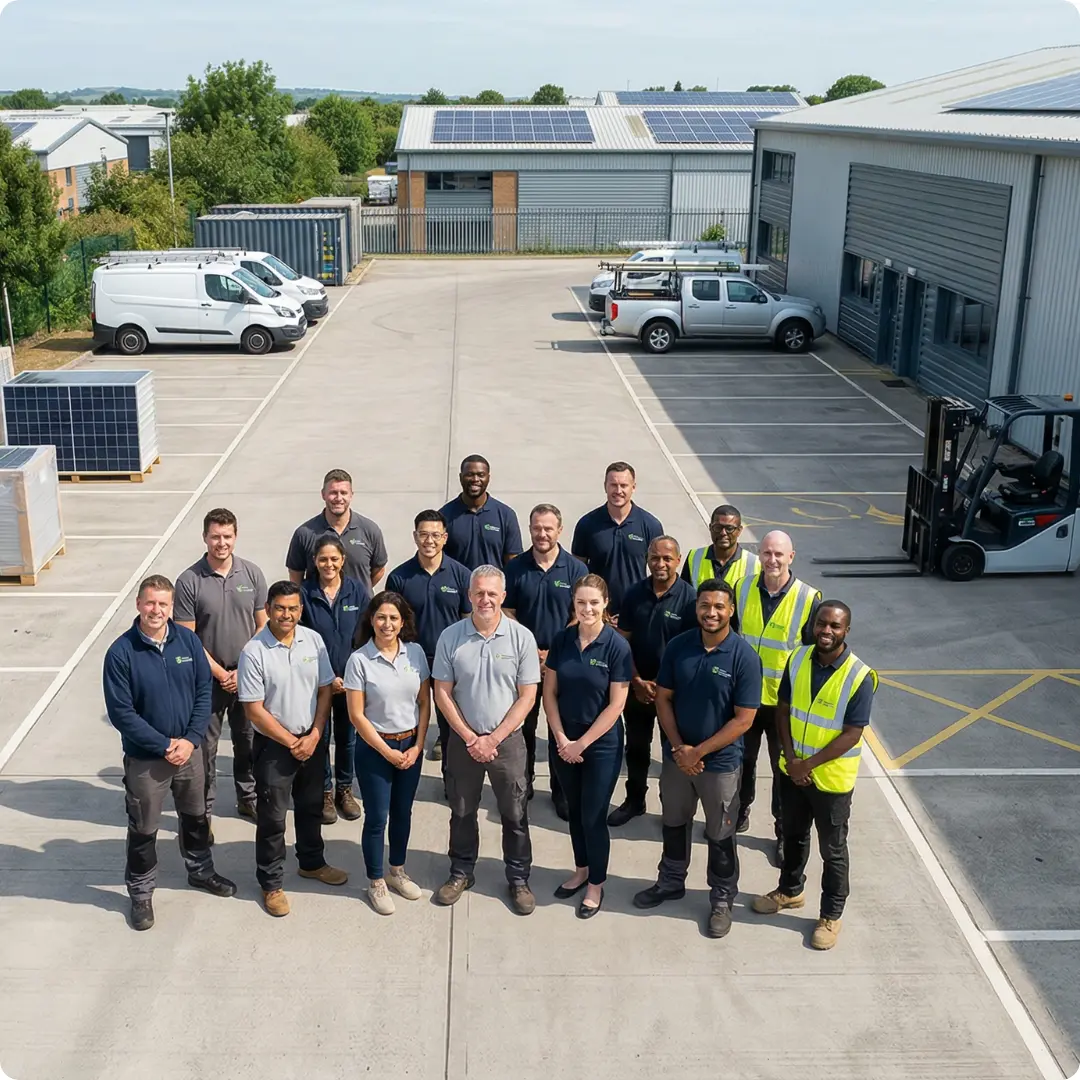
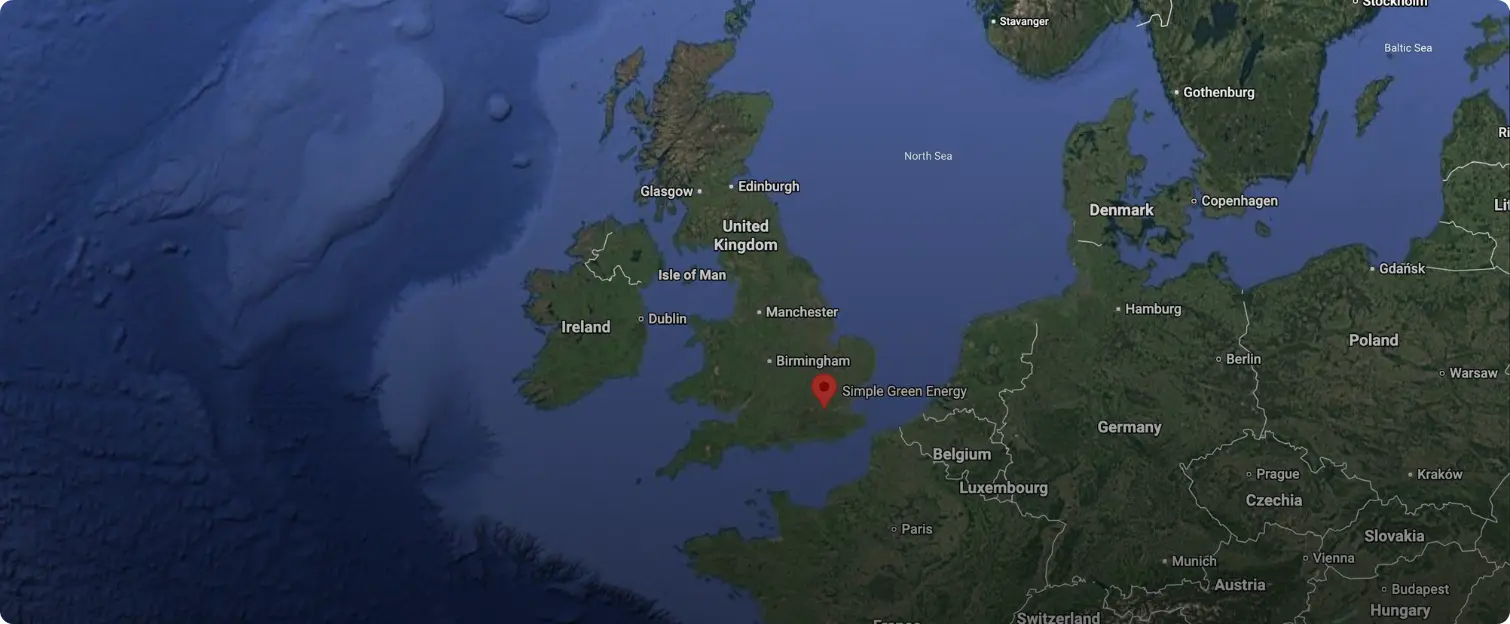
Simple Green Energy Ltd is a UK renewable and energy-efficiency installer offering air conditioning, solar PV, battery storage, EV chargers and heating solutions. For customers comparing air conditioning installation costs in the UK, Simple Green Energy Ltd can help assess the property, recommend suitable system sizes and provide a tailored quotation without relying on guesswork.
Best Air Conditioning Options by Customer Type
| Extra Cost Item | Why It May Be Needed | Possible Cost Impact |
|---|---|---|
| Longer pipe runs | Indoor and outdoor units are far apart | Low to high, depending on length and route |
| Electrical upgrades | Existing supply is not suitable | Moderate to high |
| Scaffolding/access equipment | Outdoor unit is difficult or unsafe to reach | Moderate to high |
| Condensate pump | Gravity drainage is not possible | Low to moderate |
| Premium brand upgrade | Quieter, more efficient or designer unit chosen | Moderate to high |
| Additional indoor units | More rooms need cooling/heating | High |
| Planning/leasehold permissions | Flats, listed buildings or managed developments | Low to moderate, depending on application/admin costs |
| Annual servicing | Needed for performance, hygiene and warranty support | Usually low to moderate yearly cost |
| Extended warranty | Longer protection or service-backed warranty | Low to moderate |
UK Location Considerations
Air conditioning installation cost can vary across the UK.
London
London installations may cost more because of parking, congestion, access restrictions, labour rates, flats, leasehold permissions and limited outdoor unit locations.
Birmingham and the Midlands
Birmingham and the wider Midlands often have a mix of terraced houses, semis, flats, offices and commercial premises. Survey quality is important because access, pipe routes and outdoor condenser positioning can vary significantly.
Manchester and Leeds
Homes and offices in Manchester and Leeds may need careful assessment for older buildings, apartments, city-centre access and commercial premises.
Wales and Scotland
Planning, grant and permitted development rules can differ between England, Wales and Scotland. For example, Ofgem’s Boiler Upgrade Scheme applies in England and Wales, not Scotland.
Always check local rules, especially for flats, conservation areas, listed buildings and commercial properties.
Key Takeaway
In 2026, the realistic air conditioning unit installation cost UK range is usually £1,500–£3,500 for one professionally installed wall-mounted split system, £3,000–£10,000+ for multi-room systems and £6,000–£15,000+ for ducted air conditioning.
The cheapest quote is not always the best quote. The right price depends on room size, system type, indoor and outdoor unit location, refrigerant pipework, electrical supply, access, VAT treatment, warranty and installer quality.
A proper survey is the best way to avoid hidden costs, poor performance and incorrect sizing.
Frequently asked questions (FAQs)
Simple answers to common questions about air conditioning installation costs in the UK in 2026, including split systems, multi-split AC, portable units, running costs, F-Gas engineers, VAT, grants and choosing the right system size. Speak to Simple Green Energy.
Need an AC quote?
Speak with Simple Green Energy about survey-led air conditioning installation, system sizing, indoor and outdoor unit placement, running costs, split systems, multi-split systems and suitable cooling options for your property.
Get AC advice