



Benefits of Air Source Heat Pumps in the UK 2026
Heat pumps sound promising, but are they truly right for your home? Benefits of Air Source Heat Pumps in the UK 2026 explains how heat pumps can support lower-carbon heating, improve efficiency, reduce reliance on gas or oil, and provide heating and hot water when designed correctly for your property. It also covers costs, grants, suitability, common mistakes, and what to check before choosing one.
Get your free heat pump quote
Secure, GDPR-protected enquiry.
Find your property
No spam. No third-party sharing.
Choose a brand
Contact details
Your details stay private and protected.
Thank you
Your request has been received. Our team will contact you shortly.
Quick Answer: How can air source heat pumps benefit UK homes in 2026?
Air source heat pumps can benefit UK homes in 2026 by providing lower-carbon heating, efficient performance, and reduced reliance on gas or oil. With good insulation, correct sizing, and proper installation, they can support heating and hot water effectively.
Table of Contents
ToggleWhat Is an Air Source Heat Pump?
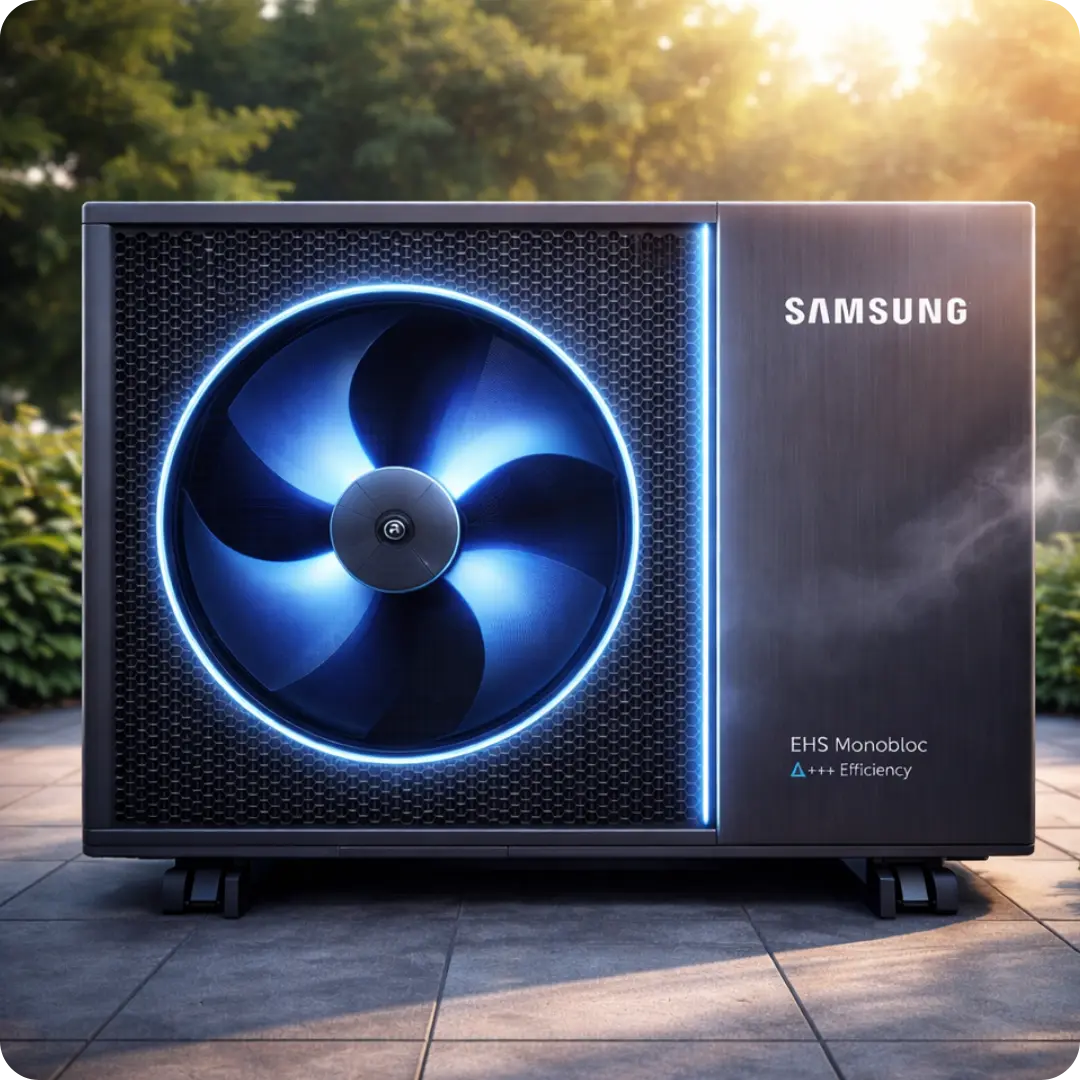
An air source heat pump is a low-carbon heating system that takes heat from the outside air and uses it to warm your home and hot water. It runs on electricity and works best when your home is properly insulated and correctly designed for the system.
How Does an Air Source Heat Pump Work?
An air source heat pump takes heat from the outside air and moves it into your home. It uses electricity to boost that heat, then sends it through your radiators, underfloor heating, or hot water cylinder. It works best when the system is correctly sized for the property.
It Takes Heat from Outside Air
An air source heat pump absorbs heat from the outside air, even when the weather feels cold. This heat is collected by the outdoor unit and passed into the system to help warm your home.
It Uses Electricity to Move Heat
Instead of burning gas or oil, a heat pump uses electricity to move and boost heat. This is what makes it different from a traditional boiler and can make it more efficient when installed correctly.
It Works with Radiators, Underfloor Heating and Hot Water Cylinders
The heat is then sent around your home through radiators, underfloor heating, or a hot water cylinder. For best results, the system must be sized properly for your property and heating needs.
What Are the Main Benefits of Air Source Heat Pumps?
Air source heat pumps can offer several benefits for UK homes, especially when the system is properly designed for the property. They can provide lower-carbon heating, improve energy efficiency, support hot water needs, and help homeowners move away from gas, oil, or LPG heating.
Lower-Carbon Heating for UK Homes
One of the biggest benefits of an air source heat pump is that it uses electricity instead of directly burning gas or oil at home. This can help reduce household carbon emissions, especially as the UK electricity grid continues to use more renewable energy.
High Energy Efficiency When Designed Correctly
Air source heat pumps can be highly efficient because they move heat rather than create it from fuel. However, the system must be correctly sized, installed, and matched to the home’s insulation, radiators, and heating demand to perform well.
Heating and Hot Water from One System
A well-designed air source heat pump can provide both central heating and hot water. It can work with radiators, underfloor heating, and a compatible hot water cylinder, making it a practical option for many UK homes.
Potential Boiler Upgrade Scheme Support
Some UK homeowners may be eligible for support through the Boiler Upgrade Scheme. This can help reduce the upfront cost of installing an air source heat pump, but eligibility should always be checked before starting the project.
Reduced Reliance on Gas or Oil
For homes using gas, oil, or LPG, an air source heat pump can reduce dependence on fossil fuel heating. This can be especially useful for off-grid properties or homeowners planning a long-term move towards cleaner energy.
Better Long-Term Heating Planning
An air source heat pump can be part of a wider home energy plan. It can work alongside insulation upgrades, solar panels, battery storage, and smart controls to make the home more efficient and future-ready.
Benefits of Air Source Heat Pump Systems at a Glance
Air source heat pumps can help UK homeowners heat their homes more efficiently, reduce carbon emissions, and move away from gas, oil, or LPG. The best results come when the system is properly designed around the property’s insulation, heat demand, radiators, and hot water needs.
Are Air Source Heat Pumps Cheaper to Run?
Air source heat pumps can be cheaper to run in some UK homes, but it is not guaranteed. Running costs depend on how well the system is designed, how much heat the property loses, the electricity tariff, and what heating system it replaces.
What Affects Running Costs?
The biggest factor is efficiency. A heat pump works best when the home is well insulated, the radiators are correctly sized, and the system can run at lower flow temperatures without working too hard.
Heat Pump vs Gas Boiler Running Costs
A gas boiler may have a lower upfront cost, but a heat pump can use energy more efficiently when installed correctly. The final running cost depends on electricity and gas prices, home insulation, heat demand, and how the system is used day to day.
How Much Does an Air Source Heat Pump Cost in the UK?
The cost of an air source heat pump in the UK can vary widely because every home has different heating needs. The final price depends on the system size, property layout, insulation, hot water setup, and whether any radiator or pipework upgrades are needed.
Installation Cost Factors
Several things can affect the total installation cost, including the size of the property, heat loss, cylinder requirements, radiator upgrades, access, electrical work, and the chosen heat pump brand. A proper survey is the best way to understand the real cost for your home.
What Should Be Included in a Quote?
A good heat pump quote should clearly show the heat pump model, system size, cylinder details, radiator changes, controls, labour, commissioning, warranty, and any grant support. It should also explain what is excluded, so there are no surprises later.
Advantages and Disadvantages of Air Source Heat Pumps
Home charging is usually the easiest option for everyday EV use, especially if you have a driveway or private parking. You can plug in overnight, use cheaper off-peak tariffs, and start each day with a charged battery.
Public charging is more useful when you are travelling, do not have home charging, or need a quick top-up during the day. It gives flexibility, but prices, availability and charging speeds can vary by location and network.
Why the Disadvantages Matter
The disadvantages are not always deal-breakers, but they should be checked early. A heat pump works best when the system is designed around the home, not just fitted like a standard boiler replacement.
Is an Air Source Heat Pump Right for Your Home?
An air source heat pump can be a good choice if your home can hold heat well and has enough space for the right setup. Suitability depends on insulation, heat loss, radiator size, hot water needs, and outdoor unit placement.
Your Home May Be Suitable If…
Your home may be suitable if it has good insulation, suitable radiators or underfloor heating, space for an outdoor unit, and room for a hot water cylinder. It is also a strong option if you want to move away from gas, oil, or LPG heating.
It May Need More Checks If…
Your home may need more checks if it has poor insulation, small radiators, high heat loss, limited outdoor space, or no room for a cylinder. These issues do not always rule out a heat pump, but they should be reviewed before quoting.
Which UK Homes Benefit Most from Air Source Heat Pumps?
Air source heat pumps usually work best in homes that are ready for low-temperature heating. The biggest benefits are often seen where the property is well insulated, currently uses oil or LPG, or is part of a wider home energy upgrade plan.
Well-Insulated Homes
Well-insulated homes hold heat for longer, so the heat pump does not have to work as hard. This can improve comfort, efficiency, and running performance.
Homes Replacing Oil or LPG Heating
Homes that currently use oil or LPG may benefit because a heat pump can reduce reliance on delivered fuel. This is especially useful for rural or off-gas properties.
Homes Planning Solar Panels or Battery Storage
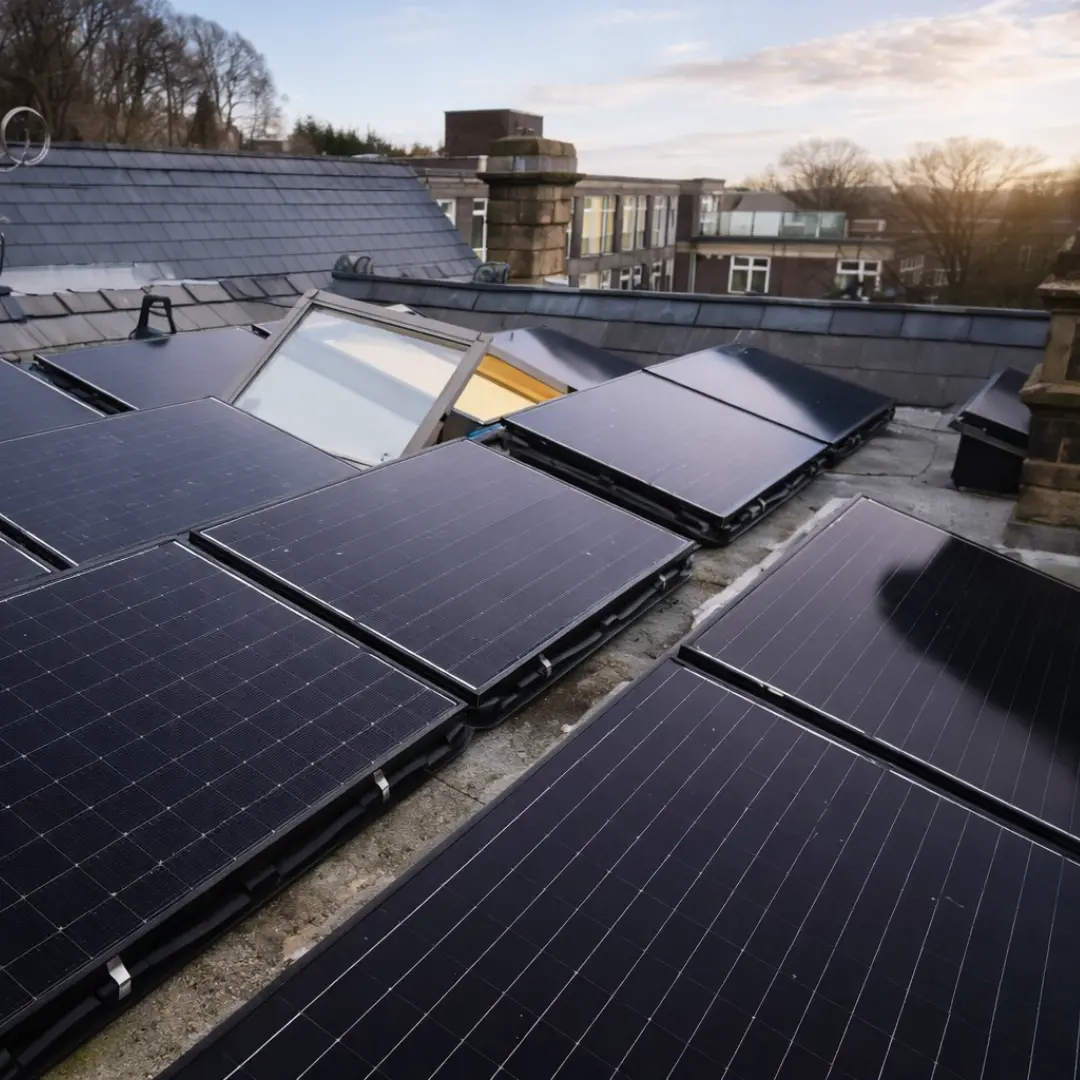
A heat pump can fit well into a wider energy setup with solar panels or battery storage. This can help homeowners use more of their own generated electricity and plan for long-term energy savings.
What Grants Are Available for Air Source Heat Pumps in 2026?
In 2026, eligible homeowners in England and Wales can get support through the Boiler Upgrade Scheme, which offers £7,500 towards an air-to-water air source heat pump. The grant helps reduce upfront cost, but it does not mean every property automatically qualifies.
Boiler Upgrade Scheme Support
The Boiler Upgrade Scheme is designed to help replace fossil fuel heating systems with low-carbon alternatives. The installer usually applies for the grant, and the amount is deducted from the installation cost rather than paid directly to the homeowner.
Why Eligibility Should Be Checked Early
Eligibility should be checked before quoting because the property, existing heating system, installer certification, and system type can all affect approval. Checking early avoids delays, wrong assumptions, and unexpected costs later.
Common Mistakes to Avoid Before Choosing a Heat Pump
Before choosing a heat pump, do not focus only on price. Check whether your home is suitable first. Poor insulation, wrong radiator sizes, skipped heat loss calculations, and unclear quotes can all affect performance, comfort, and running costs.
Air Source Heat Pump vs Gas Boiler: What Should You Consider?
An air source heat pump is better for lower-carbon heating, while a gas boiler is often cheaper and simpler to install. The right choice depends on your home’s insulation, budget, radiator setup, hot water needs, running costs, and long-term energy plans.
Can Air Source Heat Pumps Work with Solar Panels?
Yes, air source heat pumps can work with solar panels. Solar panels can help power the home’s electricity use, including part of the heat pump demand. The benefit depends on system size, battery storage, heating usage, and how much solar energy is available during the day.
Practical Tips to Get the Best from an Air Source Heat Pump
To get the best from an air source heat pump, focus on the whole home, not just the unit. Good insulation, correct radiator sizing, smart controls, and proper system settings all help improve comfort and efficiency. A clear handover also matters, so you know how to use the system properly.
Final Thoughts: Are the Benefits Worth It?
Air source heat pumps can be worth it for many UK homes, especially when the property is well insulated and the system is designed correctly. The biggest benefits come from lower-carbon heating, efficient performance, and reduced reliance on gas, oil, or LPG.
FAQs
Frequently asked questions (FAQs)
Simple answers to common questions about air source heat pump cost in the UK, including installation prices, grant support, running costs, radiator upgrades, hot water cylinders, and whether the system is worth the investment. Speak to Simple Green Energy.
Want an accurate cost?
Speak with Simple Green Energy to check your property, heat pump size, grant eligibility, radiator setup, hot water needs, and expected installation cost.
Get heat pump quote