
Portable Solar Panels in the UK: 2026 Guide
Solar power does not always need to start on your roof. Portable Solar Panels in the UK (2026) answers the key question many people ask: are they actually worth using? This guide explains how portable solar panels work, what they can power, UK weather limitations, costs, safety points, and when they are a smart choice for camping, caravans, garden offices or backup charging.
Get Your Solar Panel Quote
Start with your address so we can check the best solar options for your home.
Quick Answer: Are portable solar panels worth using in the UK in 2026?
Yes, portable solar panels can be worth using in the UK for camping, caravans, garden offices, outdoor work and backup charging. They are useful for small-scale power needs, but they usually cannot replace a full rooftop solar panel system.
Table of Contents
ToggleWhat Are Portable Solar Panels?
Portable solar panels are moveable solar panels that let you generate power without fixing anything to your roof. You can unfold them, place them in sunlight, and use them to charge phones, laptops, power stations, camping gear, caravan batteries, and small outdoor devices.
They are ideal for people who want flexible solar power for travel, garden offices, emergency backup, or occasional off-grid use.
Solar Survey and Property Assessment
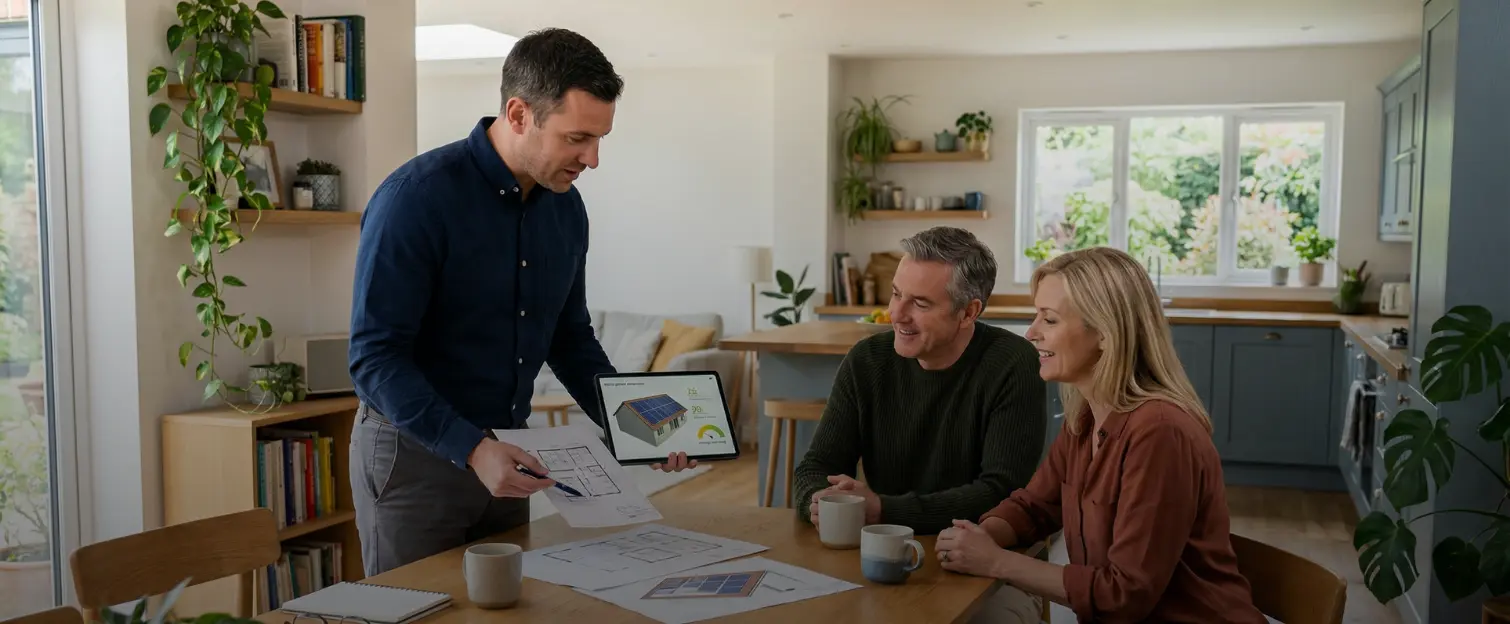
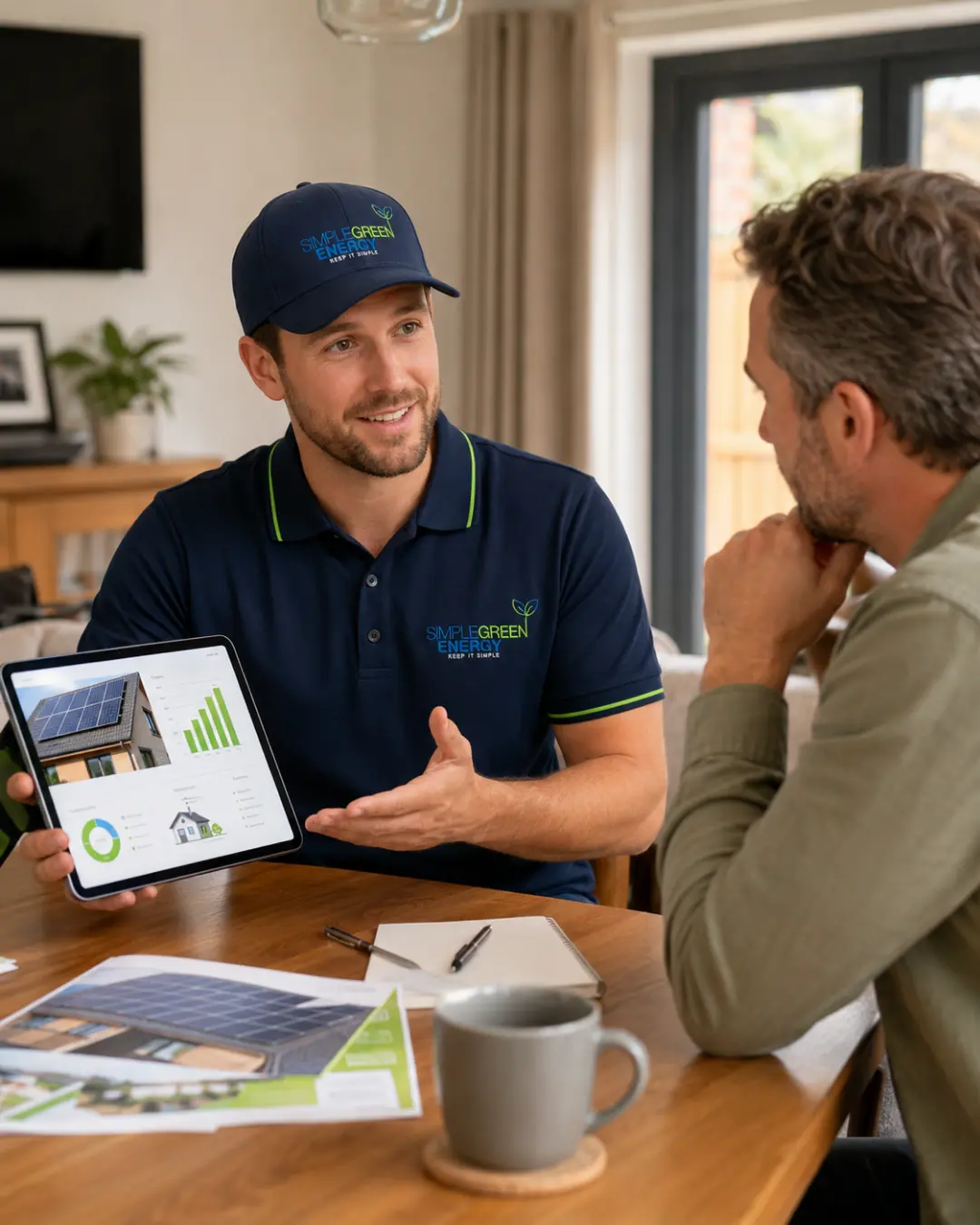
This is where a proper solar project starts. The company checks your roof size, direction, shading, condition, electricity usage, and access for scaffolding. This helps them understand whether your home is suitable and what type of system will work best.
How Portable Solar Panels Are Different from Rooftop Solar Panels
Portable solar panels are designed for flexibility, while rooftop solar panels are designed for long-term home energy savings.Rooftop solar panels are fixed to your property and usually connected to your home’s electrical system. Portable panels are smaller, lighter, and can be moved wherever sunlight is available.
In simple terms, rooftop solar is for powering your home. Portable solar is for powering smaller things when and where you need them.
Common Types of Portable Solar Panels
The most common types include folding solar panels, flexible solar panels, briefcase-style panels, solar chargers, and portable panels used with power stations.
Folding panels are popular for camping and outdoor use. Flexible panels are useful where space is limited. Solar chargers are best for phones and small devices, while larger portable panels work well with battery power stations for stronger backup power.
How Do Portable Solar Panels Work?
Portable solar panels capture sunlight and turn it into electricity. You place the panel in direct sunlight, connect it to a device, battery, or portable power station, and it starts generating power.
They work best when the panel is angled properly, kept clear of shade, and matched with the right battery or device.
What Does Wattage Mean?
Wattage tells you how much power a solar panel can produce in ideal conditions.
For example, a 100W panel can produce up to 100 watts, but real output is often lower because of clouds, shade, angle, and season. Higher wattage usually means faster charging and more power for larger devices.
Why Battery Storage Matters
A battery stores the power your panel generates, so you can use it later when the sun is weak or gone.
Without battery storage, you can only use solar power while the panel is actively generating. For camping, caravans, garden offices, and backup use, a portable power station makes the setup much more practical.
What Affects Performance in the UK?
UK weather can be unpredictable, so portable solar panels will not always perform at full power.
The main factors are sunlight, cloud cover, shade, panel angle, season, dirt on the panel, and battery size. Summer days usually give better results, while winter and cloudy days reduce output. Keeping the panel clean and facing strong sunlight makes a big difference.
What Can Portable Solar Panels Power?
Portable solar panels are best for everyday low-power items rather than running a whole home. They can charge phones, tablets, cameras, laptops, lights, drones, Wi-Fi routers and portable power stations. With the right battery setup, they can also support camping gear, caravan equipment and small outdoor workspaces.
Larger appliances need more power, so always check the wattage before connecting anything.
Small Devices
Portable solar panels are ideal for small devices such as phones, tablets, cameras, USB lights, drones, Wi-Fi routers and power banks. These items do not need huge amounts of energy, making them a good match for compact solar chargers or folding panels.
They are especially useful when travelling, working outside or staying somewhere without easy plug access.
Camping and Caravan Equipment
For camping, caravans and motorhomes, portable solar panels can help top up leisure batteries and power low-energy items like lights, fans, cool boxes and small appliances.
They are a handy option when you are away from mains electricity and want a quieter, cleaner alternative to relying only on hook-up points or generators.
Garden Offices and Outdoor Workspaces
Portable solar panels can support light use in garden offices, sheds and outdoor work areas. They can help charge laptops, run small lights, power routers and keep basic devices topped up.
However, they are not usually suitable for heavy heating, kettles, large printers or high-demand tools unless paired with a powerful battery system.
Emergency Backup Power
Portable solar panels can be useful during power cuts by topping up a portable power station. This can help keep phones, lights, routers and small essentials running.
They should be seen as backup support, not a full home power solution. Running large appliances or the whole house would need a much bigger system.
Are Portable Solar Panels Worth It in the UK?
Portable solar panels can be worth it if you need flexible power for small devices, camping trips, caravans, garden offices or emergency backup. They are easy to move, simple to use and useful when mains electricity is not available.
However, they are best for small-scale power needs. If your main goal is cutting household electricity bills, a fixed rooftop solar system will usually offer better long-term value.
When They Are Worth Considering
Portable solar panels are a smart choice if you want power on the move. They are ideal for camping, motorhomes, festivals, outdoor work, garden offices, sheds and charging portable power stations.
They are also useful for renters or homeowners who want solar power without installing panels on the roof.
When They May Not Be the Best Choice
Portable solar panels may not be right if you want to power large appliances, heat your home or make serious savings on your electricity bill.
They also rely on sunlight, so UK weather, shade and winter conditions can reduce performance. For full home energy use, rooftop solar panels are usually the stronger option.
Portable Solar Panels vs Rooftop Solar Panels
Portable solar panels are best for flexible, small-scale power, while rooftop solar panels are better for long-term home energy savings. The right choice depends on whether you need power on the move or a fixed system for your property.
How Much Do Portable Solar Panels Cost in the UK?
Portable solar panel costs in the UK depend on how much power you need. A small charger for phones will cost much less than a folding panel with a portable power station for camping, caravans or backup use.
The key is not just the panel price — it is whether the setup can actually power what you need.
Typical Price Ranges by Setup
Small solar chargers are usually the cheapest option and work well for phones, lights and power banks. Mid-range folding panels are better for laptops, camping gear and small power stations. Larger panel-and-battery kits cost more but offer stronger backup power and better off-grid use.
What Affects the Price?
The price usually depends on panel wattage, build quality, brand, portability, weather resistance, cable type, warranty and whether a battery or power station is included.Higher wattage panels cost more, but they can charge faster and support bigger devices. Cheaper panels may suit occasional use, while stronger kits are better for regular outdoor or backup power.
Cheap vs Premium Portable Solar Panels
Not all portable solar panels are built for the same job. A cheap panel can be fine for charging a phone or power bank now and then, but it may struggle with faster charging, poor weather or regular outdoor use.
Premium portable solar panels usually cost more, but they often give better output, stronger durability, better connectors and improved compatibility with portable power stations.
Portable Solar Panels, Plug-In Solar and UK Rules in 2026
Portable solar panels are not all used in the same way. Some are simple off-grid panels for charging devices and power stations, while plug-in solar panels are designed to feed small amounts of electricity into a home. In 2026, the UK government announced plans to make plug-in solar available in shops “within months,” but buyers should still follow product instructions and safety guidance carefully.
Portable Panels for Devices and Power Stations
These are the simplest type of portable solar panels. They are usually used to charge phones, laptops, cameras, camping gear, leisure batteries or portable power stations.They are not connected to your home electrics, which makes them useful for camping, caravans, garden offices, outdoor work and backup charging. Their main limit is power output, so they are best for small and medium devices rather than heavy appliances.
Plug-In Solar for Homes
Plug-in solar is different because it is designed to connect to a home and help reduce the electricity you use from the grid.
These systems are expected to be smaller and easier to use than rooftop solar, but they still need to meet UK safety and connection rules. They may suit flats, balconies, renters or homes without suitable roof space, but they are not a full replacement for a professionally installed solar PV system.
Smart Export Guarantee and Portable Solar
he Smart Export Guarantee pays eligible homes for surplus electricity exported to the grid. It usually applies to certified solar PV systems with a suitable smart meter, not basic portable panels used for charging devices. GOV.UK says SEG applicants need an installation and installer certified through MCS or an equivalent scheme such as Flexi-Orb.
So, if you are using a folding panel with a power station, SEG is unlikely to apply. If you want export payments, check the system, certification and supplier rules before buying.
How to Choose the Best Portable Solar Panel for Your Needs
The best portable solar panel is not always the biggest or most expensive one. It depends on what you want to power, where you will use it, and whether you need energy stored for later.
Start by checking your devices first. A phone or camera needs far less power than a laptop, cool box, caravan battery or portable power station.
A small panel is fine for light charging. For camping, garden offices or backup power, choose a stronger panel with a reliable portable battery.
Questions About Equipment
Ask which panel brand, inverter and battery system will be used. Check the warranties, product quality and whether the equipment is MCS certified. Good equipment should match your home’s needs, not just look impressive on the quote.
Questions About Savings
Ask how the savings estimate has been calculated. A reliable company should consider your energy tariff, daytime usage, export income, roof direction, shading and system size. If your usage changes, your savings may change too, so the estimate should be realistic.
Questions About Aftercare
Ask who you contact after installation, whether monitoring support is included, what happens if the inverter has a fault, and how long the workmanship is covered. Solar is a long-term investment, so aftercare should be clear from day one.
Portable Solar Panels for Camping, Caravans and Motorhomes
Portable solar panels are a great match for outdoor trips because they give you power without relying fully on campsite hook-ups. They can help keep phones, lights, cameras, cool boxes, leisure batteries and portable power stations topped up while you are away from mains electricity.
They work best when placed in direct sunlight and moved during the day for better charging.
Camping Use
For camping, portable solar panels are useful for charging small essentials like phones, torches, speakers, cameras and power banks. A lightweight folding panel is easy to pack, quick to set up and handy when you are staying off-grid.
They are not for heavy appliances, but they are perfect for keeping the basics running.
Caravan and Motorhome Use
For caravans and motorhomes, portable solar panels can help top up leisure batteries and support low-power items such as lights, fans, small fridges and charging ports.
They give you more freedom when parked away from electric hook-up points, especially on longer trips or quiet rural stays.
Festival and Outdoor Event Use
At festivals and outdoor events, portable solar panels can keep your phone, camera, lights and power bank charged without hunting for plug sockets.
They are especially useful for long weekends, remote events and group trips where everyone needs a bit of extra power.
Common Mistakes to Avoid
Portable solar panels are simple to use, but a few small mistakes can lead to poor performance, slow charging or unsafe setups. Before buying or connecting anything, check what the panel can actually handle and how you plan to use the power.
Expecting Maximum Wattage All Day
A 100W panel does not produce 100 watts every hour of the day. That rating is based on ideal test conditions. In real UK weather, output changes with clouds, angle, shade and season.
Buying Without Checking Device Power Needs
Always check how much power your devices need. Watts show how much power something uses, while watt-hours show how much energy a battery can store. A phone needs very little power, but a cool box, laptop or appliance needs much more.
Ignoring Shade
Even a small amount of shade can reduce solar output. Trees, walls, tents, roof racks or cloudy spots can all affect charging. Place the panel where it gets the strongest, clearest sunlight.
Forgetting About Storage
Without a battery, you can only use the power while the sun is shining. A portable power station stores the energy, so you can charge devices later, at night or during cloudy periods.
Using Unsafe Home Connections
Do not connect portable panels to your home electrics unless the product is specifically designed for that use and follows UK safety guidance. Basic camping panels and power station panels are not the same as home plug-in solar systems.
Choosing Only by Price
The cheapest panel is not always the best value. Check the warranty, cable quality, connectors, weather resistance, weight, brand support and battery compatibility before buying.
Practical Tips to Get More Power from Portable Solar Panels
Portable solar panels work best when you use them with a little planning. Small changes in position, angle and setup can make a big difference to how much power you get.
Place the panel in direct sunlight, away from shade, and tilt it towards the strongest light. Move it during the day if needed, especially when camping or using it outdoors.
Keep the panel clean, check the cables are secure, and use a compatible battery or power station so you can store energy for later. For the best results, match the panel size to your devices instead of expecting one small panel to do everything.
Final Thoughts: Are Portable Solar Panels Right for You?
Portable solar panels are a smart choice if you want flexible power for camping, caravans, garden offices, outdoor work or emergency backup. They are easy to move, simple to set up and useful when mains electricity is not nearby.
They are not designed to run a whole home or replace rooftop solar panels. But if you want practical power for smaller devices and occasional off-grid use, they can be a handy and worthwhile option.
Frequently asked questions (FAQs)
Simple answers to common questions about solar panel costs, yearly savings, battery storage, cloudy-day performance, roof suitability, lifespan, and selling unused electricity back to the grid. Speak to Simple Green Energy.
Want to check your roof?
Speak with Simple Green Energy to check whether your property is suitable for solar panels, including roof direction, shading, available space, battery options, expected savings, and installation requirements.
Check solar suitability