




Average Cost of Air Source Heat Pump Installation in the UK (2026)

Home Charging Point Grant UK: 2026 Eligibility Guide

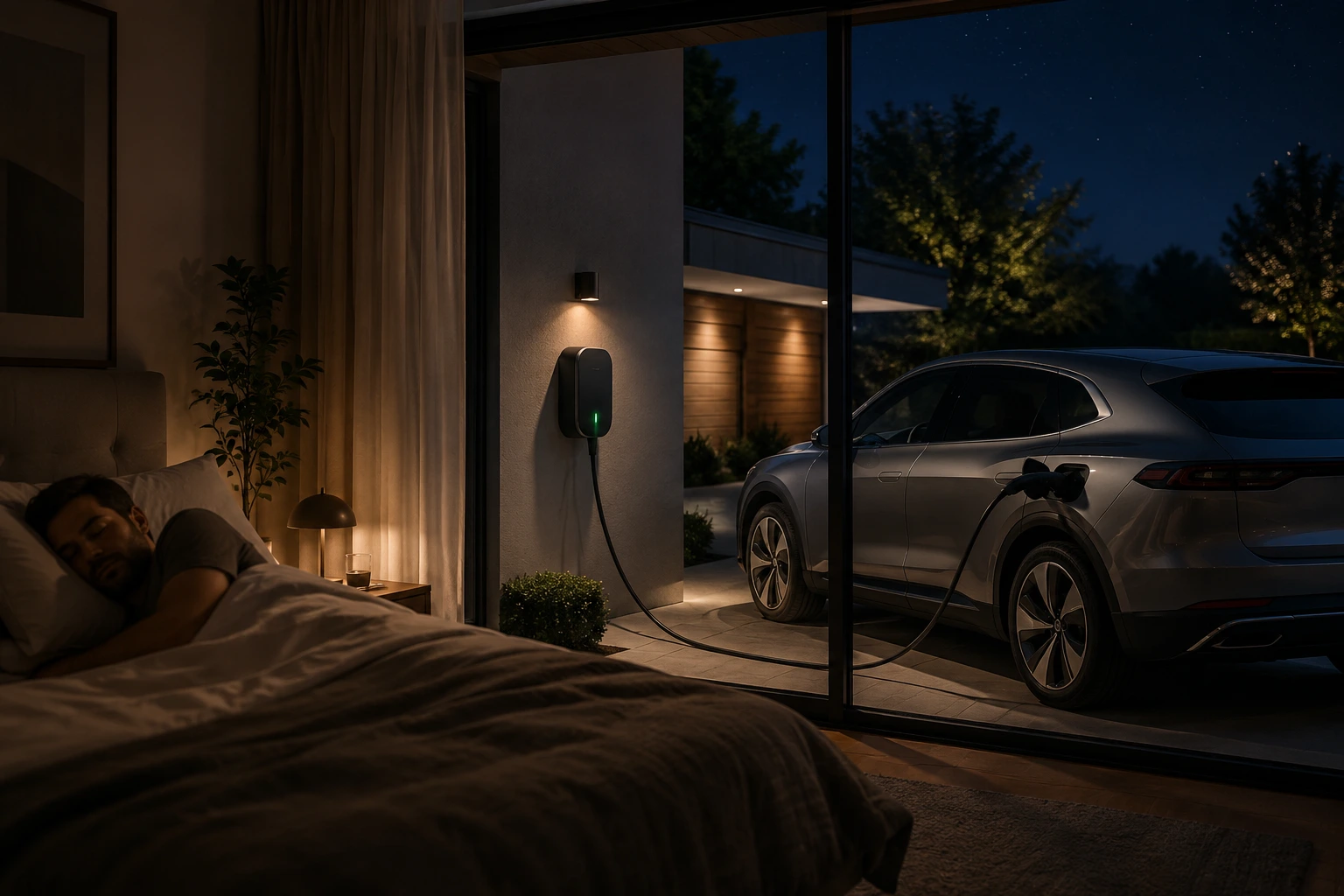
The Home Charging Point Grant can help eligible UK renters, flat owners and some households with on-street parking reduce the cost of installing an EV chargepoint. In 2026, eligible applicants may get up to £500 towards the cost, but the rules depend on property type, parking access and grant category.

Quick Answer: Can I get help paying for a home EV charger in the UK?

A home charger can make EV ownership easier, but the grant rules depend on whether you rent, own a flat, have off-street parking, or need an on-street charging solution.

What Is the Home Charging Point Grant?

The Home Charging Point Grant is a common term for the UK government’s EV chargepoint grant, which helps eligible people reduce the cost of installing a home EV charger.

It is not available to every homeowner. In 2026, support is mainly for:

  • Renters and flat owners
  • Homes with on-street parking
  • Residential landlords

In short, it helps make home EV charging more affordable for people who meet the eligibility rules.

How Much Is the Home Charging Point Grant in 2026?

In 2026, eligible applicants can get 75% off the cost of buying and installing a home EV charger socket, up to £500. From 1 April 2026, the maximum grant increased from £350 to £500 per socket.

Does the Grant Cover the Full Charger Installation Cost?

Usually, no. The grant helps reduce the cost, but it does not always cover the full charger installation.

For example, if your EV charger installation costs £900, the grant may cover up to £500, and you would pay the remaining £400.

The final price can be higher if your home needs extra cabling, electrical upgrades, a longer cable route, or more complex installation work.

Who Is Eligible for the UK EV Charger Grant?

You may qualify for the UK EV chargepoint grant if you meet both the property and vehicle requirements.

Property Requirements

You may be eligible if:

  • You rent and live in a residential property
  • You own and live in a flat
  • Your flat is under a shared ownership scheme
  • You have private off-street parking, such as a driveway or allocated parking space

Vehicle Requirements

You may also need to:

  • Own, lease or use an OZEV-approved electric vehicle
  • Have the vehicle for at least 6 months
  • Have ordered an eligible EV or plug-in hybrid

How Does the Home Charging Point Grant Work?

The Home Charging Point Grant is usually handled through an approved process — it is not simply paid to you as cash.

Grant Details 2026 Amount
Maximum support 75% of cost
Grant cap Up to £500 per socket
Previous cap £350
Covers full cost? Not always

What Costs Are Not Covered by the Grant?

You may not be eligible for the EV chargepoint grant if:

  • You are moving home or planning to move soon
  • You have already claimed this grant or an older EVHS/Domestic Recharge Scheme grant
  • You rent a property where your landlord also lives
  • You only want to replace an existing chargepoint
  • Your property is in the Channel Islands or Isle of Man
  • You live as a lodger and do not have private off-street parking

In short, the grant is mainly for eligible renters and flat owners with suitable parking — not for every property or situation.

Practical Tips Before Choosing a Home EV Charger

Before choosing a home EV charger, make sure it suits your car, home and charging habits.

✅ Quick checklist:

  • Check grant eligibility first
  • Confirm your parking setup
  • Choose tethered or untethered
  • Check compatibility with your EV
  • Consider smart charging tariffs
  • Ask about solar-compatible chargers
  • Check warranty and aftercare
  • Get a clear quote before installation

Should You Choose a Smart Charger?

Yes, in most cases. Most modern home EV chargers are smart chargers, which means you can schedule charging, track usage and make better use of cheaper off-peak electricity tariffs.

Should You Choose a Solar-Compatible Charger?

A solar-compatible charger is worth considering if you already have solar panels or plan to install solar PV in the future. It can help you use more of your own solar energy for charging, but it is not essential for every home.

Practical Tips Before Choosing a Home EV Charger

Your home layout can make a big difference to the final EV charger installation cost and setup.

✅ Local installation checklist:

  • Driveway layout — is there space near the house?
  • Allocated parking — does the cable route reach safely?
  • Flats/apartment blocks — is permission needed?
  • Terraced homes — is on-street parking the only option?
  • Consumer unit location — is it close to the charger?
  • Cable route — will it need extra trunking or groundworks?
  • Wi-Fi signal — will the smart charger stay connected?
  • Solar PV or battery — do you want future energy integration?

A simple driveway install is usually easier, while flats, long cable routes and on-street parking can need extra planning.

Final Thoughts: Should You Apply for a Home Charging Point Grant?

Yes — if you are eligible, it is worth checking before you install.

The grant is most useful for renters, flat owners and homes with on-street parking, where charger installation can be more expensive or less straightforward.

It can reduce your upfront cost, but it does not replace good planning. Your parking setup, charger choice, cable route and installer quality still matter.

Before booking installation, check your eligibility, compare your options and get a clear quote from an approved installer.

Air Source Heat Pump FAQs

Frequently asked questions (FAQs)

Simple answers to common questions about air source heat pump costs, grants, running costs, radiator upgrades, installation time, planning permission, and suitability for UK homes. Speak to Simple Green Energy.

Want to check your cost?

Speak with Simple Green Energy to check your property suitability, estimated installation cost, grant eligibility, radiator requirements, and system design.

Check suitability
Air source heat pump installation costs in the UK typically range from £8,000 to £18,000 before grants.
Yes, eligible homeowners can receive a government BUS grant to help lower the upfront installation cost.
Heat pumps can be cheaper to run in well-insulated homes with an efficiently designed heating system.
No, some homes can keep existing radiators if they are correctly sized for lower-temperature heating.
Yes, many older UK homes can use heat pumps successfully, although some may need insulation or heating upgrades.
Most air source heat pump installations are completed within a few days, depending on system complexity.
In many cases planning permission is not required, but some properties may have specific restrictions or conditions.
Step What happens
1. Check eligibility Confirm you qualify before booking anything
2. Choose installer Use an OZEV-authorised installer
3. Apply correctly Follow the right grant route for your property
4. Wait for approval Get eligibility confirmation first
5. Install charger Installer completes the work and evidence