
Solar Panels Installation in the UK (2026): Complete Homeowner Guide
Tired of rising electricity bills? Solar panels installation can help UK homeowners generate their own renewable electricity, reduce reliance on the grid, and lower energy costs. In 2026, installation costs vary depending on system size, roof suitability, and battery storage, but many households can achieve significant long-term savings while reducing their carbon footprint.
Get your free heat pump quote
Secure, GDPR-protected enquiry.
Find your property
No spam. No third-party sharing.
Choose a brand
Contact details
Your details stay private and protected.
Thank you
Your request has been received. Our team will contact you shortly.
Quick Answer: Many UK homeowners are asking the same question in 2026: are solar panels still worth installing?
Yes, for many UK households, solar panels remain a worthwhile investment in 2026. They can help reduce electricity bills, increase energy independence, lower carbon emissions, and provide long-term savings. The overall value depends on factors such as energy usage, roof suitability, system size, and whether battery storage is included.
Table of Contents
ToggleWhat Is Solar Panels Installation?
In simple terms, solar panels installation is the process of fitting a solar energy system to your home so it can generate electricity from sunlight.
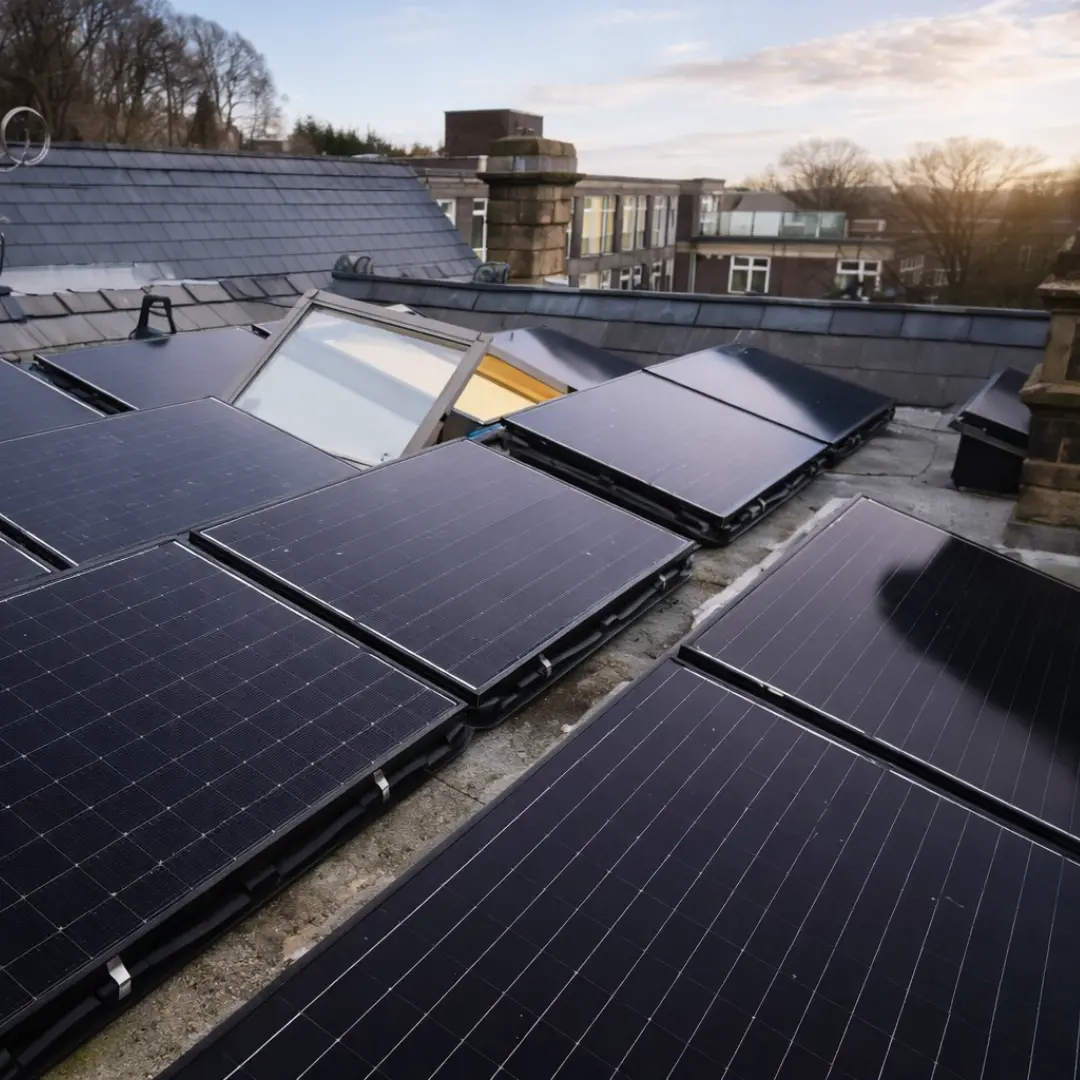
While people often say “solar panels,” a complete solar system includes more than just the panels on your roof. It typically consists of solar panels, an inverter that converts energy into usable electricity, mounting equipment, electrical connections, and, in some cases, a battery for storing unused power.
Once installed, the system helps power your home with renewable energy, reducing your reliance on the grid and helping to lower electricity bills over time.
What Components Are Included in a Solar Installation?
A solar installation is made up of several key components that work together to generate and manage electricity for your home:
- Solar Panels – Capture sunlight and convert it into electricity.
- Inverter – Converts the electricity into a form your home can use.
- Mounting System – Securely fixes the panels to your roof.
- Generation Meter – Tracks how much electricity your system produces.
- Battery Storage (Optional) – Stores unused energy so you can use it later, including during the evening.
Each component plays an important role in helping your solar system operate efficiently and maximise energy savings.
How Solar Panels Generate Electricity
Solar panels use photovoltaic (PV) cells to convert daylight into electricity for your home. They do not need direct sunshine to work and can still generate power on cloudy days. The electricity produced can be used for lighting, appliances, and everyday household energy needs, helping reduce reliance on the grid.
How Does Solar Panels Installation Work?
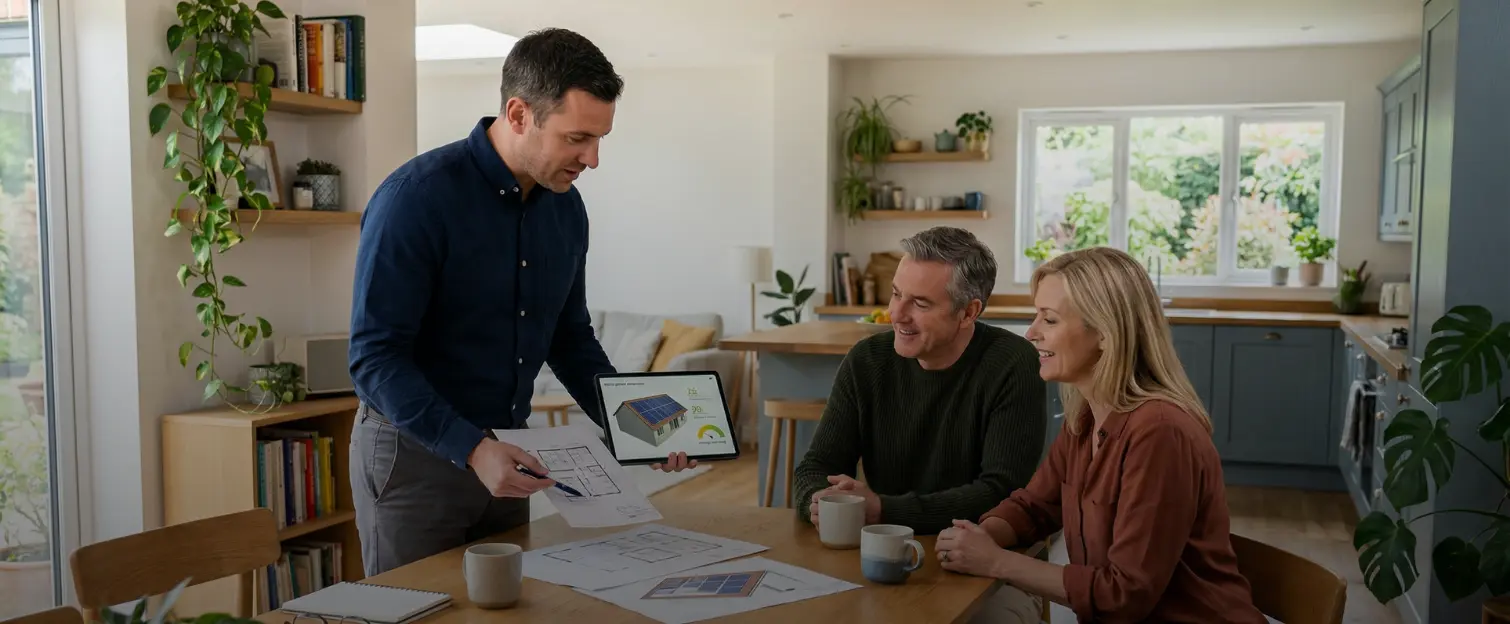
Solar panels installation involves assessing your property, designing a suitable system, fitting the equipment, and connecting it safely to your home’s electrical supply. Once installed, the system begins generating electricity from daylight, helping to reduce your reliance on grid energy and lower household electricity costs.
Initial Property Assessment
A solar installer assesses your roof, energy usage, orientation, shading, and available space to determine whether your property is suitable for solar panels.
System Design and Sizing
The system is designed based on your household’s electricity needs, roof size, and budget to maximise energy generation and savings
Installation Day
Solar panels, mounting equipment, and the inverter are installed and connected to your home’s electrical system by qualified professionals.
Testing and Commissioning
The installer tests the system to ensure it is operating safely, efficiently, and in line with industry standards before activation.
Monitoring Performance
Once installed, you can monitor energy generation and usage through monitoring software or apps, helping you track savings and system performance.
What Are the Benefits of Solar Panels Installation?
Solar panels do more than generate clean electricity. They can help UK homeowners reduce energy bills, increase energy independence, lower carbon emissions, and protect against rising electricity costs. With long-term savings and environmental benefits, solar remains a popular home improvement investment in 2026.
How Much Does Solar Panels Installation Cost in the UK?
In 2026, solar panels installation in the UK typically costs between £4,500 and £12,000+, depending on system size, roof type, battery storage, and installation complexity. While the upfront cost can seem significant, many homeowners achieve long-term savings through lower electricity bills and increased energy independence.
Typical Costs by System Size:
Several factors can influence the final cost of a solar installation:
Solar Panel Installation Cost vs Long-Term Savings:
How Much Can Solar Panels Save You?
The amount you can save with solar panels depends on your electricity usage, system size, and whether you add battery storage. In 2026, many UK homeowners can reduce their electricity bills while also earning payments for exporting unused energy back to the grid.
Savings Examples:
Factors That Affect Savings:
Are Solar Panels Suitable for Your Property?
Solar panels can work on many different property types, not just perfectly south-facing roofs. Factors such as roof orientation, available space, shading, and energy usage will influence performance and potential savings.
Solar Panels Installation in UK Homes and Climate Conditions
Despite the UK’s reputation for cloudy weather, solar panels perform well across the country because they generate electricity from daylight, not just direct sunshine. While output varies by location and season, solar can provide valuable energy savings throughout the year.
Do Solar Panels Work in Cloudy Weather?
Yes. Solar panels continue generating electricity on cloudy days, although output is lower than during bright sunshine.
Regional Performance Across the UK
Southern regions generally generate slightly more solar energy, but systems across England, Wales, Scotland, and Northern Ireland can still perform effectively.
Seasonal Energy Generation
Solar production is typically highest during spring and summer and lower during autumn and winter when daylight hours are shorter.
Practical Tips Before Installing Solar Panels
Before choosing a solar system, take a little time to compare your options and plan for future energy needs.
✔ Obtain Multiple Quotes – Compare prices, equipment, and installation packages.
✔ Check Installer Certifications – Choose a qualified and reputable installer.
✔ Review Warranties – Understand what’s covered for panels, inverters, and workmanship.
✔ Consider Future Energy Use – Think about EV charging, heat pumps, or growing electricity demand.
✔ Evaluate Battery Options – Consider whether storing excess solar energy could increase your savings.
FAQs
Frequently asked questions (FAQs)
Simple answers to common questions about air source heat pump cost in the UK, including installation prices, grant support, running costs, radiator upgrades, hot water cylinders, and whether the system is worth the investment. Speak to Simple Green Energy.
Want an accurate cost?
Speak with Simple Green Energy to check your property, heat pump size, grant eligibility, radiator setup, hot water needs, and expected installation cost.
Get heat pump quoteFinal Thoughts: Is Solar Panels Installation Worth It in 2026?
For many UK homeowners, solar panels remain a smart long-term investment in 2026. They can help reduce electricity bills, increase energy independence, and lower carbon emissions. The best results come from choosing the right system for your property, energy usage, and future plans. While every home is different, solar continues to offer strong value for many households looking to manage rising energy costs.