

Solar Panels for Gurdwaras in the UK: Costs, Grants & ROI
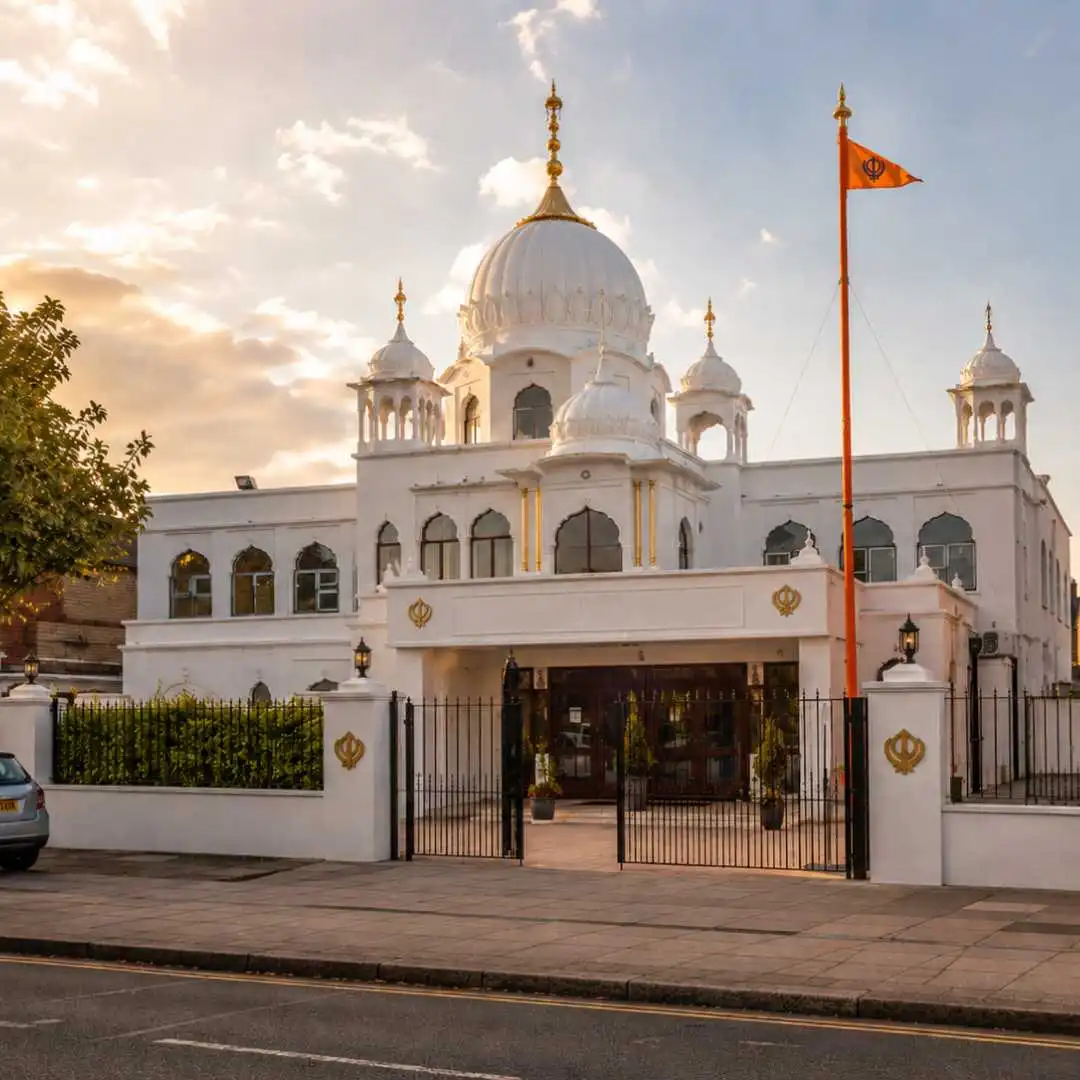
This blog explains how solar panels for Gurdwara buildings can help reduce electricity bills, support langar halls, offices, lighting and community services, and protect donation funds for future seva.
We’ll cover typical system sizes, installation costs, grant and funding options, payback periods, battery storage, planning permission, MCS certification and the key information committees need before getting a solar quote.
Get Your Solar Panel Quote
Start with your address so we can check the best solar options for your home.
Quick Answer: Are Solar Panels Worth It for Gurdwaras?
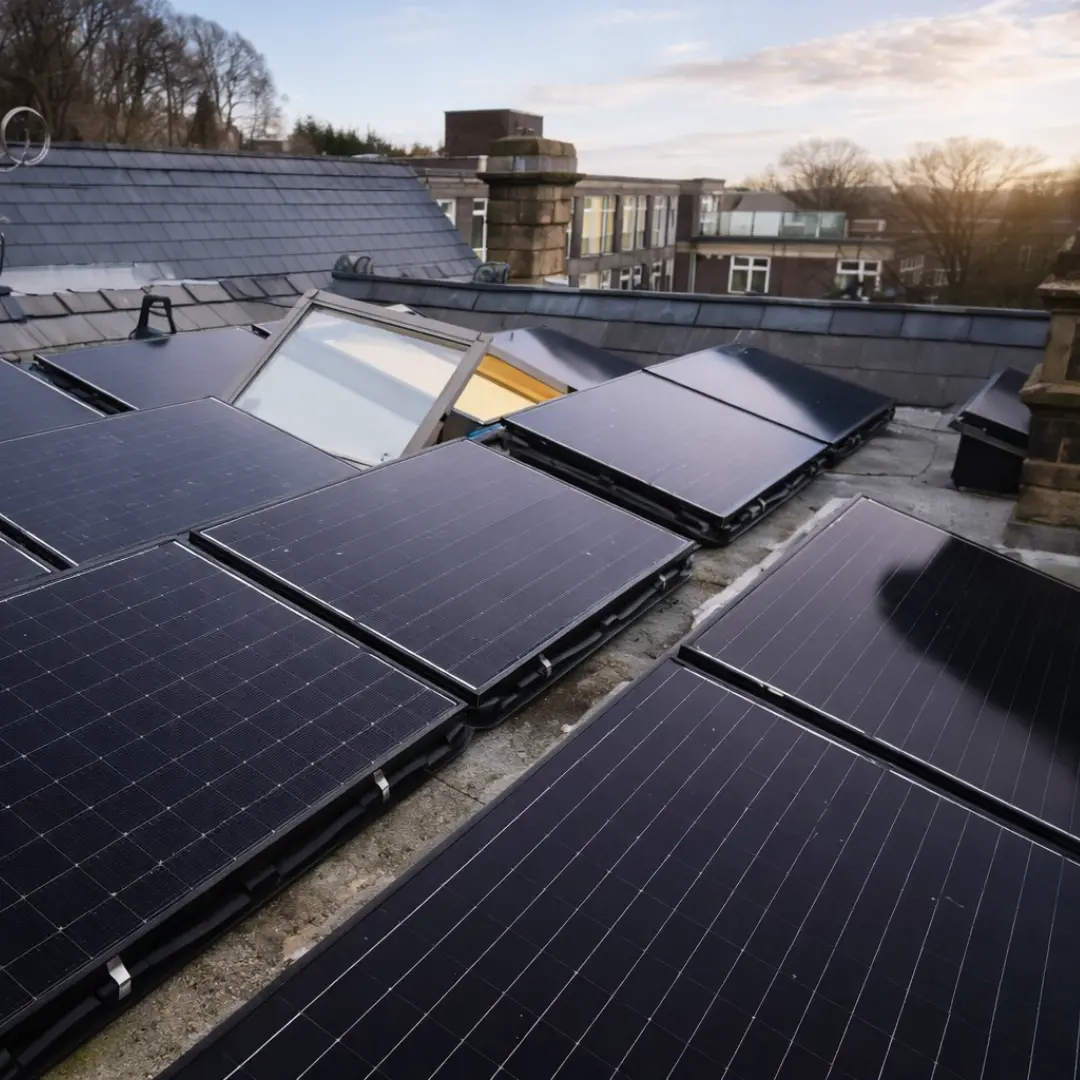
Yes, solar panels can be worth it for many UK Gurdwaras, especially where the building uses electricity during the day for langar preparation, lighting, offices, community services and events. A medium-sized Gurdwara may consider a 30kWp to 100kWp solar PV system depending on roof space and electricity usage. Payback often depends on system size, electricity rate, self-consumption, grants and whether battery storage is added.
Table of Contents
Toggle| Question | Simple Answer |
|---|---|
| Typical system size | 30kWp–100kWp for many medium to large Gurdwaras |
| Best roof type | Large, unshaded, south-facing, east-facing, or west-facing roofs |
| Main benefit | Lower grid electricity bills |
| Payback period | Often around 4–7 years without grants; shorter with funding |
| Funding options | Community energy funds, charity grants, local council schemes, Smart Export Guarantee payments, and possible VAT relief |
| Best next step | Review 12 months of electricity bills |
Smart Export Guarantee pays eligible small-scale generators for exported electricity, but the Gurdwara must sign up to an SEG tariff and meet supplier criteria.
Why Gurdwaras Are Well Suited to Solar Panels
A Gurdwara is not used like a normal office or warehouse. The building often supports the community seven days a week.
Electricity may be used for:
- Darbar Sahib lighting
- Langar hall lighting and ventilation
- Kitchen equipment
- Fridges and freezers
- Office and admin areas
- CCTV and security
- Heating controls and pumps
- Classrooms and Punjabi school
- Lifts and accessibility equipment
- Weekend and evening programmes
This type of mixed energy use can make solar panels a strong option.
The biggest benefit usually comes when the Gurdwara can use solar electricity directly during the day. Every unit of solar electricity used on site is one less unit bought from the grid.
For committees and trustees, solar is not just a technical upgrade. It is a financial decision that can help protect donation money for future community work.
How Much Do Solar Panels Cost for a Gurdwara in the UK?
The cost depends on system size, roof layout, access, electrical work, scaffolding, inverter choice, battery storage and whether any grid upgrades are needed.
As a guide, commercial solar panel systems in the UK are often estimated in the following ranges:
| Suitable For | Solar System Size | Estimated Solar Panels Quantity | Estimated Installed Cost |
|---|---|---|---|
| Small Gurdwara or community hall | 20kWp | Around 44 solar panels | £36,000–£45,000 |
| Small to medium Gurdwara | 30kWp | Around 65 solar panels | £44,000–£56,000 |
| Medium Gurdwara with regular usage | 50kWp | Around 109 solar panels | £60,000–£80,000 |
| Larger building with higher daytime use | 75kWp | Around 163 solar panels | £80,000–£105,000 |
| Large Gurdwara or high electricity use | 100kWp | Around 218 solar panels | £100,000–£140,000+ |
These figures are estimates. A recent UK commercial solar cost guide gives example ranges of £60,000–£80,000 for a 50kW system and £100,000–£140,000 for a 100kW system.
What Affects the Cost of Solar Panels for a Gurdwara?
Roof size and roof condition
A large roof can make solar more practical, but the roof must be suitable. Before installation, the structure, surface condition and access need to be reviewed.es of £60,000–£80,000 for a 50kW system and £100,000–£140,000 for a 100kW system.
Daytime electricity use
Solar panels produce electricity during the day. A Gurdwara that uses more energy during daylight hours can usually use more of its solar power directly.
Scaffolding and access
Some Gurdwaras have high roofs, multiple roof sections or limited access. This can affect installation cost.
Battery storage
A battery can store unused solar electricity for later use, but it increases the upfront cost. It should only be recommended if the usage pattern supports it.
Grid connection
Larger systems may need additional approval before connection. This should be checked during the design stage.
Listed buildings and conservation areas
Some Gurdwaras operate from older buildings, converted buildings or properties in conservation areas. If a building is listed, consent is required for photovoltaic installations, and planning permission may also be needed in conservation areas or sensitive locations.
Solar Panel Grants and Funding for Gurdwaras
There is no single UK-wide solar grant that every Gurdwara can automatically claim.
Funding depends on several factors:
- Location
- Charity status
- Ownership of the building
- Type of project
- Energy-saving impact
- Whether the scheme is open
- Whether the Gurdwara meets eligibility rules
However, there are several funding routes worth checking.
1. Community energy funding
Community energy funding may support clean energy projects that benefit local people. In February 2026, the UK government announced up to £1 billion of new funding for local energy projects, with government material specifically referencing places of worship, community centres and social clubs as examples of buildings that could benefit.
This does not mean every Gurdwara will automatically receive funding, but it shows that community buildings are part of the national clean energy conversation.
2. Local council grants
Some councils offer energy-efficiency or decarbonisation grants. These change by region and can open or close quickly.
A Gurdwara should check local council schemes, local net zero programmes and regional business/community energy funds.
3. Charity and community grants
Some funders support projects that reduce running costs, improve community buildings or lower carbon emissions.
This may be suitable where the Gurdwara is a registered charity or has a clear community benefit.
4. Smart Export Guarantee
The Smart Export Guarantee allows eligible small-scale low-carbon generators to receive payments from electricity suppliers for exported electricity, provided the criteria are met.
This is not the same as a grant. It is a payment for electricity exported to the grid.
5. Power Purchase Agreement
A Power Purchase Agreement, often called a PPA, may allow a Gurdwara to install solar with little or no upfront cost. A third party usually owns and maintains the system, and the Gurdwara buys the solar electricity at an agreed rate.
This can reduce upfront pressure, but the contract must be reviewed carefully.
6. Sangat fundraising
Many Gurdwaras may also choose to raise funds directly from the sangat. This can be powerful because the benefit is clear: lower bills, cleaner energy and more money kept inside the community.
Do Gurdwaras Pay VAT on Solar Panels?
VAT treatment can be complicated for places of worship and charitable buildings.
HMRC guidance states that a zero rate applies to the installation of certain specified energy-saving materials from 1 May 2023 to 31 March 2027, with the rate due to revert to 5% from 1 April 2027. The guidance also includes references to residential accommodation and charitable buildings in specific circumstances.
A Gurdwara should not assume VAT relief automatically applies. The committee should confirm the VAT position with the installer, accountant or tax adviser before approving the project.
Solar Panel ROI for Gurdwaras: How Long Is the Payback Period?
The payback period is the time it takes for the solar savings to recover the installation cost.
The simple formula is:
Payback period = Net installation cost ÷ Annual savings
For example:
| Item | Example |
|---|---|
| Solar system size | 50kWp |
| Estimated installation cost | £60,000–£80,000 |
| Estimated yearly saving and export income | £9,900 |
| Estimated payback period | 6.1–8.1 years |
If the Gurdwara receives grant support or raises part of the cost through donations, the payback can become shorter.
| Scenario | Net Cost | Annual Saving | Payback |
|---|---|---|---|
| No grant | £60,000–£80,000 | £9,900 | 6.1–8.1 years |
| 20% grant or funding support | £48,000–£64,000 | £9,900 | 4.8–6.5 years |
| 30% grant or funding support | £42,000–£56,000 | £9,900 | 4.2–5.7 years |
| 50% grant or donor-funded support | £30,000–£40,000 | £9,900 | 3.0–4.0 years |
The strongest return usually comes when the Gurdwara uses most of the solar electricity on site. Export payments can help, but using solar power directly normally creates better savings because it reduces electricity bought from the grid.
Example Monthly Bill Comparison Before and After Solar
The table below shows a simple example for a medium-sized UK Gurdwara.
This example assumes:
- Annual electricity use: 115,000kWh
- Current annual electricity bill: £29,900
- Solar system size: 50kWp
- Estimated solar generation: 45,000kWh per year
- Solar electricity used on site: 80%
- Solar electricity exported: 20%
- Estimated annual saving and export income: around £9,900
These figures are only an example. Actual savings depend on the Gurdwara’s tariff, roof, usage pattern, system design and export rate.
rgepoint unit, electrical components, civil works, installation labour, hardware, survey work where it leads to completed installation, and VAT incurred by the customer.
Not every cost is covered. Ongoing running costs, electricity usage, back-office subscriptions, maintenance and certain warranty extensions are not normally eligible.
Comparison of estimated bills before and after solar installation.
Projected growth including Smart Export Guarantee.
In this example, the biggest savings happen from spring to early autumn, when solar generation is higher.
For a Gurdwara committee, this type of table is useful because it shows the expected difference month by month, not just as one annual figure.
Should a Gurdwara Add Battery Storage?
Battery storage can be useful, but it is not always needed.
A battery stores unused solar electricity so it can be used later. This may help if the Gurdwara produces spare solar electricity during the day but uses more power in the evening.
However, batteries increase the project cost. For some Gurdwaras, the better first step may be installing solar panels and reviewing battery storage later.
| Situation | Is Battery Storage Useful? |
|---|---|
| High daytime electricity use | May not be essential |
| High evening use | More useful |
| Lots of exported solar electricity | Worth considering |
| Limited project budget | Start with solar first |
| Need backup power | Possible, but requires proper design |
The right answer depends on the Gurdwara’s real usage pattern. A proper assessment should compare solar-only savings with solar-plus-battery savings.
Do Gurdwaras Need Planning Permission for Solar Panels?
The business, charity or public sector oa
Many solar installations are straightforward, but planning rules should always be checked before work starts.
Extra care may be needed if the Gurdwara is:
- A listed building
- In a conservation area
- In a protected location
- In a building with heritage value
- Sharing a roof or building with other users
Historic England advises that PV systems on listed buildings or scheduled monuments require consent, and that the design should consider heritage significance, building fabric, structural loading and system efficiency.
Simple Green Energy can help review the site and advise whether further planning checks are likely to be needed.
rganisation applies through the official application process. The applicant should not install chargepoints before receiving approval.
Why MCS Certification Matters
For peace of mind, Gurdwaras should use a properly certified installer.
MCS describes itself as the UK’s quality mark for small-scale renewable energy technologies, including solar panels, heat pumps and battery storage.
Using a qualified installer helps ensure the system is designed and installed to recognised standards. It can also be important for export payments, warranties and long-term system confidence.
More Than Savings: Supporting the Sangat and the Environment
Solar panels are not only about cutting costs.
For a Gurdwara, the benefit can be wider than the electricity bill.
Lower running costs can help protect funds for:
- Langar
- Youth programmes
- Punjabi classes
- Elderly support
- Community outreach
- Building improvements
- Local seva projects
Solar also helps reduce the building’s carbon footprint. For many committees, this supports the idea of responsible stewardship: using resources wisely today while thinking about future generations.
A well-planned solar project can become something the whole sangat understands and supports.
What Information Is Needed for a Solar Quote?
To prepare an accurate solar savings estimate, the installer will usually need:
- One recent electricity bill
- Ideally 12 months of electricity bills
- Site address
- Roof photos, if available
- Details of any planned building work
- Information about future energy use
- Whether the Gurdwara is listed or in a conservation area
- Whether battery storage is being considered
The more accurate the information, the more accurate the savings estimate will be.
Frequently asked questions (FAQs)
Simple answers to common questions about solar panels for Gurdwaras in the UK, including costs, payback, grants, battery storage, langar hall electricity use and installation planning. Speak to Simple Green Energy.
Need help with solar for your Gurdwara?
Speak with Simple Green Energy about solar panel installation, system sizing, electricity bill reviews, funding options, battery storage and installation planning for Gurdwaras.
Get solar adviceGet a Free Solar Savings Report for Your Gurdwara
Every Gurdwara is different.
The right solar system depends on your roof, electricity bills, daytime usage, building type and funding options. Simple Green Energy can prepare a clear solar savings report for your committee, showing:
- Recommended system size
- Estimated installation cost
- Expected monthly bill reduction
- Annual savings
- Payback period
- Grant and funding options
- Battery storage recommendation
- Next steps for approval
Ready to see how much your Gurdwara could save?
Get a free Gurdwara solar assessment from Simple Green Energy today.