




How Much Could You Save with an Energy-Efficient Home?
An energy-efficient home can save anything from small yearly amounts through simple changes to hundreds or even more than £1,000 a year when larger upgrades reduce heat loss and improve the property’s EPC rating. This guide explains how much you could save through draught proofing, insulation, heating controls, solar panels, heat pumps and other efficiency improvements. It also compares estimated energy bills across EPC ratings, shows example saving scenarios, and explains how to calculate your own potential savings. You will also learn which upgrades to prioritise, how costs vary by budget, and which grants may help reduce installation costs.
Check your ECO4 eligibility
Answer a few quick questions to see whether your household may qualify for ECO4 support.

Quick Answer: What Should Every Consumer Know About Air Conditioning?
An energy-efficient home can save anything from small yearly amounts through simple DIY changes to hundreds or even over £1,000 a year when bigger upgrades improve the property’s EPC rating, reduce heat loss, and cut reliance on expensive grid energy.
For example, Rightmove’s July 2026 analysis estimates that a 3-bedroom semi-detached house with an EPC rating of D has an average annual energy bill of around £2,429, compared with £1,766 for EPC C, £1,043 for EPC B, and £569 for EPC A. That suggests the potential difference between a typical EPC D and EPC C home could be around £663 a year, while the gap between EPC D and EPC A could be around £1,860 a year for that property type. These figures are estimates and actual savings depend on how you use energy, your tariff, the home’s condition, and the improvements installed.
Table of Contents
ToggleEnergy-Efficient Home Savings at a Glance
| Upgrade or improvement | Typical saving or benefit | Best for |
|---|---|---|
| Draught proofing windows, floors and doors | Around £85 a year in Great Britain | Low-cost comfort improvement |
| Draught proofing an unused chimney | Around £60 a year in Great Britain | Older homes with open chimneys |
| Turning thermostat from 22°C to 21°C | Around £90 a year in Great Britain | Simple heating habit change |
| Hot water cylinder jacket | Around £40 a year in Great Britain | Homes with hot water cylinders |
| Loft insulation top-up from 120mm to 270mm | Around £20 a year in Great Britain | Homes with some existing loft insulation |
| Cavity wall insulation | Can reduce heating bills; typical GB install cost around £2,700 | Homes with suitable unfilled cavity walls |
| Solar panels | Can reduce electricity bills and carbon emissions | Homes with suitable roof space |
| Air source heat pump | May reduce carbon emissions and bills depending on the system replaced | Homes replacing older fossil fuel heating |
Energy Saving Trust says draught proofing around windows, floors and doors could save around £85 a year in Great Britain, chimney draught proofing could save around £60 a year, and turning a thermostat down from 22°C to 21°C could save around £90 a year. It also says a hot water cylinder jacket could save around £40 a year in Great Britain.
Why Energy Efficiency Savings Vary from Home to Home
There is no single saving figure that applies to every property. Two homes on the same street can have very different bills because of their insulation, heating system, roof type, number of occupants, energy tariff, thermostat settings and daily habits.
The biggest savings usually come from reducing wasted heat. Energy Saving Trust says a typical uninsulated home loses about 25% of heat through the roof, 33% through the walls, and 10% to 20% through the floor. That is why insulation, draught proofing and heating controls often come before bigger upgrades like solar panels or heat pumps.
A good way to understand your home’s savings potential is to check its Energy Performance Certificate (EPC). Energy Saving Trust explains that an EPC rates a property from A to G, shows estimated energy costs, and lists recommended improvements with estimated savings and possible EPC rating improvement.
EPC Rating and Annual Energy Bill Difference
| Property example | EPC rating | Estimated annual energy bill |
|---|---|---|
| 3-bedroom semi-detached house | A | £569 |
| 3-bedroom semi-detached house | B | £1,043 |
| 3-bedroom semi-detached house | C | £1,766 |
| 3-bedroom semi-detached house | D | £2,429 |
| 3-bedroom semi-detached house | E | £3,354 |
| 3-bedroom semi-detached house | F | £4,105 |
| 3-bedroom semi-detached house | G | £4,856 |
These figures come from Rightmove’s July 2026 energy bill tracker, based on EPC consumption data from homes listed for sale on Rightmove in April 2026, combined with energy meter data and the July to September 2026 energy price cap. They should be treated as estimates, not guaranteed bills.
Start with Heat Loss Before Expensive Technology
If your home is losing heat quickly, your heating system has to work harder. That means higher bills, more energy waste and less comfort.
The best approach is usually fabric first:
1. Reduce Draughts
Draught proofing is one of the simplest improvements. It can make a home feel warmer without changing the heating system. Common areas include windows, doors, floors, letterboxes, keyholes and unused chimneys.
Energy Saving Trust estimates that draught proofing around windows, floors and doors could save around £85 a year in Great Britain, while draught proofing an unused chimney could save around £60 a year.
2. Improve Loft and Roof Insulation
Loft insulation helps keep heat inside the home instead of letting it escape through the roof. Energy Saving Trust says homes can lose around 25% of heat through an uninsulated roof, and that correctly installed loft insulation can last around 40 years.
If you already have some loft insulation, topping it up may still help. Energy Saving Trust says increasing loft insulation from around 120mm to 270mm could save around £20 a year in Great Britain.
3. Check Wall Insulation
Walls are one of the biggest sources of heat loss. Energy Saving Trust says about 33% of heat lost in an uninsulated home escapes through the walls, and cavity wall insulation can help reduce heating bills where the property is suitable. Typical cavity wall insulation costs in Great Britain are around £2,700, and Energy Saving Trust says it will likely take five years or less to make back the cost through yearly bill savings.
4. Add Heating Controls
Heating controls help avoid heating rooms you do not use. Thermostatic radiator valves, also called TRVs, control how much hot water flows through each radiator and can reduce heat in rooms that do not need to be as warm. Energy Saving Trust advises setting each TRV to the lowest number that keeps the room comfortable.
Solar Panels: How Much Could You Save?
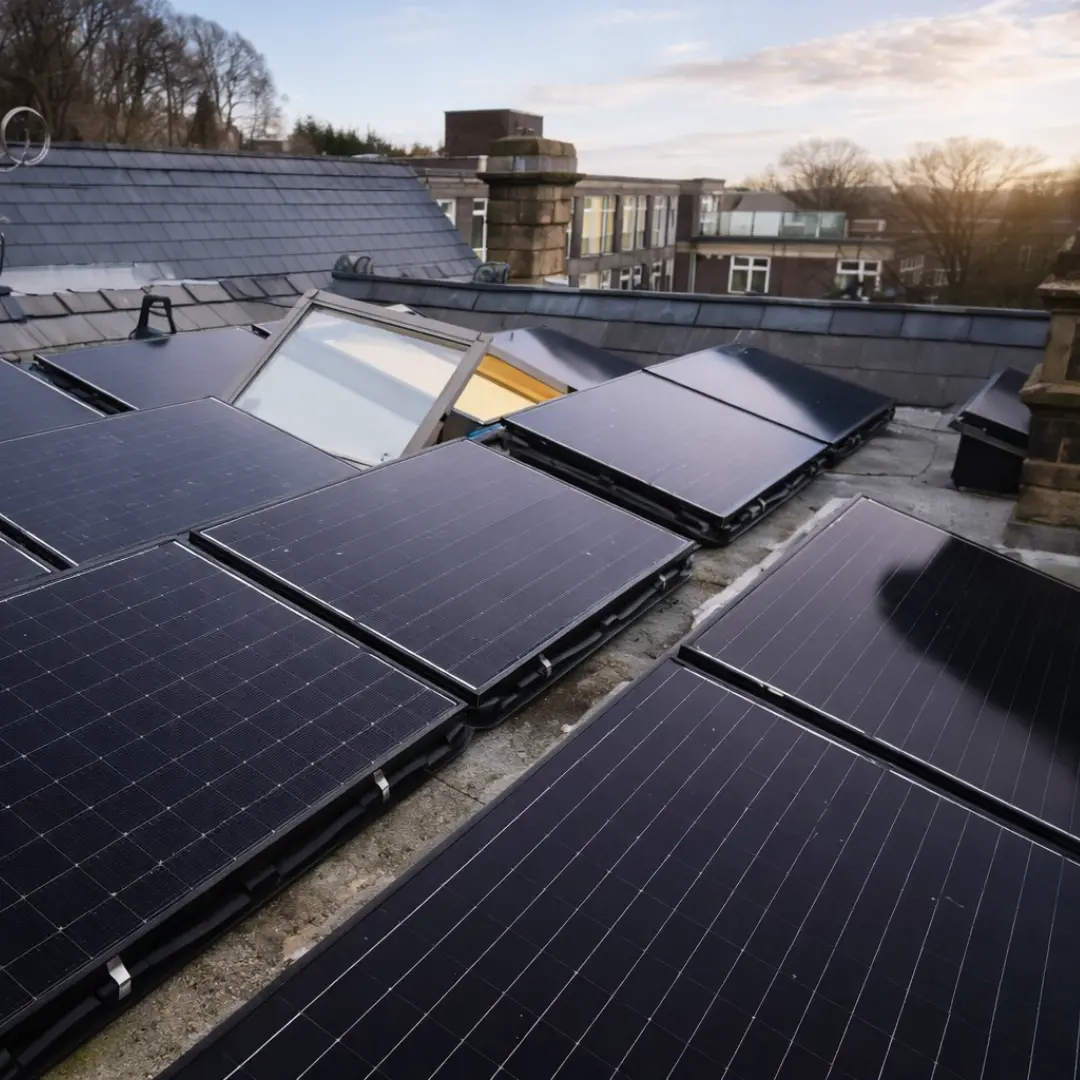
Solar panels can cut electricity bills by letting you use your own generated electricity. The savings depend on how much electricity you use during the day, whether you have a battery, your export tariff, your roof direction and how much shading there is.
Energy Saving Trust says an average home solar panel system costs around £6,100 to install, works even on cloudy days, and can reduce electricity bills once installed. It also says a typical home solar panel system could save around one tonne of carbon per year, depending on where you live in the UK.
Solar panels are usually most effective for homes with:
- A south-facing or strong east/west-facing roof
- Limited shading
- Regular daytime electricity use
- An EV, heat pump or battery storage
- A suitable export tariff
If you use most of your solar electricity at home, savings are usually stronger than if most of your electricity is exported.
Heat Pumps: Savings Depend on What You Replace
Home energy upgrades can cost money upfront, but grants may reduce or remove some costs for eligible households.
The Warm Homes: Local Grant is available in England for eligible privately owned homes with EPC ratings of D, E, F or G. GOV.UK says eligible improvements may include wall, loft and underfloor insulation, air source heat pumps, smart controls and solar panels. It also says local councils organise and pay for agreed improvement work for eligible households, while landlords may need to contribute for some improvements.
The Boiler Upgrade Scheme can also reduce the upfront cost of eligible low-carbon heating in England and Wales.
Example Saving Scenarios
These examples are illustrative only. They show how savings can build when several improvements work together.
Smaller Improvement Scenario
A home adds draught proofing, lowers the thermostat slightly and fits a hot water cylinder jacket.
Potential yearly saving could be around:
- £85 from draught proofing
- £90 from lowering thermostat from 22°C to 21°C
- £40 from a hot water cylinder jacket
That could be around £215 a year, depending on the property and habits. These figures should not always be added exactly because savings can overlap, but they show how small changes can make a noticeable difference.
Medium Upgrade Scenario
A home improves loft insulation, draught proofs windows and doors, adds heating controls and reduces unnecessary heating in spare rooms.
This could save hundreds of pounds over time, especially in a home that currently loses heat quickly. The strongest savings usually come from better insulation and more controlled heating use.
Larger Retrofit Scenario
A home moves from a low EPC rating towards a higher rating by combining insulation, heating controls, efficient heating and solar panels.
Rightmove’s 2026 tracker suggests that a 3-bedroom semi-detached home rated EPC D has an estimated annual bill of around £2,429, while an EPC C equivalent is around £1,766, and an EPC B equivalent is around £1,043. That shows why deeper upgrades can produce larger long-term savings, although the exact result depends on the home and installation quality.
How to Work Out Your Own Saving Potential
The most accurate way to estimate savings is to start with your own property data.
Step 1: Check Your EPC
Your EPC will show your current rating, estimated energy costs, recommended improvements and possible future rating. Energy Saving Trust explains that EPC recommendations include estimated installation costs, estimated bill savings and the likely improvement to the property’s energy-efficiency rating.
Step 2: Review Your Energy Bills
Look at your last 12 months of gas and electricity usage in kWh. Your usage matters more than the monthly direct debit because direct debits can be adjusted by your supplier.
Step 3: Identify the Biggest Energy Waste
Check whether the main issue is heat loss, old heating, poor controls, high electricity use, or lack of solar generation.
Step 4: Prioritise Improvements
For many UK homes, the best order is:
- Draught proofing
- Loft insulation
- Wall or floor insulation
- Heating controls
- Efficient heating system
- Solar panels or battery storage
- Smart tariff optimisation
Step 5: Check Grants Before Paying
Before paying privately, check whether you qualify for Warm Homes: Local Grant, ECO4, Boiler Upgrade Scheme, devolved nation schemes or local council support.
Best Energy-Efficient Home Upgrades by Budget
Low-Cost Upgrades
- Draught proofing
- LED lighting
- Radiator reflector panels
- Hot water cylinder jacket
- Heating schedule improvements
- Thermostat adjustment
- TRV settings by room
Mid-Range Upgrades
- Loft insulation
- Cavity wall insulation
- Smart heating controls
- Boiler controls
- Professional draught proofing
- Floor insulation
Higher-Cost Upgrades
- Solar panels
- Battery storage
- Air source heat pump
- Solid wall insulation
- New windows and doors
- Whole-home retrofit package
Frequently asked questions (FAQs)
Simple answers to common questions about energy-efficient home improvements, including insulation, draught proofing, EPC ratings, solar panels, heat pumps, grants and ways to understand your potential energy savings. Speak to Simple Green Energy .
Want to make your home more energy efficient?
Speak with Simple Green Energy about insulation, heating upgrades, solar panels, heat pumps and other home energy-efficiency improvements that may be suitable for your property.
Get energy-saving adviceFinal Advice: How Much Could You Save?
The amount you could save with an energy-efficient home depends on where you start. A home that already has good insulation, modern heating controls and an EPC C rating may only need small improvements. A home with poor insulation, draughts, an older heating system and a low EPC rating could save much more.
As a guide, simple changes may save tens to a few hundred pounds a year, while deeper upgrades that improve the EPC rating can save hundreds or potentially over £1,000 a year in the right property. The strongest results usually come from combining insulation, draught proofing, heating controls, efficient heating and solar generation.
Speak with Simple Green Energy to review your home’s EPC rating, identify the best energy-saving upgrades and check whether grants or funding could help reduce installation costs.