Can ECO4 Replace a Broken Condensing Boiler? UK Eligibility Guide 2026
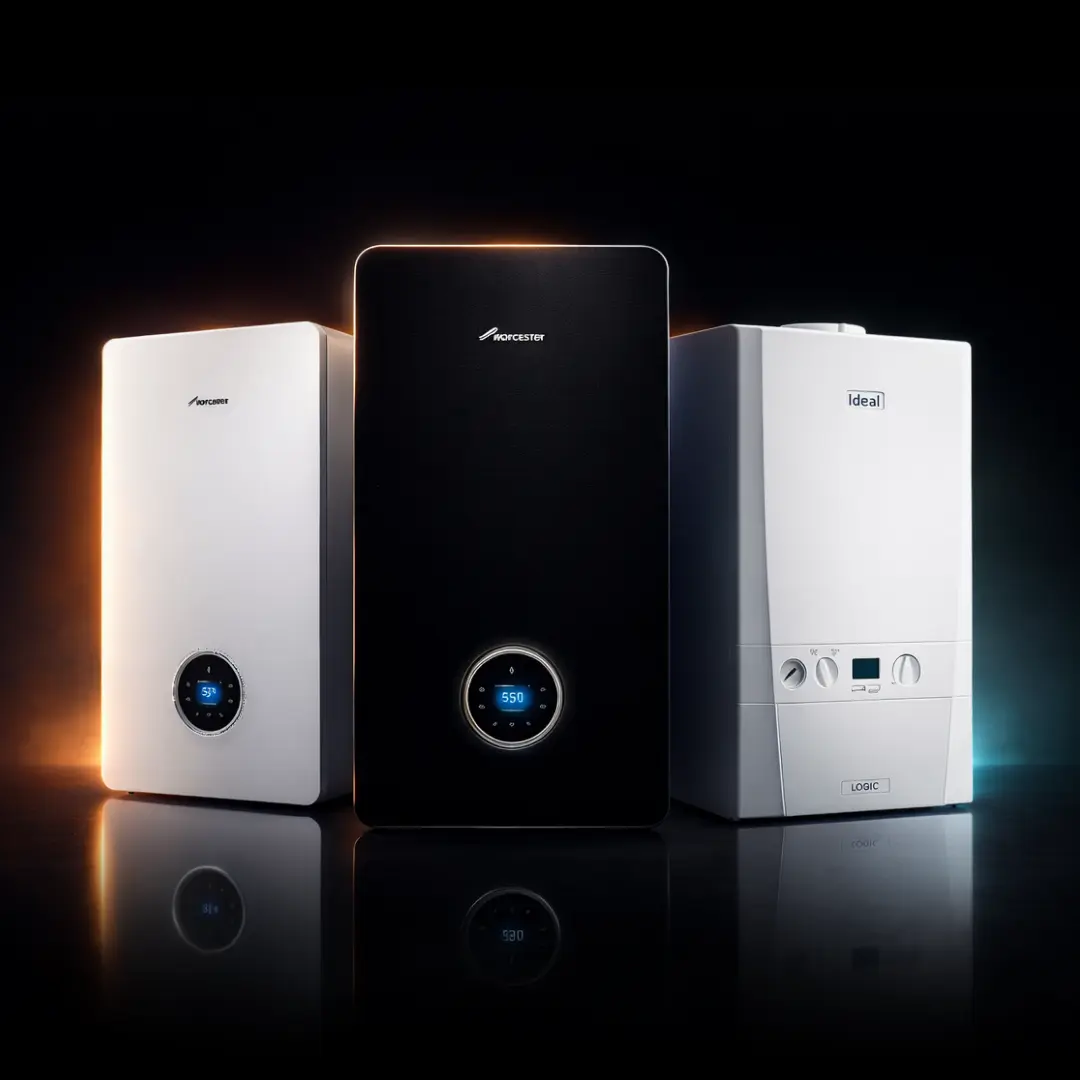
Yes, ECO4 can sometimes replace a broken condensing boiler, but approval is not automatic. A condensing boiler is normally classed as an efficient heating system under ECO4. It can only be replaced as a broken-boiler measure when it has genuinely failed, cannot be economically repaired and an energy supplier has capacity within its capped allocation.
This guide is for UK homeowners, tenants, landlords and families who need to know whether ECO4 could fund a repair, replacement boiler or different heating system. It explains the eligibility rules, engineer’s assessment, likely costs, insulation requirements and application process.
Check your ECO4 eligibility
Answer a few quick questions to see whether your household may qualify for ECO4 support.
Quick answer
ECO4 can replace a broken condensing boiler if it is confirmed as broken and cannot be economically repaired. A qualified heating professional must record the fault, boiler age, parts availability and repair-versus-replacement cost. Replacement is subject to the ECO4 cap for broken efficient heating systems, so meeting the household and property rules does not guarantee funding. If the boiler can be repaired economically, ECO4 will normally favour repair. Renewable heating or a district heating connection may be considered outside the replacement cap. ECO4 currently runs in Great Britain until 31 December 2026.
Table of Contents
ToggleECO4 boiler outcomes at a glance
| Existing heating situation | Likely ECO4 treatment | Key condition |
|---|---|---|
| Broken condensing gas boiler | Repair or capped replacement | Must be broken and not economically repairable for replacement |
| Working condensing gas boiler | No like-for-like replacement | A renewable upgrade may be considered if it reduces heating costs |
| Non-condensing boiler | Efficient heating upgrade may be possible | Must be verified as non-condensing or no better than one |
| Broken boiler with cost-effective parts | Repair normally preferred | Must meet ECO4 economic-repair rules |
| Private rented home | Like-for-like repair or replacement generally restricted | Tenant eligibility, EPC and landlord consent apply |
| Off-gas oil, LPG or biofuel boiler | Different hierarchy applies | Eligible renewable options are considered first |
This distinction between efficient boiler replacement, inefficient heating upgrades and renewable alternatives is set out in Ofgem’s ECO4 delivery rules.
Can ECO4 replace a broken condensing boiler?
ECO4 treats condensing boilers differently from old non-condensing models. Condensing boilers are considered efficient, even when age or poor maintenance has reduced their performance. An installer cannot simply label a working or repairable condensing boiler “inefficient” to obtain an uncapped upgrade.
For replacement, the boiler must meet the ECO4 definition of broken down: when connected to its electrical and fuel supplies, it does not respond properly to a demand for heating or hot water. The assessor must then demonstrate that repairing it would not be economically reasonable.
Efficient broken-heating replacements are limited to 5,000 homes per year, divided between obligated energy suppliers. This is why an eligible household may instead be offered a repair, heat pump, wider retrofit package or no funded installation.
Repair, replacement or upgrade?
A repair applies where an efficient condensing boiler has failed but can be restored at an acceptable cost. Efficient heating repairs are also subject to an annual cap.
A broken-boiler replacement applies where the condensing boiler has failed and cannot be economically repaired. It may then be replaced with a new efficient boiler, unless another eligible heating route is selected.
A heating upgrade is different. A verified non-condensing boiler is classed as inefficient and may be upgraded without using the efficient broken-heating replacement cap. Renewable heating and district heating can also sit outside that cap, subject to the property assessment and other ECO4 rules.
Who is likely to qualify?
Owner-occupied homes normally need an EPC or SAP rating of D, E, F or G. Private rented properties generally need to be rated E, F or G, and the landlord’s consent is required. Rented homes face stricter restrictions on boiler repairs and replacements, so tenants should not assume that a broken boiler qualifies for a new gas boiler.
Household eligibility may come through:
- Universal Credit
- Pension Credit
- Income Support
- Income-based Jobseeker’s Allowance
- Income-related Employment and Support Allowance
- Housing Benefit
- Child Benefit, subject to income limits
- Certain Warm Home Discount eligibility routes
Households not receiving these benefits may qualify through ECO4 Flex, where a local authority, devolved government or supplier identifies eligible low-income or vulnerable households.
ECO4 is an energy-company obligation, not a fixed grant entitlement. Suppliers decide which projects they fund, how much they contribute and which installers or Retrofit Coordinators they use.
How is economic repair assessed?
The ECO4 pre-installation checklist requires evidence rather than an informal opinion. The assessor records the boiler’s make, model, fuel, serial number and age. They must then document the fault and check whether replacement parts are available at a reasonable cost and within a reasonable timeframe.
A boiler may be treated as not economically repairable where:
- Essential parts are unavailable at a reasonable price or within a reasonable timeframe.
- The repair would cost more than replacing the boiler.
- The repair cost exceeds the ECO4 threshold for that boiler’s type, age and condition.
The calculation can include labour, parts, controls, water treatment, commissioning and a repair warranty of at least one year. Wanting a newer boiler is not enough; the technical evidence must support replacement.
Example UK use case
An owner-occupier receiving Universal Credit lives in an EPC E-rated semi-detached home. Their ten-year-old condensing boiler no longer responds to heat demand, and a critical replacement part is unavailable.
If the retrofit assessment identifies suitable energy-saving measures and an obligated supplier has replacement-cap capacity, the project could include a new efficient boiler alongside insulation or heating controls.
If the same boiler can be repaired reliably below the ECO4 economic-repair threshold, replacement is unlikely to qualify.
Will ECO4 only replace the boiler?
Often, no. ECO4 uses a whole-house retrofit approach. Projects are intended to improve the overall energy performance of the property rather than simply replace one appliance.
Band D and E homes are generally expected to reach at least band C. Band F and G homes are generally expected to reach at least band D for the project to meet ECO4’s minimum improvement requirement.
Heating work can also trigger insulation preconditions. Depending on the property and eligibility route, cavity walls, lofts, roofs or another qualifying area may need insulation before or alongside the heating measure, unless an exemption applies. The survey is therefore more detailed than an ordinary boiler quotation.
| Option | Typical private cost | Possible ECO4 position | Possible household cost |
|---|---|---|---|
| Replacement gas boiler | Around £3,500 average | Possible where an eligible condensing boiler is broken and not economically repairable, subject to the cap | £0, a contribution or the unfunded balance |
| Boiler repair | Fault-specific | Preferred where repair is economic | Fully funded or contribution requested |
| Air source heat pump | Around £12,000 typical | Renewable upgrade may sit outside the broken-boiler cap | Funding depends on the complete package |
| Insulation and controls | Property-specific | May be required by the retrofit design or insulation rules | Set by the supplier’s offer |
The Energy Saving Trust estimates an average gas boiler replacement cost of around £3,500 and a typical air source heat pump installation at around £12,000. These are private-market benchmarks rather than ECO4 funding amounts.
Ofgem does not set a universal “free boiler” amount. Suppliers choose the level of funding and may request a household contribution. Obtain the contract, scope, warranties and contribution figure before work begins. A property survey is required for an accurate decision.
How to check your chances
- Identify the boiler. Find its make, model, serial number and approximate installation date.
- Arrange a safe diagnosis. Gas appliances should be inspected by a Gas Safe registered engineer.
- Check the EPC. Owner-occupied homes are normally eligible at D–G; private rentals are normally E–G.
- Check household routes. Review qualifying benefits and your council’s ECO4 Flex criteria.
- Complete a retrofit assessment. This considers insulation, ventilation, heating demand and suitable measures.
- Compare the written offer. Confirm whether it covers a repair, boiler replacement or renewable upgrade, and identify every contribution.
- Check your protections. Ask who the obligated supplier, Retrofit Coordinator and installer are, which warranties apply and how complaints will be handled.
You can apply through a participating energy supplier or enquire through your local authority. You do not necessarily have to receive your energy from the supplier funding the work.
Speak with a Simple Green Energy adviser to check your EPC, household route and likely heating options.
Why the installer matters
Installation quality affects safety, fuel use, comfort, reliability and warranty validity. A replacement boiler must be correctly sized, commissioned and hydraulically balanced. The heating system may also need cleaning, inhibitor, suitable controls and attention to existing radiators or pipework.
ECO4 delivery sits within retrofit and consumer-protection requirements, including PAS 2035, TrustMark and relevant technical standards. Gas work must be completed by an appropriately registered engineer, while renewable heating may require MCS-compliant design and installation.
Before signing a contract, ask for:
- The complete retrofit design
- Boiler or heat pump make and model
- Product and workmanship warranties
- Details of any household payment
- Commissioning and balancing records
- Controls and operating instructions
- Complaints and aftercare information
Is applying worth it?
Applying is worthwhile where the boiler is genuinely broken, the household meets a benefit or Flex route and the home has a qualifying EPC. The resulting package may address both the heating failure and the heat being lost through an inefficient property.
However, treat promises of an automatic “free boiler” cautiously. Eligibility does not guarantee installation, condensing-boiler replacements are capped and the correct technical outcome may be a repair. Ofgem advises consumers to review the written contract and compare offers where a contribution is requested.
Frequently asked questions (FAQs)
Clear answers about ECO4 support for broken condensing boilers, economic repair, scheme caps, Universal Credit, EPC ratings, private tenants, landlords and supplier funding. Speak to Simple Green Energy .
Could your broken boiler qualify under ECO4?
Speak with Simple Green Energy about boiler condition, repair viability, household eligibility, EPC rating, property tenure and the funding that may be available for your project.
Check my ECO4 eligibilityConclusion: appearance or performance?
ECO4 can replace a broken condensing boiler only when it has failed, cannot be economically repaired and the supplier has capacity under the efficient-heating replacement cap. Repair is normally preferred when it is technically and economically sensible. Non-condensing boilers and renewable heating follow different funding routes.
Start by checking your EPC and household eligibility, then arrange a proper fault diagnosis and whole-house assessment. Do not approve work until the proposed measures, funding, contribution, warranties and responsible companies are confirmed in writing.
Book a free eligibility check with Simple Green Energy to understand whether your best route is a funded repair, boiler replacement or wider home-energy upgrade.