Boiler Replacement Near Me: How to Choose a Trusted Local Installer in the UK
Searching for “boiler replacement near me” is about more than finding the closest company. You need to know whether replacement is justified, what a fair local quote includes, which system suits your home and how to avoid poor sizing or installation.
Energy Saving Trust currently estimates about £3,700 to replace a G-rated gas boiler with an A-rated model and thermostatic radiator valves in Great Britain, although the final cost depends on the system, location, pipework, controls and remedial work.
This guide explains how to compare installers, choose the right heating system and decide between repair, boiler replacement and a heat pump.
Check your ECO4 eligibility
Answer a few quick questions to see whether your household may qualify for ECO4 support.
Quick answer
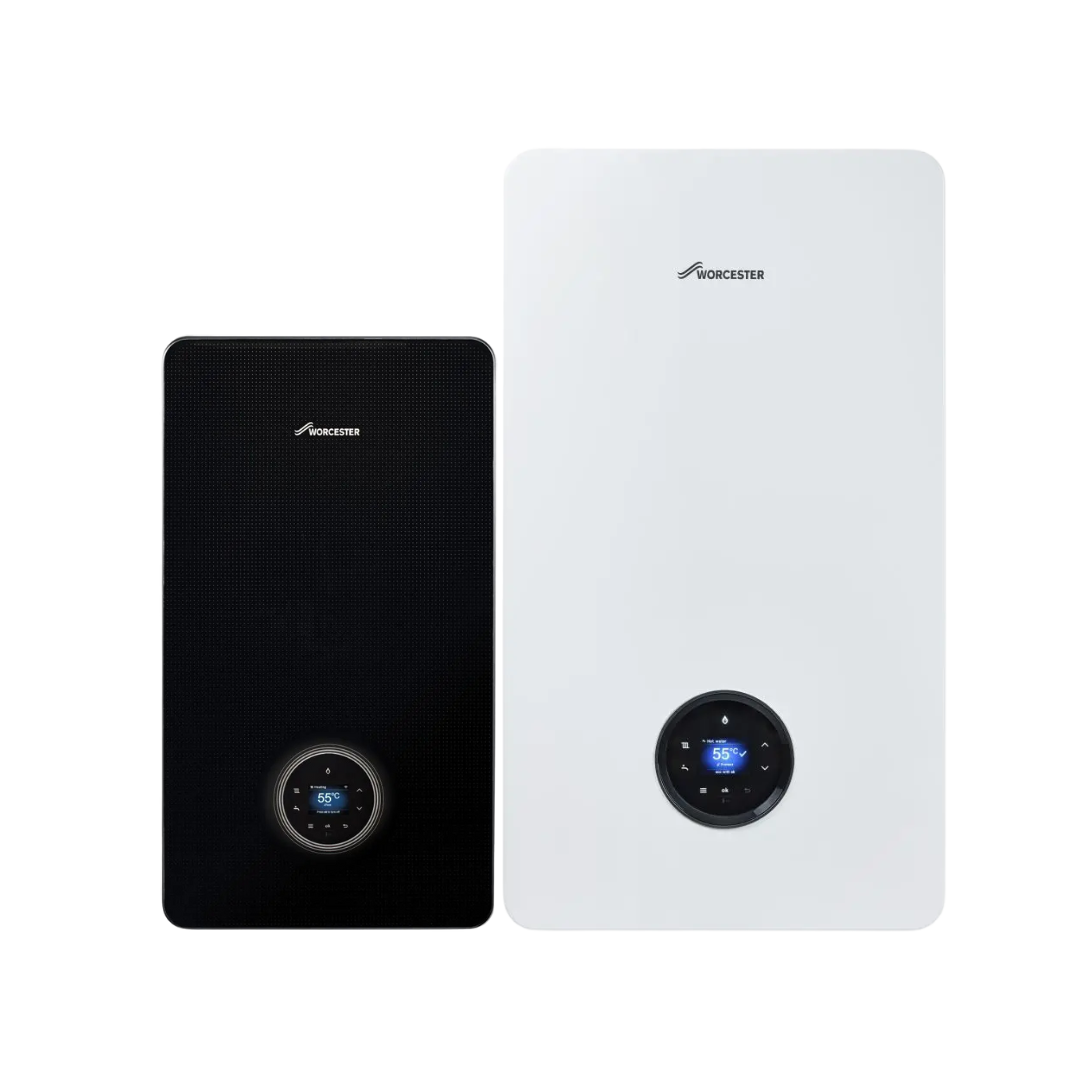
The best local boiler company is not necessarily the cheapest or closest. Choose a properly registered installer who surveys your home, calculates heating and hot-water demand, supplies an itemised quote and explains the warranty conditions.
Gas boilers must be fitted by a Gas Safe registered engineer. In England and Wales, the installation should be notified so that you receive a Building Regulations Compliance Certificate.
A like-for-like combi replacement commonly costs about £2,500–£4,000. Conversions, relocation, difficult flues, upgraded gas pipes and heating-system repairs cost more.
Table of Contents
ToggleQuick boiler replacement comparison
| Option | Best for | Main advantage | Main limitation |
|---|---|---|---|
| Combi boiler | Flats and smaller homes with one bathroom | Compact; hot water on demand | Can struggle with simultaneous hot-water demand or weak mains pressure |
| System boiler | Larger families and homes with multiple bathrooms | Stored hot water can supply several outlets | Requires a hot-water cylinder |
| Heat-only boiler | Homes retaining a traditional tank-fed system | Can suit older pipework and lower pressure | Needs more space and additional tanks |
| Air source heat pump | Suitable homes seeking lower-carbon heating | Very efficient; eligible installations may receive support | Requires careful design and often a cylinder or radiator upgrades |
Energy Saving Trust notes that combis are often suitable for smaller households, while system boilers can better serve larger families with higher simultaneous hot-water demand.
It also advises that moving from a cylinder system to a combi may make a future heat-pump conversion more involved because most heat pumps use stored hot water.
When should you replace your boiler?
Age alone is not a reason to remove a reliable boiler, but it changes the economics of repair. Replacement becomes more sensible when several of these apply:
- The boiler is around 10–15 years old and faults are becoming frequent.
- Replacement parts are expensive, obsolete or difficult to source.
- It loses pressure repeatedly, leaks or makes unusual noises.
- Heating or hot-water performance has become inconsistent.
- The repair cost is high compared with the boiler’s remaining value.
- You are adding bathrooms, extending the property or changing its heating demand.
- Your existing boiler is non-condensing or has poor controls.
Manufacturers commonly describe 10–15 years as an average boiler lifespan, although maintenance, usage and installation quality can shorten or extend it.
A single inexpensive repair may still be worthwhile. With repeated faults on an older appliance, compare the repair cost, replacement price, warranty and likelihood of further failures.
Treat a carbon-monoxide alarm, burning smell or suspected gas leak as urgent. Follow Gas Safe Register emergency guidance and contact an appropriately qualified engineer.
Which boiler is right for your property?
Do not choose a boiler by bedroom count alone. A survey should assess:
- Property heat loss
- Number and size of radiators
- Mains-water flow and pressure
- Number of bathrooms
- Household occupancy
- Existing hot-water cylinder
- Flue and condensate routes
- Gas-supply capacity
- Planned extensions or renovations
A combi often suits a compact, one-bathroom home with good mains pressure. A system boiler and cylinder can better serve households using several showers or taps at once. A heat-only boiler may suit a traditional system that already performs well.
Bigger is not automatically better. An oversized boiler may repeatedly switch on and off when it cannot reduce its output sufficiently. Wider modulation allows a boiler to match lower heating demand more efficiently, so ask about minimum output as well as the headline kilowatt rating.
How to compare boiler replacement companies near you
Check registration yourself rather than relying on a logo.
Gas work requires the appropriate Gas Safe competence. Oil boiler work should be completed by an OFTEC-registered technician. Heat-pump work under the Boiler Upgrade Scheme must be managed by an MCS-certified installer.
Get at least three written quotations, as Energy Saving Trust recommends. Compare the scope, not just the final price.
Look for:
- Recent, independently collected local reviews
- Evidence of similar installations
- Clear company and contact details
- Manufacturer-approved installer status where relevant
- Separate boiler and workmanship warranties
- A written complaint and aftercare process
- Transparent payment terms
- Public liability insurance
Ask each installer:
- Why have you selected this boiler type and output?
- Is the price fixed following the survey?
- Are cleaning, inhibitor and a magnetic filter included?
- Will the existing pipework, controls and radiators perform correctly?
- Who registers the warranty and regulatory notification?
- What servicing is required to maintain the guarantee?
- What happens if an installation fault appears later?
What should the quote include?
A strong boiler replacement quote identifies:
- Exact boiler make, model and output
- Heating controls
- Flue components
- Magnetic filter
- Scale protection where appropriate
- System-cleaning method
- Condensate drainage route
- Pipework alterations
- Removal and disposal of the old boiler
- Electrical work
- Testing and commissioning
- Warranty length
- VAT
- Any exclusions or potential additional charges
Ask why a powerflush is required rather than accepting it automatically. Some systems need intensive cleaning, while others may only require an appropriate chemical clean.
The heating system should receive suitable inhibitor after it has been drained. Energy Saving Trust also recommends magnetic filtration to help remove rust and protect system performance.
Boiler replacement cost guide
| Installation type | Typical indicative range | What can increase the price? |
|---|---|---|
| Like-for-like combi replacement | £2,500–£4,000 | Premium boiler, difficult flue, pipe upgrades and controls |
| System or heat-only replacement | £2,500–£4,500+ | Cylinder work, pumps, valves, controls and access |
| Conventional or system-to-combi conversion | £3,000–£5,000+ | Removing tanks and rerouting water and heating pipes |
| Boiler relocation or major system work | £4,000–£8,000+ | Long pipe runs, scaffolding, radiators and making-good |
| Air source heat pump | Around £12,000 before support | Cylinder, radiators, electrical work and heat-loss improvements |
These are planning figures rather than quotations. Current market guides commonly place standard boiler replacements at around £2,000–£4,500, while Energy Saving Trust’s average is approximately £3,700. A property survey is required for an accurate fixed quote.
Finance can make the initial cost easier to manage, but compare the total amount repayable, interest rate and early-repayment conditions rather than focusing only on the monthly payment.
How long does boiler replacement take?
A straightforward, same-position boiler replacement can normally be completed within one working day.
Changing boiler type, relocating the appliance, replacing a cylinder, installing a difficult flue or carrying out extensive heating-system work may extend the installation to two or three days.
Before work begins, confirm:
- When heating and hot water will be unavailable
- Whether floors and furnishings will be protected
- Who removes the old equipment
- Whether walls will be made good
- When the controls will be demonstrated
Following commissioning, collect the Benchmark record, warranty information, user instructions and Building Regulations Compliance Certificate where applicable. Keep these documents for servicing, warranty claims and a future property sale.
Will a replacement boiler save money?
A modern condensing boiler captures heat that would otherwise leave through the flue. Because heating and hot water account for more than half of typical annual household energy spending, boiler efficiency and heating controls can materially affect bills.
Savings are usually greatest when replacing an old, inefficient, non-condensing boiler. Replacing one relatively modern condensing boiler with another may improve reliability more than it reduces energy consumption.
The result also depends on:
- Boiler sizing and modulation
- Weather or load compensation
- Heating flow temperature
- Radiator balancing
- Thermostatic radiator valves
- Insulation and draught-proofing
- Household heating habits
Payback therefore varies. Be cautious about universal savings claims that do not consider your existing energy use, boiler efficiency and proposed controls.
Should you consider a heat pump instead?
Before committing to another fossil-fuel boiler, ask whether a heat pump is practical.
Heat pumps move heat rather than creating it directly. A correctly designed system can provide three to four units of heat for each unit of electricity consumed, although actual performance depends on flow temperature, heat loss, weather and controls.
In England and Wales, the Boiler Upgrade Scheme currently offers £7,500 towards eligible air-to-water or ground-source heat pumps. Different support may apply to certain off-gas-grid properties and other technologies. The installer applies for the voucher and must be MCS certified.
A heat pump is not automatically the cheapest option. Compare:
- Property heat-loss calculations
- Total installation cost
- Expected running costs
- Cylinder requirements
- Radiator or underfloor-heating upgrades
- Available grants
- Noise and positioning
- Long-term renovation plans
Why the installer matters as much as the boiler
Modern boilers use similar condensing principles, so system design and installation are decisive.
Performance depends on:
- Correct boiler sizing
- System cleaning
- Water treatment
- Hydraulic balancing
- Control configuration
- Safe flue positioning
- Condensate protection
- Proper commissioning
Poor work can contribute to short cycling, noise, uneven heating, blocked waterways, premature component failure and warranty disputes.
A higher quotation may offer better long-term value when it includes a detailed survey, careful system preparation, stronger workmanship protection and reliable aftercare.
How to choose the right replacement: seven steps
- Confirm the diagnosis. Obtain a written repair assessment and replacement option.
- Measure demand. Record bathrooms, occupancy, hot-water use and planned extensions.
- Assess the whole system. Check water pressure, radiators, pipe sizes and controls.
- Compare technologies. Consider combi, stored-hot-water and heat-pump options.
- Get three itemised quotes. Make sure each installer is pricing the same scope.
- Verify credentials and warranties. Check registrations independently and read the servicing conditions.
- Demand a proper handover. Collect commissioning records, certificates, instructions and warranty confirmation.
Frequently asked questions (FAQs)
Clear answers about local boiler-replacement costs, installation times, repair versus replacement, Gas Safe registration, boiler sizing, system type, relocation, powerflushing and magnetic filters. Speak to Simple Green Energy .
Looking for a boiler replacement near you?
Speak with Simple Green Energy about boiler type, output, installation complexity, relocation, water quality, controls and the work included in your local quotation.
Review my boiler replacement optionsFinal recommendation
The safest approach is to shortlist qualified local installers, arrange a proper home survey and compare complete specifications rather than headline prices.
Choose the system that matches your heating and hot-water demand, not simply the boiler with the highest output or longest list of features.
Replacement can restore reliability and improve control, but repairing the existing boiler, retaining stored hot water or installing a heat pump may be more suitable for some properties.
Speak with Simple Green Energy to arrange a free home survey and receive a clear, property-specific recommendation before committing to a replacement.