
Best Battery for Solar Panels UK: The 2026 Buyer’s Guide
Choosing the best battery for solar panels in the UK is not simply about buying the biggest unit. The system must match capacity, output, warranty, inverter compatibility and tariff controls to your home. For most households, the strongest all-round choice is Tesla Powerwall 3. Sigenergy SigenStor is better for modular expansion, while Enphase, SolarEdge and Fox ESS suit particular ecosystems or budgets.
This August 2026 guide compares leading options, realistic costs and payback for retrofits and new installations.
Get a free home battery survey: Simple Green Energy can assess your electricity use, solar generation, tariff and installation location before recommending the right system.
Get Your Solar Panel Quote
Start with your address so we can check the best solar options for your home.
Quick answer
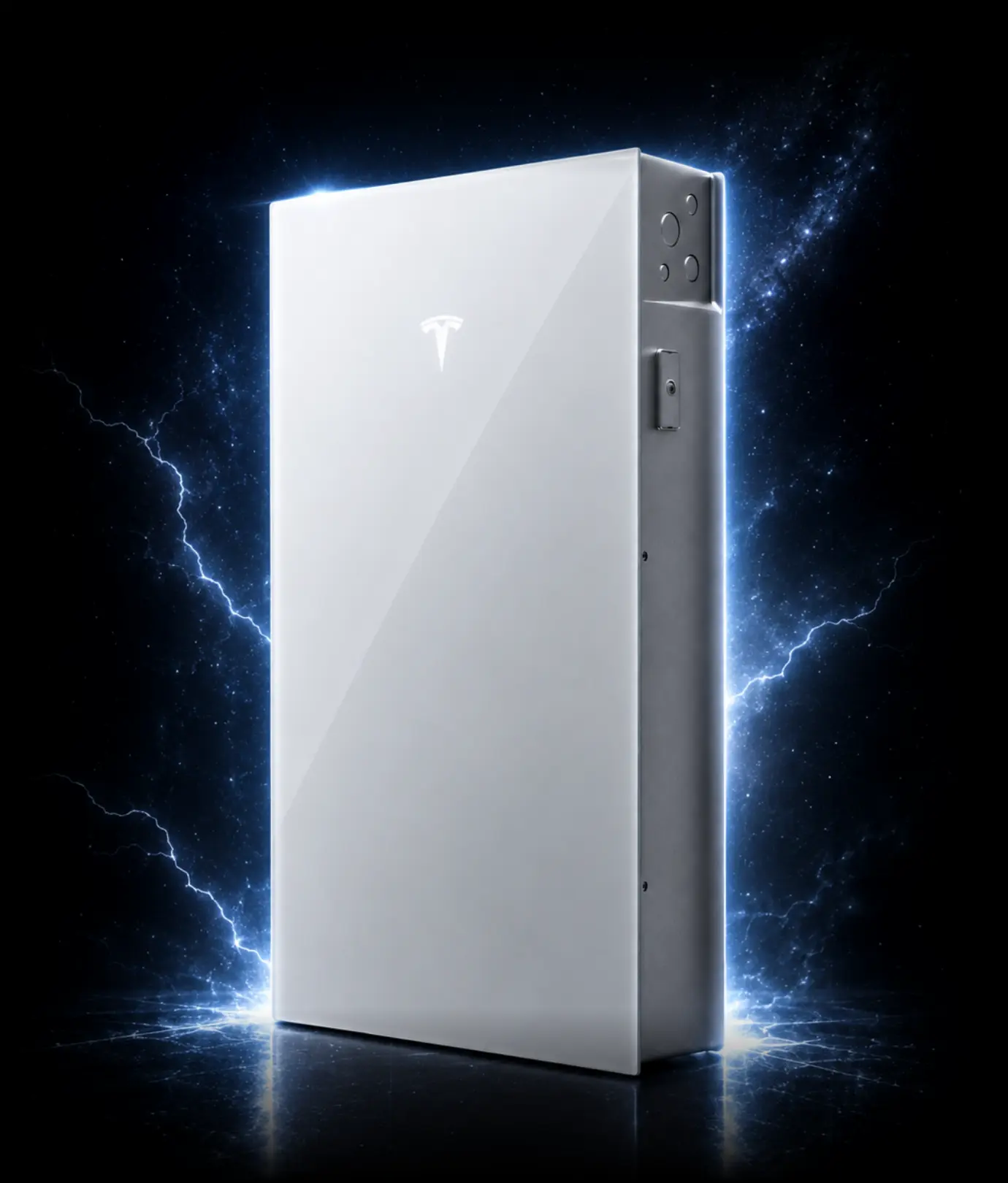
The best solar battery for most UK homes is the Tesla Powerwall 3 because its 13.5kWh capacity, integrated solar inverter, strong household power capability and mature app create a complete package. The Sigenergy SigenStor is the best flexible alternative because 5.2kWh and 7.8kWh usable modules can be added as demand grows. Choose Enphase IQ Battery 5P when you already have Enphase microinverters, SolarEdge Home Battery for a compatible SolarEdge system, and Fox ESS EP11 when value per usable kilowatt-hour is the priority. Your answer depends on consumption, inverter, backup requirements and tariff.
Table of Contents
ToggleBest solar batteries at a glance
| Battery | Usable capacity | Best for | Main strength | Main consideration |
|---|---|---|---|---|
| Tesla Powerwall 3 | 13.5kWh | Best overall | Integrated inverter and polished controls | Premium cost |
| Sigenergy SigenStor | 5.2 or 7.8kWh modules | Expansion and EVs | Highly modular platform | Newer UK track record |
| Enphase IQ Battery 5P | 5.0kWh per unit | Enphase homes | 15-year/6,000-cycle warranty | Several units may be needed |
| SolarEdge Home Battery 400V | 9.7kWh | SolarEdge systems | Efficient matched ecosystem | Limited appeal outside SolarEdge |
| Fox ESS EP11 | 10.36kWh per unit | Best value | Capacity per pound and scalability | Check throughput warranty |
Specifications and warranties should always be checked against the product documents supplied with your quotation.
How we assessed the batteries
We prioritised usable capacity, output, expandability, warranty, smart controls, backup and UK support. Compatibility matters because an excellent battery paired with the wrong inverter can be a poor investment.
A battery does not automatically power a house during a cut; it normally needs a gateway, backup interface or essential-load circuit. Confirm the scope in writing.
1. Tesla Powerwall 3: best overall
Best for: Families, high-use homes and heat-pump owners.
Tesla’s 13.5kWh Powerwall 3 combines storage with a solar inverter and can charge from solar or cheaper grid electricity. Its app optimises energy using consumption, weather and tariff information.
Pros: Strong capacity, high power, established app and 10-year warranty.
Things to consider: It may be oversized for a low-use home. Retrofit compatibility, backup hardware and electrical work can increase the price.
Expert recommendation: Choose Powerwall 3 when electricity demand is consistently high or will grow through an EV or heat pump.
2. Sigenergy SigenStor: best modular and EV-ready system
Best for: Renovations, larger properties, three-phase supplies and EV owners.
SigenStor integrates a solar inverter, power conversion, energy management and optional DC EV charging. Its LFP modules provide 5.2kWh or 7.8kWh usable capacity; six 8kWh-class modules provide 48.36kWh total capacity. It is IP66 rated with a 10-year battery warranty.
Pros: Excellent expansion, sophisticated controls, weather protection and suitability for complex projects.
Things to consider: Sigenergy has a shorter UK operating history than Tesla. Vehicle-to-home functions depend on compatible cars, standards and configuration rather than the battery alone.
Expert recommendation: Pick SigenStor when flexibility and staged expansion are worth more than the lowest upfront cost.
3. Enphase IQ Battery 5P: best for Enphase homes
Best for: Homes with Enphase microinverters and buyers prioritising modularity.
Each IQ Battery 5P stores 5kWh using integrated microinverters. Units can be added, while the UK warranty runs for up to 15 years or 6,000 discharged cycles, subject to conditions.
Pros: Natural fit with Enphase solar, modular architecture and an excellent headline warranty.
Things to consider: One unit may not cover a family’s evening use, while controllers and multiple batteries can make the complete system expensive.
Expert recommendation: Often the logical Enphase retrofit, but not automatically the best-value new installation.
4. SolarEdge Home Battery: best matched ecosystem
Best for: Homes already using compatible SolarEdge single-phase inverters and power optimisers.
The 400V battery provides 9.7kWh, with SolarEdge quoting up to 94.5% round-trip efficiency. Up to three batteries can connect to a compatible inverter; backup requires an interface.
Pros: One app and support ecosystem, efficient DC coupling, expansion and a 10-year warranty.
Things to consider: Compatibility is decisive. It rarely makes sense to redesign a healthy non-SolarEdge system solely for this battery.
5. Fox ESS EP11: best value
Best for: Cost-conscious households needing around 10kWh or more.
The EP11 is a scalable high-voltage battery with 10.36kWh per unit and expansion to about 41.6kWh. It can offer attractive capacity per pound when paired with a suitable Fox hybrid inverter.
Pros: Competitive cost, useful starting capacity, expansion and broad UK installer availability.
Things to consider: Compare the complete installation, not the battery-box price. Check inverter output, backup equipment, monitoring and the warranty’s throughput limit. Fox’s current warranty applies a time-or-throughput condition, whichever is reached first.
Why GivEnergy is not shortlisted
GivEnergy was previously a major UK recommendation. GivEnergy Ltd entered administration on 9 April 2026, ceased trading and closed support lines; industry guidance says warranty claims may be difficult to enforce. Existing systems may continue operating, but a new purchase should not be described as low risk without clear written protection from another responsible warranty provider.
How to choose the right solar battery
- Measure real demand. Use smart-meter data to calculate electricity consumed from late afternoon until solar generation resumes.
- Match capacity to surplus and use. A battery that is rarely filled or emptied normally gives a weaker return.
- Check power as well as kWh. Capacity tells you how long energy lasts; kW output determines how many appliances can run together.
- Decide on backup now. Ask which circuits will work and whether solar can recharge the battery during an outage.
- Confirm inverter compatibility. AC-coupled batteries often suit retrofits; DC-coupled systems can be efficient for new solar.
- Read the full warranty. Check cycles, throughput, connectivity, temperature and retained-capacity conditions.
- Model the tariff. Compare self-consumption, cheap-rate charging and export income.
- Plan expansion. Confirm whether later modules must match and whether the inverter can use them.
Around 5kWh may suit a low-use home. Many family homes land near 8–10kWh, while 13.5kWh or more is more credible for an EV, heat pump, high evening demand or meaningful backup. The final size should be based on measured consumption and solar-generation data rather than bedroom count alone.
UK solar battery cost guide
| System size | Indicative installed cost | Typical fit | Main cost drivers |
|---|---|---|---|
| Around 5kWh | £4,000–£6,500 | Low-use homes | Controller, wiring and brand |
| Around 8–10kWh | £5,500–£8,500 | Typical families | Inverter, gateway and location |
| Around 13–14kWh | £7,500–£10,500+ | EVs, heat pumps and backup | Premium hardware and electrical upgrades |
These are indicative market ranges rather than fixed prices. Energy Saving Trust places typical battery storage at roughly £5,000–£8,000, while current installed listings show substantial variation by brand, inverter, backup hardware and system size.
Qualifying domestic installations are zero-rated for VAT in Great Britain until 31 March 2027, then scheduled to revert to 5%. Gateways, cable runs, siting and electrical upgrades can change the quote.
Will a solar battery save money?
Usually, but not always enough to justify the purchase on savings alone. Strong cases combine high demand, surplus solar, a wide cheap-to-peak tariff gap and intelligent controls. A generous export tariff can make exporting more profitable than storage.
Energy Saving Trust’s 2026 modelling found that batteries improve flexibility and savings but do not always repay within their expected life, especially where a household already receives a good export rate. Higher-use homes, particularly those with heat pumps, tend to have a stronger case.
Ofgem’s Smart Export Guarantee creates a route to paid export, but suppliers set their own rates, contract lengths and terms.
Batteries work in winter, although lower solar generation means greater reliance on off-peak grid charging. Model payback across a full year and include degradation, round-trip losses and export income.
Why the installer matters
Performance depends on design and commissioning. The installer must assess cables, earthing, protection, ventilation, fire safety, connectivity, inverter settings and distribution-network requirements. MCS has a dedicated battery standard and points installers towards PAS 63100 for safe siting.
Ask for an itemised proposal showing usable capacity, continuous output, annual energy modelling, backup scope, warranty owner, monitoring access and aftercare. The cheapest quote is poor value if the battery is oversized or cannot supply the intended loads.
Frequently asked questions (FAQs)
Clear answers about choosing a solar battery in the UK, comparing leading brands, selecting 5kWh or 10kWh capacity, winter operation, grid charging, modular expansion, blackout backup and LFP chemistry. Speak to Simple Green Energy .
Unsure which solar battery best suits your home?
Speak with Simple Green Energy about your electricity use, solar surplus, tariff, future loads, backup requirements and compatible battery options from leading manufacturers.
Compare my battery optionsFinal recommendation
For most high-use UK homes, Tesla Powerwall 3 is the best all-round battery. Choose Sigenergy SigenStor for scalable or EV-focused projects; Enphase IQ Battery 5P for an Enphase retrofit; SolarEdge Home Battery for a compatible SolarEdge home; and Fox ESS EP11 when value is the priority.
The best decision comes from consumption-led design, not a brand ranking. Book a free Simple Green Energy survey to compare battery size, backup options, tariff strategy and projected savings using your property’s real data.