


Best Air Conditioning (AC) Brands in the United Kingdom
Air conditioning is becoming more common across UK homes and businesses as people look for better summer cooling, year-round comfort, dehumidification, air filtration and efficient heating support from modern heat-pump air conditioning systems.
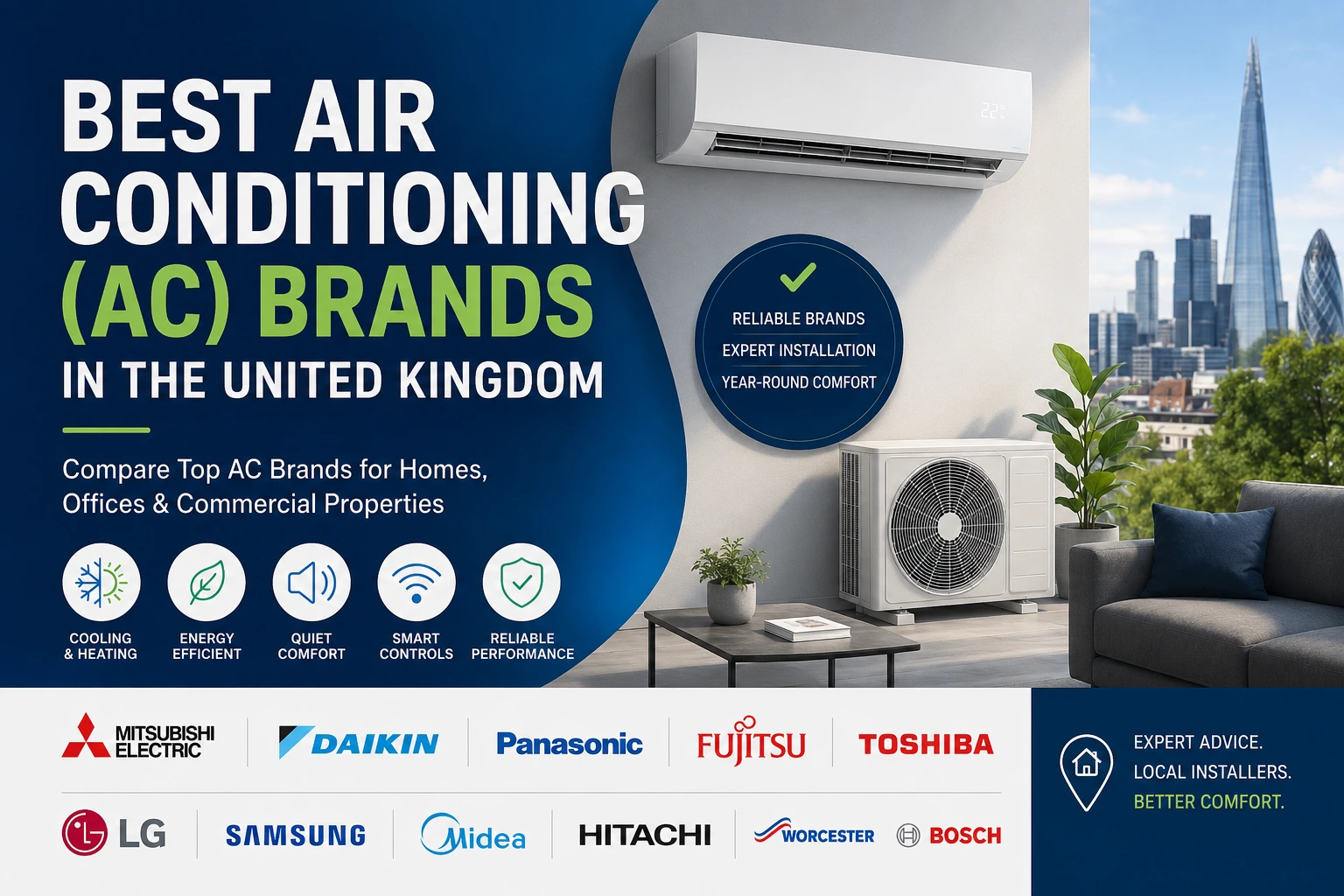
Choosing the right brand matters, but it is only part of the decision. A high-quality Mitsubishi Electric, Daikin, Panasonic, Fujitsu, Toshiba, LG, Samsung, Midea, Hitachi or Worcester Bosch unit can still perform poorly if it is undersized, oversized, badly positioned or installed without proper commissioning.
The best air conditioning brand for your property depends on the room, building type, budget, outdoor unit location, noise expectations, usage pattern and the quality of the installer carrying out the survey, design and installation.
Get your free air conditioning quote
Secure, GDPR-protected enquiry.
Find your property
No spam. No third-party sharing.
Choose a brand
Contact details
Your details stay private and protected.
Thank you
Your request has been received. Our team will contact you shortly.
Quick Answer: What Is the Best Air Conditioning Brand in the UK?
There is no single best air conditioning brand for every UK property. Premium brands such as Mitsubishi Electric, Daikin, Panasonic, Fujitsu and Toshiba are often chosen for reliability, efficiency, quiet operation and strong domestic or commercial ranges. LG, Samsung, Midea, Hitachi and Worcester Bosch may also suit certain budgets, homes, flats, offices and light commercial spaces. The right choice should be confirmed through a proper site survey, room sizing and cooling/heating load assessment.
Table of Contents
ToggleBest AC Brands in the UK: Quick Comparison
| Brand | Best For | Typical Strengths | Things to Check | Suitable For |
|---|---|---|---|---|
| Mitsubishi Electric | Premium homes, bedrooms, offices, commercial spaces | Quiet operation, reliability, broad product range | Model availability, warranty terms, installer experience | Homes, offices, hotels, clinics, commercial |
| Daikin | Premium domestic and commercial systems | Efficiency, innovation, split, multi-split and commercial options | Product range can be broad, so correct selection matters | Homes, flats, offices, shops, larger buildings |
| Panasonic | All-round domestic and light commercial use | Good features, filtration options, value, smart controls | Compare model-specific noise and warranty | Homes, small offices, salons, clinics |
| Fujitsu | Practical residential and commercial systems | Dependable range, flexible options, installer familiarity | Check controls, design and aftercare | Homes, shops, offices, multi-room spaces |
| Toshiba | Homes and businesses needing efficient systems | Established HVAC brand, efficient systems, stylish ranges | Availability, model suitability and support | Domestic, light commercial, commercial |
| LG | Design-conscious homes and smart users | Modern indoor units, smart features, residential and commercial options | Warranty, controls compatibility, installer support | Apartments, modern homes, offices |
| Samsung | Smart features and airflow comfort | WindFree-style comfort, modern design, smart control | Model selection and suitability for UK installation | Bedrooms, flats, home offices, modern homes |
| Midea | Value-led projects | Budget-conscious options, split, multi and commercial ranges | Warranty, parts, installer support, model quality | Homes, rentals, small offices, light commercial |
| Hitachi | Reliable HVAC projects | Residential, commercial and VRF-style options | UK support route and product availability | Homes, businesses, larger systems |
| Worcester Bosch | UK homeowners familiar with heating brands | Recognisable name, reversible heating/cooling split units | Compare range depth, warranty and suitability | Homes, small commercial properties |
How We Compare AC Brands
A good air conditioning comparison should not be based on brand name alone. The most suitable AC brand depends on long-term comfort, reliability and installer support.
The main comparison points include:
- Reliability and build quality
- Energy efficiency ratings
- Indoor and outdoor noise levels
- Cooling and heating performance
- Range of wall-mounted, multi-split, cassette, ducted and VRF options
- Smart controls and app compatibility
- Indoor unit design and finish
- Warranty and aftercare
- Spare parts availability
- Domestic and commercial suitability
- Installer familiarity with the brand
- Long-term value, not just the lowest supply price
In the UK, installation quality is especially important because outdoor unit location, neighbour noise, drainage, pipe routes, leasehold permissions and electrical supply can all affect the final result.
Best Air Conditioning Brands in the UK
Mitsubishi Electric Air Conditioning
Best for: Premium domestic and commercial air conditioning.
Why people choose it: Mitsubishi Electric is often selected for quiet bedrooms, home offices, living rooms, commercial offices, clinics and hotel-style comfort. The brand has a wide air conditioning range for residential, commercial and industrial use.
Key strengths: Strong reputation, quiet indoor units in selected ranges, efficient inverter systems and broad system flexibility.
Things to consider: Premium systems can cost more upfront, and the correct model must be selected for the room size and use case.
Best suited to: Bedrooms, high-use rooms, offices, clinics, hotels, commercial landlords and customers prioritising long-term quality.
Daikin Air Conditioning
Best for: Premium efficiency, innovation and wide system choice.
Why people choose it: Daikin is a major global HVAC brand offering air conditioning, refrigeration, ventilation and related climate solutions for residential, commercial and industrial needs.
Key strengths: Strong product range, efficient systems, good options for split, multi-split and commercial projects.
Things to consider: The range is broad, so a survey-led design is important to avoid choosing a unit that is more expensive or more complex than needed.
Best suited to: Homes, flats, offices, retail units, restaurants, clinics and larger commercial buildings.
Panasonic Air Conditioning
Best for: A balanced mix of value, technology and comfort.
Why people choose it: Panasonic offers residential split and multi-split systems, including air conditioning, heating and indoor air quality features such as nanoe™ X in selected ranges.
Key strengths: Strong all-round performance, smart controls, filtration options and good suitability for homes and light commercial premises.
Things to consider: Always compare specific models for noise levels, controls, warranty and availability.
Best suited to: Bedrooms, living rooms, home offices, flats, salons, clinics and small offices.
Fujitsu Air Conditioning
Best for: Dependable residential and commercial installations.
Why people choose it: Fujitsu General Air Conditioning UK is associated with a broad range of air conditioning systems for residential and commercial environments.
Key strengths: Practical system options, installer familiarity and suitability for a wide range of room types.
Things to consider: Indoor unit style, controller options and warranty terms should be checked before choosing.
Best suited to: Homes, offices, retail premises, rental properties and light commercial spaces.
Toshiba Air Conditioning
Best for: Efficient systems for homes and businesses.
Why people choose it: Toshiba Air Conditioning UK offers heating and cooling systems for residential and commercial use, with support for professionals across the UK.
Key strengths: Established HVAC reputation, efficient systems, modern indoor units in selected ranges and commercial capability.
Things to consider: Compare availability, warranty support and model suitability for the building.
Best suited to: Homes, shops, offices, restaurants, commercial landlords and multi-zone projects.
LG Air Conditioning
Best for: Modern homes, apartments and design-conscious spaces.
Why people choose it: LG offers residential and commercial HVAC solutions, including VRF systems and tailored solutions for different business environments.
Key strengths: Stylish indoor units, smart controls, modern features and a strong appeal for apartments and contemporary interiors.
Things to consider: Check model-specific efficiency, warranty, Wi-Fi compatibility and installer experience.
Best suited to: Flats, modern homes, home offices, offices, meeting rooms and design-led commercial spaces.
Samsung Air Conditioning
Best for: Smart control, modern design and gentle airflow comfort.
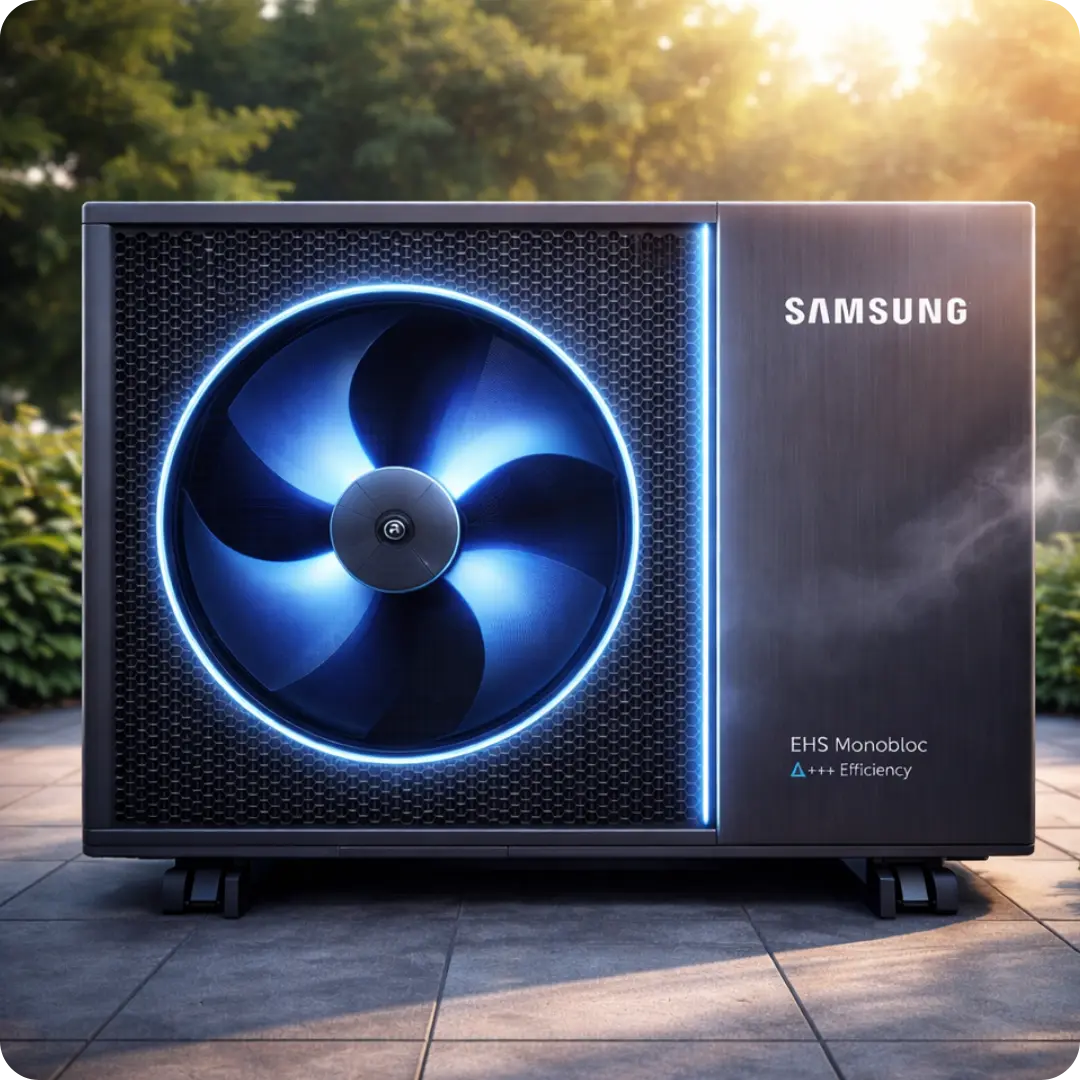
Why people choose it: Samsung’s WindFree™ technology is designed to disperse cool air through micro-holes to reduce direct cold draughts in selected models.
Key strengths: Smart features, modern styling, airflow comfort and good appeal for bedrooms and workspaces.
Things to consider: WindFree-style comfort depends on model selection and room design, so the installer should confirm suitability.
Best suited to: Bedrooms, home offices, flats, apartments, modern homes and meeting rooms.
Midea Air Conditioning
Best for: Value-led domestic and light commercial projects.
Why people choose it: Midea Cooling & Heating UK supplies split systems, multi systems, VRF, commercial HVAC and heat pumps for residential and commercial applications.
Key strengths: Competitive pricing, broad range, smart controls in selected models and good options for budget-conscious projects.
Things to consider: Check warranty length, parts availability, installer support and whether the specific model suits the room.
Best suited to: Rental properties, bedrooms, small offices, shops, salons and light commercial installations.
Hitachi Air Conditioning
Best for: Reliable residential, commercial and larger HVAC projects.
Why people choose it: Hitachi Cooling & Heating offers air conditioning, VRF and wider HVAC systems for residential and professional use.
Key strengths: Engineering reputation, residential and commercial options, and suitability for larger system designs.
Things to consider: Confirm UK product availability, warranty process and installer familiarity.
Best suited to: Homes, commercial spaces, offices, retail, hospitality and multi-zone properties.
Worcester Bosch Air Conditioning
Best for: UK homeowners who recognise Worcester Bosch from heating products.
Why people choose it: Bosch Climate 3000i is a reversible single-split air conditioning unit that provides heating and cooling from the same source for residential and small commercial properties.
Key strengths: Familiar UK brand name, simple heating and cooling function, and suitability for smaller applications.
Things to consider: Compare range depth, controls, warranty, installer support and whether the unit suits the property.
Best suited to: Bedrooms, living rooms, home offices, small shops and small commercial spaces.
Which AC Brand Is Best for Your Property Type?
| System Type | Typical Use | Possible Cost Range | Notes |
|---|---|---|---|
| Single-room split system | Bedroom, home office, lounge or garden room | £1,500–£3,500 | Standard installs cost less; long pipe runs, premium brands, difficult access or electrical upgrades increase cost |
| Two-room multi-split | Two bedrooms, bedroom plus lounge, small flat | £3,000–£6,500 | One outdoor unit serving two indoor units; design and pipe route are key |
| Three to four-room multi-split | Larger flats, terraced homes or family homes | £5,000–£10,000+ | Cost depends on indoor unit count, pipe length, controls and outdoor unit location |
| Ducted system | Premium homes, hotels or discreet multi-room cooling | £6,000–£15,000+ | Needs ceiling voids, loft access or refurbishment-stage design |
| Commercial cassette system | Office, shop, restaurant, clinic or classroom zone | £2,500–£6,000+ per zone | Suspended ceiling access, drainage and landlord approval are common considerations |
| VRF/VRV system | Large offices, hotels, clinics, schools or multi-floor sites | £10,000–£50,000+ | Requires specialist design, controls, commissioning and maintenance planning |
| Maintenance/service visit | Domestic or commercial AC servicing | £90–£250+ domestic; commercial by quotation | Price depends on number of units, access, filters, refrigerant checks and service contract scope |
Domestic vs Commercial AC Brands
Domestic air conditioning usually focuses on quiet wall-mounted indoor units, compact outdoor units, simple controls, app connectivity and an appearance that suits bedrooms, lounges, flats and home offices.
Commercial air conditioning can be more complex. Offices, shops, restaurants, clinics, hotels and schools may need cassette systems, ducted units, ceiling suspended units, twin or triple split systems, VRF/VRV systems, zoning, condensate drainage, fresh air strategy and planned maintenance.
Some brands are strong across both domestic and commercial ranges, but the right system should always be designed by a qualified installer rather than chosen from a brochure alone.
Split, Multi-Split, Ducted, Cassette and VRF Systems
| System Type | Best For | Typical Brand Considerations | Notes |
|---|---|---|---|
| Single split wall-mounted system | One bedroom, lounge, office or garden room | Quiet operation, efficiency, design | Most common domestic option |
| Multi-split system | Two to five rooms from one outdoor unit | Outdoor unit capacity, pipe lengths, controls | Useful where outdoor space is limited |
| Ducted air conditioning | Discreet whole-room or multi-room cooling | Design quality, pressure, access | Best planned during renovation |
| Cassette air conditioning | Offices, shops, restaurants, clinics | Ceiling void, drainage, airflow pattern | Popular in suspended ceilings |
| Floor-mounted air conditioning | Rooms with limited wall space | Unit size, airflow, furniture layout | Useful in lofts and some older properties |
| Ceiling suspended unit | Commercial rooms without ceiling voids | Air throw, noise, mounting | Good for larger open spaces |
| VRF/VRV system | Large offices, hotels, schools, multi-zone sites | Brand support, controls, design expertise | Needs specialist design and maintenance |
Energy Efficiency and Running Costs
Modern split air conditioning systems usually use inverter technology, which allows the system to adjust output instead of constantly switching on and off. This can improve comfort and efficiency when the system is correctly sized.
SEER and SCOP ratings help compare seasonal cooling and heating efficiency, but real running costs depend on room size, insulation, glazing, shading, ceiling height, usage hours, set temperature, electricity tariff and how well the system has been installed.
Portable air conditioners are often cheaper upfront, but they are usually less efficient and noisier than professionally installed split systems. They may still be useful for short-term cooling or rented spaces, but for regular use, a split system is often worth comparing.
The cheapest unit is not always the cheapest long-term choice. A better-designed system with good controls, efficient operation and reliable aftercare may offer stronger value over the life of the system.
Noise Levels: Best Brands for Bedrooms and Offices
Low noise is essential for bedrooms, home offices, hotel rooms, clinics, treatment rooms and meeting spaces. Many premium AC brands offer quiet indoor units, but you should always check the manufacturer’s specification sheet for indoor and outdoor sound levels.
Noise is not only about the brand. Perceived noise can also be affected by:
- Indoor unit position
- Fan speed
- Pipe routing
- Wall construction
- Vibration control
- Outdoor unit mounting
- Distance from neighbours and windows
- Whether the unit is oversized and short cycling
For bedrooms, ask your installer to recommend a low-noise model and position it so cool air does not blow directly over the bed.
Warranty, Servicing and Aftercare
The best AC brand is only useful if warranty support, spare parts, installer aftercare and servicing are reliable. Many systems require routine maintenance to keep performance, efficiency and warranty conditions in place.
Before choosing a brand, check:
- Warranty length
- Labour warranty
- Spare parts availability
- Annual servicing options
- F-Gas qualified installer
- Manufacturer-approved installer where relevant
- Clear handover and controls explanation
- Maintenance reminders
In the UK, it is against the law to work on F-Gas equipment without the correct qualifications, and companies working on stationary air conditioning equipment operated by others may also need company certification.
Planning, Permissions and UK Installation Considerations
Before installing air conditioning, consider the practical and permission-related details:
- Outdoor unit location
- Noise impact on neighbours
- Listed buildings
- Conservation areas
- Flats and leasehold properties
- Landlord or freeholder permission
- Commercial landlord approval
- Drainage route
- Electrical supply
- Safe access for installation and servicing
UK rules can vary depending on the property, area and type of system. Heat pump installations may fall under permitted development only where all limits and conditions are met, and special rules can apply to listed buildings and conservation areas.
For flats, leasehold properties, managed buildings and commercial premises, permission from a landlord, freeholder, managing agent or commercial landlord may be needed before installation.
Why Installer Quality Matters More Than Brand Alone
A premium AC brand can still disappoint if the system is designed or installed badly. Correct design, installation and commissioning can affect comfort, noise, efficiency, reliability and running costs as much as the brand itself.
A good installer should:
- Survey the property
- Measure room sizes
- Check insulation, glazing and shading
- Recommend the right capacity
- Plan pipe routes
- Choose suitable indoor and outdoor unit locations
- Check the electrical supply
- Explain planning or permission issues
- Commission the system correctly
- Provide aftercare and servicing
A transparent quote should explain what is included, what could increase the cost and what maintenance is recommended after installation.
How Much Do Good AC Brands Cost in the UK?
Installed air conditioning costs vary by brand, capacity, pipe runs, access, electrics, drainage, controls, outdoor unit position and property type. The figures below are broad indicative ranges, not fixed quotes.
| System Type | Possible Installed Cost Range | Notes |
|---|---|---|
| Single-room wall-mounted split system | £1,500–£3,500 | Common for bedrooms, lounges and home offices |
| Premium single-room split system | £2,000–£4,500 | Higher-spec brands, quiet models or complex access |
| Two-room multi-split | £3,000–£6,500 | One outdoor unit serving two indoor units |
| Three to four-room multi-split | £5,000–£10,000+ | Depends on pipe routes, indoor units and controls |
| Ducted system | £6,000–£15,000+ | Often requires ceiling voids or refurbishment-stage planning |
| Commercial cassette system | £2,500–£6,000+ per zone | Common in offices, shops, clinics and restaurants |
| VRF/VRV system | £10,000–£50,000+ | Larger commercial and multi-zone buildings |
A survey-based quote is the safest way to compare brands fairly because supply-only prices rarely include installation, pipework, electrics, condensate drainage, commissioning or aftercare.
Simple Brand Recommendations
- Best premium all-round brands: Mitsubishi Electric, Daikin, Panasonic, Fujitsu and Toshiba.
- Best for quiet bedrooms: Premium low-noise wall-mounted models from Mitsubishi Electric, Daikin, Panasonic, Samsung and LG.
- Best for commercial properties: Mitsubishi Electric, Daikin, Toshiba, Fujitsu, LG, Hitachi and Midea commercial ranges.
- Best for design-conscious homes: LG, Samsung, Mitsubishi Electric and selected Toshiba or Panasonic ranges.
- Best for smart controls: Daikin, Panasonic, LG, Samsung and selected Midea systems.
- Best for value: Midea, Worcester Bosch, Panasonic and selected Fujitsu or Toshiba models.
- Best for multi-room systems: Mitsubishi Electric, Daikin, Panasonic, Fujitsu, Toshiba, LG and Midea.
- Best for offices and clinics: Quiet, reliable systems from Mitsubishi Electric, Daikin, Panasonic, Toshiba, Fujitsu, LG and Hitachi.
Choosing an AC Brand and Installer Near You
The best air conditioning brand for your property should be chosen with local building conditions in mind. A London flat, Birmingham semi, Manchester office, Leeds townhouse, Glasgow property, Bristol home, Cardiff rental, Midlands commercial unit or hospitality building may all need a different design approach.
Local surveys help assess outdoor unit position, pipe routes, permissions, electrical supply, drainage, access and realistic installation cost. They also help avoid common problems such as noisy outdoor unit placement, poor airflow, visible pipework or choosing a unit that cannot cope with the room’s heat gain.
Simple Green Energy Ltd can help UK customers compare suitable AC brands, arrange property surveys, plan AC installation and advise on wider energy-efficiency upgrades, including solar PV, battery storage and EV chargers. The right approach is not to push one brand, but to recommend a system that suits the building, budget and long-term comfort needs.
Common Mistakes to Avoid
- Choosing purely by brand name
- Buying an undersized or oversized unit
- Ignoring indoor and outdoor noise levels
- Forgetting outdoor unit location
- Choosing portable AC for a long-term need without comparing split systems
- Not checking warranty and servicing requirements
- Not checking planning, leasehold or landlord permission
- Ignoring electrical requirements
- Comparing supply-only prices with installed prices
- Not using an F-Gas qualified installer
- Forgetting condensate drainage
- Choosing style over correct capacity
- Not planning maintenance access
Frequently asked questions (FAQs)
Simple answers to common questions about the best air conditioning brands in the UK, including Mitsubishi Electric, Daikin, Panasonic, Fujitsu, Toshiba, LG, Samsung, Midea, Hitachi and Worcester Bosch. Speak to Simple Green Energy.
Need help choosing an AC brand?
Speak with Simple Green Energy about survey-led air conditioning installation, system sizing, indoor and outdoor unit placement, brand comparison, servicing, solar PV, battery storage and wider energy-efficiency upgrades.
Get AC brand adviceFinal CTA
Choosing the right AC brand is much easier after a proper survey. Before you commit to Mitsubishi Electric, Daikin, Panasonic, Fujitsu, Toshiba, LG, Samsung, Midea, Hitachi, Worcester Bosch or another system, speak to an installer who can assess the room, heat gain, electrics, pipe routes, drainage and outdoor unit location.
Simple Green Energy Ltd can help UK homeowners and businesses compare suitable air conditioning brands, recommend the right system size, plan indoor and outdoor unit positions and provide practical installation advice. Request a survey or quote to find the most suitable AC system for your property, budget and long-term comfort needs.