


Top 10 EV Chargers in the UK
(2026)
Home EV Charging Station in the UK: 2026 Guide explains how home charging works, what smart chargers can do, and how they may help you charge more conveniently and cost-effectively.
This guide covers installation checks, costs, grants, off-peak charging, solar compatibility, and what to consider before choosing the right EV charger for your home.
Get your free EV charger quote
Secure, GDPR-protected EV charger enquiry.
Find your property
No spam. No third-party sharing.
Choose your EV charger brand
Contact details
Your details stay private and protected.
Thank you
Your request has been received. Our team will contact you shortly.
Quick answer: What is a home EV charging station and how can it help UK drivers in 2026?
A home EV charging station lets you charge your electric car safely and conveniently at home. In 2026, smart chargers can help UK drivers schedule charging, use cheaper electricity periods, reduce reliance on public chargers and manage daily EV charging more easily.
Table of Contents
ToggleTop 10 EV Charger List
1. myenergi zappi / zappi GLO
Best for: Solar homes and renewable energy users
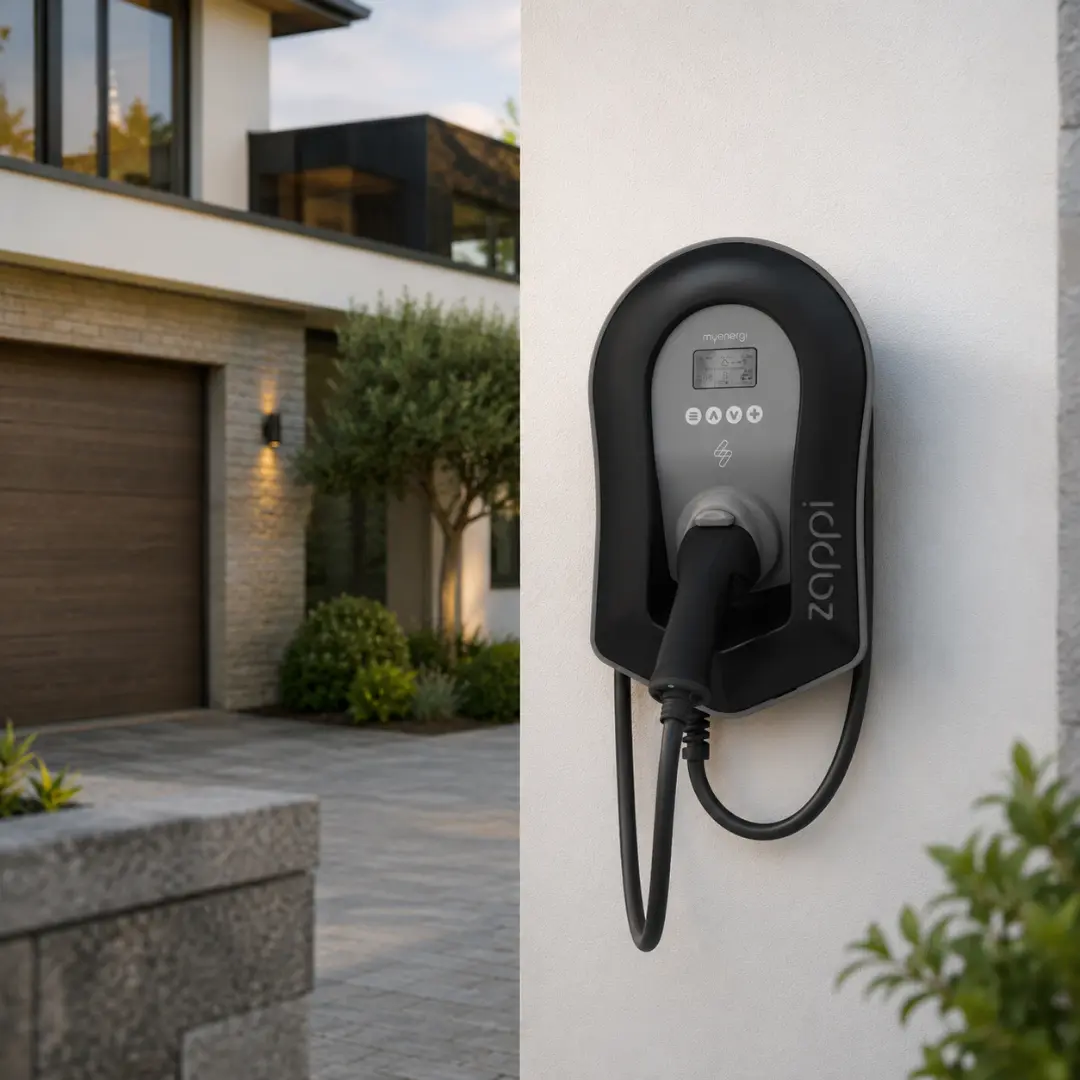
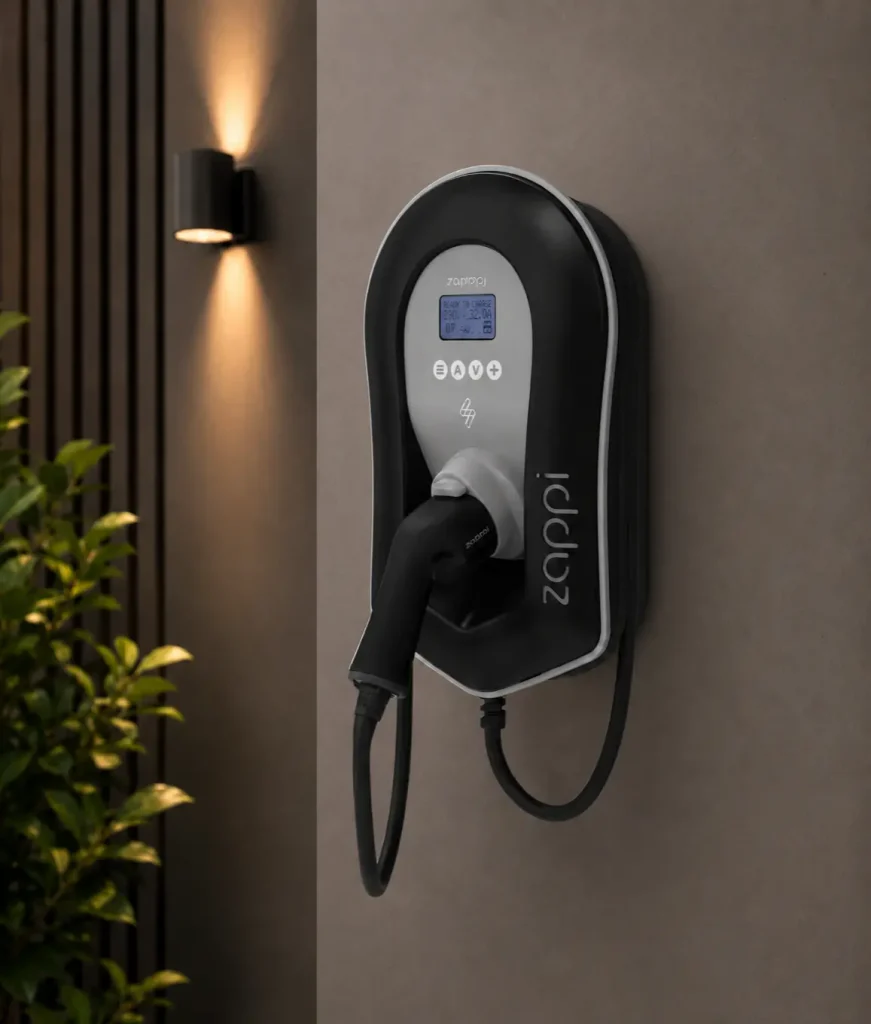
The myenergi zappi stands out because it is designed around home energy optimisation, not just basic EV charging. The newer zappi GLO delivers 7kW single-phase charging through a 6.5m tethered Type 2 cable, which is well suited to standard UK home charging. It is also compact for a solar-compatible charger, measuring 350mm high, 170mm wide and 160mm deep, with a weight of 4.1kg.
Its biggest advantage is renewable integration. For homes with solar panels or battery storage, zappi is a strong choice because it can prioritise locally generated energy and manage charging intelligently through the myenergi app. The unit is also IP65-rated, meaning it is built for permanent outdoor use, and it includes a 3-year standard warranty, with an option to extend to 5 years.
2. Ohme Home Pro / Ohme ePod
Best for: Solar homes and renewable energy users
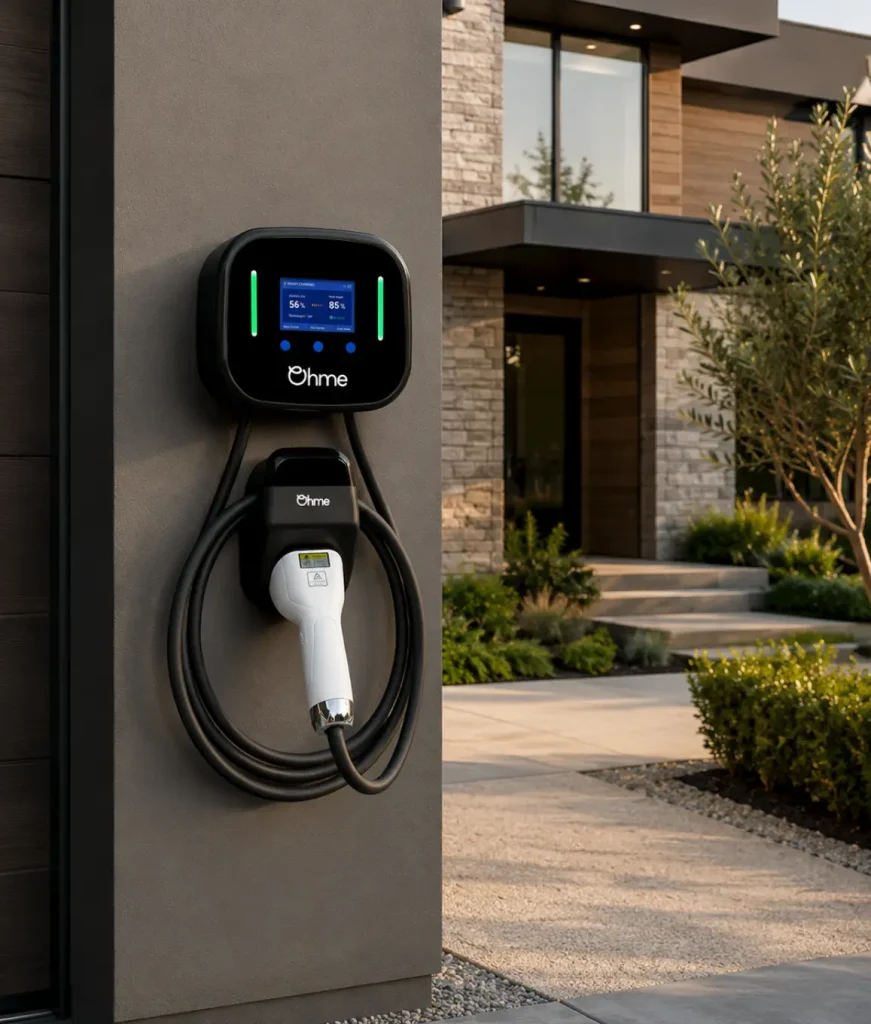
Ohme stands out because it is one of the strongest options for customers who want to reduce charging costs through smart electricity tariffs. The Ohme Home Pro delivers 7.4kW / 32A charging, comes with a 5m tethered Type 2 cable as standard, and offers an 8m cable upgrade. It also includes a built-in LCD screen, app control, physical buttons, and a 4G multi-network SIM, which is useful where Wi-Fi signal near the driveway is poor.
The numbers make it practical for most UK homes: the Home Pro measures 170mm x 200mm x 100mm and weighs 4kg, while the smaller Ohme ePod measures 230mm x 140mm x 100mm and weighs only 1.48kg. Both offer 7.4kW / 32A output, dynamic smart charging, energy tariff integration, solar charging compatibility, home power balancing, over-the-air updates, and a 3-year warranty.
3. Hypervolt Home 3 Pro
Best for: Premium all-rounder
The Hypervolt Home 3 Pro stands out as a premium home charger, combining sleek design, smart controls, solar compatibility and strong durability. It delivers 7.4kW / 32A single-phase charging, adding around 25 miles of range per hour, depending on the vehicle. With 5m, 7.5m and 10m cable options, it offers flexibility for different driveway layouts. It also features IP66 weather protection, IK10 impact resistance, dynamic load management, PEN fault protection, app scheduling, energy monitoring, tariff optimisation, OTA updates, Alexa support and a 3-year warranty.
The zappi GLO offers 7kW charging through a 6.5m tethered Type 2 cable. Its key strength is renewable integration, allowing homes with solar panels or battery storage to prioritise self-generated energy through the myenergi app.
4. Indra Smart PRO
Best for: Smart tariff + solar without extra kit
The Indra Smart PRO stands out because it focuses heavily on practical smart charging. It is a 7.4kW home charger, and Indra states that it can charge a 60kWh battery in under 9 hours, which puts it in the normal overnight charging category for UK homes.
It is also useful for customers who want flexibility in connectivity. The charger can connect via Wi-Fi, with Ethernet or cellular connectivity available at additional cost. Through the Indra app, users can schedule charging and lock the charger, while solar compatibility allows the charger to use electricity generated from rooftop panels.
4. Indra Smart PRO
Best for: Smart tariff + solar without extra kit
The Indra Smart PRO stands out because it focuses heavily on practical smart charging. It is a 7.4kW home charger, and Indra states that it can charge a 60kWh battery in under 9 hours, which puts it in the normal overnight charging category for UK homes.
It is also useful for customers who want flexibility in connectivity. The charger can connect via Wi-Fi, with Ethernet or cellular connectivity available at additional cost. Through the Indra app, users can schedule charging and lock the charger, while solar compatibility allows the charger to use electricity generated from rooftop panels.
FAQs
Frequently asked questions (FAQs)
Simple answers to common questions about EV chargers in the UK, including the best home charger, charger size, charging speed, solar compatibility, smart tariffs, Tesla charging, and vehicle compatibility. Speak to Simple Green Energy.
Need help choosing an EV charger?
Speak with Simple Green Energy to check your home setup, vehicle compatibility, electricity supply, solar system, smart tariff options, and the best EV charger for your property.
Get EV charger quoteFinal Thoughts
Commercial EV charging is becoming an important consideration for many UK businesses. While installation costs vary depending on the site and charger type, the right solution can support employees, attract customers, and prepare your business for the growing shift towards electric vehicles. Careful planning today can deliver long-term value for years to come.