
Off Grid Solar System UK: Costs, Setup and Suitability
Solar power does not always need to start on your roof. Portable Solar Panels in the UK (2026) answers the key question many people ask: are they actually worth using? This guide explains how portable solar panels work, what they can power, UK weather limitations, costs, safety points, and when they are a smart choice for camping, caravans, garden offices or backup charging.
Get Your Solar Panel Quote
Start with your address so we can check the best solar options for your home.
Quick Answer: What components are used in an off grid solar system in the UK?
An off grid solar system in the UK uses solar panels, batteries and an inverter to power a property without relying on the grid. It can suit rural homes, cabins and farms, but needs careful sizing, backup power and realistic winter planning.
Table of Contents
ToggleWhat Is an Off Grid Solar System?
An off grid solar system is a self-contained power setup that generates electricity from solar panels, stores it in batteries, and supplies it when needed without depending on the National Grid. It is mainly used for remote homes, cabins, farms and outbuildings.
Off Grid Solar vs Grid-Tied Solar
Off grid solar works independently from the National Grid. It uses solar panels, batteries and an inverter to generate, store and supply electricity on-site. It suits remote homes, farms, cabins and outbuildings where grid access is limited or expensive.
Grid-tied solar stays connected to the National Grid. It uses solar power when available and imports electricity from the grid when needed. It is usually more practical for most UK homes because it offers backup without needing a very large battery system.
Who Usually Needs Off Grid Solar?
Off grid solar is usually needed by people or sites where connecting to the National Grid is difficult, expensive or not practical.
How Does an Off Grid Solar System Work?
An off grid solar system works by generating electricity from sunlight, storing unused power in batteries, and supplying it to the property when needed. Because it is not fully reliant on the National Grid, the system must be carefully designed to cover daily use, night-time demand and low-sunlight periods.
Solar Panels Generate Power
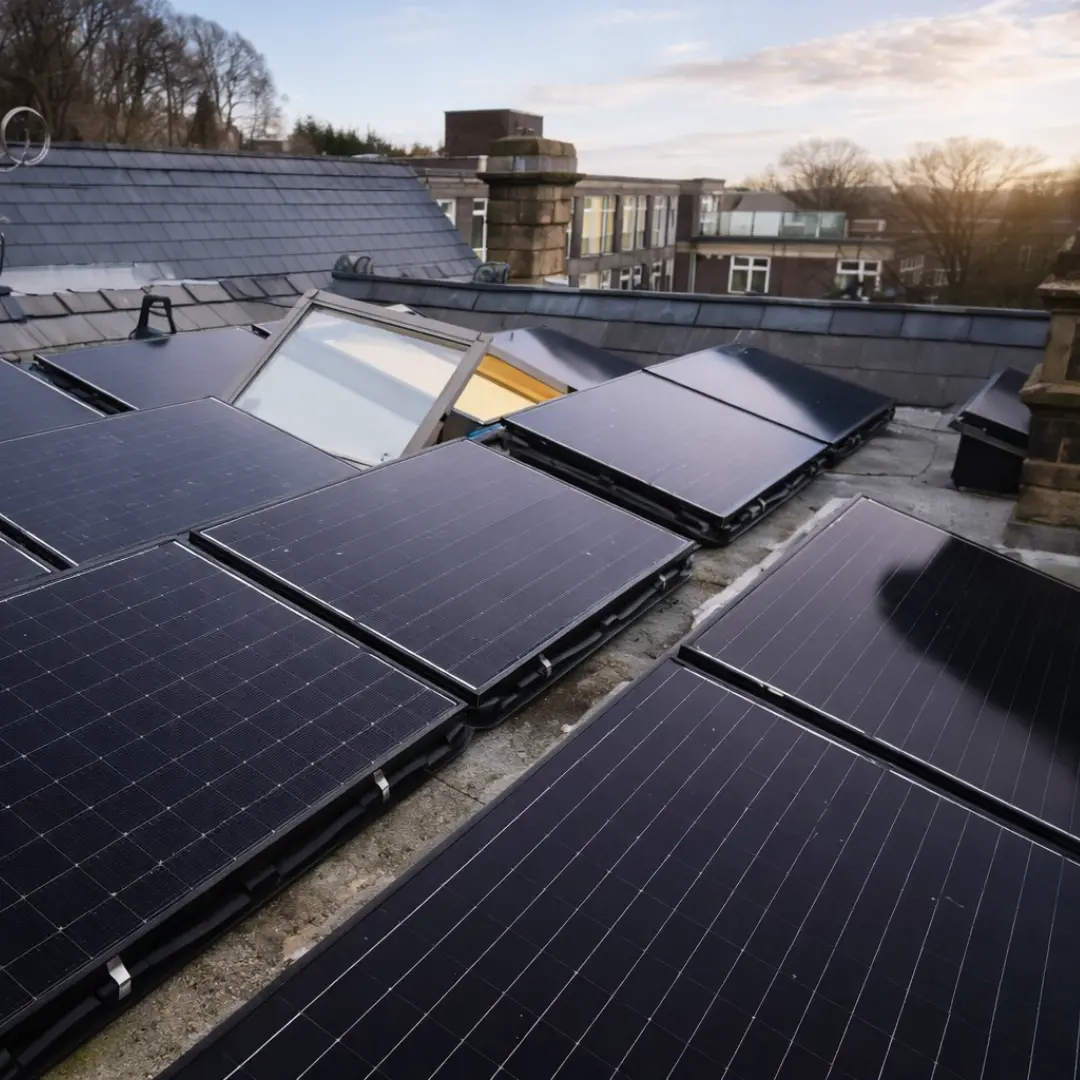
Solar panels turn daylight into electricity. They can still work on cloudy days, but they produce more power in bright conditions and less during short UK winter days.
Battery Storage Keeps Power for Later
Battery storage saves unused solar electricity so it can be used in the evening, overnight or when the panels are not producing enough. The larger the battery capacity, the longer the property can run without sunlight.
Inverter and Controls Make the System Usable
The inverter changes solar and battery power into electricity that normal appliances can use. Controls also help manage power flow, protect the system and show how much energy is being generated, stored and used.
Backup Power Covers Winter Gaps
In the UK, winter solar output can be much lower, so many off-grid systems include backup power. This could be a generator or hybrid backup setup to keep essential appliances running during long cloudy periods.
Is an Off Grid Solar System Realistic in the UK?
Yes, but it must be designed for the UK’s weakest months, not its sunniest days. Off-grid solar works best when energy use is planned, battery storage is sized properly and backup power is available for long cloudy spells.
UK Winter Solar Performance
Solar panels still generate in winter, but output drops. Short days, cloud and low sun mean batteries and backup power become more important.
Why Energy Demand Matters
A small cabin is much easier to power than a busy family home. The more appliances, heating or EV charging you use, the larger the system needs to be.
Can You Run a Whole House Off Grid?
Yes, but it is not simple. A full home setup usually needs more panels, bigger batteries, smart energy use and a backup source for winter.
What Equipment Do You Need for an Off Grid Solar System?
An off grid solar system needs more than panels. It needs the right mix of generation, storage, control and backup so the property can keep running when sunlight is low.
Solar Panels
Solar panels generate electricity from daylight. The number needed depends on your usage, roof or ground space, shading and winter demand.
Battery Storage
Batteries store unused solar power for night-time, cloudy days and peak use. They are the heart of an off-grid setup.
Off Grid Inverter
The inverter turns stored solar energy into usable electricity for lights, appliances and sockets. It also helps manage power flow.
Backup Generator
A backup generator gives extra security when batteries run low, especially during long cloudy spells or heavy winter use.
How Much Does an Off Grid Solar System Cost in the UK?
An off grid solar system in the UK can cost from a few thousand pounds for a small setup to tens of thousands for a full home system. The biggest cost is usually battery storage, because the system must keep power available when solar generation is low. Battery installation and storage costs vary widely by capacity and setup.
What Affects the Final Price?
The final price depends on your daily electricity use, battery size, number of panels, inverter capacity, roof or ground mounting, cable runs, backup power, access, installation work and whether future loads like EV charging are included.
Off Grid Solar Cost Breakdown
The cost of an off grid solar system is mainly shaped by battery storage, system size and installation complexity. A small cabin setup may be simple, while a full home system needs stronger equipment, more storage and reliable backup power.
What Size Off Grid Solar System Do You Need?
The right size depends on how much electricity you use, how long you want the batteries to last without sunlight, and how well the system can cope in winter. Off-grid solar should be designed around real energy demand, not guesswork.
Start with Daily Electricity Use
Begin by working out how many units of electricity you use each day. Lights, fridges, Wi-Fi and small appliances need less power, while electric heating, cookers, pumps and EV charging need much more. The higher your daily use, the more panels and battery storage you will need.
Decide How Many Days of Battery Backup You Need
Battery backup decides how long your property can run when solar generation is low. A small cabin may only need short backup, but a full-time home may need enough storage for evenings, overnight use and cloudy days.
Plan for Winter, Not Just Summer
A system that works well in July may struggle in December. UK winter days are shorter and darker, so your system should be sized with winter generation, backup power and essential appliances in mind.
What Are the Benefits of an Off Grid Solar System?
An off grid solar system gives you more control over how your property is powered. It is especially useful where grid access is limited, expensive or unreliable.
More Energy Independence
You can generate, store and use your own electricity instead of relying fully on the National Grid. This gives more control over power supply and energy use.
Useful for Remote or Rural Sites
Off-grid solar can be a practical option for farms, cabins, lodges, workshops, barns and outbuildings where a grid connection may be difficult or costly.
Lower Running Costs Once Installed
After installation, the system can reduce ongoing electricity costs because much of your power comes from sunlight. However, batteries, backup power and maintenance should still be planned for.
What Are the Downsides and Limitations?
An off grid solar system can be powerful and flexible, but it is not the easiest option for every UK property. The main limits are winter generation, battery cost and the need to manage electricity use carefully.
UK Weather and Winter Generation
Solar panels still work in the UK, but winter output is much lower. Short days, cloud and weaker sunlight mean the system needs enough storage and backup support to stay reliable.
Battery Storage Is Essential but Expensive
Batteries are the heart of an off-grid setup because they store power for night-time and cloudy days. They also add a major cost, especially for full-home systems.
You May Need to Change How You Use Energy
Off-grid living often means being more aware of when and how you use electricity. High-power appliances, heating and EV charging may need to be timed carefully or supported by backup power.
Is Off Grid Solar Right for Your Property?
Off grid solar is right for properties that need independent power and can manage electricity use carefully. It works best where there is enough space for solar panels, room for battery storage and a realistic plan for winter backup.
Good Fit Properties
Off grid solar is a good fit for rural homes, farms, cabins, lodges, barns, workshops and outbuildings. These properties often have more roof or ground space and may be far from a simple grid connection. It can also suit holiday lets or remote sites with lower, more predictable energy use.
Less Suitable Properties
Off grid solar may be less suitable for busy homes with high electricity demand, electric heating, regular EV charging or limited roof space. Heavy shading can also reduce performance. In these cases, a grid-tied solar system with battery storage may be more practical and reliable.
Off Grid Solar vs Grid-Tied Solar: Which Is Better?
Neither is better for everyone. Off grid solar is best when a property is remote, difficult to connect to the grid or needs independent power. Grid-tied solar is usually better for most UK homes because it gives solar savings while keeping the National Grid as backup.
- When Grid-Tied Solar Makes More Sense – Grid-tied solar is often the better choice for normal homes. You can use solar power during the day, add battery storage for evening use and still rely on the grid when solar generation is low. It is usually cheaper, simpler and more reliable than going fully off-grid.
- When Full Off Grid Makes Sense – Full off grid solar makes sense for rural homes, farms, cabins, lodges, workshops and outbuildings where grid access is limited, expensive or unavailable. It gives more independence, but it needs bigger batteries, careful energy use and backup power for winter.
Common Mistakes to Avoid with Off Grid Solar
Common mistakes with off grid solar include choosing a battery that is too small, ignoring lower UK winter output, guessing electricity use, forgetting backup power and buying cheap kits without support. Shading from trees, chimneys or buildings can also reduce performance, so a proper site check is important.
Practical Tips Before Installing an Off Grid Solar System
Before installing an off grid solar system, check your daily electricity use, roof or ground space, shading, battery needs and winter backup plan. Decide which appliances are essential, allow for future needs like EV charging, and get a proper system design instead of relying on a basic kit price.
Final Thoughts: Is an Off Grid Solar System Worth It in the UK?
An off grid solar system can be worth it in the UK for rural homes, farms, cabins, outbuildings and properties where grid connection is difficult or expensive. For most standard homes, solar panels with battery storage and grid backup may be more practical. The best choice depends on your energy use, budget, winter backup needs and property setup.
Frequently asked questions (FAQs)
Simple answers to common questions about off grid solar panels, battery storage, winter performance, system size, EV charging and whether an off-grid setup suits your UK property. Speak to Simple Green Energy.
Need off-grid solar advice?
Speak with Simple Green Energy to check whether your property is suitable for off grid solar panels, including battery storage, inverter size, backup power and winter energy planning.
Check suitability