


Solar Panels for Business in the UK 2026: Benefits, Costs and ROI Explained
Rising energy costs and growing sustainability pressures are forcing businesses to rethink how they power their operations. Investing in Solar Panels for Business in the UK has become one of the most effective ways to reduce electricity bills, improve energy independence, and protect against future price increases. This guide explains commercial solar panel costs, expected savings, return on investment (ROI), funding options, battery storage, and whether solar is the right choice for your business in 2026.
Get Your Solar Panel Quote
Start with your address so we can check the best solar options for your home.
Quick Answer: Are Solar Panels for Business Worth It in the UK in 2026?
Solar Panels for Business can help UK companies reduce electricity costs, improve energy independence, and support sustainability goals. In 2026, many businesses are investing in commercial solar systems to protect against rising energy prices, lower carbon emissions, and achieve long-term returns through energy savings and potential export payments.
Table of Contents
ToggleWhat Are Solar Panels for Business?
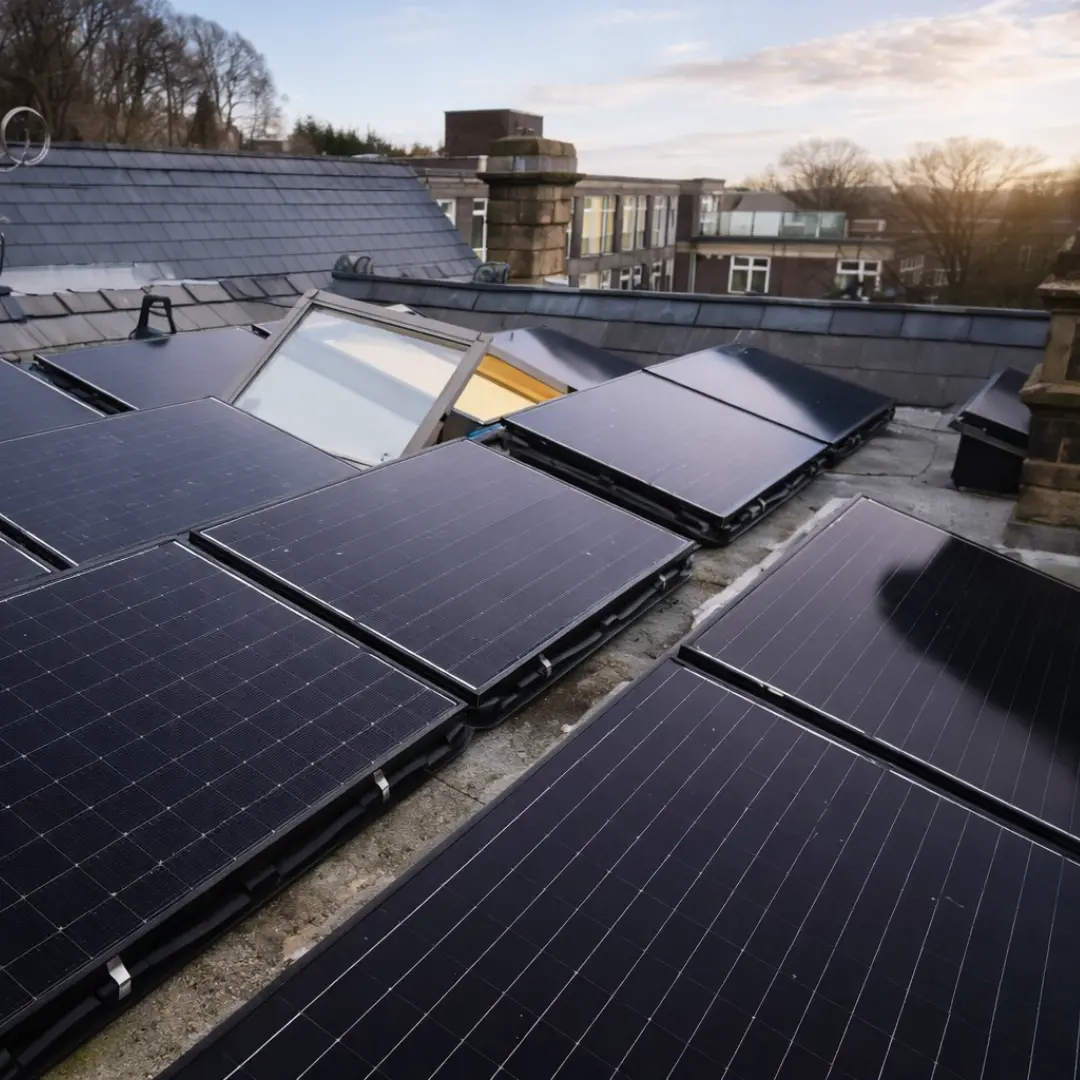
Solar panels for business are commercial solar PV systems that generate electricity directly from sunlight to power day-to-day operations. Whether installed on offices, warehouses, factories, farms, or retail premises, they help businesses reduce reliance on grid electricity, lower energy costs, and gain greater control over long-term energy spending. In 2026, solar is increasingly viewed as a practical business investment rather than simply an environmental initiative.
How Commercial Solar Panels Work
Commercial solar panels capture sunlight and convert it into electricity that businesses can use to power equipment, lighting, heating, and daily operations. Any unused electricity can often be exported to the grid, helping maximise the value of the system. The more energy a business uses during daylight hours, the greater the potential savings.
Commercial vs Domestic Solar Systems
While both systems use the same solar technology, commercial installations are typically larger and designed to meet higher energy demands. Business systems often focus on reducing operating costs and improving energy efficiency across larger premises.
Why Are More UK Businesses Investing in Solar Panels?
With energy prices remaining unpredictable and sustainability targets becoming increasingly important, more UK businesses are investing in commercial solar energy. For many
organisations, solar is no longer viewed solely as an environmental initiative but as a practical way to improve operational resilience, gain greater control over energy expenditure, and support long-term business growth.
Rising Electricity Costs
Unpredictable energy prices can put pressure on operating budgets. Solar panels help businesses generate their own electricity, reducing reliance on expensive grid power.
Greater Energy Independence
Producing energy on-site gives businesses more control over their energy usage and less exposure to market fluctuations.
Sustainability and ESG Goals
Solar panels help reduce carbon emissions, supporting environmental commitments and demonstrating a proactive approach to sustainability.
Long-Term Cost Control
While there is an upfront investment, solar panels can provide decades of electricity generation, helping businesses manage energy costs more effectively over time.
Enhanced Brand Reputation
Customers, investors, and partners increasingly value environmentally responsible businesses. Investing in solar can strengthen a company’s reputation and sustainability credentials.
Are There Any Funding Options for Commercial Solar Panels?
While direct government grants for commercial solar installations are less common than in previous years, businesses still have several funding routes available to help spread costs and improve affordability.
What Are the Main Benefits of Solar Panels for Business?
For many businesses, solar panels offer more than just lower electricity bills. They can improve energy resilience, support sustainability goals, and provide long-term financial benefits. The right system can help turn energy from a rising overhead into a controllable business asset.
Lower Operating Costs
Generating your own electricity reduces the amount of energy purchased from the grid, helping to lower day-to-day operating expenses.
Predictable Energy Spending
Solar panels provide a level of protection against future energy price increases, making budgeting and forecasting easier.
Reduced Carbon Emissions
Using clean, renewable energy helps businesses reduce their environmental impact and support corporate sustainability targets.
Potential Tax Benefits and Allowances
Businesses may be able to benefit from capital allowances, tax relief opportunities, and financing solutions that improve overall project affordability. Professional financial advice should be sought to determine eligibility for available incentives.
Increased Property Value
Energy-efficient commercial properties can be more attractive to buyers, tenants, and investors looking for lower operating costs.
Protection Against Energy Price Volatility
By producing electricity on-site, businesses become less exposed to fluctuating energy markets and rising utility costs.
How Much Electricity Can Commercial Solar Panels Generate?
Actual generation depends on roof orientation, location, shading, and system design. South-facing roofs typically achieve the highest output, although east-west systems can also provide strong performance for many commercial buildings.
How Much Do Solar Panels for Business Cost in 2026?
The cost of commercial solar panels varies depending on the size of the system, the building, and the business’s energy requirements. While larger systems require a higher upfront investment, they often deliver greater long-term savings and stronger returns.
Typical Costs by System Size
Actual costs vary based on site requirements, equipment, and installation complexity.
What Influences Installation Costs?
No two commercial properties are identical. Installation costs are typically influenced by roof design, ease of access, system capacity, battery storage requirements, and any electrical upgrades needed to support the new system.
- Roof Type: Flat, pitched, or complex roofs can affect installation requirements.
- Access: Difficult-to-reach sites may require additional equipment or scaffolding.
- System Size: Larger systems require more panels, inverters, and installation time.
- Battery Storage: Adding batteries increases upfront costs but may improve energy utilisation.
- Electrical Upgrades: Older electrical infrastructure may need improvements before installation.
Additional Costs Businesses Should Consider
Beyond installation, businesses should budget for a few ongoing costs to maximise system performance and reliability.
- Maintenance: Periodic inspections help ensure optimal performance.
- Monitoring: Performance monitoring systems can identify issues quickly.
- Insurance: Some businesses choose to extend insurance cover for solar assets.
Grid Connection: Larger systems may require additional network approval or connection work.
What Return on Investment (ROI) Can Businesses Expect?
For many businesses, the value of solar panels goes beyond energy savings alone. A well-designed system can generate long-term financial returns by reducing electricity costs and improving protection against future energy price increases.
How Solar ROI Is Calculated
Solar ROI is typically measured by comparing the total installation cost against the annual savings generated. The more electricity a business uses during daylight hours, the greater the potential return from self-generated energy.
Factors That Affect Payback Periods
Payback periods can vary depending on system size, electricity consumption, energy prices, roof suitability, battery storage, and the amount of electricity used on-site rather than exported to the grid.
Businesses That Usually See Faster Returns
Businesses with high daytime energy usage often see the strongest returns. Warehouses, manufacturing facilities, farms, retail premises, and office buildings can benefit significantly because they consume large amounts of electricity while solar panels are actively generating power.
Is Battery Storage Worth Adding to a Commercial Solar System?
Battery storage can help businesses get more value from their solar investment by storing excess electricity for later use. However, whether it makes financial sense depends on energy usage patterns, operating hours, and long-term business goals.
Benefits of Commercial Battery Storage
Battery storage allows businesses to use more of the electricity they generate, reducing reliance on the grid during peak periods and improving energy resilience during outages or high-price periods.
When Batteries Make Financial Sense
Batteries are often most beneficial for businesses that operate beyond daylight hours, have high evening energy demand, or want to maximise self-consumption rather than exporting excess electricity.
When Solar Alone May Be Enough
For businesses that use most of their electricity during the day, a solar-only system may already deliver strong savings without the additional investment in battery storage.
Are Solar Panels Suitable for Every Business?
Solar panels can benefit a wide range of businesses, but the best results are typically achieved where there is good roof space and consistent daytime electricity usage. The key is matching the system to the property’s energy demands.
Common Mistakes Businesses Make When Considering Solar Panels
A successful solar project is about more than choosing panels. Businesses that focus only on upfront costs often miss factors that have a much bigger impact on long-term savings and system performance.
Focusing Only on Installation Cost
The cheapest quote is not always the best value. System quality, design, warranties, and expected energy savings often matter more than the initial price tag.
Ignoring Energy Usage Patterns
Solar performs best when it matches how and when a business uses electricity. Understanding consumption habits is essential for maximising savings.
Choosing Based on Panel Wattage Alone
Higher wattage does not automatically mean a better system. Overall design, roof layout, inverter quality, and energy requirements are equally important.
Not Considering Future Expansion
Businesses evolve over time. Planning for future growth can make it easier and more cost-effective to expand a solar system later.
Comparing Quotes That Are Not Like-for-Like
Not all quotations include the same equipment, warranties, monitoring features, or installation standards. Always compare the full scope, not just the price.
Overlooking Monitoring and Maintenance
Solar panels require minimal upkeep, but regular monitoring helps ensure the system continues to perform efficiently and deliver expected savings.
Final Thoughts: Are Solar Panels a Smart Investment for Businesses?
For many UK businesses, solar panels are no longer just an environmental upgrade—they’re a practical way to reduce energy costs, improve energy security, and support long-term growth. The right system can deliver meaningful savings for decades while helping businesses become less dependent on rising electricity prices. As with any investment, success comes down to proper design, realistic expectations, and choosing a solution that matches your business’s energy needs.
Frequently asked questions (FAQs)
Simple answers to common questions about air source heat pump cooling, summer comfort, radiators, underfloor heating, electricity usage, and using solar panels to support daytime cooling. Speak to Simple Green Energy.
Want to check suitability?
Speak with Simple Green Energy to check whether your property is suitable for air source heat pump heating and cooling, including system design, insulation, radiators, fan coils, solar compatibility, and expected running costs.
Check cooling suitability