



Heat Pump Installation in the UK (2026)
With rising energy costs and more UK homeowners moving towards low-carbon heating, heat pumps are becoming one of the most talked-about home upgrades in 2026. So, what does heat pump installation in the UK involve? In this blog, we’ll explain the full installation journey, including home assessments, heat loss calculations, system design, outdoor unit placement, radiator checks, hot water cylinders, MCS certification, installation timescales, typical costs, and how the Boiler Upgrade Scheme can help reduce upfront costs.

Get your free heat pump quote
Secure, GDPR-protected enquiry.
Find your property
No spam. No third-party sharing.
Choose a brand
Contact details
Your details stay private and protected.
Thank you
Your request has been received. Our team will contact you shortly.
Quick Answer: Heat pump installation in the UK in 2026
Heat pump installation in the UK in 2026 typically costs £8,000–£18,000, depending on property size, insulation, and system requirements. Eligible homeowners may receive up to £7,500 through the Boiler Upgrade Scheme (BUS), reducing the upfront installation cost.
Table of Contents
ToggleWhat Is Heat Pump Installation?
Heat pump installation is the process of replacing or upgrading a home’s heating system with a heat pump designed to provide efficient heating and hot water. It involves much more than simply fitting a new unit, installers assess your property’s heat loss, design the system, check radiators and pipework, and ensure everything works together efficiently. A well-planned installation helps maximise comfort, performance, and long-term energy savings.
Why Proper Heat Pump Installation Matters
A heat pump is only as good as the system behind it. Even a high-quality unit can underperform if it’s poorly sized or installed without proper planning. Correct installation helps ensure efficient heating, lower running costs, reliable hot water, and consistent comfort throughout the home. Getting the design right from the start can make a bigger difference than the heat pump brand itself.
What Happens Before Installation Starts?
Before any equipment is installed, a few important steps help ensure the system is suitable for your home. Proper planning reduces the risk of performance issues and helps the heat pump operate efficiently from day one.
Initial Home Assessment
The process starts with a survey of your property, heating system, insulation levels, and hot water needs. This helps installers understand how your home uses and retains heat.
Heat Loss Calculation
A room-by-room heat loss calculation measures how much heat your home loses in colder weather. This information is used to determine the correct heat pump size and avoid costly sizing mistakes.
System Design
Once the assessment is complete, the system is designed around your property’s needs. This includes selecting the heat pump, checking radiator suitability, planning pipework, and ensuring the entire system works efficiently together.
Heat Pump Installation Process Step-by-Step
Once the design is complete, the installation process begins. While every property is different, most heat pump installations follow a similar sequence to ensure the system operates safely, efficiently, and reliably.
Removing Existing Equipment
If replacing a boiler or older heating system, installers will safely disconnect and remove any equipment that is no longer needed before preparing the new system.
Installing the Outdoor Unit
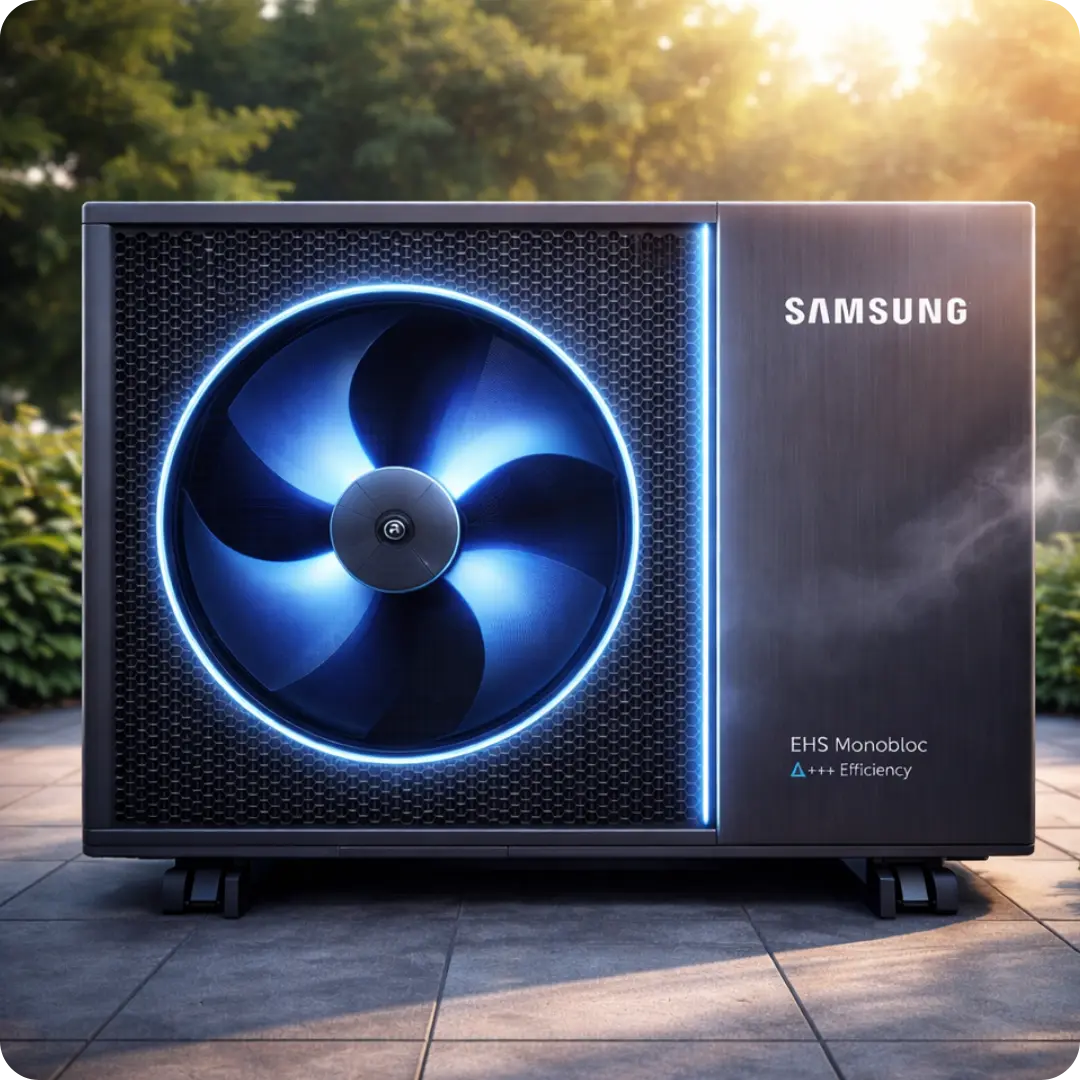
The heat pump unit is positioned outside the property in a suitable location with good airflow. Pipework is then connected between the outdoor unit and the home’s heating system.
Installing the Hot Water Cylinder
Most heat pump systems require a hot water cylinder to store heated water. The cylinder is installed and connected to provide reliable hot water throughout the home.
Radiator and Pipework Upgrades
Some properties may need larger radiators or minor pipework improvements to help the system deliver heat efficiently at lower operating temperatures.
Electrical Connections and Controls
Electrical connections, thermostats, and smart controls are installed and configured to ensure the heat pump operates safely and efficiently.
Commissioning and Testing
Before handover, the entire system is tested, balanced, and adjusted. Installers check performance, explain how everything works, and ensure the system is ready for everyday use.
MCS Certification Matters
Choosing an MCS-certified installer is an important part of any heat pump installation. MCS (Microgeneration Certification Scheme) certification helps ensure the system is designed and installed to recognised industry standards. It is also usually required if you want to access government support schemes such as the Boiler Upgrade Scheme (BUS). Working with an experienced, certified installer can help improve system performance, efficiency, and long-term reliability.
What Information Does the Certificate Include?
- Homeowner details
- Property address
- Heat pump make and model
- Installer details
- Installation date
- MCS installation reference number
- System performance information
How Do I Get My MCS Certificate?
Once the installation is completed and registered, the MCS certificate is usually issued electronically by the installer. Homeowners can also search for and download their certificate from the official MCS certificate database if they have the installation details.
How Long Does Heat Pump Installation Take?
Most domestic heat pump installations take between 2 and 5 days, although the exact timeframe depends on the property’s size, existing heating system, and whether upgrades such as radiators or a hot water cylinder are required. Simpler installations can be completed quickly, while larger or more complex homes may take longer to ensure everything is properly designed, installed, and tested.
| Common Concern | Reality |
|---|---|
| Outdoor fan noise | Modern systems are usually quiet |
| Night-time sound | Noise may seem louder in quiet conditions |
| Neighbour concerns | Good positioning helps reduce disturbance |
| Planning issues | Most homes do not need planning permission |
| Older vs newer systems | Newer models are designed to run quieter |
How Much Does Heat Pump Installation Cost?
The cost of heat pump installation varies depending on your property’s size, heating requirements, insulation levels, and whether upgrades such as radiators or a hot water cylinder are needed. While upfront costs are typically higher than a boiler replacement, available grants can significantly reduce the amount homeowners pay. The best way to understand the true cost is through a professional assessment tailored to your home rather than relying on generic estimates.
Do All Homes Need Radiator Upgrades?
Not necessarily. Many homes can keep some or even all of their existing radiators, depending on the property’s heat loss and the size of the current heating system. A heat pump works most efficiently at lower temperatures, so radiators are assessed during the design stage to ensure they can deliver enough heat. The only reliable way to know if upgrades are needed is through a professional heat loss calculation and system assessment.
What Can Homeowners Expect During Installation?
Most heat pump installations are straightforward, with installers working both inside and outside the property. Homeowners can expect some temporary disruption while equipment, pipework, and controls are fitted, but heating and hot water are usually restored as quickly as possible. Installers will also test the system and explain how to use it before the project is completed.
Common Heat Pump Installation Mistakes
Practical Tips Before Booking Installation
A little preparation can make the installation process smoother and help you get the best results from your system. Before booking, make sure you understand what’s included, ask for a heat loss calculation, check grant eligibility, and compare like-for-like quotations. The more informed you are upfront, the fewer surprises you’ll face later.
Final Thoughts on Heat Pump Installation
A successful heat pump installation is about more than simply fitting new equipment. Proper design, accurate heat loss calculations, and quality installation all play a key role in long-term performance and comfort. While every property has different requirements, a well-designed system can provide reliable heating, hot water, and improved energy efficiency for years to come. Taking the time to understand the process and assess your home’s suitability can help you make a confident and informed decision.
Frequently asked questions (FAQs)
Simple answers to common questions about air source heat pump performance, winter use, noise levels, radiator upgrades, maintenance, electricity bills, and suitability for UK homes. Speak to Simple Green Energy.
Want to check suitability?
Speak with Simple Green Energy to check whether your property is suitable for an air source heat pump, including insulation, radiator requirements, outdoor space, and system design.
Check suitability