
Air Source Heat Pump Air Conditioning in the UK (2026)
Ready for the next UK heatwave? With temperatures rising up to 35°C, many homes are becoming harder to keep cool, especially loft conversions, flats, and well-insulated properties. Air source heat pump air conditioning offers a smarter way to stay warm in winter and cool in summer.
In this blog, we’ll explain how it works, the system types, costs, running costs, suitability, common mistakes, and whether it’s worth it in 2026.
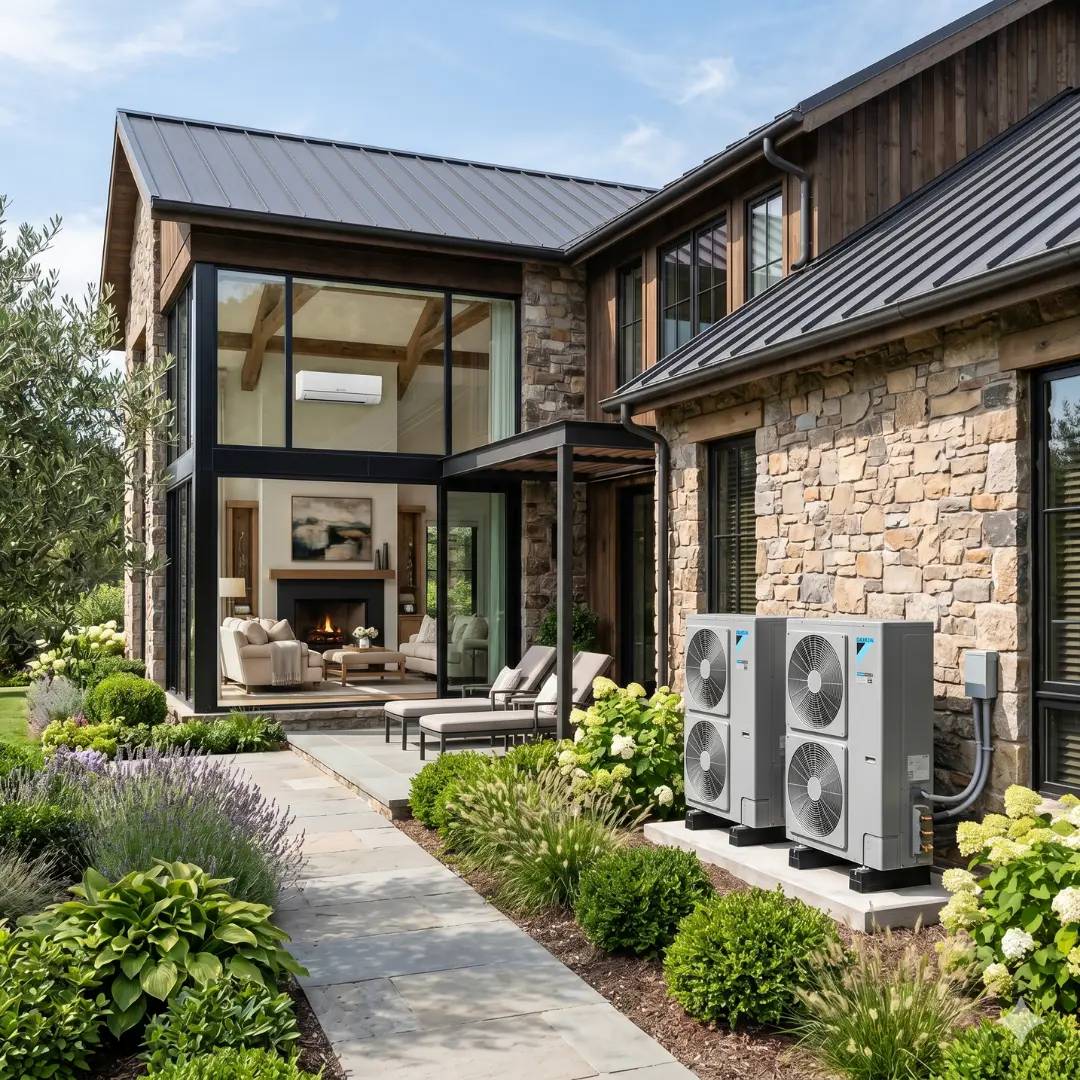
Quick Answer: What is Air source heat pump Air conditioning & How it works?
Air source heat pump air conditioning uses a reversible heat pump to heat your home in winter and cool it in summer. In cooling mode, it removes warm air from inside your home and releases it outdoors. In heating mode, it pulls warmth from outside air and transfers it indoors.
Table of Contents
ToggleWhat is Air source heat pump Air conditioning
Can an Air Source Heat Pump Work as Air Conditioning?
Yes, some modern air source heat pumps can cool your home as well as heat it. In cooling mode, the system works similarly to air conditioning by removing heat from inside the property and transferring it outdoors. Air-to-air heat pumps are the closest alternative to traditional AC, while some air-to-water systems can also provide cooling when paired with suitable emitters like fan coil units or underfloor systems.
at and cool your home throughout the year. As UK summers become warmer and homes retain more heat, many homeowners are now exploring systems that improve comfort in every season. In this blog, we’ll explain how heat pump cooling works, the difference between air-to-air and air-to-water systems, installation costs, running costs, suitability for UK homes, common mistakes to avoid, and whether heat pump air conditioning is actually worth it in 2026.
What Is a Reversible Heat Pump?
A reversible heat pump is a system that can switch between heating and cooling depending on the season. In winter, it pulls warmth from outside air into your home. In summer, it reverses the process and removes heat from indoors to help keep rooms cooler and more comfortable. Think of it as one smart system designed for year-round temperature control.
Do All Heat Pumps Provide Cooling?
No, not every heat pump is designed to cool your home. Some systems are heating-only, while others are reversible and can switch into cooling mode during warmer months. Cooling performance also depends on how the system was installed, as standard radiators are not always suitable for effective cooling.
How Heat Pump Air Conditioning Works
A heat pump air conditioning system moves heat rather than creating it. In summer, it pulls unwanted heat from inside your home and releases it outdoors, helping rooms feel cooler and more comfortable. When temperatures drop, the system reverses the process to bring warmth back indoors, giving you heating and cooling from one efficient setup.
Heating Mode vs Cooling Mod
In heating mode, a heat pump pulls warmth from outside air and brings it indoors to heat your home and hot water. In cooling mode, the process reverses, unwanted heat is removed from inside the property and pushed outdoors, helping rooms stay cooler during warmer UK weather. One system, two completely different comfort settings.
Is It the Same as Traditional Air Conditioning?
Not exactly, but it works in a very similar way. Air-to-air heat pumps cool rooms much like traditional air conditioning systems by removing heat from indoor air. The difference is that a heat pump can also switch back to heating mode in winter, giving you year-round temperature control from one system.
Why More UK Homeowners Are Considering Cooling
UK homes are getting warmer in summer, especially newer insulated properties, loft conversions, flats, and south-facing rooms. Many homeowners now want a system that does more than just heat the house in winter. Heat pump cooling offers year-round comfort without needing separate heating and air conditioning systems
Types of Heat Pump Cooling Systems in the UK
A heat pump air conditioning system moves heat rather than creating it. In summer, it pulls unwanted heat from inside your home and releases it outdoors, helping rooms feel cooler and more comfortable. When temperatures drop, the system reverses the process to bring warmth back indoors, giving you heating and cooling from one efficient setup.
Benefits of Heat Pump Air Conditioning
Heat pump air conditioning gives you heating and cooling from one smart system, helping improve comfort throughout the year. It can keep homes warmer in winter, cooler in summer, and more energy efficient overall. Many homeowners also like the quieter operation, steady indoor temperatures, and reduced reliance on separate heating and cooling systems.
Heating and Cooling in One System
One of the biggest advantages of a reversible heat pump is that it can handle both heating and cooling from a single setup. Instead of relying on separate systems for winter warmth and summer comfort, homeowners can control indoor temperatures all year round with one smarter, more efficient solution.
How Much Does Heat Pump Air Conditioning Cost in the UK?
The cost of heat pump air conditioning in the UK depends on the type of system, property size, and whether the installation is designed for cooling from the start. Air-to-air systems are usually cheaper and work most like traditional air conditioning, while air-to-water systems with cooling can cost more due to additional equipment and system design requirements. Grants may also be available on eligible systems, helping reduce upfront costs. h is why many homeowners see different grant amounts mentioned online. While England and Wales currently use the Boiler Upgrade Scheme (BUS), Scotland and Northern Ireland have separate funding programmes with different eligibility rules and support levels. The climate across the UK is also often questioned, but modern heat pumps are designed to operate efficiently even during colder winter temperatures.
Installation Costs
Installation costs can vary depending on the type of heat pump, cooling setup, property size, and whether additional upgrades are needed. Air-to-air heat pumps are usually the more affordable option for heating and cooling, while air-to-water systems with cooling features can cost more due to fan coil units, controls, and specialised system design. A properly designed installation is important, as cooling performance depends just as much on the setup as the heat pump itself.
Is Heat Pump Air Conditioning Right for Your Home?
Heat pump air conditioning can work well for homes that become too warm in summer but still need efficient heating in winter. It is often a good fit for modern insulated properties, loft conversions, flats, and home offices. The key is choosing the right system and making sure the property is properly assessed, as cooling performance depends heavily on the home’s layout, insulation, and heating setup.
| Property Type | Suitability |
|---|---|
| Flats | Good for air-to-air where permissions allow |
| Loft conversions | Often useful due to overheating |
| New builds | Good, especially where overheating risk is high |
| South-facing homes | Useful for summer comfort |
| Home offices | Strong use case |
| Well-insulated homes | Good, but overheating risk should be assessed |
Heat Pump Air Conditioning vs Traditional Air Conditionin
Traditional air conditioning is designed mainly for cooling, while a heat pump can both cool your home in summer and heat it in winter. Air-to-air heat pumps work very similarly to modern AC systems, but they offer year-round temperature control from one setup. For many UK homeowners, this makes heat pumps a more versatile long-term comfort solution rather than just a seasonal cooling system.
| Feature | Heat Pump Air Conditioning | Traditional Air Conditioning |
|---|---|---|
| Heating Capability | Yes — heats and cools from one system | Usually cooling only |
| Cooling Capability | Yes, on reversible systems | Yes |
| Best System Type | Air-to-air or reversible heat pump | Split or ducted AC systems |
| Energy Efficiency | Designed for year-round efficiency | Mainly focused on cooling |
| Winter Use | Provides heating during colder months | Often requires separate heating system |
| Running Costs | Can be efficient when properly designed | Depends heavily on cooling usage |
| Hot Water Support | Possible with air-to-water systems | No |
| Best For | Homes wanting heating + cooling together | Homes mainly needing cooling |
| Installation Complexity | Varies depending on system type | Usually simpler for cooling-only setups |
| UK Popularity | Growing rapidly in modern homes | More common in commercial or high-heat properties |
Final Thoughts on Air Source Heat Pump Air Conditioning
Air source heat pump air conditioning is becoming a smarter option for UK homeowners who want year-round comfort from one efficient system. While not every setup is designed for cooling, the right heat pump can help keep homes warmer in winter and more comfortable during hotter summer months, all while reducing the need for separate heating and cooling systems.
Frequently asked questions (FAQs)
Simple answers to common questions about air source heat pump cooling, summer comfort, radiators, underfloor heating, electricity usage, and using solar panels to support daytime cooling. Speak to Simple Green Energy.
Want to check suitability?
Speak with Simple Green Energy to check whether your property is suitable for air source heat pump heating and cooling, including system design, insulation, radiators, fan coils, solar compatibility, and expected running costs.
Check cooling suitability