System Boiler to Combi Conversion: Is It Right for Your UK Home?
Converting a system boiler to a combi boiler can free cupboard space, remove the hot-water cylinder and provide hot water on demand. However, it is not automatically the best upgrade for every property.
A combi usually suits a smaller household with one main bathroom, a strong incoming mains supply and limited simultaneous hot-water demand. Larger families, homes with two or more frequently used bathrooms, and homeowners considering a future heat pump may be better served by retaining a cylinder-based system.
This guide explains how the conversion works, what it costs, how long it takes and when changing to a combi makes practical and financial sense.
Check your ECO4 eligibility
Answer a few quick questions to see whether your household may qualify for ECO4 support.
Quick answer
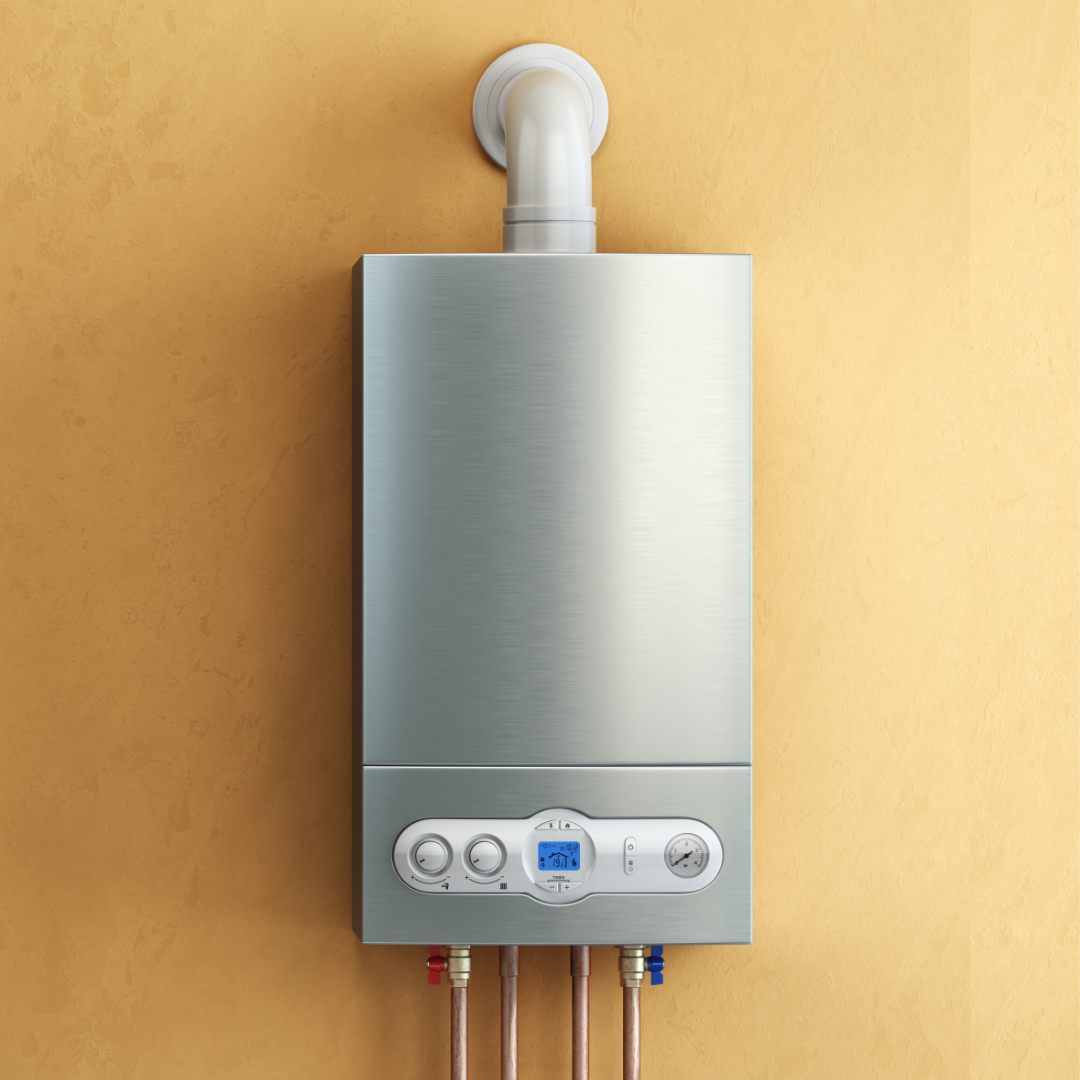
A system boiler to combi conversion replaces the boiler and removes or disconnects the separate hot-water cylinder. The pipework is altered so the combi heats mains water whenever a hot tap opens.
For a typical UK property, the work commonly takes up to three days and costs around £4,000, although relocation, difficult access, gas-pipe upgrades or extensive system cleaning can increase the price.
It is usually worthwhile when space matters and the property has one main bathroom with adequate mains flow. It is less attractive where several people regularly need showers or taps simultaneously, because a system boiler’s stored hot water can meet higher peak demand.
Table of Contents
ToggleSystem boiler vs combi boilerment comparison
| Consideration | System boiler | Combi boiler |
|---|---|---|
| Hot-water delivery | Stores hot water in a cylinder | Heats mains water on demand |
| Best suited to | Larger households and higher simultaneous demand | Smaller households, often with one bathroom |
| Space required | Boiler plus cylinder | One boiler with no separate cylinder |
| Multiple outlets | Usually better for simultaneous use | Flow can fall when outlets run together |
| Water supply | Performance depends on cylinder design and incoming supply | Directly dependent on mains pressure and flow |
| Future upgrades | Cylinder normally helps with a heat pump or solar thermal | A cylinder may need to be reintroduced |
| Main drawback | Uses space and has some standing heat loss | Lower peak hot-water capacity |
Energy Saving Trust describes combis as a space-saving choice for smaller households, but says they may be unsuitable for properties with several bathrooms or low water pressure. It also notes that most heat pumps work with a hot-water cylinder.
When is a system boiler to combi conversion a good idea?
The case for conversion is strongest when:
- You have one main bathroom.
- Several hot-water outlets are rarely used together.
- The incoming main has adequate dynamic pressure and flow.
- The cylinder occupies valuable bedroom or airing-cupboard space.
- The existing boiler or cylinder already needs replacing.
- Household hot-water consumption is relatively modest.
- You want a simpler system with fewer cylinder components.
A typical example would be a two- or three-bedroom home occupied by one to three people. If the home has one bathroom and a measured mains supply that suits the proposed boiler, a combi could provide convenient hot water without maintaining a stored cylinder.
The conversion may also make sense during a wider renovation. Removing the cylinder can release space for storage, enlarge a bathroom or make an airing cupboard available for another purpose.
When should you keep the system boiler?
A cylinder-based arrangement deserves serious consideration when two showers are regularly used together, the property has a large bath, family demand is high or the incoming main cannot support the intended combi output.
A combi’s advertised litres-per-minute figure is not a guarantee of what every home will receive. Its performance is constrained by the incoming water supply, required temperature rise and plumbing layout. Installing a larger boiler cannot create more mains water than the property receives.
You should also think beyond your next boiler.
Solar water heating integrates more naturally with stored hot water. Most domestic heat-pump installations also require a cylinder. Removing a sound cylinder now and installing another several years later may represent poor value.
What does the conversion involve?
Before recommending a boiler, the engineer should inspect the existing boiler and cylinder, test the incoming main under flow, estimate the property’s heating demand, discuss simultaneous hot-water use and check whether the gas supply suits the proposed appliance.
The installation normally includes:
- Draining and disconnecting the existing system.
The old system boiler is isolated and removed safely. - Removing or decommissioning the cylinder.
Confirm whether physical removal, disposal and cupboard alterations are included in the quotation. - Reconfiguring the water pipework.
The hot-water outlets are connected to the combi. Redundant cylinder pipes are removed or capped. - Checking the gas route.
A higher-output combi may require gas-pipe alterations if the existing supply cannot maintain the required inlet pressure. - Installing the flue and condensate route.
The location needs a compliant flue terminal, inspection access and appropriate condensate drainage. - Cleaning and protecting the heating circuit.
The quotation should state whether the system needs a chemical clean or powerflush, along with inhibitor and a magnetic filter. - Installing suitable controls.
In England, Boiler Plus standards require time and temperature controls, boiler interlock and an additional energy-efficiency measure when a gas combi is installed. These measures can include load compensation, weather compensation, suitable smart controls or flue-gas heat recovery. - Commissioning and handover.
The engineer should complete the manufacturer’s Benchmark record, demonstrate the controls and provide warranty and compliance documents.
A gas boiler must be installed by an appropriately qualified Gas Safe registered engineer. The installation must normally be notified to the local authority within 30 days, usually through the registered business. The homeowner should then receive a Building Regulations certificate.
How long does a system boiler to combi conversion take?
A straightforward conversion normally takes between one and three days. Checkatrade’s 2026 cost guide allows up to approximately three days for a system-to-combi conversion.
The work may take longer when:
- The boiler is being moved.
- Scaffolding is needed.
- A long or complex flue is required.
- The gas pipe needs upgrading.
- The heating system contains heavy sludge.
- Floors or walls must be opened to alter pipework.
- The cylinder is difficult to remove.
- Additional radiators or heating zones are being installed.
Heating and hot water will be unavailable during parts of the installation. Your quotation should explain the expected downtime and whether making good, decorating or carpentry is included.
How to choose the right combi boiler
Use this seven-step check before agreeing to a conversion.
- Measure dynamic mains flow and pressure
Water should be tested while it is flowing, not only with the taps closed. Testing at a busy time can provide a more realistic result.
- List simultaneous demand
Consider showers, baths, kitchen taps and basins. Do not judge demand only by the total number of bathrooms.
- Calculate the heating load
The installer should assess the property’s heat loss rather than recommending output solely from bedroom count. The hot-water requirement often determines the headline output of a combi.
- Compare hot-water performance
Check the stated litres-per-minute output at a defined temperature rise. Confirm that the incoming supply can support it.
- Review modulation and controls
A boiler that can reduce its output as heating demand falls is less likely to cycle repeatedly. Compatible load- or weather-compensating controls can improve operation.
- Check the warranty conditions
Ask about annual servicing, system cleaning, filter requirements and whether the installer must hold manufacturer accreditation.
- Consider future changes
Account for extensions, another bathroom, a growing family, solar water heating or a future heat pump before removing the cylinder.
System boiler to combi conversion cost
| Cost item or scenario | Typical UK allowance | Main variables |
|---|---|---|
| Straightforward conversion | Approximately £3,000–£5,000 | Boiler model, region, cylinder removal and pipework |
| Complex conversion | More than £5,000 may be possible | Relocation, scaffolding, long flue, gas upgrade or difficult access |
| Extra conversion work versus a simple boiler swap | Often several hundred pounds | Re-piping, removal and disposal |
| Smart heating controls | Commonly around £100–£250 | Brand, zoning and wiring |
| Powerflush for a heavily contaminated system | Commonly several hundred pounds | Radiator count and system condition |
These figures are for budgeting rather than quotations. Checkatrade’s 2026 guide places the average system-to-combi conversion at approximately £4,000. Which? says changing from a system or heat-only boiler to a combi commonly adds £400–£800 in labour and re-piping compared with a simpler replacement.
Which? also estimates that smart controls may add approximately £100–£250, while a powerflush can cost several hundred pounds depending on the system.
Request a written scope covering:
- Boiler make, model and output
- Heating controls
- Cylinder removal and disposal
- Pipework alterations
- Flue and condensate installation
- System cleaning
- Magnetic filter and inhibitor
- Electrical work
- Waste removal
- Making good
- Commissioning and registration
- Warranty and aftercare
A property survey is required for an accurate quotation.
Will converting to a combi save money?
Removing the cylinder may reduce standing heat losses, but a combi conversion should not be presented as a guaranteed way to make large energy savings.
A modern system boiler and a modern combi are both condensing appliances. Household behaviour, heating controls, flow temperature, insulation, system cleanliness and installation quality can all affect actual consumption. Modern condensing boilers recover more heat from their flue gases than older non-condensing appliances.
The strongest financial case usually occurs when the existing boiler or cylinder already requires replacement. Converting a young, reliable system purely to reduce bills could produce a very long—or non-existent—payback period.
The value may instead come from:
- Reclaiming cupboard space
- Avoiding future cylinder replacement
- Providing hot water on demand
- Removing stored-water heat loss
- Simplifying the heating arrangement
Compare the conversion with retaining the system boiler, upgrading the controls and insulating or replacing the cylinder. Savings projections should be based on your property and usage rather than a generic percentage.
Why the installer matters
Poor surveying can leave a household with disappointing showers. Inadequate gas pipework can restrict boiler operation. Sludge can damage components, while unsuitable controls and badly planned flue or condensate routes can affect performance and reliability.
A competent installer should provide:
- Measured mains-water results
- A heating and hot-water sizing rationale
- A clear system-cleaning method
- Manufacturer-compliant commissioning
- Building Regulations notification
- Written warranty conditions
- Proof of the relevant Gas Safe competence
- Clear aftercare arrangements
Installation quality affects safety, comfort, efficiency, reliability and warranty protection. Compare at least three properly scoped quotations rather than selecting an installer solely on headline price. Energy Saving Trust also recommends obtaining at least three quotes.
Frequently asked questions (FAQs)
Clear answers about converting a system boiler to a combi, installation costs, timescales, cylinder removal, mains pressure, simultaneous hot-water use, energy efficiency and winter performance. Speak to Simple Green Energy .
Considering a system-boiler-to-combi conversion?
Speak with Simple Green Energy about mains water flow, hot-water demand, cylinder removal, boiler sizing, installation costs, timescales and whether a combi suits your property.
Review my conversion optionsFinal recommendation
A system boiler to combi conversion often suits a smaller household that values space and has one main bathroom with a strong mains supply. It is not the default answer for every home.
High-demand families, multi-bathroom properties and homeowners considering a heat pump may gain more from retaining a well-designed cylinder system.
The decision should follow an in-home assessment covering dynamic water tests, simultaneous demand, heat-loss calculations, gas-supply checks and future plans.
Book a free heating assessment with Simple Green Energy to compare a combi conversion with a system-boiler replacement and, where appropriate, a low-carbon heating option. A transparent recommendation should explain not only what can be installed, but why it suits your property.