Old Boiler Efficiency vs New A-Rated Boiler Efficiency: How Much Can You Save?
If your boiler is more than 10–15 years old, you may be wondering whether replacing it with a modern A-rated condensing boiler is actually worthwhile.
Older boilers can continue working for many years, but they are usually much less efficient than modern systems. Improvements in boiler technology, heating controls and condensing performance mean that today’s A-rated boilers can use less gas to produce the same amount of heat.
For UK homeowners facing rising energy bills, understanding the difference between an old boiler and a new A-rated boiler can help decide whether repairing an existing system or upgrading makes better financial sense.
This guide explains:
- How old boiler efficiency compares with new A-rated boilers
- How much energy a replacement boiler could save
- Why boiler efficiency has improved
- The costs involved in upgrading
- Whether replacing an older boiler is worth considering
A boiler replacement is not only about efficiency. The right system, correct installation and suitable heating controls all play an important role in long-term performance.
Check your ECO4 eligibility
Answer a few quick questions to see whether your household may qualify for ECO4 support.
Quick answer
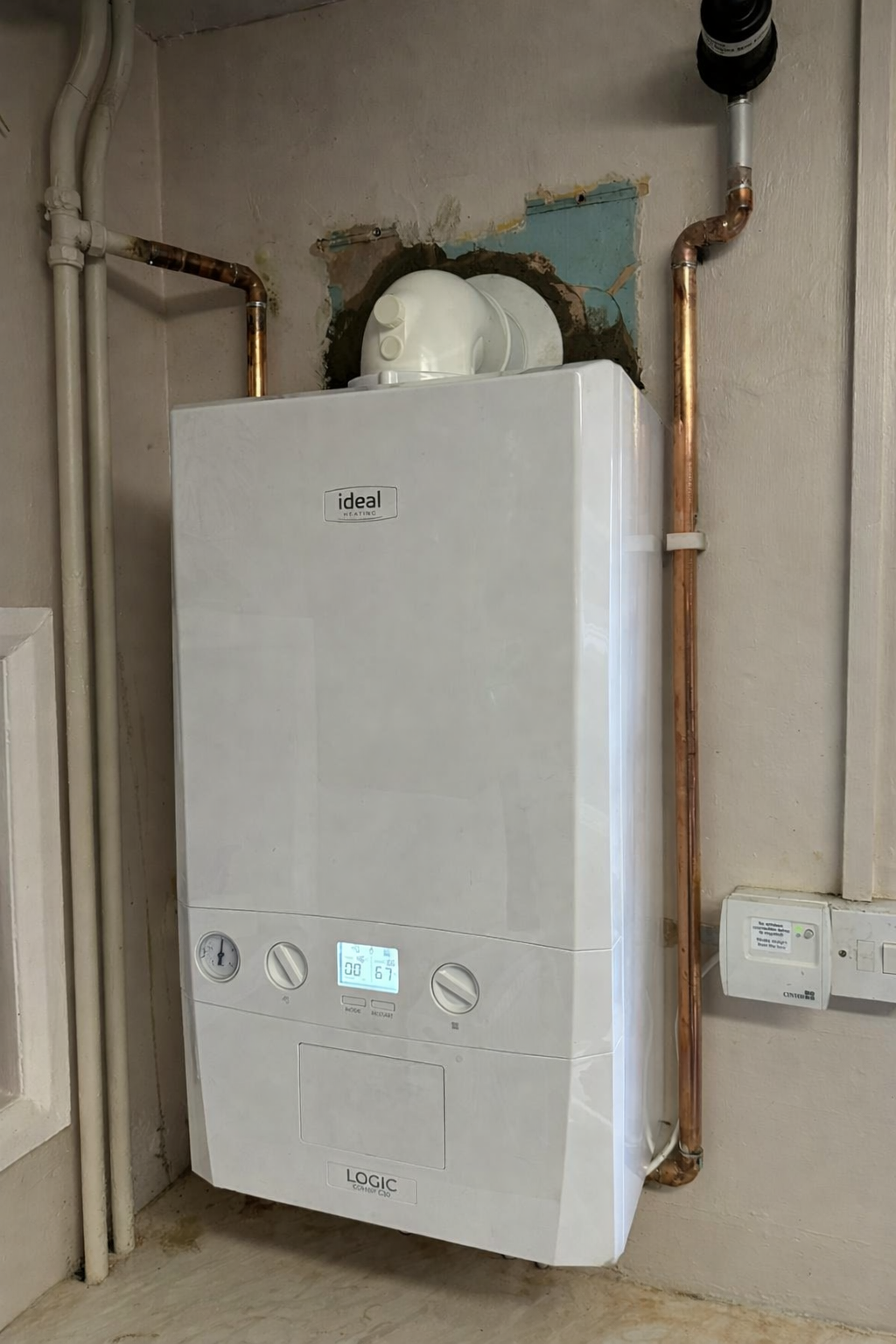
A modern A-rated condensing boiler is typically around 90% efficient or higher, meaning it converts most of the gas it uses into useful heat. Older boilers, particularly those installed before modern efficiency standards, may operate at around 60–75% efficiency or lower depending on their age and condition.
Replacing an inefficient boiler can reduce wasted energy, improve heating control and potentially lower gas usage. However, the actual savings depend on your property size, insulation, heating habits, boiler condition and energy prices.
Table of Contents
ToggleWhat Does Boiler Efficiency Mean?
Boiler efficiency describes how effectively a boiler converts fuel, such as natural gas, into usable heat for your home.
For example:
- A boiler operating at 90% efficiency converts 90% of the energy from gas into heat.
- The remaining 10% is lost through exhaust gases and other losses.
The higher the efficiency rating, the less energy is wasted.
In the UK, boiler efficiency is measured using the ErP (Energy-related Products) rating system:
- A-rated boilers: 90% efficiency or above
- B-rated boilers: 86–90%
- Older G-rated boilers: below 70%
Most modern replacement boilers installed today are A-rated condensing boilers.
Old Boiler Efficiency Explained
Many older boilers were designed before today’s efficiency standards existed.
A boiler installed 15–20 years ago may still provide reliable heating, but its design may mean more heat escapes through the flue instead of being transferred into your home.
Older boilers often experience:
- Lower combustion efficiency
- Greater heat loss
- Less accurate temperature control
- Higher fuel consumption
- Fewer smart control options
Older non-condensing boilers were particularly inefficient because they allowed more heat to leave through waste gases.
Some older systems may only achieve around 60–75% efficiency, meaning a significant amount of energy is lost.
For example:
If an older boiler is 70% efficient:
- £1 of gas provides around 70p worth of usable heat
- Around 30p of energy is lost
Over many years, these losses can increase heating costs.
How Efficient Are New A-Rated Boilers?
Modern A-rated boilers use condensing technology, which captures additional heat from exhaust gases that would previously have been wasted.
Most modern condensing boilers achieve efficiencies of:
- 90%+ under ideal conditions
- Around 85–95% depending on operation and system design
They also benefit from improvements such as:
- Better heat exchangers
- Improved combustion control
- Weather compensation controls
- Smart thermostats
- Modulating technology
A modern boiler does not simply burn gas more efficiently; it also manages heat output more intelligently.
This means it can reduce unnecessary energy use when your home needs less heating.
Old Boiler Efficiency vs New A-Rated Boiler Efficiency
| Boiler Type | Typical Efficiency | Common Features | Suitability |
|---|---|---|---|
| Older conventional boiler (15+ years) | 60–75% | Basic controls, higher heat loss | Older properties needing upgrades |
| Older condensing boiler | 75–85% | Better than traditional boilers but less advanced | Homes with functioning systems |
| Modern A-rated condensing boiler | 90%+ | Smart controls, improved efficiency | Most UK homes |
How Much Can a New Boiler Save?
The potential savings from replacing an old boiler depend on:
- Boiler age
- Current efficiency
- Property size
- Insulation levels
- Heating usage
- Gas prices
A homeowner replacing a very old inefficient boiler may see noticeable improvements, while someone replacing a newer condensing boiler may see smaller savings.
Energy savings are often achieved through a combination of:
- Higher boiler efficiency
- Better controls
- Reduced heat loss
- Improved system design
A new boiler can also provide improved reliability and reduce the likelihood of expensive repairs as an older system ages.
Is It Worth Replacing an Old Boiler?
Replacing an old boiler can be worth considering if your current system is inefficient, unreliable or expensive to run.
Signs it may be time to replace your boiler:
- Your boiler is 10–15+ years old
- Frequent breakdowns or repair costs are increasing
- Your energy bills are rising without clear reason
- Your home struggles to stay warm
- Replacement parts are becoming harder to source
While a boiler may still function, its efficiency and performance may no longer be optimal.
For many homeowners, the decision comes down to balancing:
- Ongoing repair costs
- Energy usage
- Comfort levels
- Long-term savings
A newer A-rated boiler can offer improved control, quieter operation and better overall heating performance.
Typical Costs of Replacing a Boiler in the UK
| Boiler Type | Typical Installed Cost | Best For |
|---|---|---|
| Combi boiler | £2,000 – £4,500 | Small to medium homes |
| System boiler | £3,000 – £5,500 | Homes with higher demand |
| Regular boiler | £3,500 – £6,000+ | Larger or older properties |
What affects the cost?
- Property size
- Pipework modifications
- Flue location
- Heating controls
- System upgrades (e.g. radiators)
- Installation complexity
Every property is different, so a survey is required for an accurate quotation.
Clear answers about boiler efficiency, lifespan, modern A-rated systems, cost savings, noise levels and the key differences between older and newer boilers.
Conclusion
The difference between an old boiler and a modern A-rated boiler is significant.
Key takeaways:
- Older boilers may operate at 60–75% efficiency
- Modern A-rated boilers typically achieve 90%+ efficiency
- Upgrading can reduce wasted energy and improve performance
- Savings depend on your home, system and usage
- Installation quality is just as important as the boiler itself
If your boiler is ageing or inefficient, a replacement could improve comfort, reliability and energy usage.
Important links:
Solar panels: https://www.simplegreenenergy.org/solar-panels/
Air source heat pump: https://www.simplegreenenergy.org/air-source-heat-pump/
EV charger: https://www.simplegreenenergy.org/ev-charger/
Air conditioning: https://www.simplegreenenergy.org/air-conditioning/