

Carbon Reduction Plan 2025/26
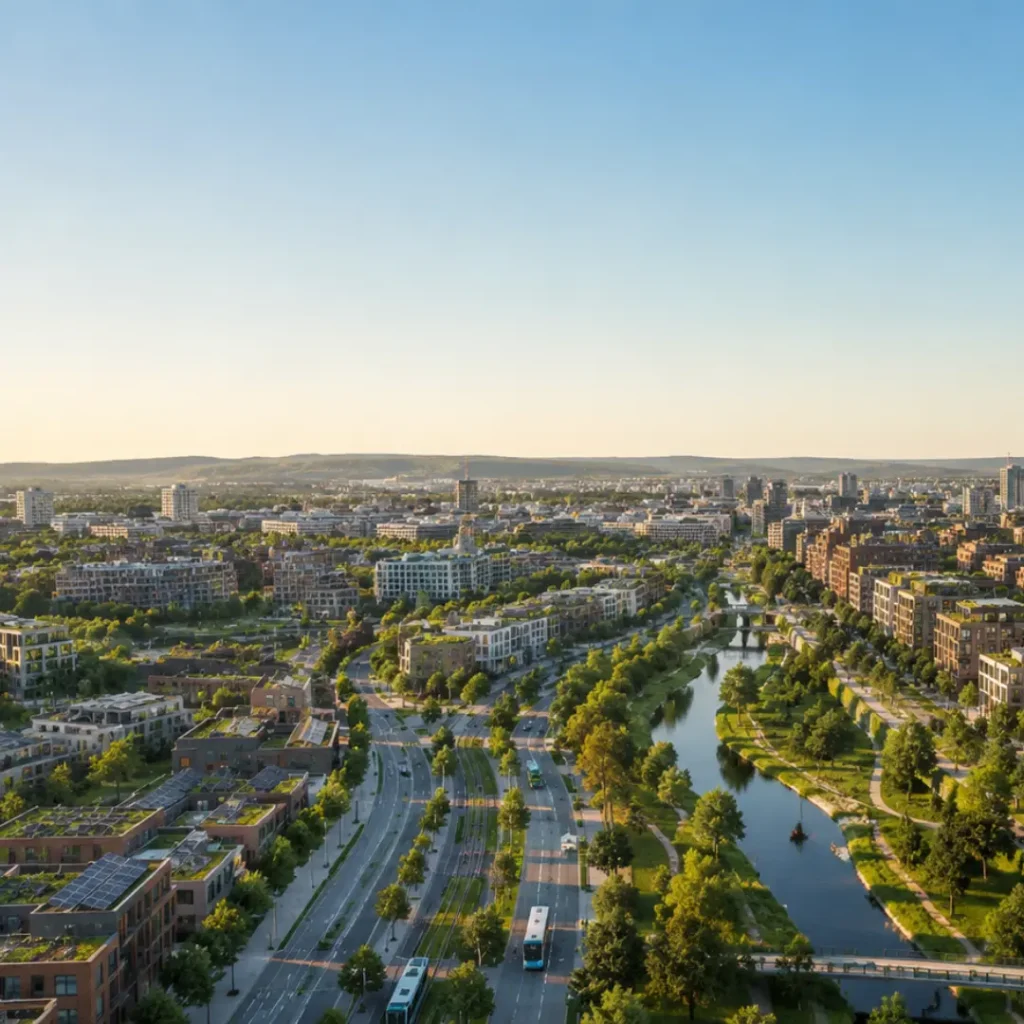
Simple Green Energy Limited is committed to achieving Net Zero greenhouse gas emissions by 2050 at the latest and to reducing emissions across our operations, supply chain and customer delivery activities.
Reporting Year
2025/26
Baseline Year
2025/26
Net Zero Target
2050
Company Registration
12244971
Employees
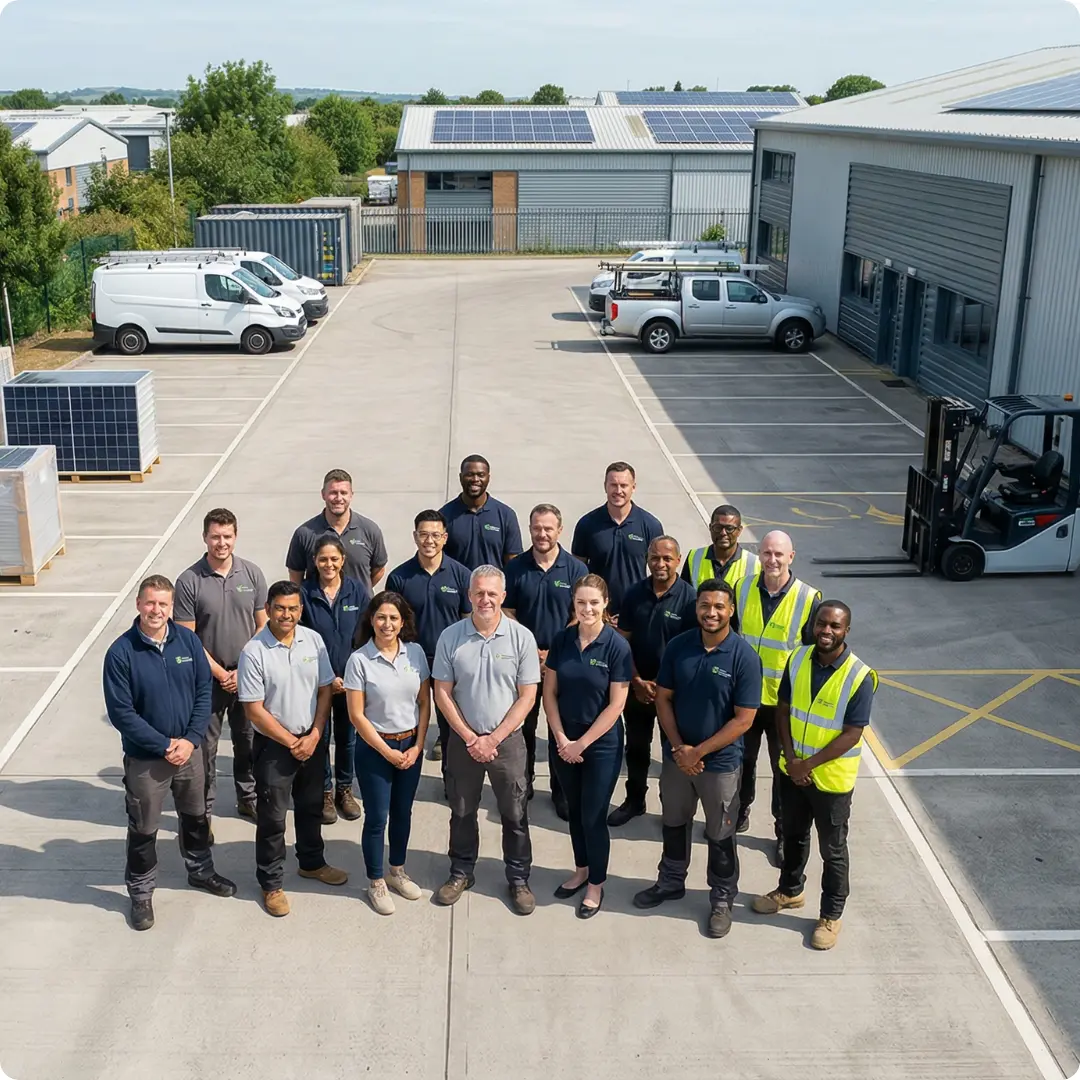
9
A commitment to Net Zero
Simple Green Energy Limited commits to achieving Net Zero greenhouse gas emissions by 2050 at the latest. The company will work to reduce emissions across Scope 1, Scope 2 and relevant Scope 3 categories, while continuing to deliver energy-efficiency, renewable energy and retrofit services that support customers in reducing their own environmental impact.
“Our internal ambition is to reduce emissions earlier where commercially and operationally practical.”
The company, briefly
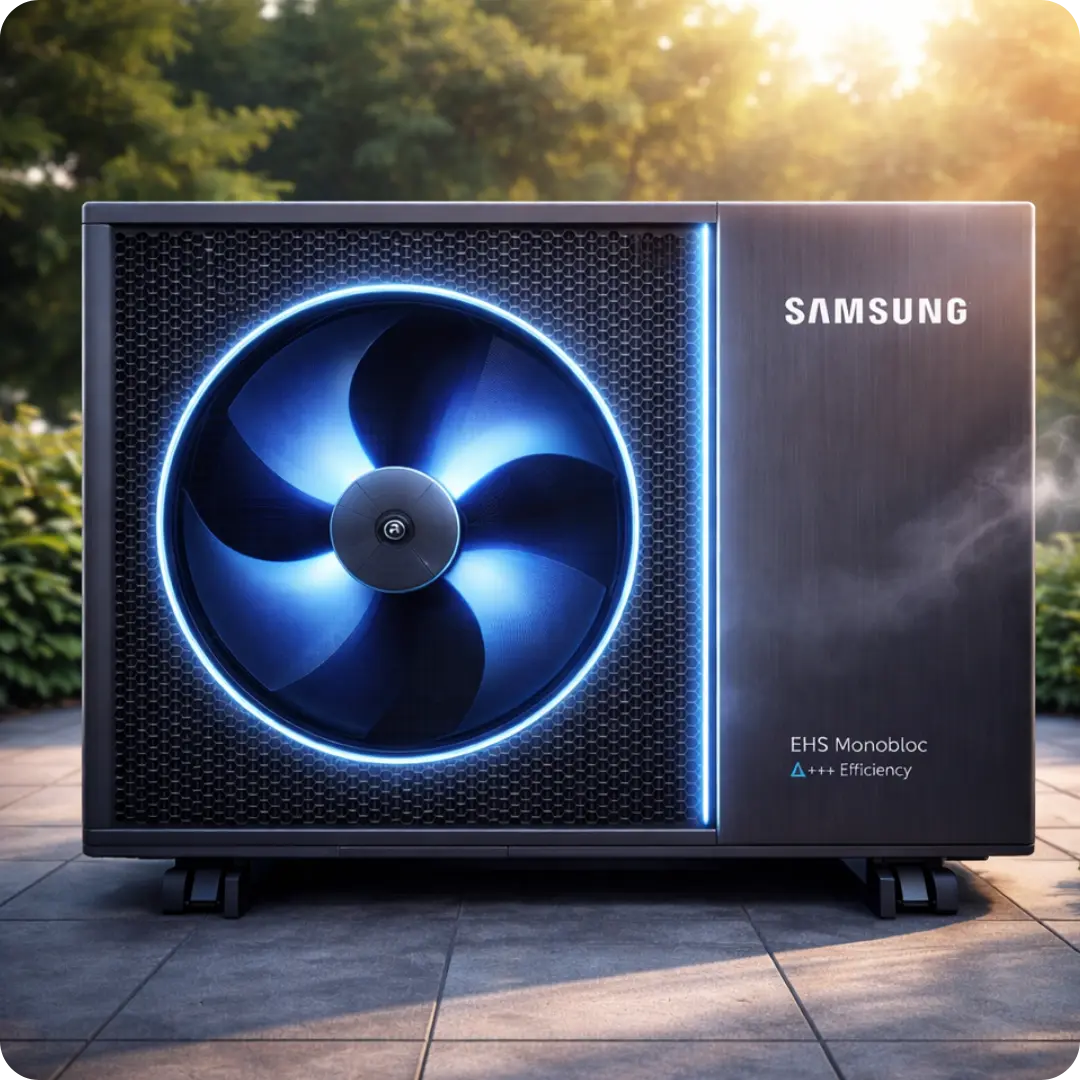
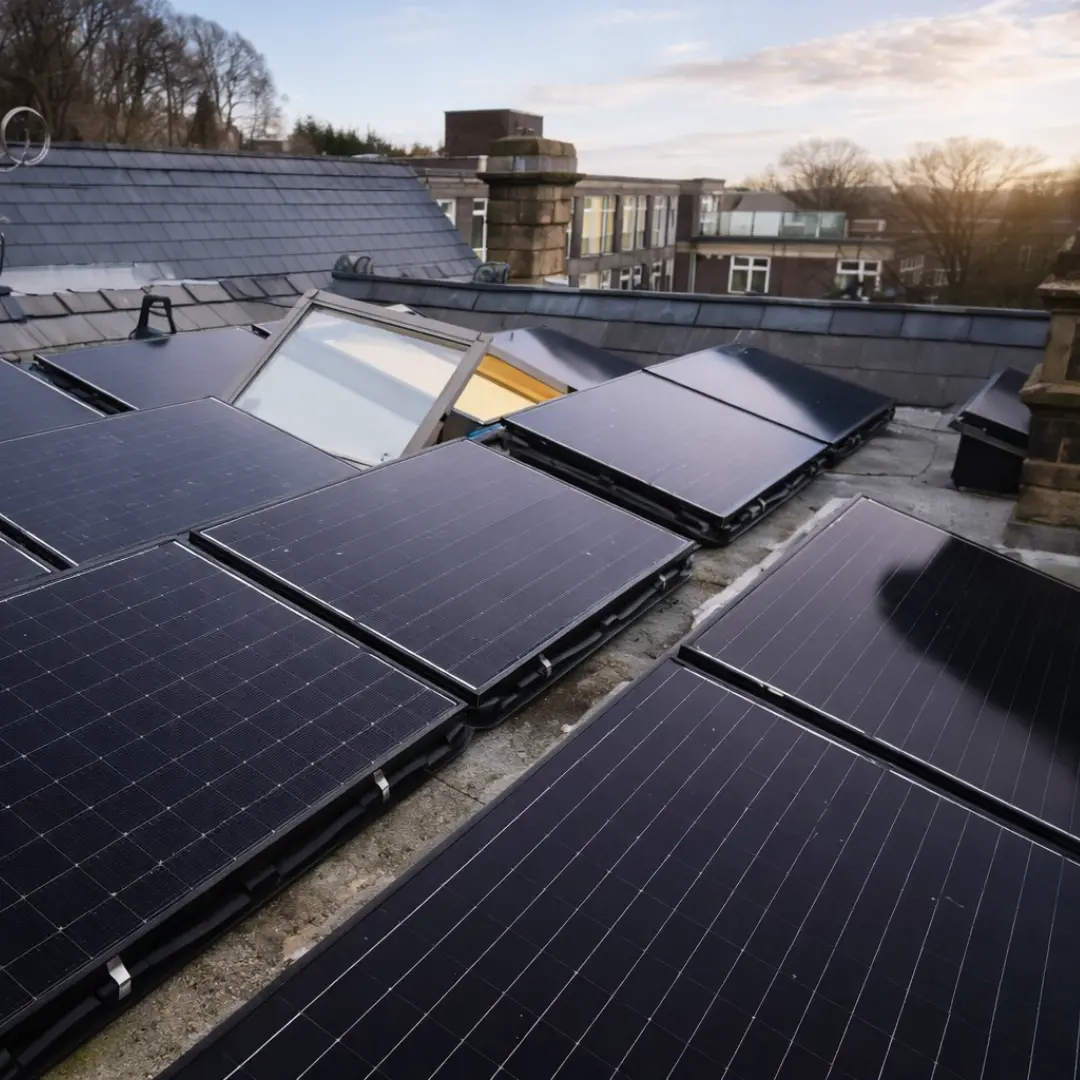
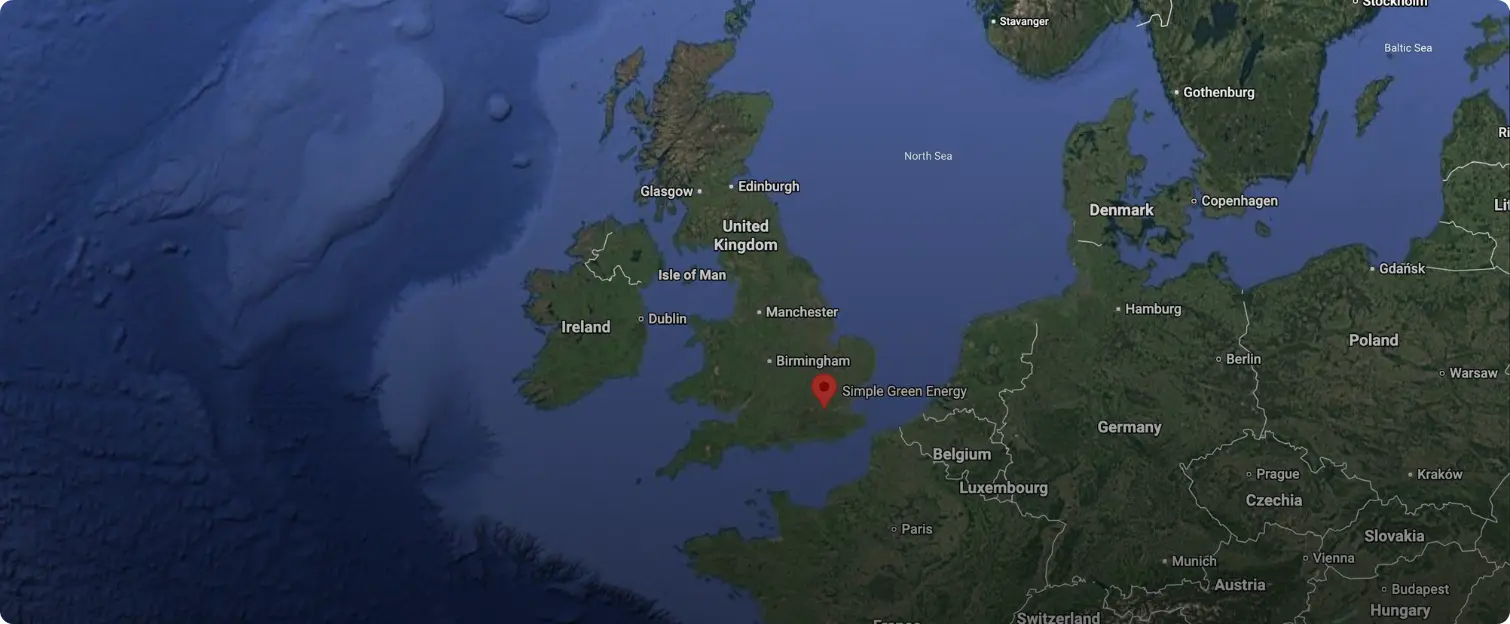
We are a Birmingham-based energy-efficiency, renewable energy and retrofit services provider working across England and Wales. Our work supports domestic and public-sector decarbonisation, through air source heat pumps, solar PV, EV chargers, boiler replacements, ventilation improvements, insulation-related works and wider retrofit activity.
Customer emissions savings and avoided emissions from installed measures are recognised as positive customer impact, but they are reported separately from Simple Green Energy’s own organisational footprint.
In the year, in numbers
Customer emissions savings and avoided emissions from installed measures are recognised as positive customer impact, but they are reported separately from Simple Green Energy’s own organisational footprint.
The organisational boundary
This plan covers Simple Green Energy Limited’s operational emissions for the reporting year 2025/26.
2025/26 is being used as our first formal reporting baseline. Data quality will improve through annual review, better mileage tracking, travel records, supplier data and waste documentation.
Emission, source by source
An honest account of what we know, what we don’t, and what we’ll improve.
Scope 1, 2 and 3 emissions activity overview.
Scope 1
Direct emissions
Current position
A fleet of five vans and four cars, petrol and diesel, covering an estimated 63,900 miles a year.
Fuel litres are not yet recorded.
Next step
Move toward mileage logs, fuel-card data and vehicle-level records.
Scope 1
Direct emissions
Current position
No office gas usage, generator fuel, or refrigerant top-ups have been reported in the year.
Next step
Continue monitoring for any future gas or site fuel use.
Scope 2
Purchased electricity
Current position
Approximately 8,000 kWh supplied by British Gas.
The current tariff is not confirmed as renewable.
Next step
Review renewable tariffs and energy-efficiency measures.
Scope 3
Indirect emissions
Current position
Meetings, supplier visits, training, tender meetings, site visits and customer activity.
Travel may include rail, taxi, personal car, hotel stays and occasional longer trips.
Next step
Collect receipts and mileage claims in a structured way.
Scope 3
Indirect emissions
Current position
Mainly public transport where practical.
No formal data set captured for 2025/26.
Next step
Run a staff commuting survey.
Scope 3
Indirect emissions
Current position
Packaging, old boilers, cylinders, scrap metal and recyclables are disposed through appropriate routes.
Recycling is used where practical.
Next step
Retain transfer notes and disposal invoices annually.
Scope 3
Indirect emissions
Current position
Supplier deliveries of boilers, heat pumps, solar panels, EV chargers, cylinders and ventilation products.
Deliveries are made to customer properties or project sites.
Next step
Improve supplier delivery records and engagement on logistics.
Scope 3
Indirect emissions
Current position
Products and materials are moved from storage to customer sites by company van.
Route planning is used to reduce unnecessary travel.
Next step
Continue route optimisation and review opportunities to reduce van miles.
What we already do
Digital systems
Zoho One, Zoho CRM, Zoho Sign and DocuSign reduce paper and improve document control.
Route planning
Internal route planning supported by Google API technology improves scheduling and cuts unnecessary journeys.
Remote & flexible working
Administrative work is delivered partly remotely where suitable, reducing commuting and office travel.
Waste & recycling
Old boilers, cylinders, metal components and packaging are segregated and recycled where practical via licensed waste carriers.
Energy-efficient products
We install and promote heat pumps, solar PV, battery storage, EV chargers, ventilation and heating controls.
Staff training
Training on waste, compliance, installation quality, environmental responsibilities and sustainable working practices.
Supplier checks
Supplier environmental credentials are reviewed where practical, with improvement planned as part of future procurement controls.
Future commitments
Looking ahead, Simple Green Energy will continue to strengthen its future commitments by moving company vehicles toward EV or hybrid alternatives where commercially and operationally practical. The company will also review renewable electricity tariffs for offices and business locations, reduce unnecessary revisits through improved survey accuracy and right-first-time installation planning, and improve recycling and waste segregation across installation projects.
Simple Green Energy will aim to work with suppliers that have stronger environmental credentials where suitable and commercially viable, while reducing paper use through CRM systems, e-signatures, and digital documentation. Emissions will be reviewed annually, with carbon reporting added to management review processes. The company will also retain key evidence, including electricity bills, supplier records, travel receipts, installation volumes, vehicle lists, policies, and accreditations.
A path through the years
2025/26
- Establish first formal baseline
- Publish Carbon Reduction Plan
- Begin structured annual data collection
2026/27
- Improve vehicle mileage and fuel tracking
- Review renewable electricity tariffs
- Introduce staff commuting survey
- Improve waste transfer note retention
2027/28
- Begin phased transition of suitable vehicles to hybrid or electric where operationally practical
- Strengthen supplier environmental checks
- Reduce revisits through improved survey accuracy
2028/29
- Increase recycling and segregation of installation waste
- Expand use of digital documentation
- Review emissions performance at management level
2030
- Continue reducing operational emissions
- Prioritise low-emission fleet options
- Maintain annual Carbon Reduction Plan updates
- Continue progress towards Net Zero by 2050
Supporting customers to reduce emissions
Our core services support the decarbonisation of homes, public-sector housing, local authority properties and energy-efficiency programmes, including air source heat pumps, solar PV, EV chargers, boiler replacements, ventilation systems and insulation-related improvement work.

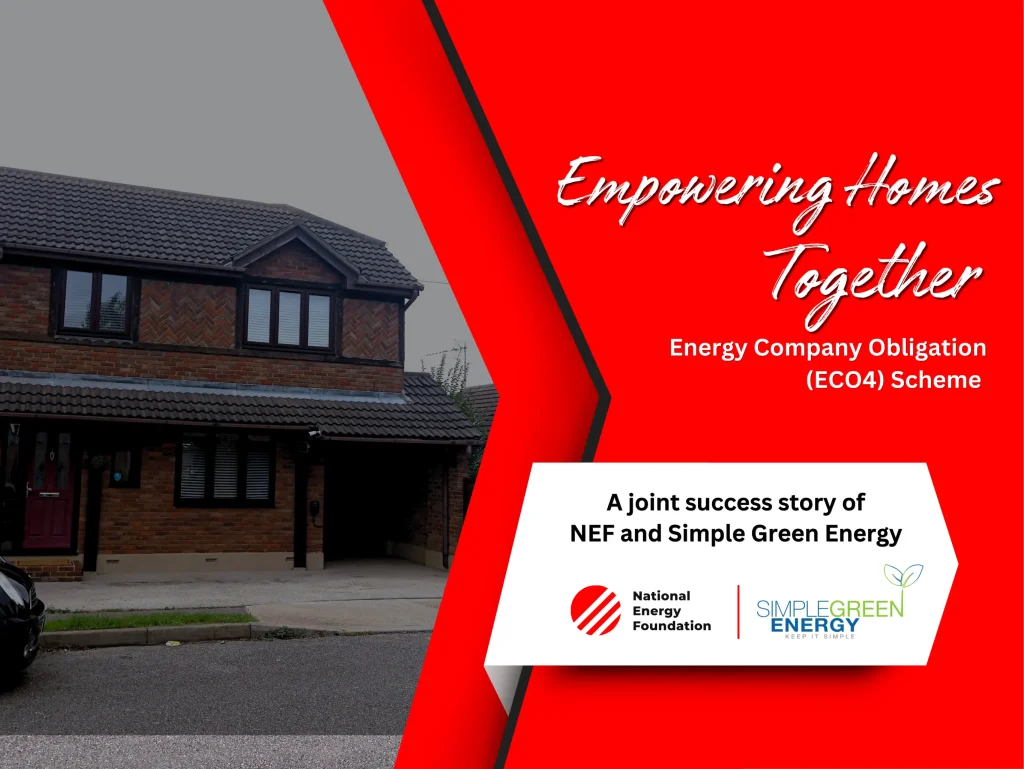
Customer emissions savings and avoided emissions are reported separately from the company’s own organisational footprint and are not used to offset operational emissions.
Evidence, policies & accreditations
Simple Green Energy maintains policies, certifications and records to support environmental compliance, quality assurance, safety, consumer protection, data protection, and retrofit delivery.
Environmental Policy
Record Keeping Procedure
MCS — solar PV, ASHP, battery storage
PAS 2030 / energy efficiency measure approvals
CHAS / SSIP compliance
TrustMark registration
RECC membership
Gas Safe registration
NICEIC / NAPIT certifications
ICO registration
QANW Insurance Backed Guarantee Scheme
Reviewed annually, by hand.
The Carbon Reduction Plan will be reviewed annually by senior management. We will monitor progress against carbon reduction measures, improve data collection, update emissions calculations, and retain supporting evidence for future reporting. Carbon reduction performance will be incorporated into management reviews and operational planning.
Managing Director
Overall accountability and approval of the plan.
Managers & supervisors
Implementation of environmental procedures across day-to-day operations.
Employees &
subcontractors
Responsible working practices, waste reduction and accurate record keeping.
Declaration & sign-off
Formal declaration
This Carbon Reduction Plan has been completed on behalf of Simple Green Energy Limited. It confirms the company’s commitment to achieving Net Zero greenhouse gas emissions by 2050 at the latest and to reviewing emissions and reduction actions annually.
Approved by
Kamaljit Singh
Director · Managing Director
Simple Green Energy Limited
Date
24/04/2026
Reporting year · 2025/26