New Boiler Birmingham: Costs, Options and How to Choose the Right Installer
A new boiler in Birmingham typically costs around £1,900 to £4,200 for a straightforward domestic installation, although conversions, relocations and extensive pipework can cost more. The right choice depends on property size, bathrooms, hot-water demand, water pressure and the existing heating system. Nationally, the Energy Saving Trust gives an average gas-boiler replacement cost of about £3,500.
This guide is for Birmingham homeowners, landlords and renovators comparing combi, system and regular boilers. It covers realistic costs, savings, warranties, controls, installation standards and when to consider a heat pump.
Check your ECO4 eligibility
Answer a few quick questions to see whether your household may qualify for ECO4 support.
Quick answer
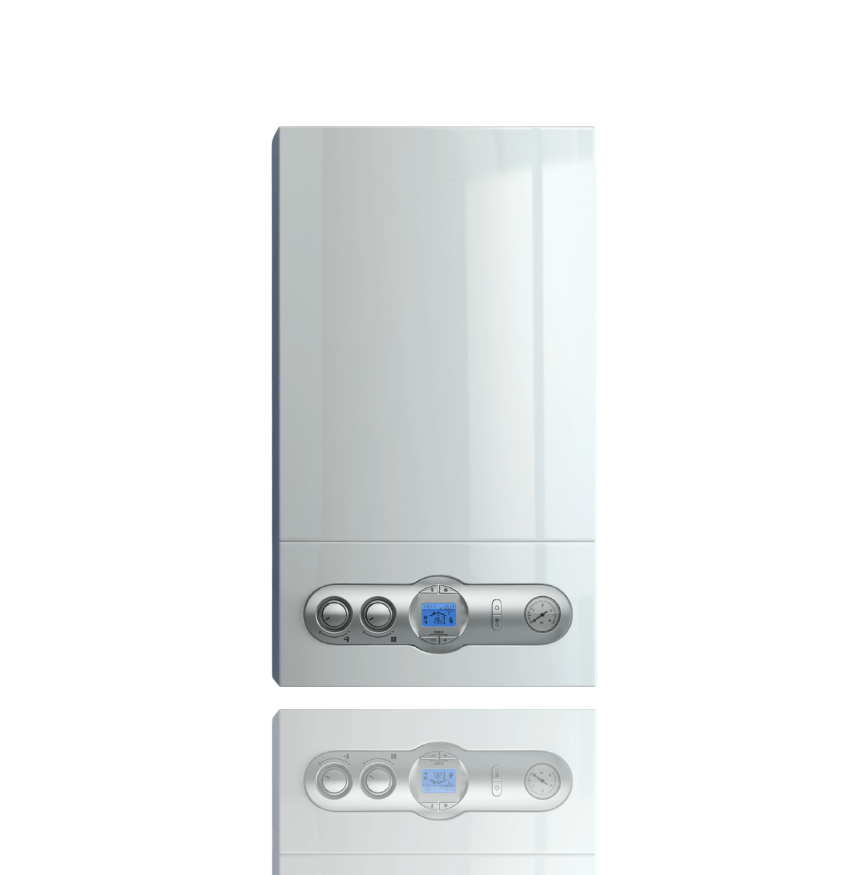
For many one- to three-bedroom Birmingham homes with one bathroom, a correctly sized combi boiler is the simplest option because it supplies heating and hot water without a separate cylinder. Larger homes, properties with two or more bathrooms, or households using several outlets together may be better served by a system boiler and cylinder.
Expect roughly £1,900 to £4,200 for a standard installation, but arrange a survey because the boiler position, flue, controls, system condition and conversion work can change the price. Gas work must be completed by a suitably qualified Gas Safe registered engineer.
Table of Contents
ToggleQuick boiler comparison
| Boiler type | Best for | Main strengths | Things to consider |
|---|---|---|---|
| Combi | Flats and small-to-medium homes with one main bathroom | Compact; no cylinder; hot water on demand | Depends on mains pressure and hot-water demand |
| System | Medium-to-large homes with multiple bathrooms | Stored hot water; serves several outlets more comfortably | Needs cylinder space; stored water is finite |
| Regular | Homes retaining a traditional tank-and-cylinder layout | Works with established systems and some low-pressure arrangements | Uses more space and components |
New boiler options for Birmingham homes
Combi boiler
Overview and best for: A combi heats radiators and produces hot water directly. It suits flats, terraces and many three-bedroom homes where space is limited and simultaneous demand is modest.
Features and pros: It is compact, needs no cylinder and avoids stored-water heat loss. Modern condensing models recover heat older boilers lose through the flue.
Things to consider: A high output cannot correct poor mains flow. The engineer should measure pressure and flow before recommending a model.
Birmingham use case: A Moseley terrace with one bathroom and an old combi may suit a like-for-like replacement, updated controls, magnetic filter and system clean.
Expert recommendation: Choose using measured hot-water performance and modulation, not the highest kilowatt figure.
System boiler
Overview and best for: A system boiler heats a separate cylinder. It suits larger family homes with two bathrooms or frequent simultaneous hot-water use.
Features and pros: Stored hot water can supply several outlets more comfortably. Much of the system hardware is built into the boiler.
Things to consider: Cylinder space and sizing matter. An undersized cylinder can disappoint even with a powerful boiler.
Birmingham use case: A four-bedroom Harborne semi with an en-suite and family bathroom may gain more consistent hot water from a system boiler and suitable cylinder.
Expert recommendation: Request a demand calculation covering showers, baths and simultaneous use.
Regular boiler
Overview and best for: Also called conventional or heat-only, it works with a cylinder and usually a feed-and-expansion tank. It can suit properties where the traditional layout works well.
Features and pros: Retaining the arrangement may reduce disruption in an older home.
Things to consider: It uses more space and components. A combi conversion is not automatically better where demand is high.
Birmingham use case: A large Edgbaston property with established tanks, cylinder and several bathrooms may benefit from modernising its stored-water system.
Expert recommendation: Compare conversion cost and disruption against improving the existing layout.
How should you compare new boilers?
Start with the property, not the brand:
- Correct sizing: Use heat loss and hot-water demand, not bedroom count alone.
- Efficiency and controls: Condensing boilers work best with controls that let them adjust output.
- Warranty: Check length, servicing conditions, labour cover and installer requirements.
- Parts and support: Confirm that spares and local engineering support are readily available.
- System protection: Sludge and corrosion reduce performance. Energy Saving Trust guidance recommends inhibitor and highlights magnetic filtration during replacement.
- Complete scope: Compare flue work, controls, filter, cleaning, drainage, commissioning, removal and certification.
Which option is best for you?
For a budget-conscious owner replacing an existing combi, a supported mid-range model with good controls often gives strong value. Premium models may justify their price through quieter operation, stronger hot-water delivery, longer cover or advanced controls.
Families with two bathrooms should not choose a combi simply to free cupboard space; a system boiler may deliver better comfort.
Landlords should prioritise simple controls, parts availability, documented commissioning and maintainable warranty terms.
Renovators should decide boiler and cylinder positions before kitchens or fitted cupboards restrict access.
New boiler cost Birmingham guide
| Installation | Typical fitted guide price | Main cost drivers |
|---|---|---|
| Combi-for-combi replacement | £1,900–£3,200 | Brand/output, flue, controls and system clean |
| New system boiler | £2,300–£3,700 | Cylinder, controls, pumps and valves |
| New regular boiler | £2,400–£3,900 | Existing tanks, cylinder and pipework |
| Regular-to-combi conversion | £2,800–£4,200+ | Tank removal, rerouting, drainage and labour |
| Boiler relocation | Usually £300–£1,200+ extra | Distance, access, flue and condensate route |
These are planning figures, not quotations. National guidance puts an average gas-boiler replacement at approximately £3,500, while market estimates vary according to the installation scope. A survey is needed to confirm materials and labour.
Costs may rise where gas pipework is undersized, scaffolding is needed, drainage is difficult, radiators require work or the heating system is contaminated.
Confirm whether each quote includes:
- VAT
- Heating controls
- Magnetic filter
- System cleaning
- Flue and condensate work
- Boiler registration
- Waste removal
- Building Regulations notification
- Warranty registration
Will a new boiler save money?
It can, especially when replacing an old, inefficient boiler and adding effective controls.
Heating and hot water account for more than half of typical household energy spending, while condensing boilers reuse more heat from flue gases than older designs. Actual savings depend on the old boiler, energy prices, thermostat settings, insulation and household behaviour.
A new boiler is not guaranteed to pay back quickly. Where the existing boiler is modern and efficient, reliability, comfort and reduced repair risk may be stronger reasons to replace it.
Does a new boiler work efficiently in winter?
Yes, when it is correctly sized, commissioned and controlled.
An oversized boiler may switch on and off too frequently. Poor system balancing, restricted pipework or sludge can also leave some rooms cold despite the new appliance.
Compensation controls, good radiator balancing and sensible flow-temperature settings can help a condensing boiler operate more efficiently.
Can solar panels or batteries be added later?
Yes. Solar panels and batteries mainly reduce electricity costs rather than the gas used by a boiler.
They become more relevant if you later install an immersion diverter, heat pump, electric vehicle charger or another high-demand electrical technology.
During a major renovation, consider planning plant space, cable routes and consumer-unit capacity in advance.
How to choose the right new boiler
- Review the existing system. Identify the boiler, cylinder, tanks, pipework and controls.
- Measure household demand. Count bathrooms and identify which outlets are regularly used together.
- Test water performance. Check mains flow and pressure before choosing a combi boiler.
- Calculate heat loss. Size the heating system for the building rather than relying only on a rough online rule.
- Compare like-for-like quotations. Make sure every installer is pricing the same work and components.
- Read the warranty conditions. Check registration deadlines, servicing obligations and exclusions.
- Verify the engineer. Use the HSE-linked Gas Safe checking service and check the engineer’s identification and relevant qualifications.
- Keep your documents. Compliance records may be needed when selling or remortgaging the property.
Why the boiler installer matters
Installation quality affects safety, efficiency, noise, reliability and warranty protection.
The engineer should inspect the existing system, calculate an appropriate boiler output, clean and protect the heating circuit, fit compatible controls, commission the appliance and explain how to operate it.
A cheaper quote may exclude work that prevents future faults. Ask for the following in writing:
- Proposed system-cleaning method
- Corrosion inhibitor
- Magnetic filter
- Heating controls
- Commissioning record
- Building Regulations notification
- Manufacturer warranty registration
- Waste removal and aftercare
Gas boilers require a Gas Safe registered engineer. TrustMark registration is another useful quality signal when comparing installation companies.
Are grants available for a new boiler in Birmingham?
Do not assume that an advert for a “free boiler” means your household automatically qualifies.
Eligibility-led schemes and local delivery arrangements change. Check Birmingham City Council’s current energy-help information and obtain written confirmation of your eligibility before agreeing to any work.
The Boiler Upgrade Scheme supports low-carbon heating rather than ordinary gas-boiler replacements.
Ofgem currently lists:
- £7,500 for eligible air-to-water or ground-source heat pumps
- £2,500 for eligible air-to-air heat pumps
- £9,000 for qualifying off-gas-grid heat-pump installations during the stated temporary period
An MCS-certified installer must apply on behalf of the property owner, and the grant should appear as an upfront reduction in the quotation.
Frequently asked questions (FAQs)
Clear answers about new-boiler costs in Birmingham, boiler types and sizing, installation times, gas-boiler replacements in 2026, Gas Safe registration, energy savings and smart heating controls. Speak to Simple Green Energy .
Considering a new boiler in Birmingham?
Speak with Simple Green Energy about boiler selection, calculated heat loss, hot-water demand, installation costs, controls, system suitability and the best setup for your property.
Review my Birmingham boiler optionsConclusion
The best new boiler for a Birmingham home matches its heat loss, water pressure, hot-water demand and existing heating system—not simply the cheapest or most powerful model.
Arrange a detailed survey, compare quotations on a like-for-like basis and insist on clear commissioning, warranty and compliance paperwork.
Simple Green Energy offers free, no-obligation quotations and a survey-led process for boilers and wider home-energy upgrades across England and Wales. Book a home heating assessment to compare a replacement boiler with any suitable low-carbon alternatives.
Important links:
Solar panels: https://www.simplegreenenergy.org/solar-panels/
Air source heat pump: https://www.simplegreenenergy.org/air-source-heat-pump/
EV charger: https://www.simplegreenenergy.org/ev-charger/
Air conditioning: https://www.simplegreenenergy.org/air-conditioning/