
Solar Battery Without Solar Panels UK: Costs, Savings and Is It Worth It in 2026?
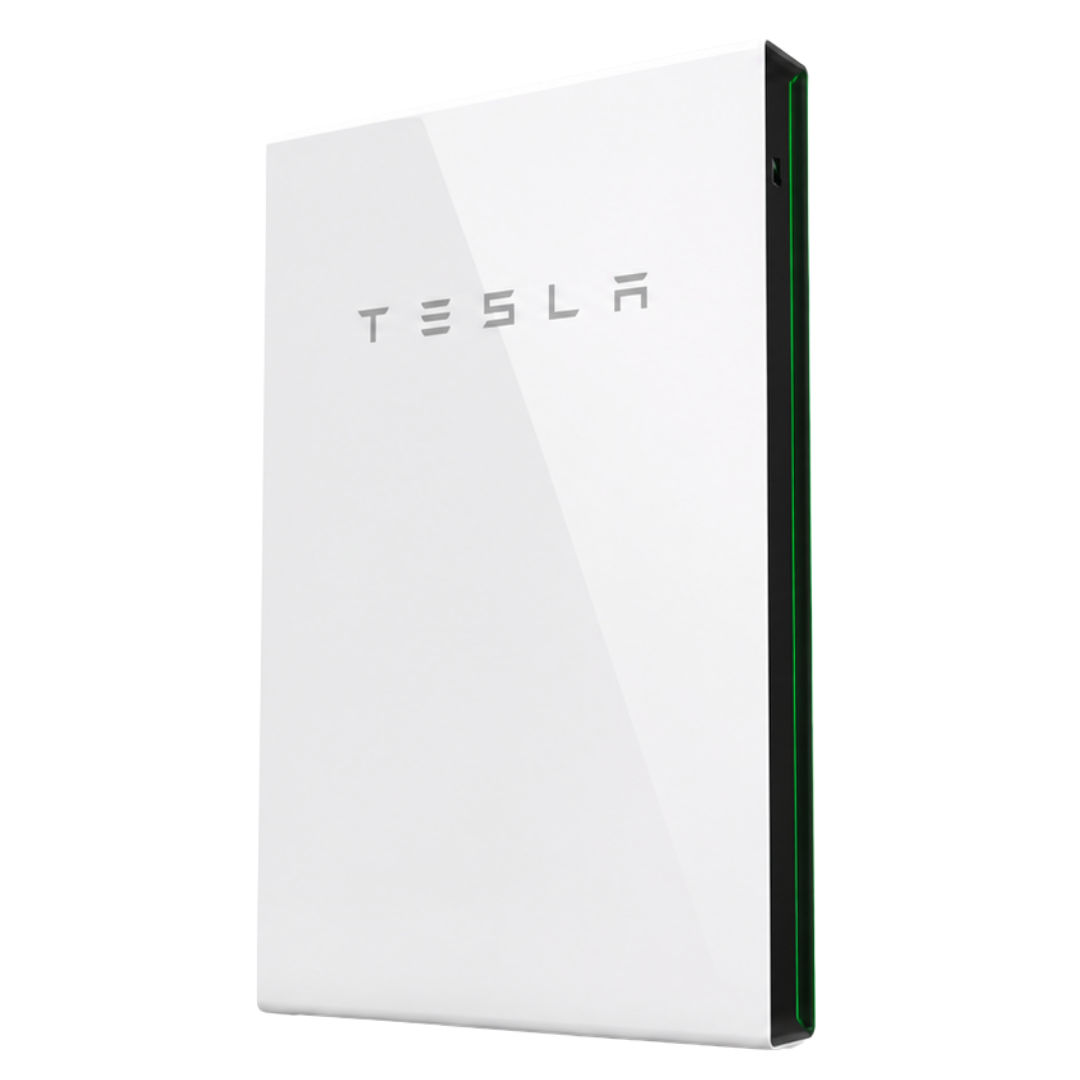
Yes, you can install a solar battery without solar panels in the UK. More accurately called a standalone or grid-charged home battery, it stores cheaper grid electricity and supplies it when electricity costs more.
This can suit households with a smart meter, a time-of-use tariff and substantial peak-period use. It is especially relevant where solar is unsuitable because of shade, roof condition, planning restrictions, leasehold rules or limited space.
This guide explains how battery-only storage works, what it costs, likely savings, payback, sizing, backup power and installation standards.
Get Your Solar Panel Quote
Start with your address so we can check the best solar options for your home.
Quick answer
A home battery can work without solar panels by charging from the grid during cheaper off-peak periods and discharging when import prices are higher. This is called load shifting.
Savings depend on the difference between your cheap and peak rates, the energy you can shift, battery efficiency and installation cost. Energy Saving Trust estimates about £4,600 for a typical 5kWh system, although prices vary widely.
Professionally supplied and installed domestic battery storage currently qualifies for 0% VAT until 31 March 2027. Battery-only storage is most attractive for higher-use homes on a strong time-of-use tariff. It is less compelling for low-use households or tariffs with a narrow price difference.
Table of Contents
ToggleQuick comparison
| Option | How it gets energy | Main benefit | Main limitation | Best suited to |
|---|---|---|---|---|
| Battery without solar | Charges from the grid at cheaper times | Avoids some expensive imports | Every unit is still bought from the grid | High peak use and strong off-peak tariffs |
| Solar without battery | Generates during daylight | Cuts daytime imports and may earn export income | Less useful when daytime demand is low | Suitable roofs and daytime use |
| Solar with battery | Stores solar and can charge from the grid | Greatest flexibility | Highest upfront cost | Long-term owners with suitable roofs |
| Neither | Buys electricity as it is used | No capital cost | Full tariff exposure | Low-use or short-term occupants |
Can a battery work without solar panels?
Yes. An installer connects the battery and inverter to your home’s electrical system. The inverter converts grid electricity for storage, then converts it back for household use.
A controller or app schedules charging during an off-peak window and discharging during more expensive periods. Energy Saving Trust confirms that battery storage can be used with a smart time-of-use tariff even when a property does not have solar panels.
This is not the same as a portable power station. Fixed home storage is high-power electrical equipment that requires compliant design, electrical protection and the appropriate network notification or approval.
Plug-in batteries are not currently included in the UK’s new plug-in solar framework. An unapproved battery connected through an ordinary socket should not be treated as an alternative to a properly installed home battery system.
Who benefits most?
Battery-only storage is most promising for homes that:
- use substantial electricity in the late afternoon and evening;
- have a heat pump, electric hot water or high electric heating demand;
- own an EV and can access a cheap overnight tariff;
- cannot install rooftop solar;
- want optional backup power;
- may add solar panels later.
The case is weaker if consumption is low, most electricity is already used during cheap hours, or the tariff offers only a small difference between peak and off-peak prices.
Government data shows that median domestic electricity consumption in 2024 was approximately 2,500kWh in England and Wales and 2,400kWh in Scotland. However, your battery should be sized using your own half-hourly smart-meter data rather than a national average.
How to choose the right home battery
1. Measure your peak-period use
Review several weeks of smart-meter data and calculate how many kilowatt-hours you normally use when electricity is expensive.
Your total daily consumption is less useful than the amount that can realistically be moved from an expensive period to a cheaper one.
2. Size the battery for usable demand
A bigger battery is not automatically better.
An oversized system leaves expensive capacity unused. An undersized battery may empty before the peak-rate period ends, forcing you to buy more electricity from the grid.
Compare usable capacity rather than headline capacity, as some systems reserve energy to protect the battery.
3. Check inverter output
Battery capacity is measured in kilowatt-hours, or kWh. This indicates how much energy the system stores.
Inverter output is measured in kilowatts, or kW. This determines how much power the system can supply at one time.
A battery may have enough stored energy for the evening but still import electricity from the grid when an oven, kettle and induction hob are running together.
4. Allow for efficiency losses
No battery returns every unit of electricity used to charge it. Some energy is lost during charging, storage and conversion.
Compare verified round-trip efficiency figures and include those losses in any savings calculation.
5. Read the warranty carefully
Check:
- warranty length;
- cycle or energy-throughput limits;
- guaranteed retained capacity;
- parts and labour cover;
- internet-connectivity requirements;
- whether frequent grid charging is permitted;
- who handles warranty claims.
Energy Saving Trust estimates a typical battery lifespan of around 10 to 12 years, although actual performance depends on the product and how it is used.
6. Plan for future solar and backup
Ask whether solar panels can be added without replacing the inverter.
Backup power normally requires additional equipment and either a dedicated essential-load circuit or a whole-home backup arrangement. A battery advertised as “backup ready” may not provide backup unless the required gateway or changeover equipment is included.
Cost guide for a battery without solar panels
Energy Saving Trust says battery systems can range from approximately £1,500 to £10,000, with around £4,600 quoted for a typical 5kWh system.
Your quotation will depend on capacity, inverter type, backup equipment, cable routes, consumer-unit work, groundworks and any network export controls.
What does solar system size mean?
Solar PV systems are rated in kilowatt peak, or kWp. This is the combined maximum rated output of the panels under standard test conditions. It is not continuous output and it is not annual generation.
A 4.5kWp array could, for example, use ten 450W panels. Actual production changes with sunlight, temperature, roof direction, pitch, shading and system losses. Panels still generate on cloudy days, but output is much higher in brighter months.
The inverter has a separate rating. Your quotation should clearly show panel capacity, inverter capacity and expected monthly and annual generation.
How to choose the right solar system size
1. Start with annual electricity use
Find the kilowatt-hours used over the last 12 months on your bills or smart-meter account. Do not use your monthly direct debit, which is a payment amount rather than an energy measurement.
The aim is not necessarily to generate exactly the same amount you consume annually. Solar production peaks during daylight, while many homes use most electricity in the evening. A system can export at midday and still import after sunset.
2. Consider when you use power
Solar is usually most valuable when used directly. Working from home, daytime appliance use, an immersion diverter, battery, heat pump or daytime EV charging may increase self-consumption.
Surplus electricity can earn Smart Export Guarantee payments. However, suppliers set their own rates, terms and eligibility conditions, so compare tariffs rather than assuming one fixed export price.
3. Assess the roof properly
A south-facing, unshaded roof is ideal, but east- and west-facing roofs can still perform well and spread generation across the day. Energy Saving Trust estimates they typically produce around 15–20% less than an equivalent south-facing system. Chimneys, trees, dormers and neighbouring buildings can also reduce output.
A survey should confirm usable dimensions, structure, cable routes and seasonal shading. Optimisers or microinverters may help with complex shading or multiple roof directions, but should be specified for a clear reason.
4. Include future demand
Tell the installer about likely EVs, heat pumps, extensions, air conditioning or a move towards electric cooking and hot water.
For an EV, annual mileage, vehicle efficiency and whether the car is home during daylight all matter. For a heat pump, remember that solar output is lowest during winter when heating demand is highest. Ask for monthly generation figures, not only an annual total.
5. Compare right-sized and maximum-roof options
Scaffolding, design and electrical work are partly fixed costs, so adding panels during the original installation may offer better value than returning later. Maximising a good roof can make sense when demand will grow, export rates are attractive or storage may be added.
But panels on heavily shaded or poor roof sections may add little value. Ask for two modelled options: a right-sized array and the maximum sensible array, each showing generation, self-consumption, export and financial assumptions.
Do I need a solar battery?
A battery does not decide the panel size, but it can increase the proportion of solar used at home by storing daytime surplus for later. Energy Saving Trust currently estimates typical battery-storage costs at around £5,000–£8,000.
Match storage to daily surplus and evening demand. Check usable capacity, charge and discharge power, warranty, backup capability and inverter compatibility. A battery can often be added later, but planning for it now may prevent duplicated equipment or labour.
Typical UK solar costs and value
| System size | Indicative installed budget | Typical use | Main check |
|---|---|---|---|
| 3–5kWh | £3,000–£5,000 | Smaller home or modest evening demand | Output may not cover several large appliances |
| 6–10kWh | £4,500–£7,500 | Family home with regular peak use | Often the practical middle ground |
| 10–15kWh+ | £6,500–£10,000+ | Heat pump, high demand or backup priority | Charging window and inverter must be adequate |
These are planning figures rather than quotations. A survey is required to assess your electrical supply, battery location, cable route, network process and backup requirements.
Qualifying installations of electrical battery storage in residential accommodation are currently zero-rated for VAT until 31 March 2027. The rate is scheduled to revert to 5% from 1 April 2027.
The relief applies to qualifying installations. Equipment bought separately from a retailer without installation is normally standard-rated.
How much could you save?
A useful starting formula is:
Annual saving = avoided peak-rate cost − off-peak charging cost − efficiency losses, fees and maintenance allowance.
For illustration, consider an 8kWh battery that:
- charges at 8p per kWh;
- has 90% round-trip efficiency;
- replaces electricity costing 26.11p per kWh.
It would cost 64p to charge and deliver approximately 7.2kWh of usable electricity. That delivered energy would otherwise cost about £1.88 at the higher rate, producing a gross saving of roughly £1.24 per full cycle.
Across 300 useful cycles, that would be around £372 before degradation, tariff changes, subscription charges or finance costs.
This is an example, not a savings forecast. Ofgem’s average capped electricity rate for 1 July to 30 September 2026 is 26.11p per kWh, but time-of-use tariffs are separate products and their rates can change.
Always test the investment against:
- the tariff available today;
- a reduced peak-to-off-peak price difference;
- fewer annual cycles;
- gradually declining usable capacity;
- possible tariff or software fees.
A £5,000 system saving £350 per year has a simple payback of approximately 14 years. That is close to or beyond the typical battery lifespan estimated by Energy Saving Trust.
Higher-use households with wider tariff differences, flexibility payments or solar added later may achieve better results. Treat unusually short payback claims cautiously unless the installer provides all assumptions and calculations.
Does a standalone battery work in winter?
Yes. A grid-charged battery does not depend on sunshine, so it can charge throughout winter.
Higher winter demand may increase the amount of electricity you can shift. However, electric heating can consume considerably more energy than a standard domestic battery stores.
Energy Saving Trust notes that a system supporting regular electric heating may need to be substantially larger and more expensive. Do not size a battery using summer consumption alone.
Will it work during a power cut?
Only when the system has been specifically designed for backup.
Many standard grid-connected batteries shut down during a power cut. This prevents stored electricity from feeding into network cables while engineers may be working on them.
Emergency power supply or whole-home backup requires compatible equipment and correct commissioning. Ask the installer:
- which appliances or circuits will remain powered;
- how much continuous and peak power is available;
- how long the stored energy may last;
- whether changeover is automatic;
- whether the battery keeps a minimum reserve for emergencies.
Never assume backup is included simply because the battery can store enough energy.
Can solar panels be added later?
Usually, but the system should be designed for that possibility from the beginning.
Ask whether the proposed inverter is AC-coupled or hybrid, which solar equipment will be compatible and whether another network application will be required.
UK buyer discussions repeatedly raise this issue. A cheaper battery-only installation may become more expensive or less efficient if incompatible components must be replaced when solar is added.
Why the installer matters
Battery performance is inseparable from installation quality.
A competent installer should assess:
- your electricity consumption and peak demand;
- incoming supply capacity;
- earthing and protective devices;
- cable routes;
- battery location and ventilation;
- fire-safety requirements;
- internet connectivity;
- local network requirements;
- future solar and backup plans.
PAS 63100 defines fire-safety requirements for domestic battery energy storage systems. MCS also has a dedicated battery installation standard covering the design and installation of electrical energy storage systems.
Poor sizing damages the financial case. Poor siting can affect safety, warranty and lifespan. Poor commissioning may cause missed charging windows, unnecessary imports or unavailable backup power.
Choose an appropriately qualified and insured installer that supplies:
- system design calculations;
- electrical certification;
- commissioning records;
- network paperwork;
- warranty registration;
- app and tariff setup guidance;
- practical handover training.
Frequently asked questions (FAQs)
Clear answers about installing a home battery without solar panels, off-peak charging, time-of-use tariffs, system costs, battery sizing, smart meters, Economy 7, winter use and blackout backup. Speak to Simple Green Energy .
Considering a home battery without solar?
Speak with Simple Green Energy about your electricity usage, off-peak tariff, smart meter, battery capacity, backup requirements and whether a hybrid-ready system may suit future solar panels.
Check my battery-only optionsFinal recommendation
A solar battery without solar panels can be worthwhile in the UK, but it is a tariff-led investment rather than a source of free electricity.
It works best when a household can repeatedly move several kilowatt-hours from a cheap charging window into expensive periods.
Before buying:
- Model at least two tariff scenarios.
- Include conversion and storage losses.
- Confirm warranty conditions.
- Check usable capacity and inverter output.
- Decide whether future solar or backup matters.
- Obtain a property-specific installation survey.
The best system is not necessarily the largest. It is the battery that delivers the right usable capacity and power for your consumption pattern at a realistic installed price.
Book a free home battery survey with Simple Green Energy to compare battery sizes, likely savings, installation options and future solar compatibility using your property and electricity data.
Main article length: approximately 1,500 words. FAQs and the SEO/GEO pack below are excluded.