


Top Energy-Efficient Home Upgrades That Increase Property Value
Energy-efficient home upgrades can improve comfort, lower running costs, strengthen EPC ratings and potentially make a property more attractive to buyers. This guide explores the top improvements that may support property value, including insulation, solar panels, heat pumps, smart heating controls, efficient glazing, draught proofing, EV chargers and whole-home retrofit packages.
It explains which upgrades offer the strongest buyer appeal, how EPC ratings may influence value, and why installation quality and documentation matter. You will also learn the best order for improvements, which upgrades suit different homes, and which government grants may help reduce the cost of making your property more energy efficient.
Quick Answer:
The top energy-efficient home upgrades that can increase property value are the improvements that lower running costs, improve EPC ratings, make the home more comfortable, and appeal to buyers who want lower bills. The strongest options usually include insulation, solar panels, heat pumps, modern heating controls, efficient glazing, draught proofing, EV charging, and whole-home retrofit packages.
Energy efficiency can influence buyer interest, but it should not be treated as a guaranteed price increase. Market value still depends on location, property condition, buyer demand, mortgage affordability, local prices, and the quality of the installation. Rightmove has reported that improving a home from EPC D to C could be linked with an average value increase of 3%, while improving from EPC F to C could be linked with an average value increase of 15%. Nationwide has found a more modest 1.7% premium for A or B-rated owner-occupied homes compared with D-rated homes, so the safest view is that energy upgrades can help value, saleability, and running costs, but results vary.
Table of Contents
ToggleWhy Energy Efficiency Matters to UK Home Buyers
UK buyers are becoming more aware of running costs. A home that is cheaper to heat, easier to control, and better prepared for future energy standards can stand out in a competitive market.
An Energy Performance Certificate, or EPC, rates a property from A to G, with A being the most efficient and G the least efficient. EPCs are legally required when selling, renting, or building a home, and they include recommended improvements, estimated costs, and possible savings.
Energy efficiency matters because buyers often look at:
- Expected monthly energy bills
- EPC rating
- Heating system age and running cost
- Insulation quality
- Solar panel potential
- Heat pump readiness
- Double or triple glazing
- Smart controls
- Long-term maintenance costs
- Comfort in winter and summer
A buyer may not pay more for every individual upgrade, but a home that feels warmer, cheaper to run, and easier to maintain can be more attractive.
Best Energy-Efficient Home Upgrades for Property Value
| Rank | Upgrade | Value impact potential | Best for |
|---|---|---|---|
| 1 | Loft and roof insulation | High | Reducing heat loss and improving EPC rating |
| 2 | Wall insulation | High | Older homes with poor heat retention |
| 3 | Solar panels | High | Homes with suitable roof space and daytime electricity use |
| 4 | Air source heat pump | Medium to high | Homes moving away from fossil fuel heating |
| 5 | Smart heating controls | Medium | Better comfort, zoning, and energy management |
| 6 | Double or triple glazing | Medium | Comfort, noise reduction, and heat retention |
| 7 | Draught proofing | Medium | Low-cost improvement with comfort benefits |
| 8 | EV charger | Medium | Homes targeting electric vehicle owners |
| 9 | Efficient boiler or heating upgrade | Medium | Homes with old or unreliable heating |
| 10 | Whole-home retrofit | High | Properties needing major EPC improvement |
1. Loft and Roof Insulation
Loft insulation is one of the most practical energy-efficient upgrades for UK homes. Heat rises, so a poorly insulated roof can waste a large amount of warmth. Energy Saving Trust says a home can lose around 25% of its heat through an uninsulated roof, and correctly installed loft insulation can last around 40 years.
Why Loft Insulation Can Increase Property Appeal
Loft insulation is not always visible during a viewing, but it can still support the property’s EPC rating and reduce expected running costs. Buyers may also see it as a sign that the home has been looked after properly.
Best Homes for Loft Insulation
Loft insulation is especially useful for:
- Homes with little or no loft insulation
- Older houses
- Detached and semi-detached homes
- Bungalows
- Homes with cold upstairs bedrooms
- Properties aiming to improve EPC rating
Value Tip
Keep evidence of the installation, including invoices, product details, photos, and guarantees. This can support the EPC assessment and reassure future buyers.
2. Wall Insulation
Wall insulation can make a major difference because walls are a large source of heat loss. Energy Saving Trust says around 33% of heat lost in an uninsulated home escapes through the walls. Cavity wall insulation can help reduce heating bills where the property is suitable.
Cavity Wall Insulation
Cavity wall insulation is usually suitable for homes with unfilled cavity walls, commonly built from the 1920s onwards. It is normally quicker and less disruptive than solid wall insulation.
Solid Wall Insulation
Solid wall insulation is often more expensive but can be valuable for older properties with solid brick walls. It may be installed internally or externally, depending on the home.
Why Wall Insulation Helps Property Value
Wall insulation can improve comfort, reduce heat loss, and support a better EPC rating. For buyers, this means the home may feel warmer and cost less to run.
3. Solar Panels
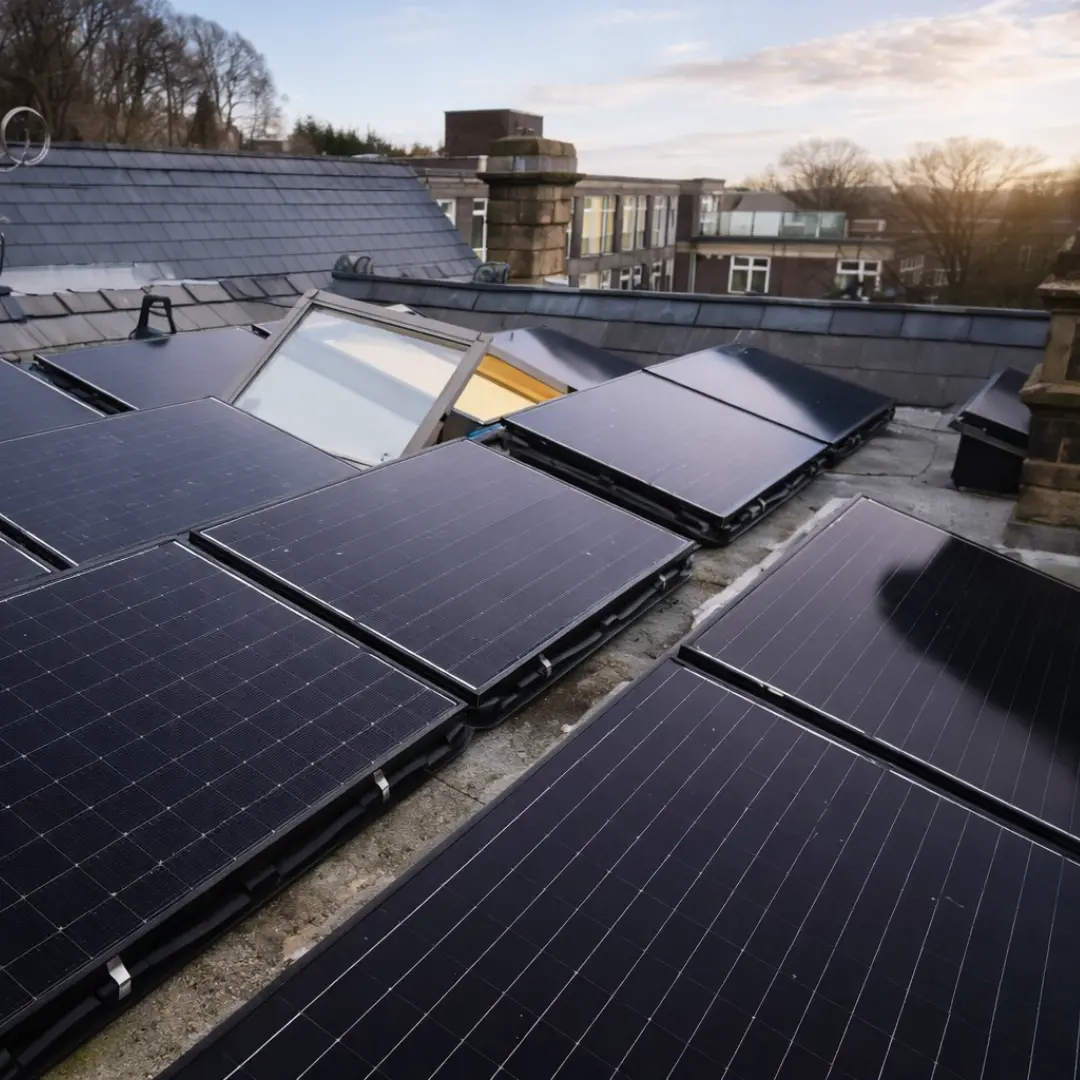
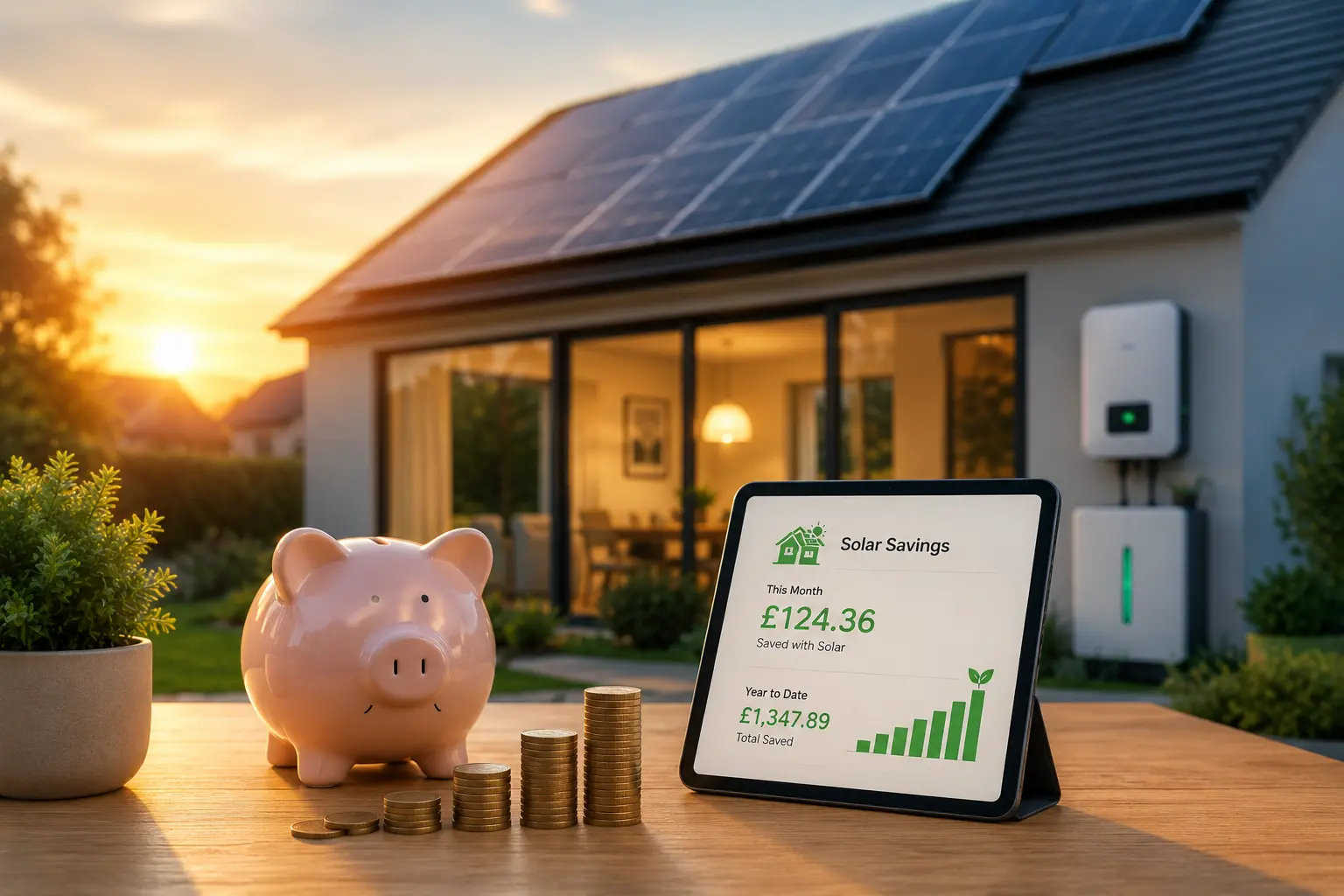
Solar panels are one of the most visible energy-efficient upgrades. They can reduce electricity bills and improve a home’s appeal to buyers who want lower running costs and more control over energy use.
Energy Saving Trust says an average home solar panel system costs around £6,100 to install, works even on cloudy days, and performs best on a south-facing roof with little shading.
Why Solar Panels Can Increase Property Value
Solar panels can make a home more attractive because they offer:
- Lower electricity bills
- Cleaner energy generation
- Potential export income through suitable tariffs
- Better long-term running cost control
- Stronger appeal to eco-conscious buyers
- Better compatibility with EV chargers and heat pumps
Rightmove also reported in 2025 that mentions of green technology in property listings were rising, with heat pumps up 46% and solar panels up 37% year-on-year. This suggests buyers and sellers are paying more attention to visible green upgrades.
Best Homes for Solar Panels
Solar panels usually work best for:
- South-facing roofs
- East/west-facing roofs with good exposure
- Homes with limited shading
- Properties with high daytime electricity use
- Homes with EV chargers
- Homes with heat pumps
- Households considering battery storage
Value Tip
A well-documented solar installation is more attractive than a poorly explained one. Keep the MCS certificate, inverter details, warranty, roof layout, generation estimate, and export tariff information.
4. Air Source Heat Pump
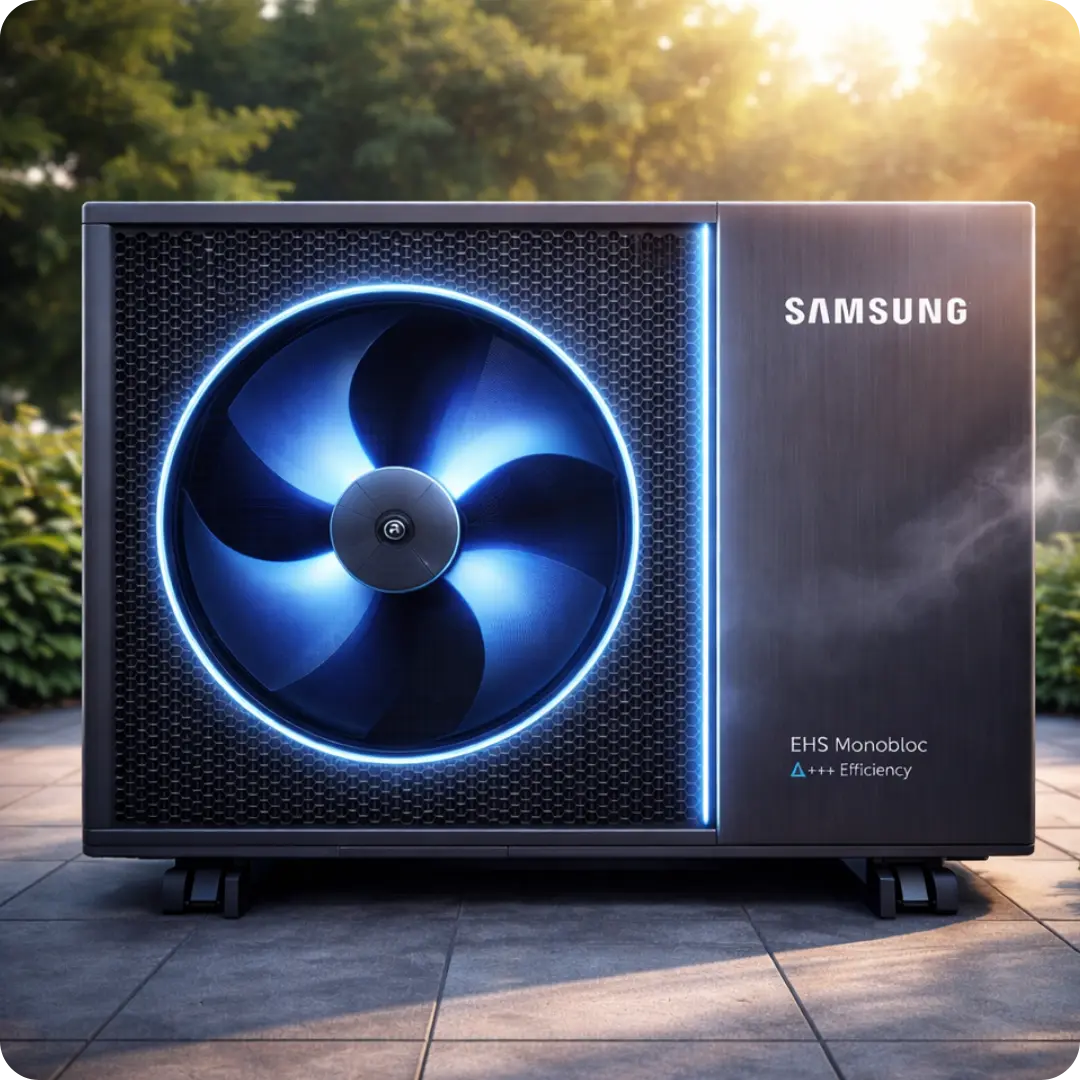
An air source heat pump can be a strong upgrade for homes moving away from oil, LPG, electric heating, or older fossil fuel systems. It can also appeal to buyers looking for lower-carbon heating.
The Boiler Upgrade Scheme currently offers £7,500 towards an air source heat pump, £7,500 towards a ground source heat pump, £5,000 towards a biomass boiler, and £2,500 towards an air-to-air heat pump, where eligibility rules are met.
Why Heat Pumps Can Add Value
Heat pumps may increase buyer appeal because they:
- Support low-carbon heating
- Can work well with solar panels
- May reduce reliance on fossil fuels
- Help future-proof the home
- Can support better EPC performance
- Appeal to buyers looking for modern heating systems
When Heat Pumps Add the Most Value
A heat pump is most likely to add value when it is part of a well-designed system. The home should have good insulation, suitable radiators or underfloor heating, proper controls, and clear handover documentation.
Value Tip
Do not install a heat pump without checking heat loss, radiator sizing, hot water needs, and insulation. A poorly designed heat pump may put buyers off instead of adding value.
5. Smart Heating Controls
Smart heating controls are a smaller upgrade, but they can improve comfort and make a home feel more modern. They allow homeowners to control heating more accurately and avoid wasting energy in unused rooms.
Warm Homes: Local Grant guidance lists smart controls as one of the improvements that may be suggested for eligible homes, alongside insulation, heat pumps, and solar panels.
Why Smart Controls Help
Smart heating controls can improve:
- Heating schedules
- Room-by-room comfort
- Remote control
- Energy monitoring
- Buyer perception
- Heating efficiency
Best Options to Consider
Smart controls may include:
- Smart thermostat
- Thermostatic radiator valves
- Zoned heating controls
- Smart hot water controls
- App-based heating schedules
Value Tip
Smart controls are most effective when paired with good insulation and a properly maintained heating system.
6. Double or Triple Glazing
Energy-efficient glazing can improve comfort, reduce draughts, and lower heat loss. It can also reduce outside noise, which is valuable for homes near roads, schools, town centres, or train lines.
Why Glazing Can Increase Property Appeal
Buyers often notice windows during viewings. Old, misted, draughty, or damaged windows can make a home feel tired. Modern glazing can make the property feel warmer, quieter, and better maintained.
Best Homes for Glazing Upgrades
Glazing upgrades are most useful for:
- Homes with single glazing
- Older double glazing
- Noisy locations
- Draughty rooms
- Properties with poor window seals
- Homes needing better kerb appeal
Value Tip
Choose glazing that suits the property style. Poorly matched windows can hurt kerb appeal, especially in older or character homes.
7. Draught Proofing
Draught proofing is one of the most affordable energy-efficient upgrades. It can reduce heat loss around windows, doors, floors, letterboxes, keyholes, and unused chimneys.
Energy Saving Trust says draught proofing around windows, floors, and doors could save around £85 a year in Great Britain, while draught proofing an unused chimney could save around £60 a year.
Why Draught Proofing Helps Value
Draught proofing may not add a large direct price premium, but it improves comfort quickly. Buyers notice cold rooms, rattling doors, and draughty windows during viewings.
Best Areas to Draught Proof
Focus on:
- External doors
- Window frames
- Floorboards
- Skirting gaps
- Loft hatches
- Letterboxes
- Keyholes
- Chimneys
- Pipework gaps
Value Tip
Draught proofing works best when ventilation is also considered. A home should be warm, but it still needs healthy airflow to prevent condensation and damp.
8. EV Charger Installation
An electric vehicle charger can increase appeal for buyers who own or plan to own an EV. It is especially useful for homes with off-street parking.
Why EV Chargers Can Improve Buyer Appeal
An EV charger can make a property feel future-ready. Buyers may value the convenience of home charging, especially if public charging is limited nearby.
Best Homes for EV Chargers
EV chargers are most attractive for:
- Homes with driveways
- Homes with garages
- Newer family homes
- Suburban properties
- Homes with solar panels
- Areas with high EV adoption
Value Tip
An EV charger is more attractive when installed professionally, with clear certification, warranty, and smart charging capability.
9. Efficient Boiler or Heating System Upgrade
A modern heating system can make a home feel more reliable and easier to sell. Buyers often ask about boiler age, service history, warranties, and whether the heating works properly.
Why Heating Upgrades Matter
An old or unreliable boiler can create buyer hesitation. A recent heating upgrade can reduce concerns about repair costs and improve confidence in the property.
Good Heating Upgrade Options
Depending on the property, upgrades may include:
- Efficient condensing boiler
- Heating controls
- Radiator upgrades
- Hot water cylinder improvement
- First time central heating
- Low-carbon heating system
- Air-to-air or air-to-water heat pump
Value Tip
A heating system upgrade should be matched to the property. The wrong system can create running cost or comfort issues.
10. Whole-Home Retrofit
A whole-home retrofit is the most complete approach. Instead of installing one upgrade at a time, it looks at insulation, heating, ventilation, controls, and renewable energy together.
Why Whole-Home Retrofit Can Add the Most Value
Whole-home retrofit can produce the strongest EPC improvement because it tackles the full building. It can also reduce the risk of installing upgrades in the wrong order.
For example, a home might need insulation and ventilation before a heat pump. Or it might benefit from solar panels and battery storage after electricity demand increases.
What a Whole-Home Retrofit Can Include
A full retrofit may include:
- Loft insulation
- Wall insulation
- Floor insulation
- Draught proofing
- Ventilation upgrades
- Efficient glazing
- Heating controls
- Heat pump
- Solar panels
- Battery storage
- EV charger
Value Tip
A whole-home retrofit should be planned carefully. Use a qualified survey or retrofit assessment where possible, and keep all documentation for future buyers.
Which Energy-Efficient Upgrades Give the Best Return?
| Upgrade | Buyer appeal | EPC impact | Typical value argument |
|---|---|---|---|
| Loft insulation | Medium | Medium to high | Low-cost improvement that reduces heat loss |
| Wall insulation | High | High | Strong comfort and EPC benefit |
| Solar panels | High | Medium to high | Visible bill-saving upgrade |
| Heat pump | Medium to high | High | Future-ready low-carbon heating |
| Smart heating controls | Medium | Medium | Modern comfort and better control |
| Glazing | Medium to high | Medium | Comfort, noise reduction, and kerb appeal |
| Draught proofing | Medium | Low to medium | Low-cost comfort improvement |
| EV charger | Medium | Low | Strong appeal for EV owners |
| Efficient boiler | Medium | Medium | Reduces buyer concern about heating reliability |
| Whole-home retrofit | High | High | Strongest long-term upgrade package |
How EPC Ratings Influence Property Value
EPC ratings do not determine property value on their own, but they are becoming more visible in buyer decisions. A higher EPC rating may support a stronger listing, especially when buyers are comparing similar homes.
Rightmove reported that sellers who improved a home from EPC D to C saw an average value increase of 3%, while improvements from EPC E to C were linked with 7%, and EPC F to C with 15%.
However, Nationwide’s research found a smaller effect, with A or B-rated owner-occupied homes showing a 1.7% premium compared with D-rated homes, while F or G-rated properties attracted a 3.5% discount.
The balanced conclusion is simple: energy efficiency can support property value, but the biggest benefits often come from a combination of lower bills, improved comfort, better EPC rating, and stronger buyer confidence.
Best Upgrade Order for Homeowners
Step 1: Check Your EPC
Start with your EPC recommendations. Energy Saving Trust explains that EPCs show energy efficiency, estimated costs, and recommended improvements.
Step 2: Reduce Heat Loss First
Before spending heavily on technology, check insulation, draughts, windows, and ventilation.
Step 3: Upgrade Heating Controls
Smart controls can improve comfort and help reduce wasted heating.
Step 4: Consider Renewables
Solar panels, batteries, EV chargers, and heat pumps are more effective when the home is already efficient.
Step 5: Keep Documentation
For property value, paperwork matters. Keep:
- EPC certificates
- MCS certificates
- Boiler service records
- Heat pump commissioning documents
- Solar warranties
- Battery warranties
- Building control approvals
- Installer invoices
- Product guarantees
- Photos of hidden insulation work
Government Grants That Can Help with Energy-Efficient Upgrades
Some homeowners may be able to reduce the cost of upgrades through government schemes.
The Warm Homes: Local Grant in England can support eligible privately owned homes with improvements such as wall, loft and underfloor insulation, air source heat pumps, smart controls, and solar panels. GOV.UK says local councils arrange a home survey and organise agreed work for eligible households.
The Boiler Upgrade Scheme can help property owners in England and Wales with low-carbon heating, including £7,500 towards an air source heat pump and £7,500 towards a ground source heat pump where rules are met.
Before paying privately, it is worth checking whether your property qualifies for ECO4, Warm Homes: Local Grant, Boiler Upgrade Scheme, devolved nation schemes, or local council support.
Frequently asked questions (FAQs)
Simple answers to common questions about energy-efficient home upgrades and property value, including EPC ratings, insulation, solar panels, heat pumps, smart thermostats, EV chargers and government grants. Speak to Simple Green Energy .
Want to improve your home’s energy efficiency and appeal?
Speak with Simple Green Energy about insulation, heating upgrades, solar panels, heat pumps, smart controls and other energy-efficiency improvements that may be suitable for your property.
Get energy-saving adviceFinal Advice
The best energy-efficient upgrade depends on your property. For many UK homes, the smartest first step is to improve insulation and reduce draughts. Once the home holds heat better, upgrades such as smart controls, solar panels, heat pumps, and EV chargers can deliver stronger results.
If your goal is to increase property value, focus on upgrades that buyers can understand: lower bills, better EPC rating, modern heating, good documentation, and reliable installation quality.
Speak with Simple Green Energy to review your EPC rating, identify the best energy-efficient home upgrades, and check whether grants or funding could reduce your installation costs.